
 Nana Banana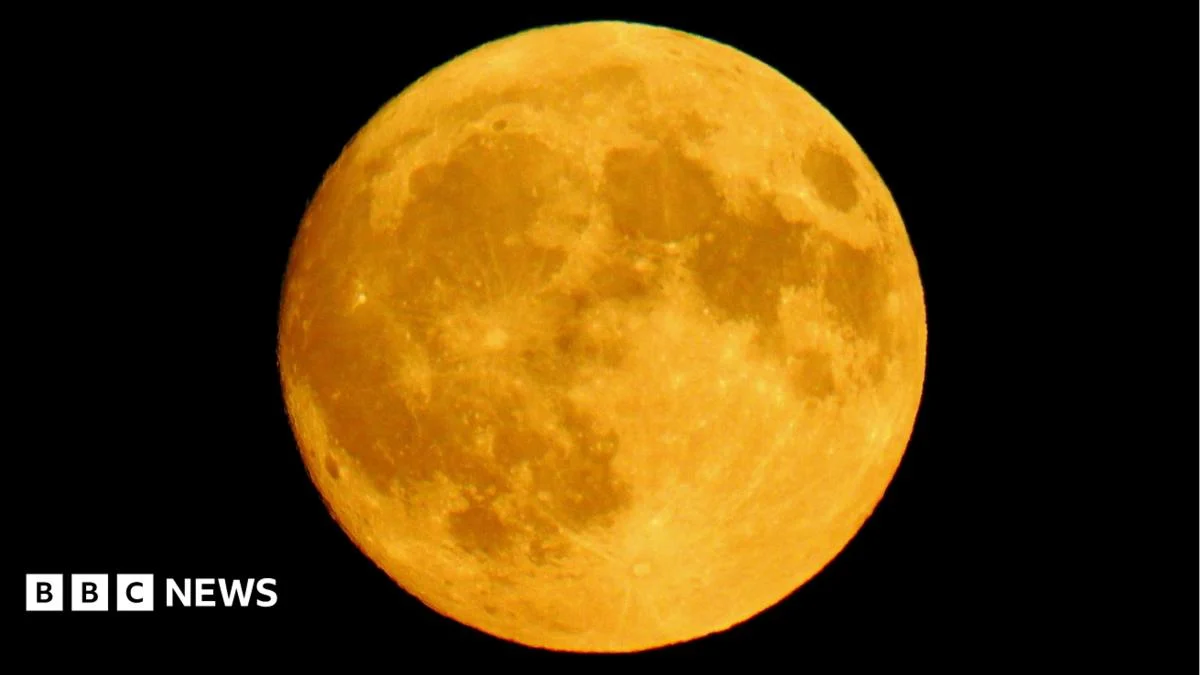
This particular full Moon carries the evocative name of the Buck Moon, a designation deeply rooted in the traditions and observations of various Native American tribes. It was named after the time of year when male deer, or bucks, embark on a remarkable phase of their annual life cycle: the rapid growth of a new set of antlers. Following the shedding of their previous antlers in late winter or early spring, bucks begin to sprout fresh bone structures, initially covered in a soft, fuzzy layer of skin known as "velvet." This velvet-covered stage is characterized by rapid growth, fuelled by an extensive network of blood vessels, and typically reaches its peak in mid-summer, making July a pivotal month for these majestic creatures. The naming convention reflects a profound connection to the natural world, an ancient calendar based on the rhythms of animal life and agricultural cycles, serving as a powerful reminder of humanity’s historical reliance on and respect for the environment.
Beyond its Native American appellation, the July full Moon is also recognised by other names, each offering a unique glimpse into different cultural perspectives and meteorological phenomena. The Royal Observatory in Greenwich, a global centre for astronomical observation and timekeeping, refers to this Moon as the Thunder Moon. This name is a direct homage to the often dramatic and intense summer storms that frequently punctuate the month of July across the Northern Hemisphere. These thunderous downpours, characterised by their sudden onset, vivid lightning displays, and rumbling echoes, are a defining feature of mid-summer weather, bringing vital rain to parched lands while simultaneously showcasing nature’s raw power. The name Thunder Moon encapsulates the atmospheric turbulence and the awe-inspiring electrical discharges that are a common occurrence during this period, serving as a meteorological marker in the celestial calendar.
Furthermore, this radiant full Moon has historically been known as the Hay Moon. This designation stems from the critical agricultural activity of the July hay harvest, a period of intense labour and immense importance for farming communities. In temperate climates, July typically marks the ideal window for cutting, drying, and storing hay, which serves as essential fodder for livestock throughout the lean winter months. The success of the hay harvest was, and in many rural areas still is, paramount to the survival and prosperity of farms. Farmers would work tirelessly, often from dawn till dusk, under the light of the full Moon to bring in the precious crop, making the Hay Moon a symbol of hard work, sustenance, and the cyclical nature of agricultural life. The moon’s brightness would often extend the working hours, allowing crucial tasks to be completed even after sunset, underscoring its practical utility beyond its aesthetic appeal.
While the precise moment of the Moon’s fullest illumination, its peak, was expected at 15:36 BST on Wednesday, this exact astronomical alignment would not be visible to observers in the UK due to the daylight hours. However, the Moon would appear virtually full and equally spectacular during the evening hours of both Tuesday and Wednesday. Forecasters had delivered encouraging news for those hoping to catch a prolonged glimpse of the Buck Moon on Wednesday night, predicting widespread clear skies after dark across much of Devon and Cornwall. This favourable meteorological outlook, often attributed to stable high-pressure systems prevailing over the region, promised optimal viewing conditions, free from cloud cover that so often obscures celestial events in the UK. Stargazers and amateur astronomers were poised to enjoy an unobstructed view of the fully illuminated lunar disc as it ascended above the horizon, offering another opportunity to witness its serene majesty.
The unique geography and relatively dark skies of Devon and Cornwall provided an exceptional backdrop for the Buck Moon’s appearance. From the wild, untamed expanses of Dartmoor and Bodmin Moor, where light pollution is minimal, to the picturesque coastal villages nestled along the English Channel and Atlantic coast, the Moon’s glow was particularly pronounced. Its light shimmered on the waves, silhouetted ancient stone structures, and highlighted the intricate details of the rugged coastline, creating a truly immersive experience. These regions, renowned for their natural beauty and strong connection to the elements, offered countless vantage points for observers to appreciate the lunar display in its full glory.
Indeed, the allure of the Buck Moon proved irresistible to many. Avid photographers and casual observers alike eagerly pointed their cameras skyward. Several members of the popular "Weather Watchers" community, a network of citizen scientists and enthusiasts who share meteorological observations and stunning natural phenomena, successfully captured the Moon on camera during Tuesday night’s display. Their shared images, often showcasing the Moon rising majestically over local landmarks, silhouetted against dramatic twilight hues, or casting long shadows across familiar landscapes, served as a testament to the Moon’s visual impact and the collective appreciation for such natural wonders. These photographs not only documented the event but also fostered a sense of community, allowing those who might have missed the direct viewing to experience a piece of the magic through the eyes of others. The act of sharing these images transformed a solitary viewing experience into a communal celebration of the night sky.
From an astronomical perspective, a full Moon occurs when the Moon is precisely opposite the Sun in its orbit around Earth. At this point, the entire face of the Moon that is visible from Earth is illuminated by sunlight, appearing as a complete, luminous disc. This alignment also results in the Moon rising around sunset and setting around sunrise, ensuring it is visible throughout the entire night. The Moon’s consistent journey through its phases—new moon, crescent, quarter, gibbous, and full—has captivated humanity for millennia, guiding ancient navigators, inspiring poets, and marking the passage of time. Each full Moon, while fundamentally the same astronomical event, carries with it a unique name and cultural resonance, reflecting the diverse ways different societies have interacted with and interpreted the celestial sphere. The Buck Moon, with its strong ties to nature’s cycles and agricultural rhythms, stands as a prime example of this enduring human connection to the cosmos. As the glow of the Buck Moon faded with the approach of dawn, it left behind not only vivid memories but also a renewed appreciation for the intricate dance between Earth, Moon, and Sun, a timeless spectacle that continues to inspire awe and wonder across generations.




 atisusanti
 George Anjay
 Nakalama John

 Ramos Leo