George Anjay
Cuba’s national electric grid has suffered its second total collapse in just one week, plunging more than 10 million people into darkness and exacerbating the island’s deepening energy crisis. The cascading failure, confirmed by the nation’s grid operator, UNE, has once again left homes, businesses, and critical infrastructure without power, raising urgent questions about the resilience of Cuba’s aging energy system and the impact of external pressures.
The Ministry of Energy and Mines issued a stark statement on social media, acknowledging the "total disconnection of the National Electrical System" and confirming that "protocols for restoration are already beginning to be implemented." This announcement follows a similar widespread blackout earlier in the week, highlighting a concerning pattern of instability. UNE has stated its immediate priority is the gradual recovery of electricity, with a focus on supplying essential services such as hospitals and water treatment facilities.
The recurring blackouts are occurring against a backdrop of chronic fuel shortages, which the Cuban government attributes, in large part, to the enduring United States embargo. This long-standing economic blockade significantly restricts Cuba’s ability to import foreign oil, a crucial commodity for its power generation infrastructure. The island’s electricity network, much of which dates back decades, is increasingly struggling to meet demand, particularly under these strained conditions. This most recent national blackout is the third significant power failure to afflict the Caribbean nation this month alone.
Amidst this escalating crisis, a significant show of international solidarity arrived in Havana over the weekend. A coalition of international socialist groups, part of the "Nuestra America" convoy, sailed from Mexico bearing vital aid. The flotilla, delayed by challenging sea conditions, is expected to dock in Havana’s port on Monday, delivering much-needed donations including solar panels, essential food kits, and medicines. This initiative underscores the international support Cuba receives from certain political allies, even as it faces immense pressure.
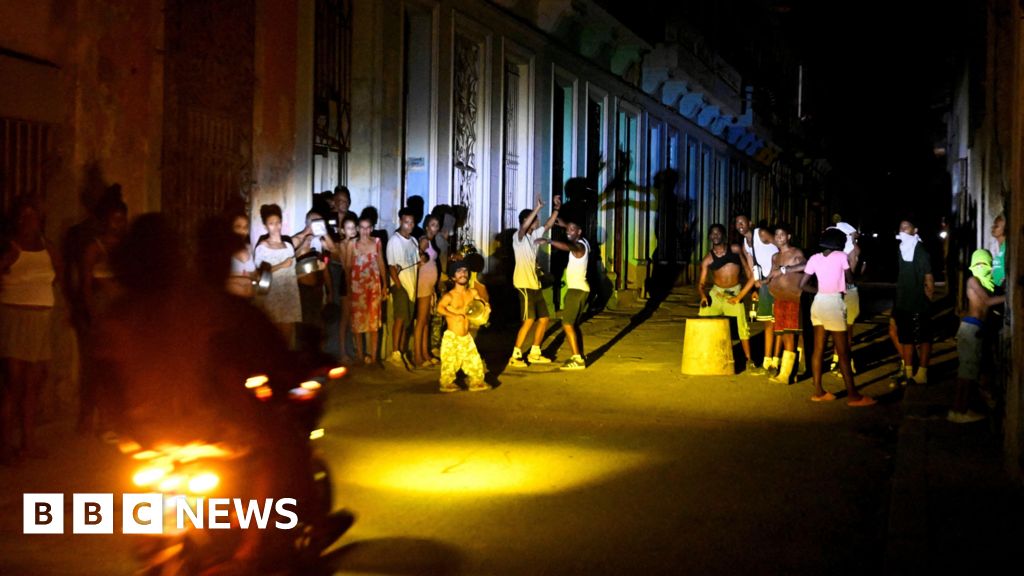
The pervasive power cuts have ignited rare public dissent across the island. On Monday, residents in central Havana were heard banging pots and pans, a traditional form of protest in Cuba, expressing their frustration and anger over the prolonged outages. The unrest was not confined to the capital; in the central Cuban town of Morón, protesters reportedly attacked and set fire to the local Communist Party headquarters on the same day. These actions represent a significant escalation of public discontent, as unauthorized demonstrations are strictly illegal in Cuba and carry the risk of severe penalties, including imprisonment.
The unfolding energy crisis is inextricably linked to the complex geopolitical landscape surrounding Cuba, particularly its relationship with the United States. Reports suggest a potential shift in US policy under the Trump administration, with a focus on pressuring Cuba to change its political system. Following the seizure of former Venezuelan President Nicolás Maduro by US soldiers on January 3rd, persistent inquiries have been made about similar potential actions targeting Cuba. President Trump has reportedly linked the lifting of the fuel embargo to the removal of Cuba’s current President, Miguel Díaz-Canel, a key regional ally of Venezuela. In recent public statements, President Trump has alluded to the possibility of a "friendly takeover" of Cuba, remarks that have been met with strong condemnation from the Cuban government.
In response to these perceived threats, President Díaz-Canel has publicly stated that the island has a "preparation plan to raise our people’s readiness for defence" against any potential US military aggression. This rhetoric signals Cuba’s determination to resist external pressure and defend its sovereignty. While initial phases of bilateral talks aimed at de-escalating the crisis have been confirmed by President Díaz-Canel, the progress of these discussions remains unclear.
Cuban Deputy Foreign Minister Carlos Fernandez de Cossio has emphatically stated that "the political system of Cuba is not up for negotiation, and of course neither the president nor the position of any official in Cuba is subject to negotiation with the United States," as reported by Reuters. This firm stance reiterates Cuba’s commitment to its existing political framework and rejects any external interference in its internal affairs. The current energy crisis, therefore, is not merely a technical or logistical challenge, but a deeply intertwined manifestation of Cuba’s ongoing struggle for economic independence and its complex relationship with its powerful northern neighbor. The repeated blackouts serve as a stark reminder of the vulnerabilities faced by the island nation and the persistent challenges to maintaining stability in the face of both internal infrastructure limitations and external political pressures. The coming days and weeks will likely reveal the extent to which Cuba can restore its power grid, manage public discontent, and navigate the intricate geopolitical currents that continue to shape its destiny. The humanitarian impact of these power cuts is significant, affecting everything from daily life and economic activity to the provision of essential services, creating a ripple effect that touches every corner of Cuban society. The international community watches with concern as this island nation grapples with these multifaceted challenges, highlighting the enduring resilience of its people amidst adversity. The reliance on aging infrastructure, coupled with the severe impact of fuel import restrictions, paints a grim picture of the immediate future for Cuba’s energy sector, demanding innovative solutions and sustained international dialogue.

 Nakalama John
 Ramos Leo
 Nana Banana