Nana Banana
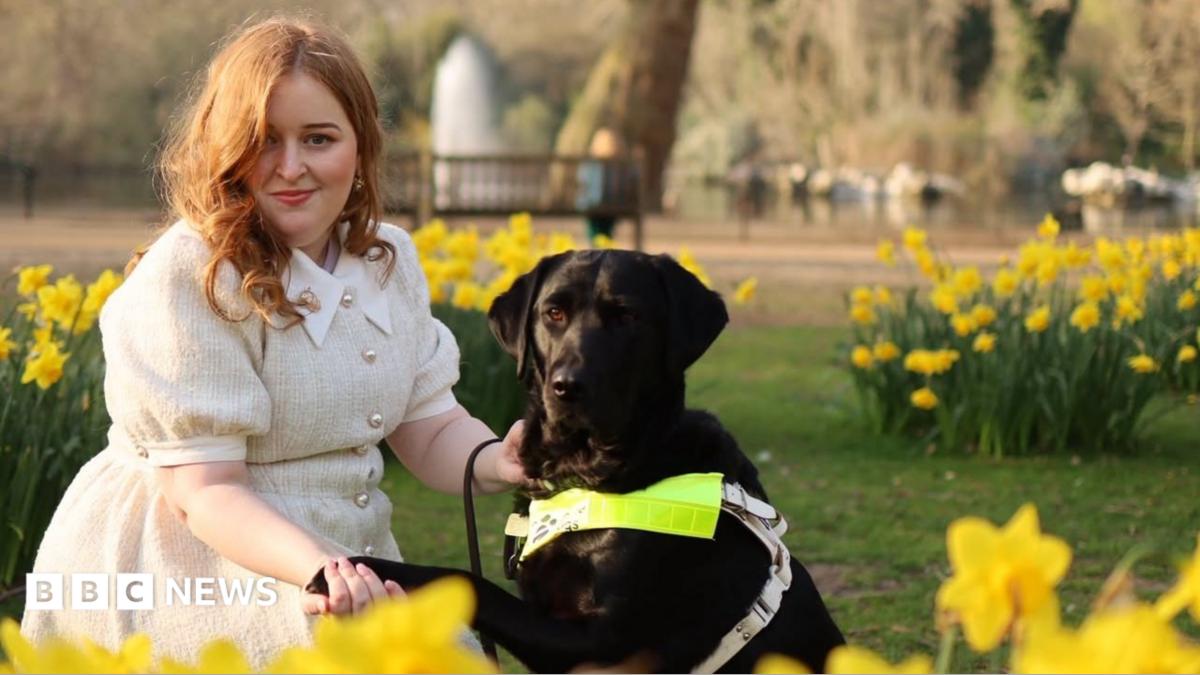
For Emily Davison, a London-based journalist and content creator with a visual impairment, the escalating temperatures present a heart-wrenching dilemma: prioritizing the health of her guide dog, Rosie, often means sacrificing her own independence and professional opportunities. "The dog’s health has to come first," Davison states, explaining how scorching pavements and stifling public transport conditions render travel unsafe for Rosie. This concern frequently forces Emily to cancel vital journeys to work events, directly impacting her potential earnings and professional development. Public transport, particularly buses, becomes unbearable due to overheating, while the inconsistent accessibility of ride-sharing services like Uber – where she has faced "too many experiences where they’ve not let me in with a dog" – further limits her options. Even with access to the London Taxicard scheme, a subsidised service for those with mobility impairments or severe sight loss, securing available taxis during peak heat periods has become increasingly difficult. Every trip now demands meticulous and often stressful planning, which in turn breeds isolation and severely restricts both her professional and personal life. "It does put the brakes on your life," she laments, emphasizing how this situation can bring essential activities to a grinding halt. While she considers herself fortunate to have the option of working from home for extended periods, Emily stresses the broader importance of such flexibility. "I think the culture of being able to work from home and have that option is really important to keep ensuring that disabled people can still be in employment," she asserts, advocating for systemic changes that acknowledge and support diverse working needs.
Meanwhile, in Cardiff, actor Jimmy Macfarlane navigates his professional life from a powered wheelchair, a device whose reliability is severely compromised by extreme heat. While many complain of rapidly draining phone batteries in high temperatures, for Jimmy, these batteries are his legs. He observes that "the heat definitely impacts the chair and it makes the battery go down a lot quicker." This constant concern forces him into a perpetual state of strategic planning, always questioning, "is there a way I can get to where I need to be without moving the chair?" There have been days when the heat has rendered him completely housebound. In a previous sixth-floor flat, the intense temperatures caused the building’s lift to repeatedly break down. Unlike other residents who could resort to using the stairs, Jimmy was left with no alternative. "There were times where I was stuck in the flat [for days] until it was fixed," he recalls, highlighting a systemic failure that disproportionately affects disabled individuals. The heat inside his flat compounded his challenges; living with cerebral palsy means everyday tasks already demand significantly more energy. "Things like getting changed, having a shower… everything I do takes twice as long as a non-disabled person," he explains. "On a hot day, it’s even more exhausting."
For Claire Sisk, a content creator and advocate living with distorted vision, conventional advice for heatwave management can inadvertently create new dangers. Recommendations like keeping curtains closed and opening windows during cooler parts of the day, while sensible for many, pose significant security and safety risks for her. "If I’ve got all my windows and doors open, I feel incredibly vulnerable because I can’t see if anybody is walking into my property," Sisk explains, forcing her to keep them closed and endure the stifling heat. Similarly, introducing cooling devices like fans can become unexpected trip hazards, disrupting the familiar spatial layout she relies on for safe movement within her home. Beyond her residence, the harsh glare of sunlight during hot weather can drastically diminish her already compromised vision, making outdoor navigation even more treacherous. "[When] that sunlight comes out, then that bit of vision just goes," she describes, turning routine errands into perilous expeditions. Unpredictable travel conditions, such as staff shortages at Tube stations, further exacerbate her daily struggles. She recounts an instance where a journey that should have taken 45 minutes stretched to two hours, a frustrating and exhausting ordeal that highlights the ripple effect of inadequate infrastructure and support during heat events.
Hollye Kirkcaldy, a PhD researcher at the University of Bath, whose work focuses on the impact of extreme heat on disabled people in the UK, affirms that these personal narratives are far from isolated incidents. Her research reveals a systemic issue where official heatwave guidance frequently fails to account for the diverse realities of disabled individuals, and seemingly simple mitigation strategies can inadvertently erect new, formidable barriers. Kirkcaldy emphasizes the "disabling" interplay of factors: "You’ve got inequalities in urban infrastructure, housing, structural conditions around things like social networks and care. If you put all of those together and then you throw heat in, that’s what’s disabling." This confluence of challenges erodes independence, leading to significant detriments in mental wellbeing and imposing crushing financial burdens. Disabled individuals may find themselves unable to work, incurring additional outgoings such as higher energy costs for round-the-clock cooling, or investing in adaptive equipment that able-bodied people don’t require. Kirkcaldy warns of the dire consequences, describing situations where people face "a trade-off that nobody should have to make between your health and whether you eat."
Doug Paulley, a veteran disability campaigner who lives with multiple health conditions exacerbated by high temperatures, views the experiences of disabled people during heatwaves as a stark indicator of deeper societal failings. "Disabled people are always amongst the first against the wall whenever there’s a significant crisis of any type in society, and this is no exception," he states, pointing to a persistent pattern of neglect. He vividly recalls personal sacrifices made due to the heat, including cancelling vital physiotherapy appointments and missing the opportunity to give evidence at the Covid Inquiry. "There was just no way that I could have gone. It was dangerously hot and I would have been really unwell," he explains, illustrating how critical engagements are often forfeited for basic safety. Both Emily Davison and Doug Paulley concur that the intensifying reality of climate change demands a fundamental paradigm shift in how accessibility and support systems are conceptualized and implemented. "Climate change is a thing. Summers are only going to get hotter," Emily urges. For Doug, the crux of the issue extends beyond merely coping with extreme weather; it lies in whose voices are heard and whose experiences are valued when shaping future policies. He concludes with a powerful critique: "Policy is very much set for them, not with them," underscoring the urgent need for inclusive, co-designed solutions that genuinely prioritize the survival and wellbeing of disabled people in an increasingly warming world.

 George Anjay
 Nakalama John
 atisusanti
 Ramos Leo