
 Roy Suryo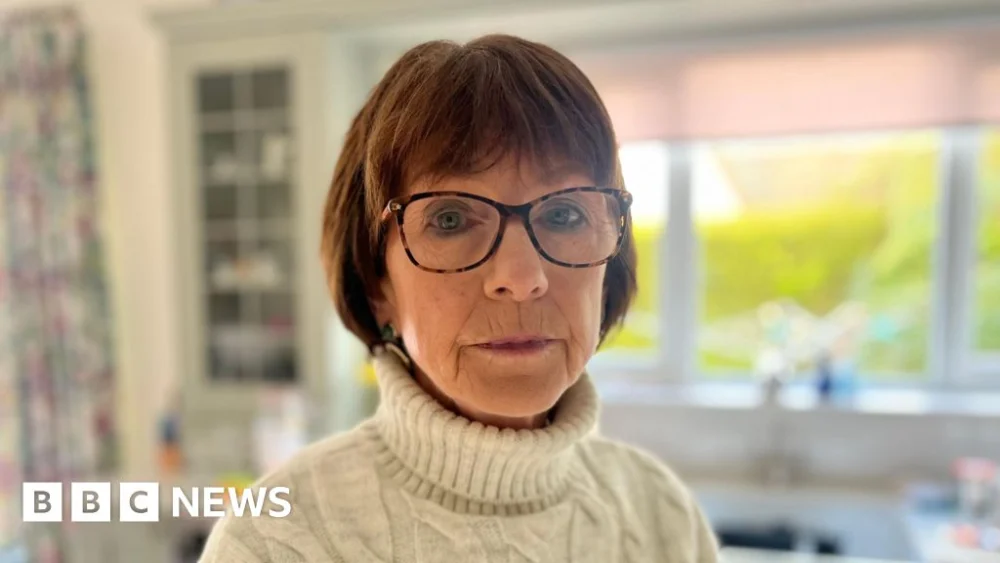
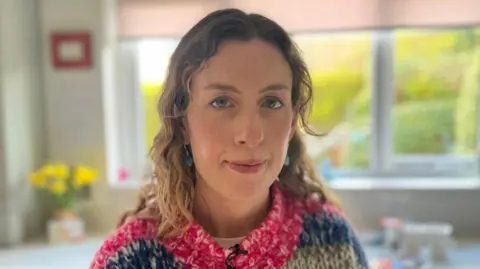
"My daughter died in her sleep, with no warning," a grieving mother stated, her voice heavy with a sorrow that has become a permanent fixture in her life. Jo-Ann Burns, a health correspondent for BBC News NI, recounted the devastating loss of her daughter, Nicola, who passed away at the age of 41 from Sudden Unexpected Death in Epilepsy (SUDEP). The family feels "robbed" and "heartbroken," as Nicola, despite living with epilepsy for years, was never informed about the life-threatening risks associated with SUDEP. Jo-Ann is now a vocal advocate, urging for epilepsy patients to be fully informed about their increased risk of death and the proactive steps they can take to mitigate it.
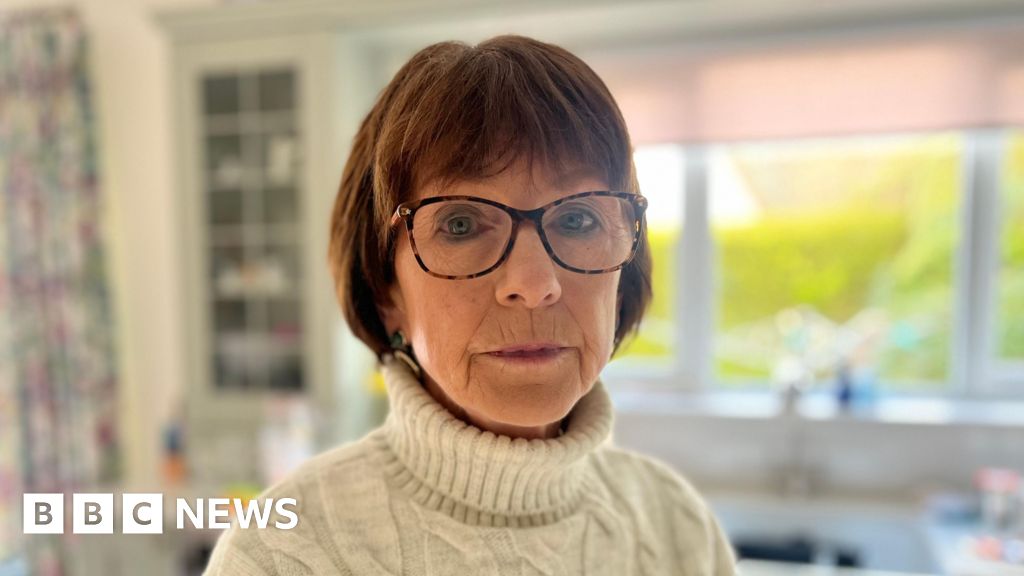
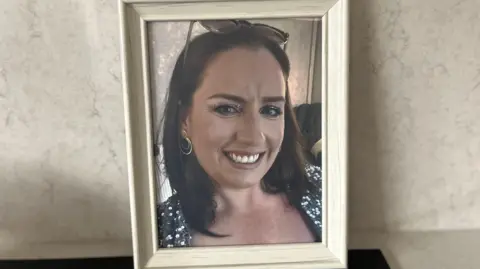
The devastating reality of SUDEP, a condition linked to epilepsy, has left Jo-Ann and her family shattered. Nicola Burns, a vibrant 41-year-old, was tragically found deceased in her sleep, a victim of SUDEP. Her mother, Jo-Ann Burns, revealed with profound grief that Nicola was never made aware of SUDEP, a condition that tragically claims the lives of approximately one in every 1,000 people with epilepsy annually. This lack of crucial information, Jo-Ann believes, has robbed her family of precious time and potentially of Nicola herself.
SUDEP, while not fully understood, is believed to occur during or immediately after an epileptic seizure, potentially due to complications with the heart or breathing. Warning signs, though not always apparent, can include uncontrolled or nocturnal sleep seizures. Nicola’s journey with epilepsy began in her twenties when she was diagnosed with nocturnal seizures. Despite this diagnosis, she rarely exhibited severe symptoms, with infrequent hospital visits following seizures. This relative lack of overt illness led Jo-Ann and her family to become, in her words, "too complacent" about the condition. "We feel robbed," Jo-Ann confessed. "Nicola was handling her epilepsy, taking her medication which was reviewed periodically, but she nor us knew anything about sudden unexpected death."
The shock of Nicola’s death was amplified by the fact that she seemed to be managing her epilepsy well. Her sister, Catriona Burns, described the loss as a nightmare they are still struggling to awaken from. "I loved her to bits, she was my big sister who did everything for all of us," Catriona shared, her voice trembling. She explained that epilepsy had always been a background presence in Nicola’s life, and because Nicola lived her life to the fullest and was rarely ill, they had underestimated its potential severity. Catriona recounted their last conversation the night before Nicola’s death, a lighthearted exchange about cocktails, followed by pictures of Nicola enjoying a work event in London. "She was just in great form," Catriona recalled, making the subsequent tragedy all the more unfathomable. Catriona emphasized that the situation was "made worse" by the feeling that Nicola’s death "could have been prevented, if we’d known about the condition."
An inquest into Nicola’s death in 2025 brought further distress and unanswered questions. The coroner raised concerns about why SUDEP had not been discussed with Nicola and why her scheduled annual review by the South Eastern Health Trust had not taken place. The family received correspondence from the trust, seen by the BBC, which cited "capacity" issues as the reason for the missed annual review. In a statement to BBC News NI, the South Eastern Health Trust extended its "deepest condolences" to the family and stated that, following a review, an advice document for patients had been developed, which now includes a section on SUDEP. However, the family found the trust’s response "disappointing." They were also informed that SUDEP is typically discussed at the time of diagnosis. As Nicola was diagnosed in England, the responsibility, they were told, lay there.
The Walton Centre in Liverpool, where Nicola received her diagnosis, confirmed there was "no written confirmation" that SUDEP had been discussed with her. In a letter, the centre stated, "It is therefore not clear whether this was discussed with her and not documented, but we have not clearly documented this." This lack of clear documentation has left Jo-Ann and her family grappling with the agonizing question of whether the outcome might have been different had Nicola received her planned review.
Nicola’s tragic death served as a catalyst for the family to connect with the charity SUDEP Action. Through this engagement, they discovered that countless other families shared their painful experience of not being aware of SUDEP until after their loved ones had passed away. Jane Hanna from SUDEP Action stressed the critical need to equip patients and their families with information, asserting that lives can be saved through increased awareness. "Epilepsy is a cliff edge condition," Hanna explained. "While some people may seem really well, if their epilepsy is out of kilter, there is this risk of sudden death." SUDEP Action provides resources, including a digital app and a checklist, to help patients monitor their symptoms, understand their personal risks, and take steps to lower them.
The National Institute for Health and Care Excellence (NICE) guidelines acknowledge the importance of discussing SUDEP. Clinicians are advised to discuss the risk of SUDEP with individuals who experience seizures during sleep, and to involve their families and carers where appropriate. Management strategies for reducing SUDEP risk include consistent adherence to anti-seizure medications (ASMs), maintaining a regular sleep schedule, and utilizing seizure monitors.
The family’s courageous decision to speak out is a testament to their love for Nicola and their desire to prevent other families from enduring similar heartbreak. They hope that by sharing their story, greater awareness will be raised about SUDEP, ensuring that no other family has to experience the devastating shock of losing a loved one without understanding the risks. The fight for better information and proactive care in epilepsy management continues, fueled by the memory of Nicola Burns and the profound grief of her family. The tragedy underscores the critical importance of open communication between healthcare providers and patients regarding all potential risks associated with chronic conditions, especially those that can have fatal consequences.




 Nakalama John
 atisusanti
 Ramos Leo
