
 Ramos Leo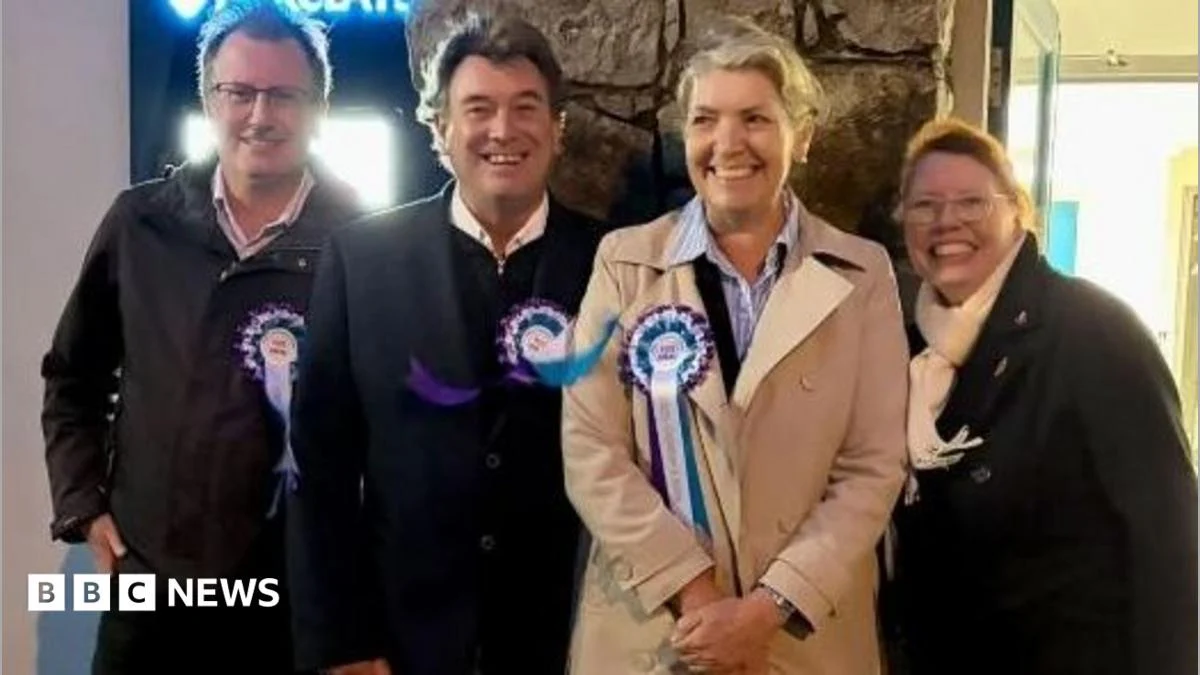
Among the newly elected, Peter Shimmin, who secured the highest number of votes in the Douglas Central constituency, expressed profound sentiments, stating he was "overwhelmed" and "incredibly grateful" for the public’s trust. His strong mandate in a key urban area positions him as a significant new voice within the legislative assembly. When questioned about his immediate priorities for the island, Shimmin articulated a clear vision focused on economic vitality, addressing the critical issue of affordable housing, and implementing policies that comprehensively support younger generations and families. He emphasized his commitment to making the Isle of Man "a great place to build your future," a sentiment resonating with many voters concerned about the long-term prospects for residents.
Shimmin’s economic agenda is expected to delve into strategies for diversification beyond traditional sectors like financial services, exploring growth opportunities in areas such as digital industries, clean tech, and sustainable tourism. The challenge for the island’s economy involves navigating global uncertainties while fostering an environment conducive to local enterprise and attracting foreign investment. On affordable housing, a persistent concern for many Manx residents, Shimmin’s focus is likely to encompass various approaches, including reviewing planning policies, potentially exploring incentives for developers to build more affordable units, and supporting schemes designed to help first-time buyers enter the property market. For younger people and families, his priorities could translate into initiatives aimed at improving educational opportunities, enhancing childcare provision, creating diverse job pathways, and ensuring access to essential public services and community facilities, all vital components for encouraging residents to commit their futures to the island.
In contrast to the new faces, current Treasury Minister Chris Thomas successfully retained his seat, a testament to his established presence and the confidence placed in his continued service. He conveyed his satisfaction at being re-elected in what he described as a "difficult constituency," acknowledging the competitive nature of the race and the diverse expectations of his constituents. Thomas, a figure of considerable experience in Manx politics, underscored the gravity of the challenges facing the island, stating there were "many, many important challenges and we need to rise to them." His re-election provides an element of continuity amidst the significant change.
As Treasury Minister, Thomas has been intimately involved with the island’s financial health, and his concerns reflect a deep understanding of the systemic issues. He specifically cited critical areas such as transport infrastructure and connectivity, the sustainability of public finances in the long term, the perennial demands on healthcare services, and the increasingly salient issue of food security for an island nation. Addressing transport involves not only maintaining internal road networks and public transport but also ensuring reliable and affordable air and sea links crucial for the island’s economy and social fabric. Public finances present an ongoing tightrope walk between generating sufficient revenue, managing expenditure, addressing pension liabilities, and maintaining the island’s robust reserves. Healthcare challenges are universal but amplified on an island, encompassing issues like staffing shortages, waiting lists, the funding model, and the increasing demands of an aging population. Food security, particularly in a post-Brexit world with global supply chain vulnerabilities, requires strategic thinking about local production, import diversification, and resilience.
Thomas’s subsequent statement, "Compromise is a good thing, consensus is a good thing, but we can’t afford a fudge," encapsulates a seasoned politician’s view on effective governance, particularly pertinent for a parliament composed predominantly of independents. In the Manx context, where party politics are minimal, the ability to build cross-chamber consensus and find common ground through compromise is essential for legislative progress. His caution against a "fudge" implies a warning against superficial solutions, indecisiveness, or the avoidance of difficult, perhaps unpopular, decisions that are nonetheless necessary for the island’s future prosperity and stability. It suggests a call for genuine, robust policy-making rather than temporary fixes or kicking the can down the road on critical issues. The new House of Keys, with its significant contingent of new members, will undoubtedly need to embrace this spirit of collaborative yet decisive action.
Meanwhile, the election outcome also brought disappointment for some incumbents, including Ann Corlett, who lost her seat. Reflecting on her defeat, Corlett acknowledged it was "a little disappointing" but surprisingly revealed "a strange sense of relief" at the prospect of stepping away from the rigours of political life. This candid admission offers a glimpse into the demanding nature of public service, highlighting the personal sacrifices often made by those in office. Her relief suggests an opportunity to "get back" to her personal life and "do some of the things I’ve been planning to do," indicating that the demands of parliamentary duties often necessitate putting personal aspirations on hold.
Despite the personal setback, Corlett proudly reflected on her tenure, citing her highlights as including the successful passage of significant social legislation and her role as Deputy Speaker of the House of Keys. While specific details of the social legislation are not provided, such achievements typically involve advancements in areas like equality rights, welfare provisions, public health initiatives, or family law, demonstrating a tangible positive impact on the lives of Manx residents. Her position as Deputy Speaker signifies a role of considerable responsibility within the parliamentary structure, involving assisting the Speaker in maintaining order, ensuring adherence to parliamentary procedures, and facilitating the smooth conduct of debates. It is a position that demands impartiality, a deep understanding of parliamentary rules, and the respect of fellow members. Her contributions in these areas underscore the dedication she brought to her public service.
The election of fifteen new members to the House of Keys is more than just a change in personnel; it signifies a potential shift in policy direction and a re-evaluation of national priorities. With 62.5% of the seats occupied by fresh faces, the new House will face the challenge of quickly forming effective working relationships and integrating diverse perspectives into a cohesive legislative agenda. The process of electing a new Chief Minister from within their ranks, followed by the appointment of a Council of Ministers, will be the first major test of this new parliamentary dynamic.
The electorate’s decision reflects a desire for a government capable of navigating the complex challenges of the 21st century. Issues such as climate change, the post-pandemic economic recovery, the rising cost of living, and the need to maintain the island’s unique cultural identity will undoubtedly dominate the agenda. The blend of experienced figures like Chris Thomas, providing institutional memory and expertise, alongside the energy and fresh ideas of new members like Peter Shimmin, presents an opportunity for a vibrant and responsive legislature. Ann Corlett’s departure, while personally bittersweet, is part of the democratic cycle, making way for new voices while leaving a legacy of contributions. The coming years will be crucial for the Isle of Man as its newly elected representatives embark on the challenging yet vital task of building a secure and prosperous future for all its inhabitants. The mandate from the voters is clear: tackle the pressing issues with courage, compromise, and a shared vision, avoiding any "fudge" that might undermine the island’s long-term well-being.



 George Anjay
 Nakalama John
 atisusanti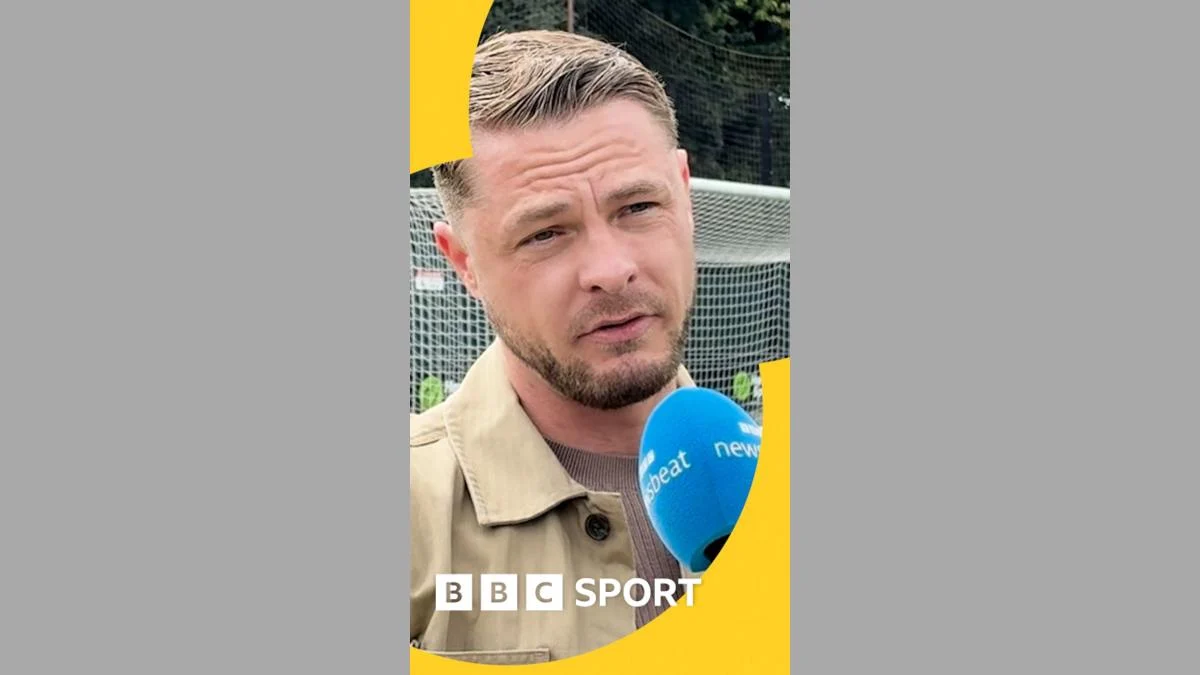
 Roy Suryo
 Nana Banana