
 Ramos Leo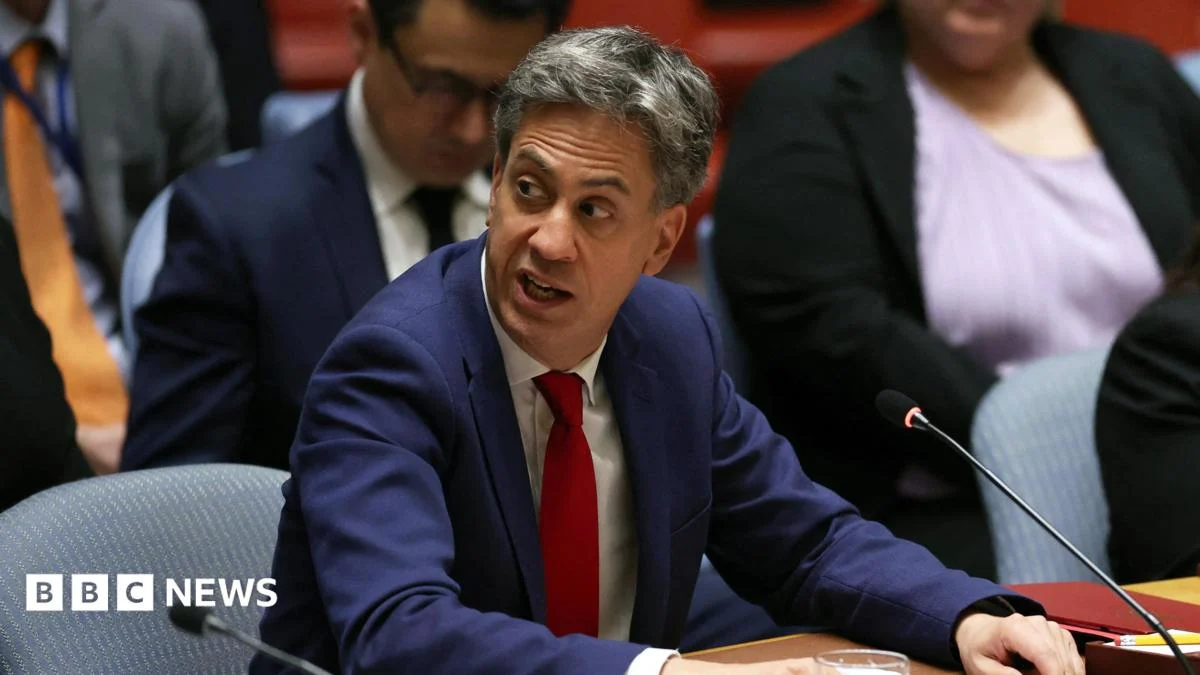
Foreign Secretary Ed Miliband delivered a stern warning to Iran’s foreign minister, Abbas Araghchi, stating unequivocally that the United Kingdom would "not tolerate intimidation, threats or hostile activity on UK soil." This direct message, conveyed during a face-to-face meeting at the United Nations General Assembly in New York City, underscores a significant escalation in the UK’s stance against perceived Iranian aggression and interference within its borders. The high-level encounter, occurring amidst a backdrop of heightened tensions in the Middle East and specific incidents targeting British interests, served as a crucial platform for the UK to articulate its firm resolve.
The meeting between Miliband and Araghchi, held on the sidelines of the annual gathering of world leaders, was more than a routine diplomatic exchange. It represented a pointed British declaration regarding national security and the protection of its citizens. According to a statement released by the Foreign Office, Miliband specifically addressed "the UK’s unwavering resolve to combat threats from Iranian-linked groups on UK soil, including attacks on the British Jewish community." Beyond these pressing domestic security concerns, the discussion also delved into the escalating conflict in the Middle East and the deeply troubling detention of a British couple in Iran.
There was no immediate public comment from Araghchi regarding the specifics of Miliband’s stern message. However, the Islamic Republic News Agency (IRNA) reported that the two men had met, stating vaguely that they "discussed bilateral ties and international developments during their talks," a standard diplomatic euphemism that often belies more contentious exchanges behind closed doors. This disparity in reporting highlights the divergent narratives and priorities of the two nations following the intense dialogue.
Miliband’s emphatic warning follows a series of disturbing incidents on British soil that intelligence services have increasingly linked to Iranian state actors or their proxies. A particularly egregious example was the arson attack in March on four Jewish community ambulances belonging to the Hatzola volunteer service in Golders Green, London. This incident sent shockwaves through the community and prompted immediate investigations. Initially, British intelligence chiefs maintained an open mind, exploring various possibilities regarding the perpetrators and whether the Iranian state or organisations working on its behalf had a direct role in this and other attacks against Jewish communities during 2026. However, subsequent intensive intelligence gathering and analysis led to a definitive conclusion: secret intelligence pointed unequivocally to Iran or its proxies being involved in the Hatzola ambulance attack, as well as other coordinated assaults targeting Jewish communities. These findings represent a grave development, indicating a direct foreign threat to the safety and cohesion of specific communities within the UK, directly impacting the sense of security among British citizens.
The scope of alleged Iranian hostile activity extends beyond physical attacks. In July, a small power plant in the UK was deliberately shut down due to a sophisticated cyber attack. While official attribution can often be slow and complex, The Telegraph newspaper, citing intelligence sources, reported that the incident was carried out by hackers affiliated with the Iranian regime. Such an attack on critical national infrastructure marks a significant escalation, demonstrating Iran’s potential to disrupt essential services and pose a direct threat to the UK’s economic stability and national security. The ability to incapacitate power grids, even temporarily, underscores a dangerous new dimension in the perceived proxy conflict between Iran and Western nations, suggesting a willingness to target foundational elements of a modern society.
Beyond the immediate threats on British soil, the discussion between Miliband and Araghchi also encompassed the broader, volatile geopolitical landscape of the Middle East, particularly the ongoing war between Iran and the United States. Miliband conveyed the UK’s deep concern, telling Araghchi that Iran should choose "de-escalation and diplomacy instead of prolonging the war" and stressed the paramount importance of reopening the Strait of Hormuz. This strategic waterway, a critical choke point for global energy supplies, has become a focal point of the conflict.
The origins of this devastating conflict trace back to February when a joint US and Israeli attack on Iran resulted in the death of the country’s supreme leader, a catastrophic blow to the Islamic Republic. Iran responded with fierce retaliation, launching strikes on Israel and neighbouring Gulf Arab states that host US military bases. In a move with profound global economic implications, Iran also effectively closed the Strait of Hormuz, through which a staggering fifth of global oil and gas shipments usually pass. This closure immediately sent shockwaves through international markets, causing oil and gas prices to skyrocket and threatening to destabilise the global economy. The UK, like many nations, relies heavily on these energy routes, making the call for the Strait’s reopening a matter of urgent economic and strategic importance.
The UN General Assembly provided a stage for other key players to articulate their positions. On Wednesday, Iranian President Masoud Pezeshkian addressed the assembly, laying out his country’s demands for any potential peace deal. He emphatically stated that any agreement would have to include an end to the US blockade stopping Iranian ships from using the Strait of Hormuz, effectively making the reopening of the waterway conditional on the lifting of sanctions and naval restrictions. Responding directly to US President Donald Trump’s earlier threat to "annihilate" the Islamic Republic if a deal was not reached soon, Pezeshkian adopted a defiant tone. He declared that his country would never "bend the knee" to such pressure, asserting that "The resistance of the Iranian people will only increase in the face of sanctions, increased pressure, increased bullying." The US delegation, in a clear sign of protest and rejection of Pezeshkian’s rhetoric, walked out of the chamber at the very start of his address, underscoring the deep chasm that divides Washington and Tehran. There was no immediate comment from the US following the Iranian president’s speech.
Adding a poignant human element to the high-stakes diplomatic discussions, the Foreign Office confirmed that Miliband also used Thursday’s meeting to raise the deeply concerning detention of British couple Lindsay and Craig Foreman. The couple, hailing from East Sussex, have been held in Iran for an agonizing period of more than 20 months. Their ordeal began when they were arrested while merely passing through the country on what was meant to be an adventurous motorcycle journey. In February, their situation worsened dramatically when they were each sentenced to 10 years in jail on espionage charges, allegations which they vehemently deny.
Miliband’s discussion with the Iranian foreign minister on this matter was direct and unequivocal. He reiterated the UK government’s urgent call for their immediate release and stressed that their welfare remains an absolute priority for the government. The detention of British citizens on what are widely considered spurious charges is a significant point of contention in UK-Iran relations, adding a deeply personal and humanitarian dimension to the broader diplomatic tensions. The Foreign Office indicated that the UK continues to exert all possible diplomatic pressure to secure their release, highlighting the government’s commitment to its citizens abroad even amidst complex international disputes. The fate of the Foremans serves as a stark reminder of the human cost of strained international relations and the challenges faced by individuals caught in geopolitical crosscurrents. The UK’s firm stance, as conveyed by Miliband, signals a determination to protect its national interests, its critical infrastructure, and its citizens, both at home and abroad, against any form of hostile activity or unwarranted detention.


 George Anjay
 Nakalama John
 atisusanti
 Roy Suryo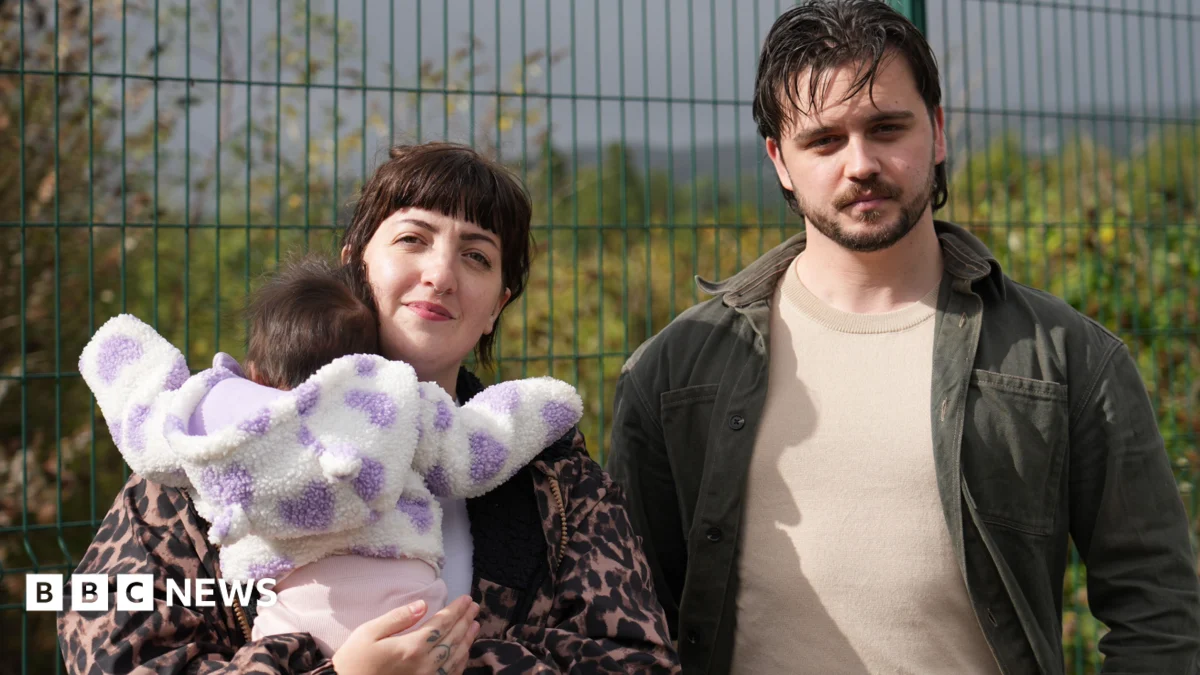
 Nana Banana