
 Ramos Leo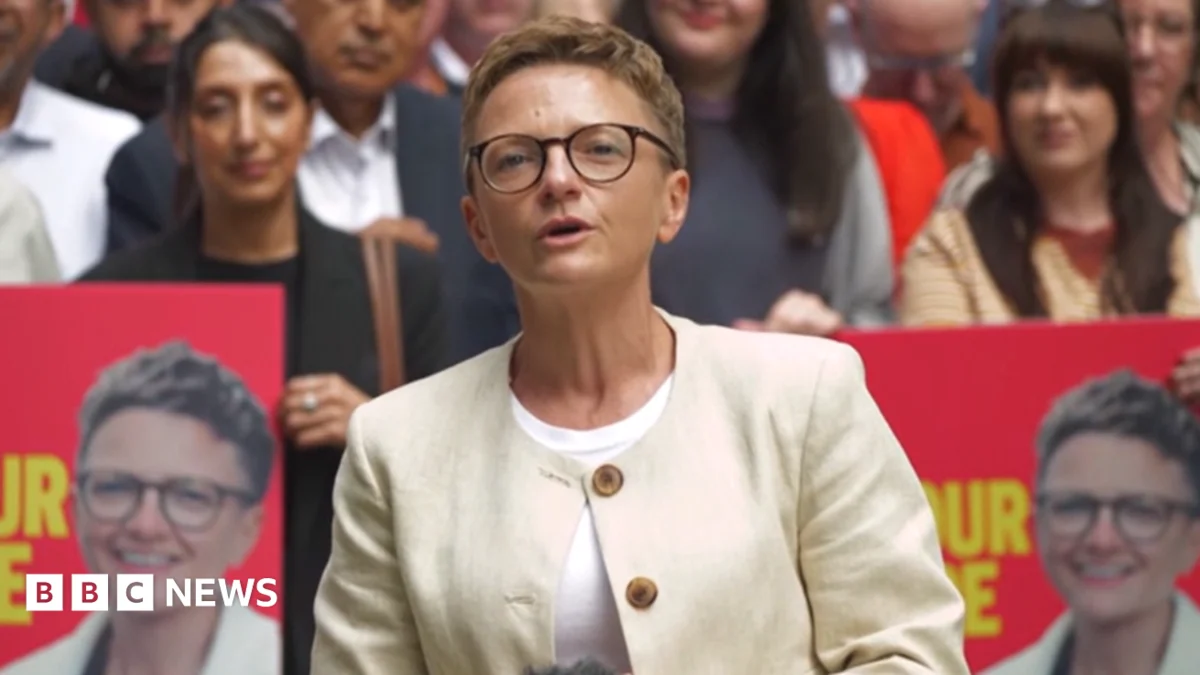
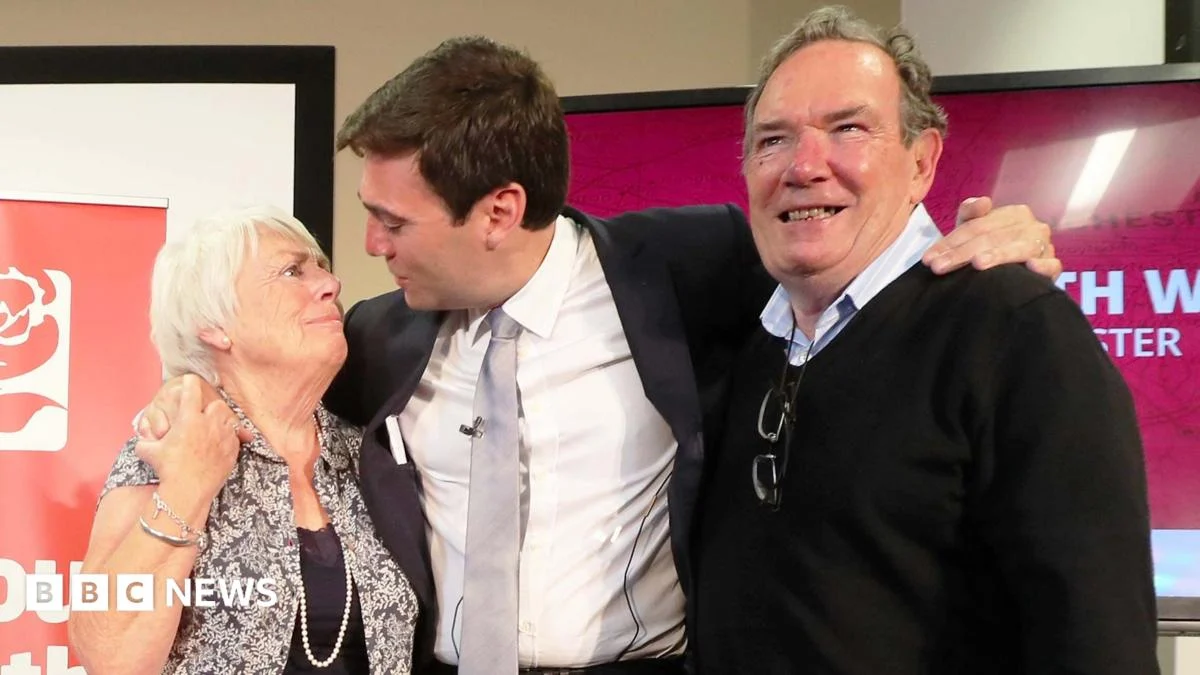
Craig, a Labour candidate, secured a decisive mandate, garnering 309,525 votes. Her closest challenger, Sian Astley of the Reform Party, trailed with 157,178 votes. This substantial margin underscored Labour’s continued dominance in the region and the public’s confidence in Craig’s vision for Greater Manchester. The by-election itself was necessitated by the departure of the hugely popular former mayor, Andy Burnham, who stepped down from the mayoral office to successfully run for Member of Parliament for Makerfield in June. The transition of power was marked by a unified front, as both Craig and Burnham appeared together at a jubilant Labour rally in Manchester following her election win, symbolising continuity and shared ambition for the region.
Speaking passionately at the rally, Craig highlighted the significance of the Prime Minister’s early commitment to devolution. "For a prime minister two weeks in, to start giving powers out of Whitehall and putting it in the places that can make a difference – that can change our lives," she remarked, her voice resonating with conviction. This statement speaks volumes about the perceived sluggishness of Westminster-centric governance and the eager anticipation for greater local control. She further pledged her unwavering dedication to harnessing these new opportunities: "I will rise to his challenge about taking the power and control that he is offering mayors like me to make our regions better. Because that is what it is all about." Her words encapsulate a readiness to embrace responsibility and to translate theoretical decentralisation into tangible improvements for her constituents.
The Prime Minister’s overarching vision for England involves a significant transfer of power from the central government to local leaders, particularly the mayors of city regions. A cornerstone of this new policy is the unprecedented commitment to give all such mayors a share of income tax revenue. This radical shift in financial architecture aims to provide regional authorities with greater fiscal autonomy, allowing them to tailor spending to local needs and priorities, rather than being solely dependent on grants from Whitehall. This move represents a potential watershed moment for English devolution, promising to empower regions with the financial muscle necessary to drive their own economic and social agendas.
However, the ambitious plans have not been without their critics. Opposition parties have voiced concerns over the perceived lack of detailed implementation plans, warning that such a system could inadvertently exacerbate existing regional inequalities. They argue that areas with weaker economies, which may generate less income tax revenue, could find themselves at a disadvantage, struggling to fund essential services or ambitious development projects compared to more affluent regions. These concerns underscore the delicate balance required to ensure that devolution truly benefits all parts of the country, rather than creating a two-tier system of regional development.
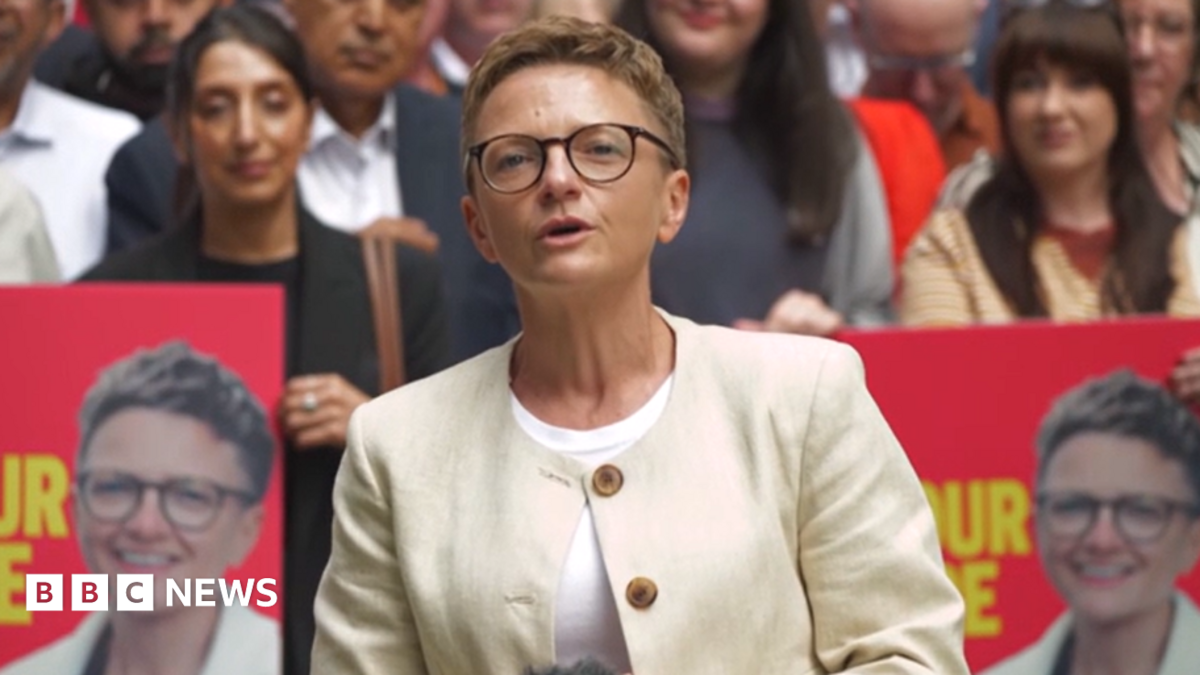
Despite these reservations, Bev Craig expressed unbridled enthusiasm for the challenges ahead, declaring herself "excited" and resolute in her ambition. She emphasised her determination to push beyond current achievements, stating she would not "stop at the levels of growth that we have achieved." Her vision extends beyond mere economic metrics; she articulated a deeply personal aspiration to ensure that "every kid" in Greater Manchester feels empowered to succeed, regardless of their background or circumstances. This holistic approach to regional development suggests a focus on social mobility, educational attainment, and creating a supportive environment where young people can thrive and realise their full potential.
The concept of "Manchesterism," as articulated by the Prime Minister, goes beyond mere administrative decentralisation. It embodies a philosophy of self-determination and local agency. The PM defined it as being about "devolution" and "taking control of things that affect people’s daily lives, such as housing, building more homes that people can truly afford and the buses." This definition highlights the practical, everyday impact of devolved powers, promising tangible improvements in critical areas that directly affect residents’ quality of life. The emphasis on housing affordability and public transport – two perennial challenges in urban areas – resonates deeply with the experiences of many Greater Manchester residents.
The Prime Minister’s call for unity within the region was clear: "We want everyone in Greater Manchester facing the same way, pulling in the same way." This statement suggests a desire for greater internal cohesion, encouraging collaboration among the region’s ten boroughs and various stakeholders to work towards common goals. It implies a departure from fragmented approaches, advocating instead for a collective effort to maximise the benefits of devolution. This "different way of doing things," as the PM put it, aims to foster innovation, local problem-solving, and a stronger sense of collective regional identity, distinct from the directives of central government.
Andy Burnham, the former mayor and now MP for Makerfield, offered a powerful endorsement of his successor, urging Craig to "go further and do more." In a moment of high praise, he playfully dubbed her the "queen of the north," a moniker that speaks to her perceived strength and leadership potential within the region. Burnham’s confidence in Craig was palpable as he declared, "You are the right person to lead this great city region forward into its best decade ever, because that is what the next decade is going to be." This handover of the mayoral baton from one Labour heavyweight to another signals a continuity of purpose and a shared commitment to Greater Manchester’s prosperity and empowerment.
The by-election saw a modest turnout, with just under 25% of the more than two million eligible voters across Greater Manchester’s 10 boroughs casting their ballots. While lower than some might hope, it is not uncommon for by-elections to attract fewer voters than general elections. Following her defeat, Reform’s Sian Astley reflected on her campaign, stating, "I’m really proud of our campaign, of getting out there, working with all the branches and councillors to try and get people motivated to get out and vote." She also issued a clear challenge to the new mayor, adding, "we’ll be watching to see if all those pledges made during the campaign are delivered," setting a benchmark for accountability.
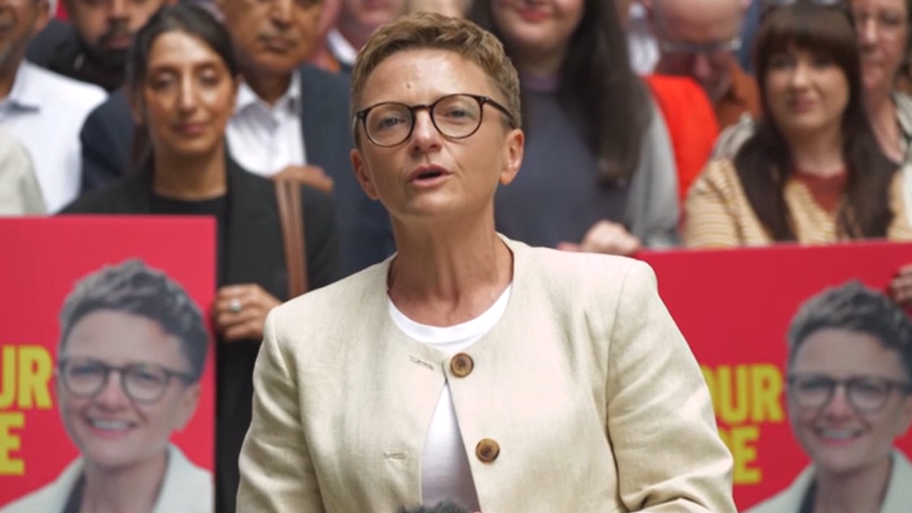
Bev Craig’s personal journey provides a compelling backdrop to her political ascent. Growing up on a council estate in Belfast, she moved to Manchester in 2003 at the age of 18 to pursue higher education, studying politics and modern history at the University of Manchester. Her formative experiences instilled in her a deep understanding of social inequality and the importance of community, which she now brings to her leadership role. Before becoming mayor, Craig had already established a formidable political career, serving as the leader of Manchester City Council from 2021, where she championed social housing, environmental sustainability, and economic inclusivity. Her trajectory from a Belfast council estate to the highest political office in Greater Manchester serves as an inspiration and underscores her deep connection to the values of public service and social justice.
Upon being announced as Labour’s candidate to succeed the Westminster-bound Burnham, Craig confidently asserted her readiness to "deliver the next chapter for the region." Her campaign was built on a series of ambitious and locally-focused pledges designed to improve the daily lives of Greater Manchester residents. A key commitment is the freezing of Metrolink and bus fares on the Bee Network, the region’s integrated public transport system. This measure aims to alleviate the cost-of-living burden on commuters and encourage greater use of sustainable transport. Furthermore, she has promised to extend free bus travel to 11 to 18-year-olds, building on the existing scheme that currently only benefits 16 to 18-year-olds. This expansion is designed to enhance accessibility to education, job opportunities, and social activities for younger residents, fostering greater independence and reducing financial barriers for families.
Addressing the pressing housing crisis, Craig has committed to delivering 50,000 new homes over the next 15 years, with a crucial emphasis on a mix of council properties and genuinely affordable housing. This pledge signifies a strategic effort to tackle housing shortages and ensure that homes are accessible to people across all income brackets, moving away from purely market-driven development. In a bid to revitalise local economies and foster community spirit, she also plans to launch a new £20m high street scheme. This initiative promises to support small businesses, breathe new life into empty retail units, and invest in comprehensive town-centre regeneration projects, aiming to create vibrant, thriving hubs across the region’s boroughs.
These pledges, combined with the Prime Minister’s offer of new devolved powers and a share of income tax revenue, present a unique opportunity for Greater Manchester. Bev Craig’s leadership marks a pivotal moment, poised to leverage increased local autonomy to deliver on her ambitious agenda. The success of her tenure will not only shape the future of Greater Manchester but also serve as a crucial test case for the broader devolution agenda across England, demonstrating the transformative potential of empowering regions to chart their own course.


 George Anjay
 Nakalama John
 atisusanti
 Roy Suryo
 Nana Banana