
 Nana Banana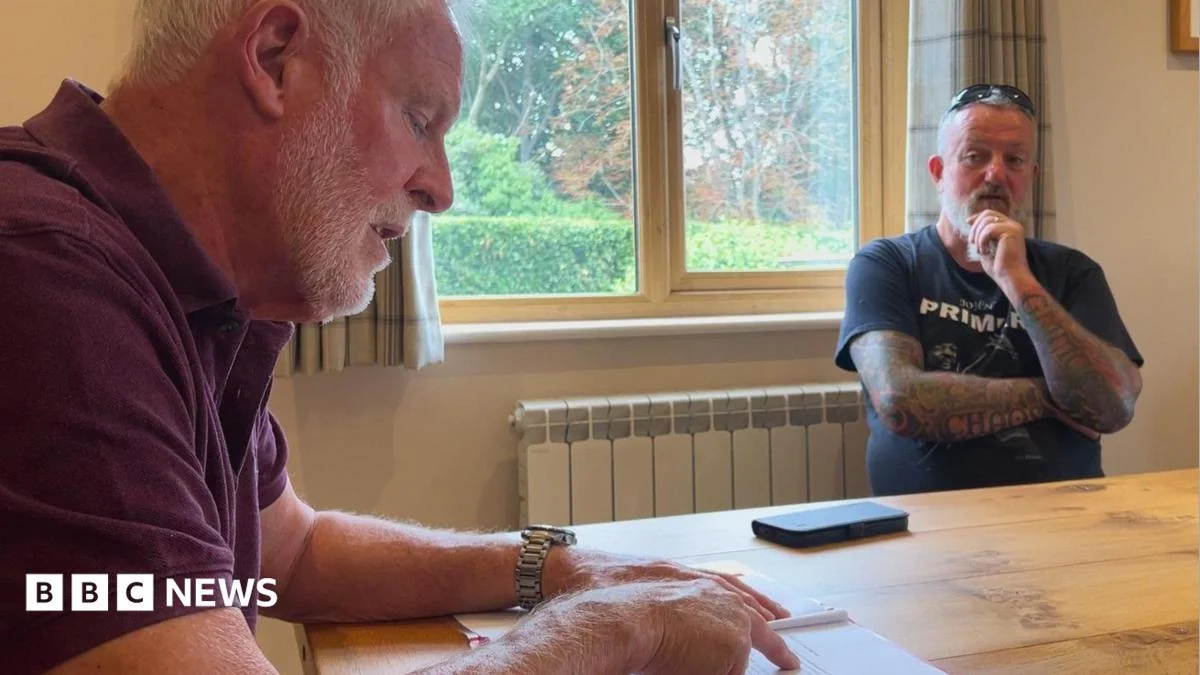
Chadwick’s initial complaint stemmed from a fundamental lack of readily available information, a common pitfall in public planning processes. He explained that his unease was triggered by the "little detail" accessible online about the application for a substantial solar array. "It just said 72 panels," Chadwick recalled, articulating the apprehension that can arise from a perceived large-scale development without adequate context. His immediate reaction was one of alarm, fearing that such a number of panels would inevitably "cover all of the area," implying a significant and potentially detrimental impact on local green space, visual amenity, and the natural environment.
Adding to his frustration was the timing of his discovery. Chadwick became aware of the planning application "right at the end of its period of notification," a narrow window during which the public can review and comment on proposed developments. By the time he accessed the States’ planning website, crucial supplementary data and detailed explanations that might have assuaged his initial concerns were no longer readily available or had not been comprehensively uploaded. This created a vacuum of information, allowing his imagination to fill in the blanks with worst-case scenarios, a natural human response when faced with ambiguity regarding changes to one’s local environment. The absence of specific schematics, visual impact assessments, or detailed environmental considerations meant that the raw number of 72 panels loomed large, conjuring images of an industrial-scale intervention rather than an integrated, sustainable solution.
However, this initial skepticism proved to be a catalyst for engagement rather than outright rejection. Chadwick took the initiative to learn more, seeking out the details that had been missing from his initial online search. This proactive approach led him to a deeper understanding of the project, spearheaded by Mr. Shephard. What Chadwick discovered was a testament to the applicant’s commitment to responsible development. He noted that Shephard "has put a lot of thought into making this work as best as possible." This realization marked a pivotal shift in Chadwick’s perspective. The key to this transformation lay in the detailed answers Shephard provided to Chadwick’s initial questions, addressing specific concerns about the project’s scale, environmental impact, and integration into the landscape.
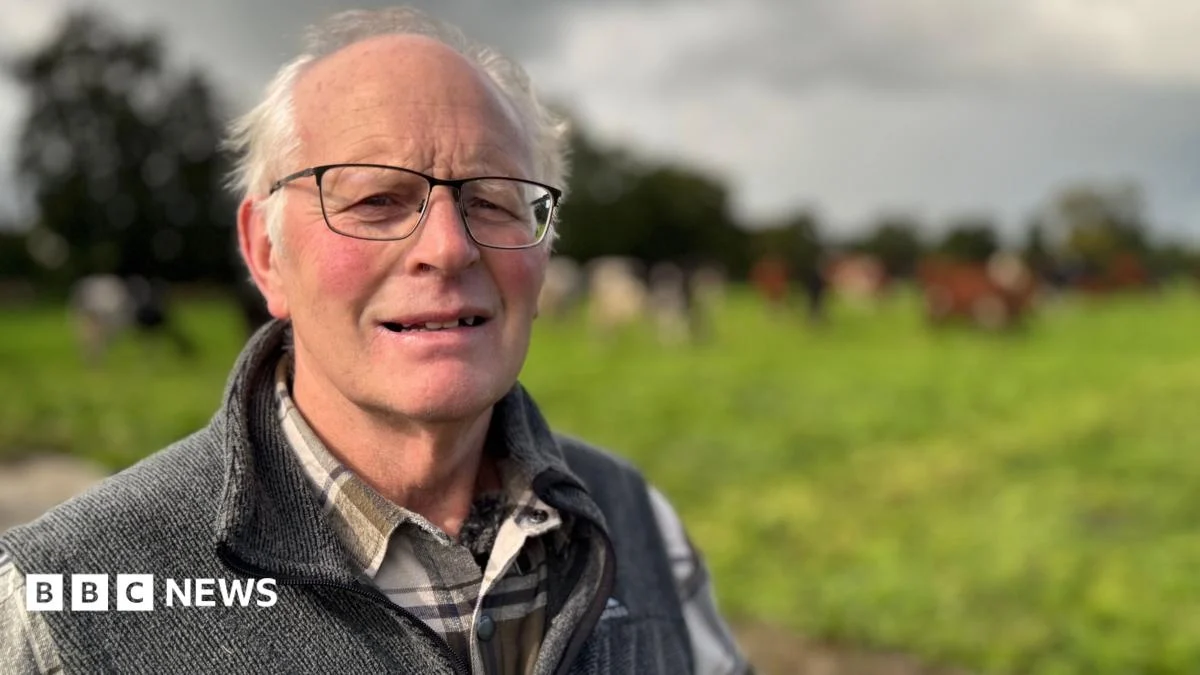
Among the most persuasive aspects of Shephard’s design was the innovative approach to mounting the solar panels. Chadwick highlighted that "the panels are being stood up off the ground." This particular detail was crucial, as it demonstrated a clear consideration for the local ecosystem and the broader environment. Unlike conventional ground-mounted solar arrays that can cover vast expanses of land, potentially displacing flora and fauna, this elevated design ensures that "grass and wildlife has access to the sun." This means that the existing ground vegetation can continue to thrive beneath the panels, maintaining biodiversity and ecological pathways. Small mammals, insects, and ground-dwelling birds can continue to move freely, and the natural drainage patterns of the land remain largely undisturbed. Furthermore, allowing grass to grow beneath the panels can help regulate ground temperature, reduce soil erosion, and even enhance the efficiency of the panels by mitigating heat island effects. This thoughtful design choice transforms the solar installation from a potentially disruptive industrial structure into a symbiotic element within the natural landscape, a concept known as "agrivoltaics" or "eco-solar," where energy generation coexists with ecological preservation.
Chadwick’s newfound support is not merely passive acceptance; it is an endorsement born of conviction. He praised Shephard for having "considered all of the things that I asked questions about." This speaks volumes about the value of genuine public engagement and the willingness of a developer to listen and adapt. It illustrates that many initial public objections to renewable energy projects are not ideological opposition to green technology itself, but rather legitimate concerns about local impact, which can often be mitigated through thoughtful design and transparent communication.
Beyond the environmental considerations, Chadwick was also deeply moved by what he perceived as the applicant’s underlying motivation. He observed that Shephard "probably won’t see financial return from it his lifetime, so it’s not a commercial decision: it’s an altruistic decision to actually do the right thing." This insight adds another layer of depth to the project and its proponent. In a world often driven by profit motives, Shephard’s decision to invest in a solar array, knowing that the economic payback might extend beyond his own lifespan, resonates as a profound act of environmental stewardship. "Doing the right thing" in this context encompasses contributing to Guernsey’s energy independence, reducing the island’s carbon footprint, and setting a precedent for sustainable development for future generations. It underscores a commitment to the long-term health of the planet and the local community over immediate personal gain, a powerful message that undoubtedly contributed to Chadwick’s transformation from complainer to supporter.
Guernsey, like many small island states, faces unique challenges and opportunities in its pursuit of renewable energy. Dependent on an undersea cable for much of its electricity supply from France, the island is keen to enhance its energy security and reduce its reliance on imported power, which is often generated from fossil fuels. Solar power, despite the island’s northerly latitude, presents a viable option, particularly for distributed generation. However, land availability is a premium in Guernsey, making thoughtful, space-efficient, and ecologically sensitive designs like Shephard’s all the more critical. The island’s planning authorities, as evidenced by the site assessment currently underway, play a crucial role in balancing development needs with the preservation of Guernsey’s unique natural beauty and heritage. The States’ planning website, which tracks the application (PKID=212429), serves as the official record for such public assessments.
This story serves as a microcosm of the broader global challenge of transitioning to sustainable energy. Public acceptance, often the most significant hurdle for renewable energy projects, can be cultivated through proactive engagement, clear communication, and a demonstrable commitment to local environmental and community values. Chadwick’s journey from skepticism to advocacy highlights the profound impact of addressing concerns head-on and designing projects that not only generate clean energy but also integrate harmoniously with their surroundings. It suggests that when developers genuinely consider the questions and concerns of the community, and are willing to innovate in design and demonstrate altruistic intent, initial opposition can indeed be transformed into enthusiastic support, paving the way for a more sustainable future for Guernsey and beyond. The successful navigation of this planning process, with a former objector now firmly in its corner, bodes well for the project’s future and offers a valuable blueprint for similar initiatives aiming to harness the power of the sun while respecting the sanctity of the land.


 Ramos Leo
 Nakalama John
 Roy Suryo
 atisusanti
 George Anjay