
 Roy Suryo
British holidaymakers are finding themselves in a desperate situation, stranded in far-flung destinations as escalating tensions between the US and Iran have led to widespread airspace closures and flight cancellations. The unfolding conflict, marked by missile strikes across the Middle East, has grounded commercial air traffic through major hub airports, leaving travellers facing mounting bills for accommodation, food, and essential supplies, with little certainty of reimbursement from their travel insurance. The lack of a standard definition for what travel insurance providers must cover in such "acts of God" scenarios means that claims for these unforeseen expenses are entirely dependent on the specific wording of each policy. Furthermore, compensation for travel disruptions is typically only payable when an airline is demonstrably at fault, a condition not met when travel difficulties stem from international conflict.
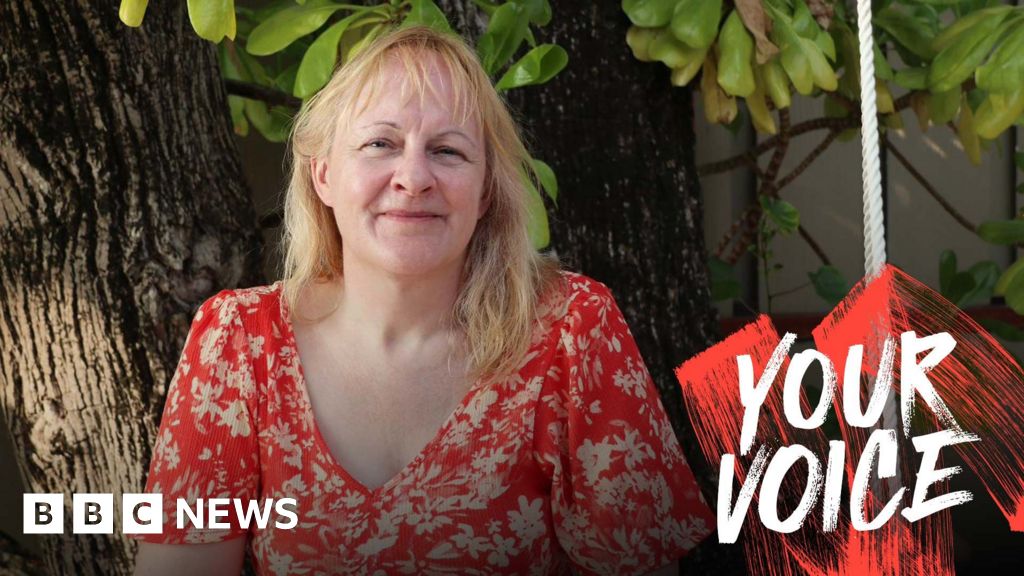
Andrea Pendrey, who was on a much-needed holiday in the Maldives with her partner, faces the devastating reality of missing crucial chemotherapy treatment for breast cancer due to her unexpected stranding. The couple was scheduled to fly back to the UK on Sunday, March 1st, mere hours after the war broke out. Upon arriving at the airport, they were met with the grim news of their flight cancellation. "Emirates just told us we need to find a room, at our own cost, and the airport was filling up with more and more people," Andrea recounted, the distress evident in her voice. They eventually secured accommodation at a resort, but the financial toll has been immense. "We reckon we’ll have forked out an extra £12,000 by the time we leave," Andrea stated, her voice heavy with worry. Compounding their stress, Andrea’s partner had recently lost his job before the holiday, forcing them to place the exorbitant hotel bill on a credit card. The immediate concern for Andrea is her health; her cancer treatment was due to commence the previous Thursday in the UK. "I’m trying not to think about it too much. I need to get home for my chemo. It’s not helping being here," she admitted, the idyllic surroundings of the Maldives now a source of profound anxiety. The couple spent hours each day for nearly a week attempting to rebook flights, but to no avail. Fortunately, Andrea’s insurance company eventually classified her situation as a medical emergency, and they are now due to fly back to the UK via Frankfurt on Monday. Despite the eventual resolution, the emotional toll has been significant: "Even though this place is paradise, we’ve been crying and feel really upset."
Similarly, 26-year-old Ashley Jones and his 25-year-old partner, Trang Nguyen, found their two-week holiday in Ko Samui and Bangkok, Thailand, marred by the unfolding geopolitical crisis. Ashley described how the outbreak of war "ruined" the latter half of their trip, plunging them into panic about their return journey and the dwindling of their funds. The couple, from Crawley, West Sussex, were set to fly back to the UK on Sunday, but their flight was unceremoniously cancelled. Ashley found himself with no other option but to accept a rescheduled flight offered by British Airways, which he was informed was the only available option until March 28th, as all other flights were "fully booked." They are now scheduled to depart in the early hours of Friday, but Ashley remains apprehensive about the flight’s certainty. "It feels dodgy," he confessed, expressing deep unease about their planned route via Muscat, Oman. "I don’t want to go via Muscat and have a two-hour layover – it’s a war zone," he stated, highlighting that the UK Foreign Office advises against travel to Oman. Ashley’s attempts to seek assistance from his travel insurance company, airline, and travel agent proved fruitless, with each entity seemingly "passing the buck." The couple was left in a precarious situation, effectively "homeless," until Ashley’s family provided emergency funds. The extended and uncertain travel plans have also caused considerable worry for both their families, who are understandably concerned about their loved ones’ potential transit through the Middle East.

Retirees Debbie and Ardon Rainbird, from Northallerton, North Yorkshire, also found their extended holiday in Sri Lanka disrupted by the conflict. They had departed Manchester on February 17th for what was planned as a two-week tour. Their return flight, scheduled for Tuesday, March 3rd, through the Qatari capital, Doha, was cancelled following the outbreak of hostilities. "Ultimately, we’ve been away for a month when we were supposed to be away for two weeks," Debbie, 63, explained. They are currently residing in a basic hotel, with dinner, bed, and breakfast costing $160 per night. The group of approximately 20 fellow tour members are resorting to handwashing their clothes. "Few of us can find out if we are covered on insurance and only receive auto replies to any questions. We all miss our loved ones and wish to return home," Debbie expressed. The stressful situation has been exacerbated by personal health concerns. Debbie contracted a respiratory tract infection and has incurred medical expenses, while other elderly members of their group have had to purchase medication to replenish their dwindling supplies. Despite the challenging circumstances, Debbie noted a sense of camaraderie within the group, with individuals organizing quizzes and leading daily Tai Chi sessions to maintain morale. Thankfully, their tour operator, Distant Journeys, has now secured a charter flight scheduled to depart on Sunday night. However, Debbie remains cautiously optimistic, stating, "The flight hasn’t been confirmed and we don’t know the time but we are keeping everything crossed." The experiences of Andrea, Ashley, Trang, Debbie, and Ardon underscore the profound personal and financial impact of geopolitical events on ordinary travellers, highlighting the vulnerability of those caught in the crossfire of international conflict and the complexities of travel insurance in such unprecedented situations.




 Nakalama John
 atisusanti
 Ramos Leo
