
 Roy Suryo
A celebratory mood quickly turned to devastating reality for Lauren Macpherson, a 29-year-old from Cardiff, whose terminal brain cancer diagnosis was inadvertently revealed after a heavy suitcase fell on her head during a train journey home. The incident, which occurred after a joyous August bank holiday weekend in London celebrating her recent promotion and the purchase of her first home with boyfriend Zak, marked the beginning of a profound and life-altering journey. Lauren, who has been given an estimated life expectancy of 10 to 12 years, described the moment of discovery as akin to "the floor just dropping from beneath you," leaving her reeling and questioning her future, including whether she would live to see her 40th birthday.
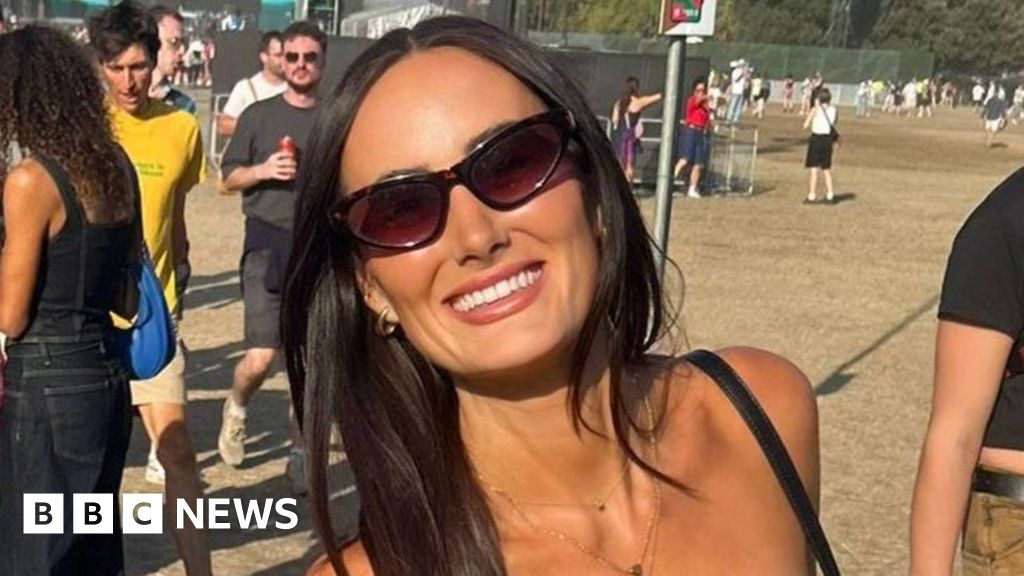
The seemingly minor accident, involving a 35lb (16kg) suitcase tumbling from overhead storage, initially led to concerns about a potential spinal injury due to significant swelling on Lauren’s head. However, a CT scan conducted at Swindon, where she received immediate medical attention, revealed a more sinister shadow on her brain. "I knew straight away," Lauren confessed, an instinctual understanding confirming her pre-existing, yet undiagnosed, health concerns. This intuition was fueled by a year of struggling with symptoms of emotional dysregulation and extreme fatigue, which had previously been attributed to hormonal imbalances or undiagnosed ADHD. She had visited her GP three times, experiencing gut issues and blackouts, leading her to reduce her work hours as a cardiographer to manage her studies for a Master’s degree. Despite these persistent symptoms, Lauren admits to a degree of naivety, initially not fearing the worst, believing any detected issue would be treatable.
The subsequent MRI scan in Cardiff confirmed the presence of a brain tumour, a revelation Lauren described as almost a relief, finally providing an explanation for her debilitating symptoms. The diagnosis, however, was only the beginning of a challenging diagnostic process. A follow-up appointment with her consultant a month later unveiled the full gravity of her situation. Doctors suspected glioblastoma, a fast-growing and aggressive brain tumour, with a potential prognosis of just two years if it proved highly malignant. The stark reality of this prognosis, delivered over flat whites with her boyfriend, was a profound shock.
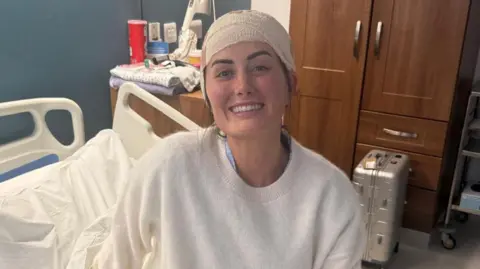
The wait for surgery on the NHS was a daunting four months, a period Lauren found unbearable given the aggressive nature of her suspected diagnosis. Opting for a faster route, she utilized her boyfriend Zak’s private healthcare cover, which expedited the surgery to within three weeks. This decision was driven by an overwhelming desire to remove the perceived disease from her body. Lauren recounted her emotional state during this period as a detached survival instinct, devoid of overt happiness, sadness, or hope. While she remained stoic, her partner Zak and their families were understandably devastated by the news.
Brain surgery at the end of October successfully removed approximately 80% of the tumour. A subsequent biopsy confirmed a grade two oligodendroglioma, a rare and aggressive, yet incurable, brain tumour, but importantly, it was identified in its earlier stages. The surgery, however, had a significant impact on Lauren’s cognitive functions, particularly her ability to speak, as the tumour was located in the speech vortex of her brain. She experienced weeks of muteness and a notable decline in cognitive function, alongside post-operative sickness and vertigo. The initial recovery period was far more arduous than she had anticipated, with Lauren expressing a strong desire to simply "start feeling OK."

To cope with her new reality and connect with others facing similar battles, Lauren established an Instagram page to raise awareness and document her journey. It was through this online community that she discovered Vorasidenib, a less aggressive treatment option suitable for patients who do not require immediate chemotherapy or radiotherapy post-surgery. While Vorasidenib is approved for use on the NHS in Scotland, its availability is restricted in Wales, England, and Northern Ireland, prompting Lauren to become an advocate for its wider accessibility.
The Welsh government stated that its decisions on routinely available treatments are guided by NICE’s independent advice, aiming to balance cost with patient benefit. A statement indicated that while the drug shows promise in slowing cancer progression, definitive evidence of extending life expectancy is lacking. NICE had provisionally recommended against its availability on the NHS, with final guidance anticipated later this year.

Lauren continues to undergo scans every three months to monitor her tumour’s growth. Before commencing treatment with Vorasidenib, which she is currently accessing through a private provider, she is undergoing fertility treatment. Despite the immense challenges, Lauren remains optimistic about the future, particularly with the rapid advancements in medical science and artificial intelligence. She acknowledges the emotional toll the diagnosis has taken, especially on her family, expressing empathy for their pain and the constant worry they experience. The phrase "I wish it was me not you" became a poignant expression of their love and concern. Lauren’s journey underscores the profound impact of unexpected diagnoses and the ongoing fight for equitable access to life-extending treatments.




 Nakalama John
 atisusanti
 Ramos Leo
