
 Nakalama John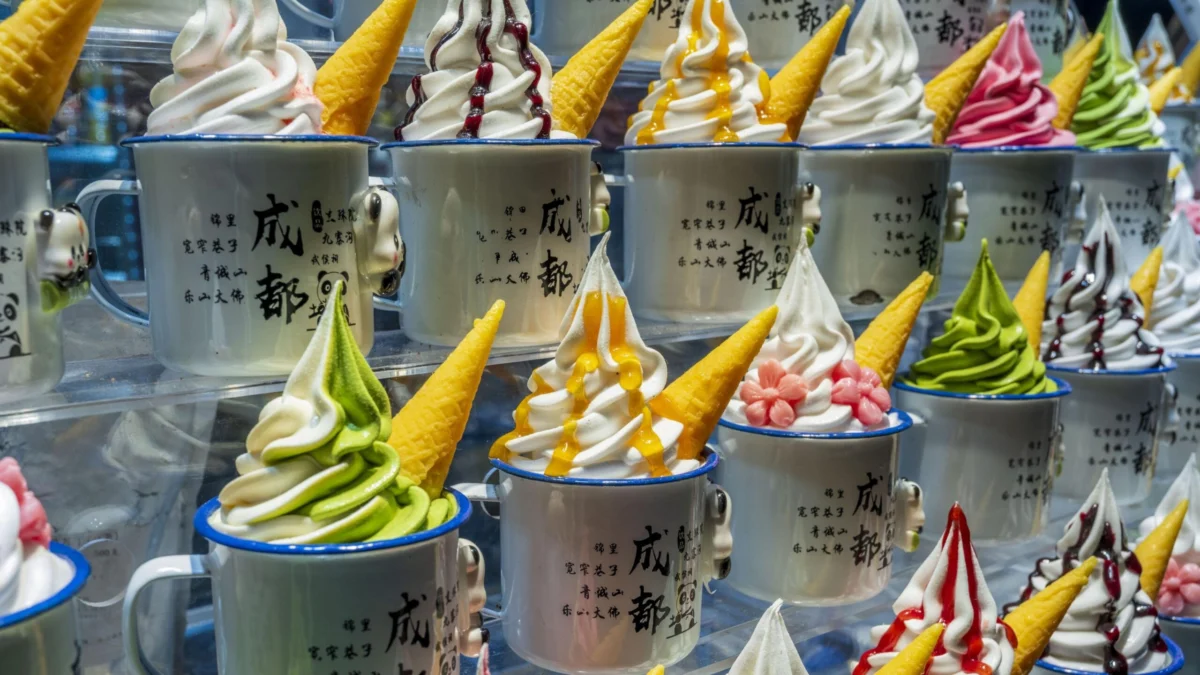
One striking example of experimental innovation observed at the centre is a pale yellow, glow-in-the-dark ice lolly. This avant-garde creation, initially launched in the vibrant clubbing capital of Ibiza, targets a specific demographic of clubbers and festival-goers. Its luminescent quality comes from vitamin B2, an ingredient that naturally glows under UV club lights, transforming a simple dessert into an interactive, experience-driven product. While such a luminescent novelty might appear to be a mere gimmick, it underscores a fundamental truth in the ice cream industry: innovation is not just desirable, it’s absolutely crucial for market leaders to maintain their competitive edge.
The ice cream business is anything but frivolous. It’s a fiercely competitive arena, with formidable giants like Froneri, the owner of Häagen-Dazs, and Baskin-Robbins, the world’s largest chain of ice cream specialty shops, vying for consumer attention. Beyond these multinational corporations, a burgeoning ecosystem of smaller, agile artisan ice cream makers constantly emerges, introducing bespoke flavours and localized experiences that challenge the status quo. All these players operate within a notoriously unpredictable market, characterized by significant fluctuations in commodity prices, energy costs, and geopolitical instability. Standing still is simply not an option.
Georgia Rose, a principal analyst at global market research company Kantar Retail IQ, highlights the persistent turbulence. "We’ve had five years of price volatility impacted by war in Ukraine, Covid, the cost of living crisis. We’ve now got the Strait of Hormuz. We’ve just been in this constant state of instability when it comes to pricing," she explains. These macro-economic and geopolitical shifts send ripples throughout the entire ice cream production chain. Manufacturers face escalated prices for core dairy ingredients like milk, cream, and eggs, which form the essential base of most ice creams. Furthermore, the costs of crucial flavourings such as vanilla, chocolate, sugar, and various fruits are subject to similar unpredictability. An often-overlooked but significant expense is the "cold-chain energy costs and storage," which includes everything from maintaining freezer temperatures in factories to powering millions of retail fridges worldwide.
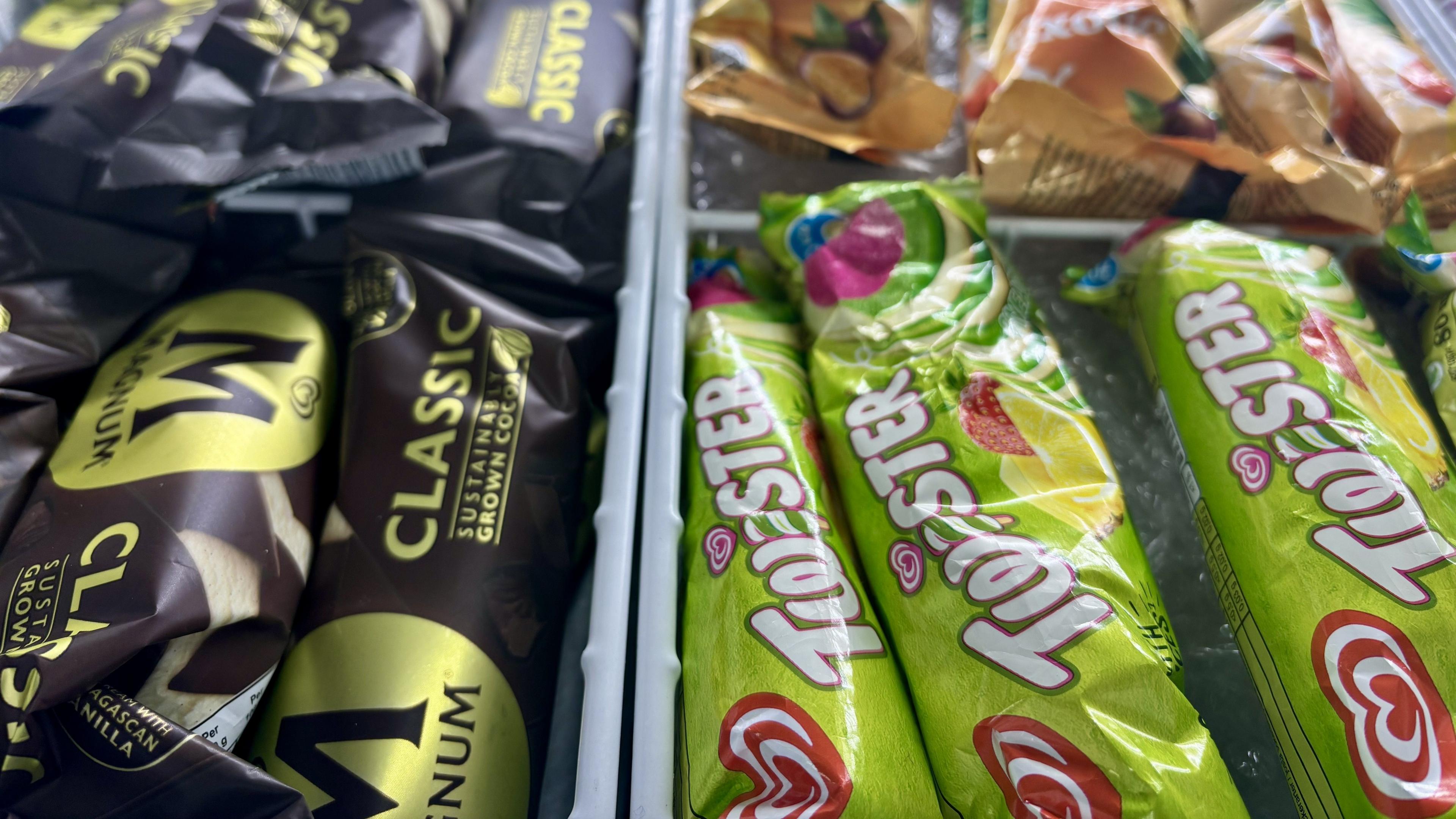
The Magnum Ice Cream Company, which was strategically spun off from its parent firm Unilever last year, is uniquely positioned to address these challenges. With a market capitalization of approximately £8bn, owning iconic brands like Cornetto, Twister, Solero, and Magnum itself, it commands substantial resources for innovation. One critical area of relentless development is refrigeration technology. Globally, Magnum owns an astonishing three million fridges, which, while designed and built by third parties, are central to its operational efficiency. Many of these modern fridges are now equipped with advanced cameras that continuously capture images, uploading them to sophisticated data centres for analysis.
Through the power of Artificial Intelligence (AI), these images are processed to identify each product within the fridge. Crucially, the AI is also trained in depth-recognition, enabling it to accurately estimate how many units of a particular ice cream have been sold and, more importantly, when a fridge requires restocking. This intelligent inventory management system leads to several significant advantages: less empty space on shelves, ensuring product availability; more targeted and efficient supply chains, reducing waste; and ultimately, a better customer experience. Beyond smart inventory, the fridges themselves have undergone substantial energy efficiency improvements. Zbigniew Lewicki, Magnum’s chief research, design & innovation officer, underscores the indispensable nature of these advancements. "If you look at the freezers we had in 2010, the ones we have now are 40% more efficient," he states, emphasizing that such innovations are not mere luxuries but fundamental to the business’s long-term resilience and profitability. While he acknowledges that absorbing every market shock might be impossible, these technological strides provide a vital buffer against the relentless pressures of rising costs.
While unseen fridge technology plays a crucial role, new products on the shelf are what truly capture the average consumer’s imagination. In this realm of product innovation, a significant shift in focus is occurring, with much attention turning towards Asia. Lewicki observes, "The inspiration and trends come from the East. There’s an incredible intensity of innovation in places like Japan, Korea and China and the markets are growing and expanding in a phenomenal way." This vibrant landscape translates into exciting new offerings globally. For instance, Magnum’s "Volcanics" range, launched in the UK and Europe, is a direct result of inspirations gleaned from Lewicki’s immersive trips to Asian markets. He describes the product as "four dimensional," featuring a rich chocolate shell embedded with biscuit pieces, layers of chocolate and vanilla ice cream, and a molten caramel lava centre that delivers a complex sensory experience.
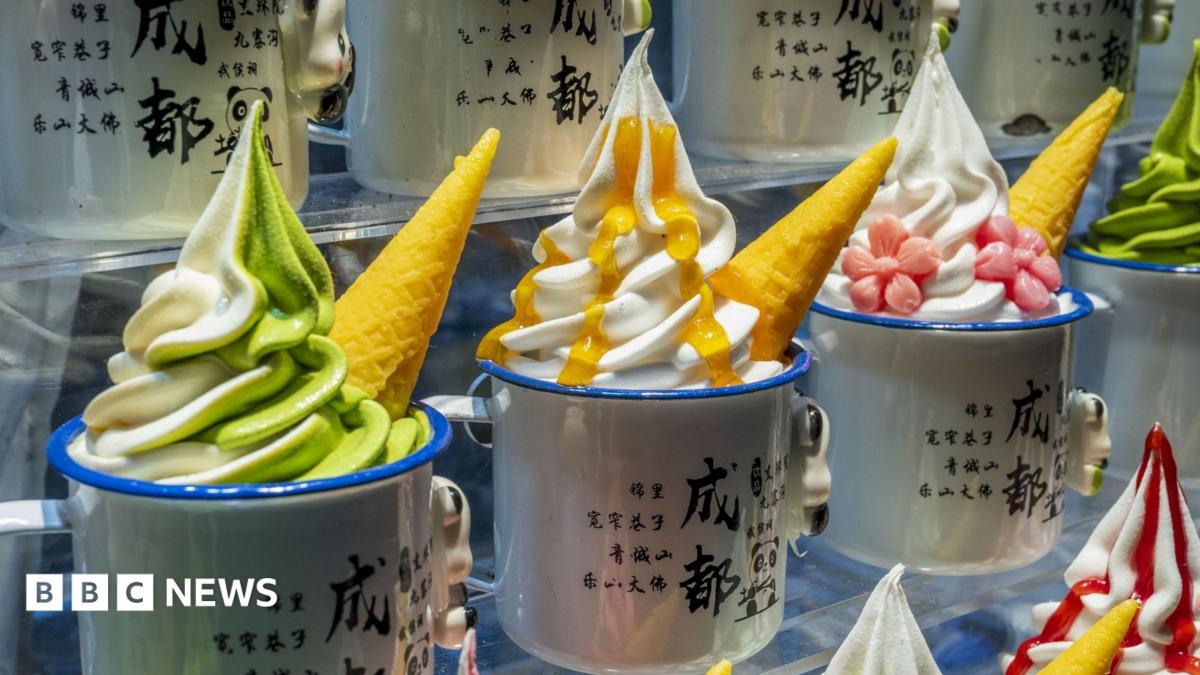
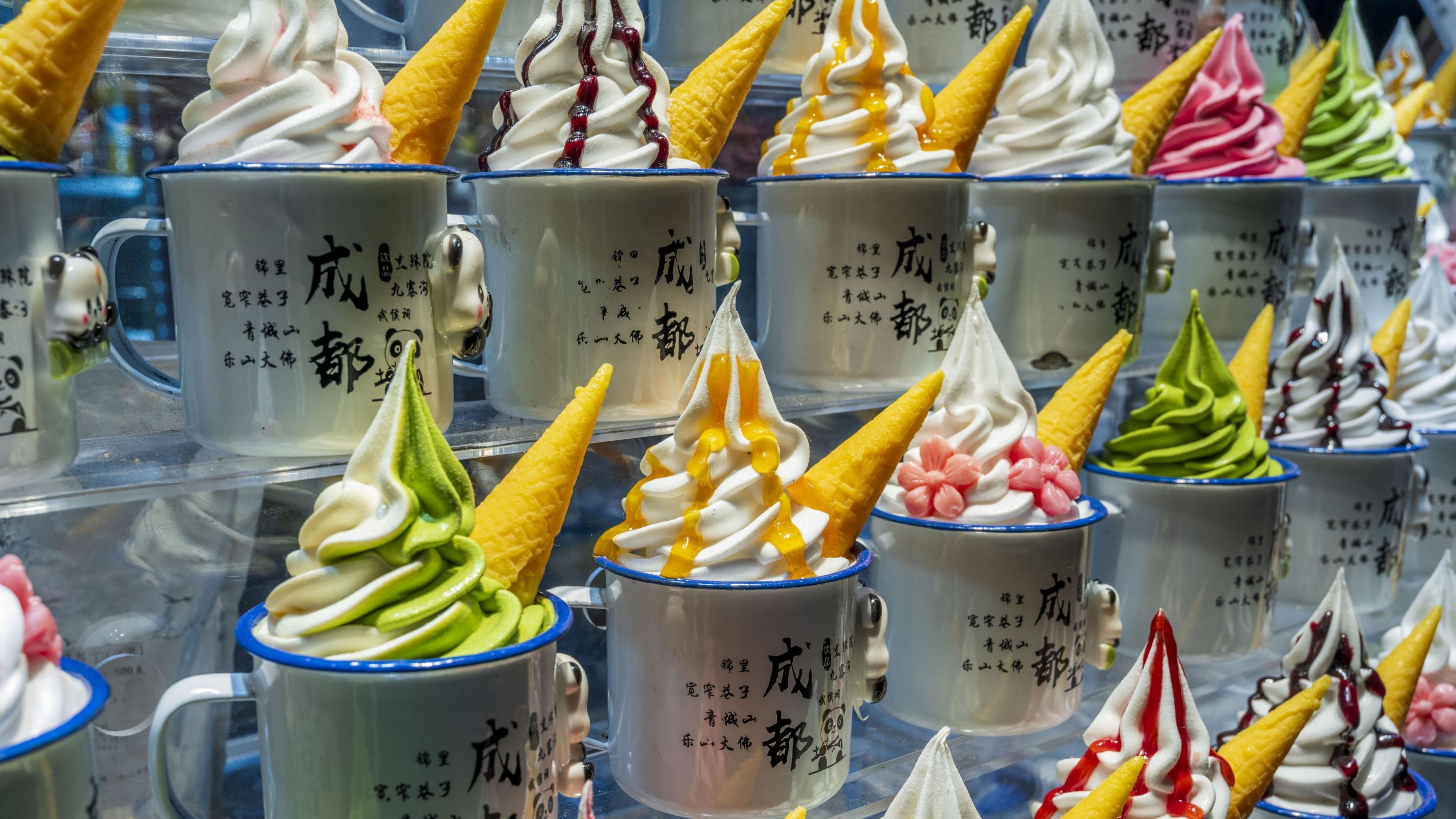
Neil Yan, a Shanghai-based researcher specializing in market trends for consumer and sensory specialists MMR, corroborates the pivotal role of Asia in driving ice cream innovation. She explains that in China, ice cream has transcended its traditional status as a niche, seasonal, or Instagram-worthy treat. "It’s a new centre of gravity, representing a part of Chinese people’s lifestyle," Yan asserts. This profound cultural integration fuels an unprecedented level of experimentation across the entire market, influencing flavours, formats, and presentations. The industry is witnessing an era where "everyone is experimenting with the flavours and the format, and blending it with what China, or the border term, Asian nationality, represents," she adds.
This spirit of boundless experimentation leads to truly unconventional and daring flavour combinations. Yan paints a vivid picture: "We have ham, pickled garlic, tahini, and stinky tofu and liquor. Just below my office is a shop whose speciality is vodka, foie gras and apple in one scoop." These seemingly bizarre pairings are not random; they stem from a desire to break free from the flavour profiles that have dominated Western markets for decades. The enthusiasm for such radical experimentation is "basically the ability to think beyond just the flavours that have been offered by the Western market for the past two or three decades," reflecting a broader cultural confidence and culinary adventurousness.
Beyond exotic flavours, innovation in ice cream also extends to its functional benefits, according to Honorata Jarocka, associate director at market intelligence company Mintel. She notes a significant surge in the popularity of products with added health angles. Protein, a macronutrient that has successfully permeated categories like cereal bars and milkshakes in recent years, is now making its mark in ice cream. The appeal of protein-packed ice cream goes beyond muscle building; it’s increasingly linked to satiety. In the wake of the "GLP1 user movement," referring to individuals using weight loss drugs like Ozempic and Mounjaro that promote fullness, consumers are actively seeking products that offer greater satiety. Protein, with its well-known ability to provide a sustained feeling of fullness, becomes a highly attractive ingredient, and ice cream offers an excellent vehicle for its incorporation.
However, these enhanced benefits often come with a higher price tag. For example, David bars, produced by the US company David Protein, boast a substantial 20g of protein per bar but retail at $39.99 (£30) for a 12-pack – more than double the price of Magnum’s Yasso frozen yoghurt bars. Despite the premium pricing, these products have found a receptive audience. Jarocka explains this trend by noting that consumers are increasingly prioritizing "high quality, smaller portions, and are able to maybe pay a bit more for products with extra benefits because they are spending less on grocery items overall." This suggests a conscious shift towards mindful consumption, where consumers are willing to invest in products that align with their health goals, even if it means a higher unit cost.
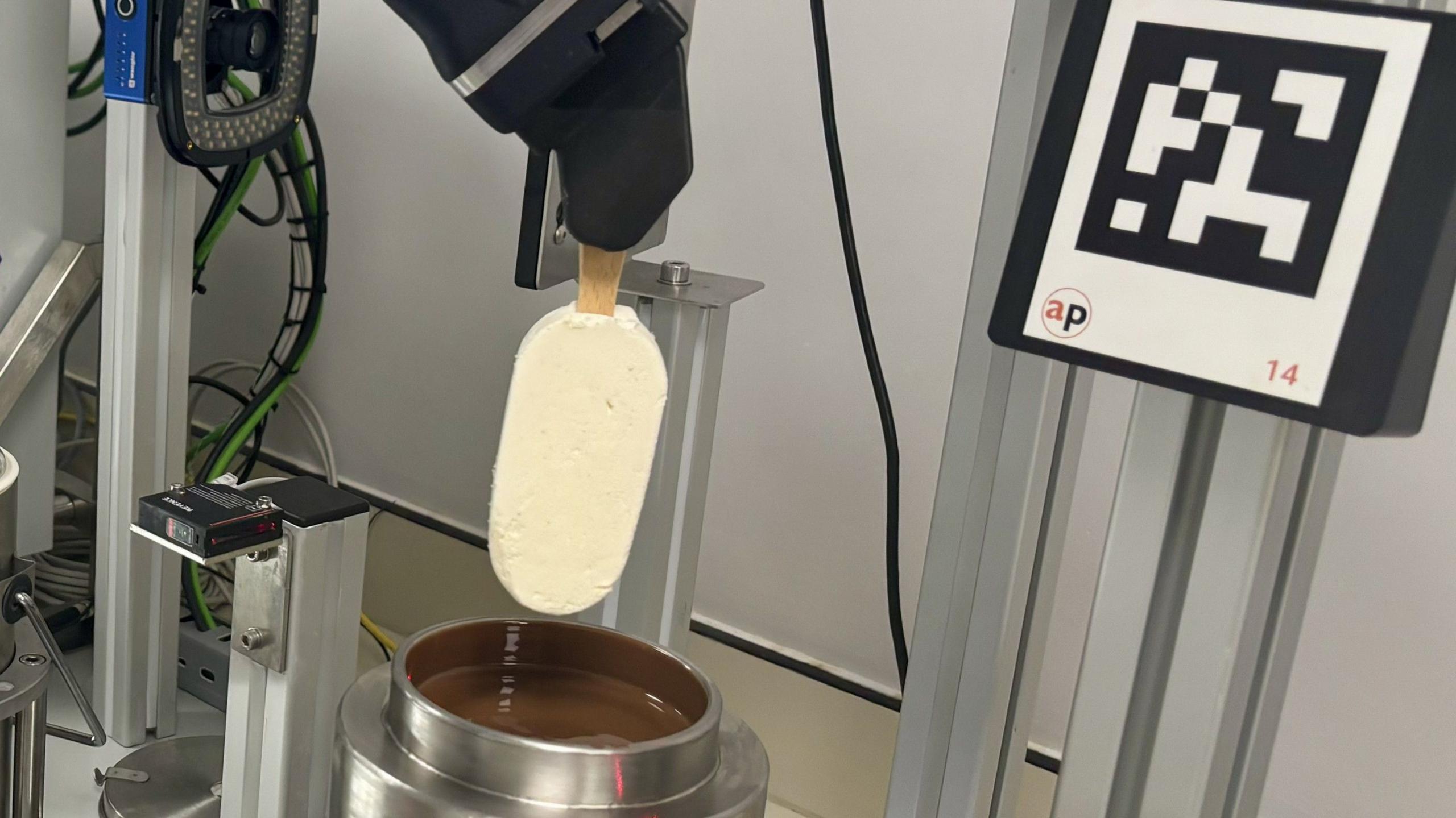
Back at Magnum’s R&D centre in Bedford, the quest for perfection continues, even for core products. Here, researchers employ cutting-edge technology, including robotic assistance, to meticulously refine the iconic Magnum bar. The ultimate goal is to achieve the perfect viscosity of chocolate, which is critical for delivering that signature, satisfying crunch when a consumer bites into a Magnum. A robot named Eric plays a pivotal role in this endeavour. Unlike human testers, Eric can collect precise data on ice cream characteristics 24 hours a day, performing consistent, repetitive tests that would be impossible for a human. This automation ensures an unparalleled level of precision in quality control and accelerates the development cycle, allowing Magnum to continuously optimize its recipes and production processes.
From glow-in-the-dark novelties and AI-powered fridges to adventurous flavours and health-conscious formulations, the ice cream industry demonstrates a dynamic landscape of innovation. Big firms leverage their significant resources in R&D and market intelligence to navigate economic volatility, adapt to evolving consumer preferences, and stay ahead in a fiercely competitive global market. The blend of technological prowess, cultural insights, and a relentless pursuit of both novelty and quality ensures that ice cream remains not just a beloved treat, but a testament to sophisticated industrial innovation.




 atisusanti
 Nana Banana
 George Anjay

 Ramos Leo