Roy Suryo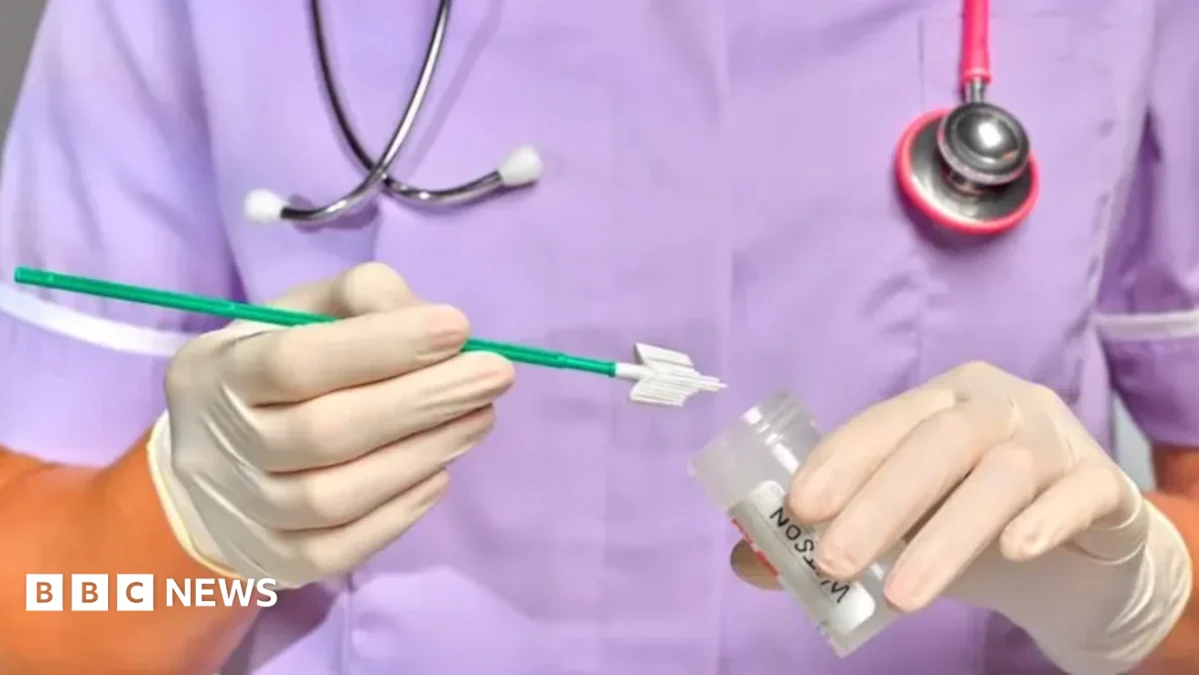
Women in Wolverhampton who have not attended their routine cervical screening appointments are to be offered a groundbreaking new option: at-home testing for the human papillomavirus (HPV). This significant initiative, spearheaded by the NHS, aims to dramatically increase screening uptake across the city and, consequently, reduce the incidence and mortality associated with cervical cancer. The rollout is a direct response to concerning data indicating that approximately one-third of eligible women in the UK are currently not up-to-date with their cervical screening appointments, a gap that this new approach seeks to bridge.
HPV, a ubiquitous virus, plays a crucial role in the development of cervical cancer. While many HPV infections are harmless and clear on their own, persistent infection with certain high-risk strains can lead to cellular changes within the cervix. These abnormal cells, if left undetected and untreated, have the potential to evolve into invasive cervical cancer. The at-home testing kits are designed to identify the presence of these high-risk HPV strains, allowing for early intervention and significantly improving outcomes.
Eligible women in Wolverhampton will have the convenience of ordering a free self-testing kit directly through the NHS app. This digital accessibility ensures that the process is straightforward and readily available to those who need it. The kit itself is designed for simplicity and ease of use, containing a swab that women can use to collect a sample in the privacy and comfort of their own homes. Once the sample is collected, it is securely packaged and posted off for laboratory testing, completely free of charge.
The results of these at-home tests are critical. If high-risk HPV is detected, the individual will be promptly invited to book a follow-up appointment. These appointments can be scheduled at their local GP surgery or a dedicated sexual health clinic. This crucial next step allows for further investigation, such as a visual examination of the cervix and potentially a colposcopy, to assess the extent of any cellular changes.
The proactive nature of this initiative is underscored by the stark reality of cervical cancer. Obaida Ahmed, City of Wolverhampton Council’s cabinet member for health, wellbeing, and community, highlighted the preventable nature of this disease, stating, "Two women die every day from cervical cancer in England, yet it is one of the most preventable cancers." This sentiment emphasizes the vital importance of screening and the potential of this new at-home testing service to save lives. Early detection and treatment of cellular changes linked to HPV are highly effective, often preventing cancer from developing altogether.
Currently, women aged 24 to 64 are routinely invited for cervical screening every five years. This interval is adjusted to be more frequent if high-risk HPV is detected during screening. The introduction of the HPV self-testing scheme in Wolverhampton is part of a wider, phased rollout across England. Initially, the program is targeting women aged 30 to 65 who have missed previous cervical screening invitations. This focused approach ensures that the initiative reaches those who are most at risk due to a lapse in screening.
The implications of this expanded accessibility to HPV testing are far-reaching. For many women, particularly those who face barriers to attending traditional appointments – such as busy work schedules, childcare responsibilities, or anxieties surrounding clinic visits – the at-home option represents a significant reduction in those obstacles. The ability to complete the screening process at a time and place that suits them best is expected to encourage greater participation. This, in turn, will lead to earlier identification of HPV infections and any subsequent cellular changes, allowing for timely medical intervention.
The science behind HPV testing is robust. High-risk HPV types, such as HPV 16 and HPV 18, are responsible for the vast majority of cervical cancers. By detecting the presence of these specific viral DNA, the test acts as a highly sensitive indicator of potential future risk. A negative HPV test is highly reassuring, indicating a very low risk of developing cervical cancer in the near future, and reinforcing the importance of continuing with regular screening as recommended. Conversely, a positive result, while potentially concerning, is a call to action, not a diagnosis of cancer. It signifies the need for further medical assessment to determine the appropriate course of action.
The City of Wolverhampton Council, in collaboration with NHS England, is investing in comprehensive communication strategies to ensure that eligible women are aware of this new service and understand its benefits. This includes information disseminated through GP practices, sexual health clinics, community groups, and targeted digital campaigns. The aim is to demystify the process, address any potential concerns, and empower women to take control of their cervical health.
The broader impact of increasing cervical screening rates extends beyond individual health. Reducing the incidence of cervical cancer has significant public health and economic benefits. Fewer cases of invasive cancer mean a reduced burden on healthcare services, fewer families affected by the devastating impact of cancer, and a healthier, more productive population. The at-home HPV testing initiative is a forward-thinking investment in the long-term health and wellbeing of the women of Wolverhampton and, by extension, the nation.
This move towards greater convenience and accessibility in cervical screening is a testament to the evolving landscape of healthcare. By embracing technological advancements and understanding the diverse needs of the population, the NHS is striving to make preventative health measures more equitable and effective. The success of this program in Wolverhampton will undoubtedly serve as a blueprint for its wider implementation across other regions, offering a beacon of hope in the fight against cervical cancer. The ultimate goal is to create a future where cervical cancer is a rare disease, a vision that this innovative at-home testing initiative is helping to bring closer to reality. The proactive engagement with HPV, a known precursor to cervical cancer, through simple, accessible self-testing, represents a significant leap forward in preventative healthcare, empowering women and ultimately saving lives.




 George Anjay
 Nakalama John
 atisusanti
 Ramos Leo