Nana Banana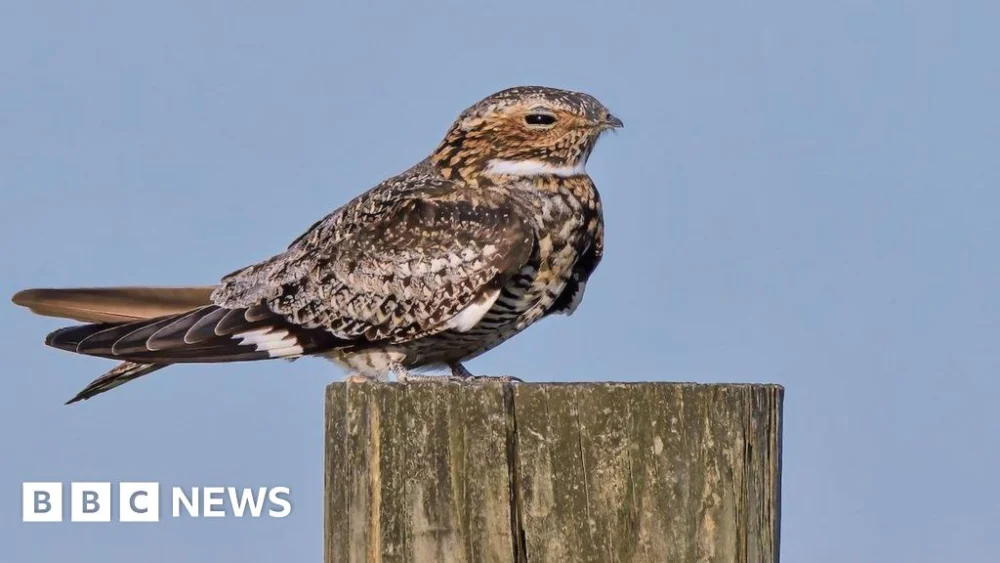
The nocturnal, cryptic birds, famed for their distinctive, almost mechanical ‘churring’ song that echoes through twilight hours, are a cherished indicator species for healthy heathland ecosystems. Their presence in such increased numbers signifies a positive shift in the ecological balance of the South Downs. The survey’s findings, particularly the record 109 territories, underscore the effectiveness of targeted conservation work in critical areas. These areas include the rich lowland heaths of east Hampshire, specifically encompassing the ecologically vital Woolmer Forest and the interconnected commons of Shortheath, Bramshott, Ludshott, Broxhead, and Kingsley. These fragmented but crucial habitats provide the perfect mosaic of open ground, heather, and scattered trees that nightjars require for nesting and foraging.
Nightjars (Caprimulgus europaeus) are fascinating crepuscular birds, meaning they are most active during the twilight hours of dusk and dawn. Their mastery of camouflage is unparalleled, with mottled grey, brown, and black plumage allowing them to blend seamlessly with the leaf litter and bark of their preferred heathland and woodland edge habitats. This exceptional camouflage makes them incredibly difficult to spot during the day when they rest motionless on the ground or along a branch. As night descends, however, they emerge to hunt, their wide gape perfectly adapted for scooping up flying insects such as moths, beetles, and crane flies mid-flight. Their flight is often described as buoyant and erratic, reminiscent of a giant moth, as they navigate the darkening skies in pursuit of their prey.
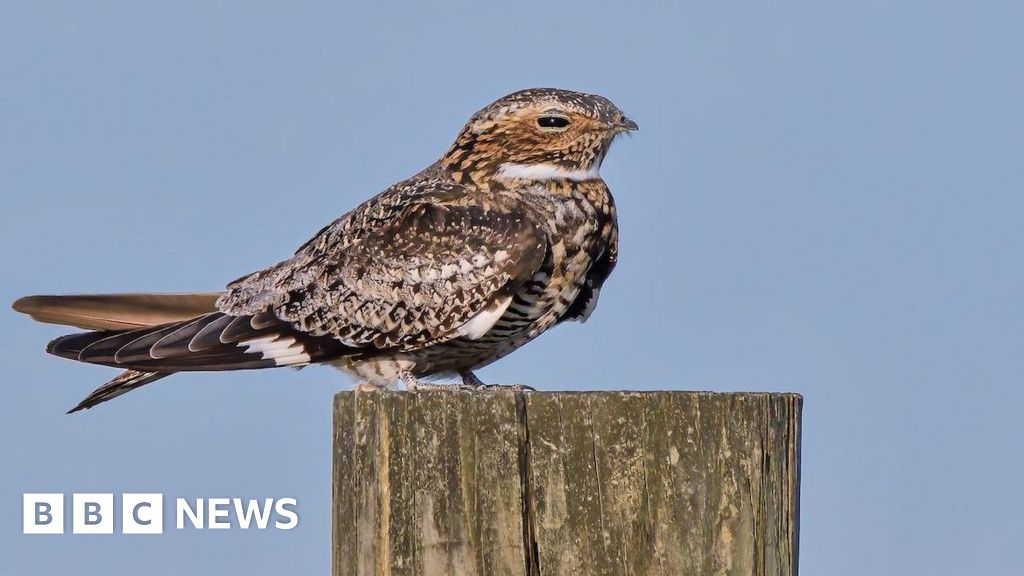
Each spring, these extraordinary birds undertake an arduous 4,000-mile (6,437 km) migratory journey from their wintering grounds in the Democratic Republic of Congo. Arriving in the UK typically in April, they spend the summer months, until August, breeding and raising their young before embarking on the long journey south once more. Their annual return is eagerly anticipated by naturalists, not least for their unique vocalizations. The male nightjar’s ‘churring’ call is a continuous, vibrating trill that can last for several minutes, carrying far across the open landscape and serving as both a territorial marker and a mating call. Unlike many other bird songs, it lacks distinct notes, instead producing a mesmerizing, almost trance-like sound that perfectly encapsulates the mystery of the nightjar.
Beyond their ecological significance, nightjars possess a rich cultural history, reflected in their intriguing array of nicknames. The most peculiar and enduring among these is ‘the goatsucker’—a moniker that dates back to ancient times and has persisted through various European cultures. The scientific name for their genus, Caprimulgus, literally translates from Latin as "goat-milker," further cementing this age-old myth. As explained by an SDNPA spokesman, the ancient belief was that nightjars would stealthily approach livestock, particularly goats, under the cover of darkness to drink milk directly from their udders. This act, it was believed, would poison the animals, causing their udders to waste away and rendering them blind. This captivating, if unfounded, legend likely arose from the nightjar’s habit of foraging for insects close to grazing animals, attracted by the swarms of insects disturbed by the livestock or drawn to their warmth. The birds’ wide mouths, perfect for insect consumption, might have been misinterpreted as a tool for suckling.
The historical trajectory of the nightjar in the UK has been fraught with challenges. The species is currently listed as an amber species under the Red List for Birds, designating it as a species of "conservation concern." Data from the British Trust for Ornithology (BTO) reveals a stark decline of 51% in their numbers between 1972 and 1992. This precipitous drop was primarily a consequence of widespread habitat loss, driven by agricultural intensification and encroaching development that fragmented and destroyed the vital woodland and heathland ecosystems these ground-nesting birds depend upon. Modern forestry practices, which often favour dense plantations over open, diverse habitats, also contributed to their decline.
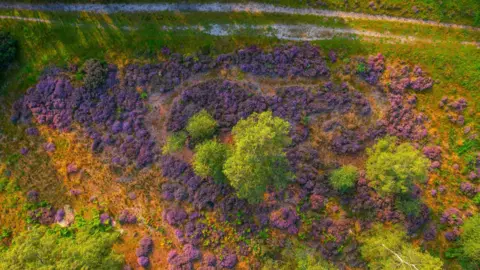
Recognizing the urgent need for intervention, the South Downs National Park Authority, in collaboration with various conservation partners and landowners, initiated comprehensive nature recovery efforts. The current rise in nightjar numbers is a direct result of this sustained work, which has primarily focused on protecting existing lowland heath and actively expanding these precious habitats. Lowland heath, characterized by its acidic soils, heather, gorse, and scattered trees, is a globally rare habitat, often compared to rainforests in terms of its ecological importance and vulnerability. It provides the ideal conditions for nightjar ground-nesting sites – areas of sparse vegetation where they lay their eggs directly on the ground, relying on their camouflage for protection.
Habitat restoration involves a multi-pronged approach. This includes targeted scrub clearance to prevent the encroachment of taller vegetation and trees, which can shade out the heather and gorse. Controlled burning, a traditional land management technique, is also employed to rejuvenate older heather stands and create a mosaic of different ages of vegetation, crucial for diverse wildlife. Furthermore, the reintroduction of grazing animals, such as cattle or ponies, helps to maintain the open structure of the heathland, preventing it from becoming overgrown and creating the short sward preferred by many ground-nesting birds and their insect prey.
Beyond direct habitat management, public engagement has been a cornerstone of the nightjar’s comeback. Over the past decade, dedicated engagement rangers, such as Kirsty Murray, have been actively present within the landscape, fostering a deeper understanding and appreciation for the delicate ecosystems of the South Downs. A key message conveyed to visitors is the importance of responsible access: keeping dogs on leads, diligently picking up dog waste, and strictly adhering to designated pathways. This guidance is critical for ground-nesting birds like the nightjar, as unleashed dogs can inadvertently disturb nesting sites, leave scent trails that attract predators, or even directly trample eggs or young chicks. Dog waste also introduces nutrients that can alter the delicate balance of heathland soils, encouraging different plant species that outcompete native heathland flora.
The success of these holistic conservation strategies extends beyond the nightjar. The SDNPA spokesman highlighted that the nightjar’s resurgence has been paralleled by promising revivals in the populations of other amber-listed species, including woodlarks and Dartford warblers. These birds also rely on similar heathland habitats, indicating that the landscape-scale conservation efforts are creating a healthier, more resilient ecosystem for a broader range of specialist species. This interconnected success underscores the vital importance of protecting and expanding these rare habitats.
The South Downs National Park, a breathtaking expanse stretching across Hampshire, West Sussex, and East Sussex, encompasses iconic chalk hills, ancient woodlands, river valleys, and, crucially, these precious lowland heaths. Designated as a National Park in 2010, it is the newest of the UK’s National Parks and a landscape of immense ecological and cultural value. Its protected status provides a crucial framework for the conservation work that has directly benefited species like the nightjar.
Engagement ranger Kirsty Murray expressed her profound satisfaction with the ecological report’s findings, describing them as "so inspiring." She emphasized the collaborative nature of the conservation work, stating, "[They] really show what we can achieve together to help biodiversity bounce back." Murray further highlighted the precarious status of lowland heaths, noting, "These lowland heaths were once widespread across the South Downs but now make up just 1% of the national park." This stark figure underscores her comparison, "as rare as the rainforest, supporting some of the UK’s rarest species." Her personal connection to the work is evident in her joy: "It’s wonderful to hear the nightjars churring away as dusk falls and we’re looking forward to continuing this incredibly positive conservation work alongside local communities and our partners."
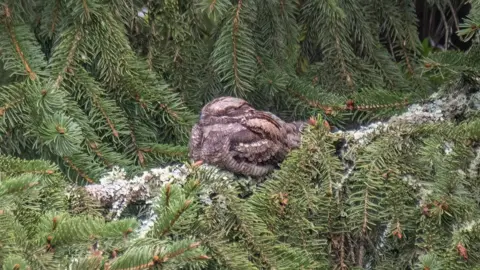
The remarkable comeback of the nightjar in the South Downs National Park stands as a powerful beacon of hope, demonstrating that with sustained effort, strategic habitat management, and community engagement, even the most vulnerable and elusive species can defy decline. This success story not only celebrates the return of a captivating bird but also affirms the profound ecological value of the South Downs’ unique lowland heaths, ensuring their survival for generations to come. The work continues, but for now, the hypnotic ‘churr’ of the nightjar signals a thriving, healthier landscape, a testament to what dedicated conservation can achieve.



 George Anjay
 Ramos Leo