
 Ramos Leo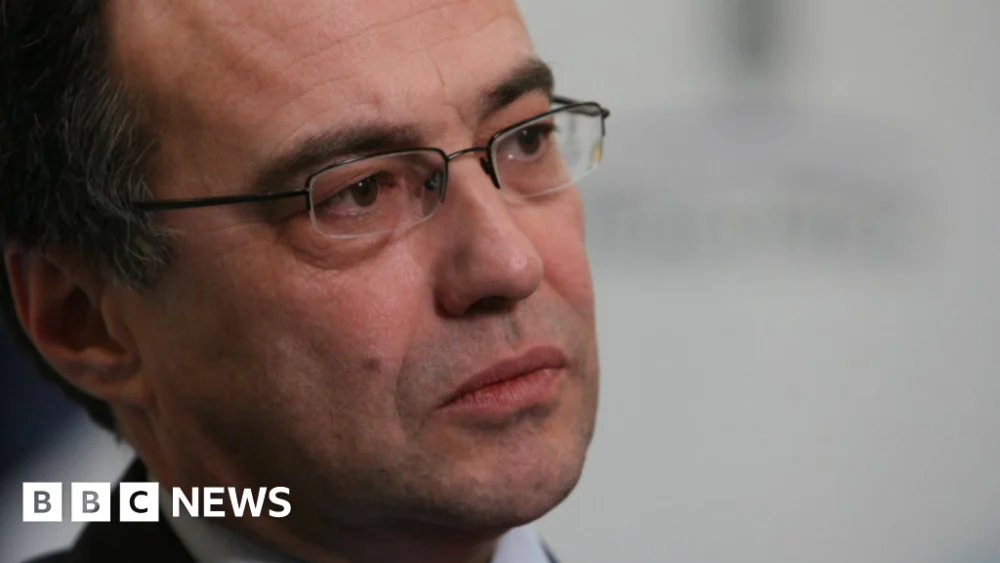
Born in Scunthorpe, Lincolnshire, on 11 February 1959, Philip James Woolas’s early life laid the groundwork for his future political engagement. He pursued higher education at the University of Manchester, where he studied philosophy. It was during his university years that his leadership qualities and passion for social justice truly began to flourish. He rose to national prominence as the president of the National Union of Students (NUS) from 1984 to 1986. During his time at the helm of the NUS, Woolas was a vocal advocate for student rights, access to education, and opposing cuts to public funding for universities. His presidency was characterized by energetic campaigning and a commitment to progressive causes, honing the political and communication skills that would define his later career.
Following his impactful role at the NUS, Woolas transitioned into a career in media and trade unionism. He worked as a television producer, contributing to various programmes and gaining valuable insight into public communication and media strategy. This experience proved instrumental in his subsequent role as the communications director for the GMB union, one of the largest general trade unions in the United Kingdom. At the GMB, Woolas was responsible for shaping the union’s public image and articulating its policy positions, particularly on issues of workers’ rights, industrial relations, and economic justice. His time at the GMB further solidified his commitment to the Labour movement’s core principles and prepared him for the rigours of parliamentary politics.
Woolas successfully entered Parliament in 1997, riding the wave of the historic New Labour landslide victory. Representing the constituency of Oldham East and Saddleworth, he quickly established himself as a diligent and intelligent backbencher before being appointed to ministerial office. His ministerial journey began with roles in the Department for Communities and Local Government, where he was involved in policies affecting urban regeneration and local authority funding. He later moved to the Department for Environment, Food and Rural Affairs (Defra), contributing to environmental policy-making during a period of growing awareness regarding climate change and sustainability. His final and arguably most challenging ministerial role came in the Home Office, where he served as Minister of State for Borders and Immigration. This portfolio placed him at the heart of complex and often contentious debates surrounding immigration policy, border security, and integration, requiring a deft hand and robust defence of government positions.
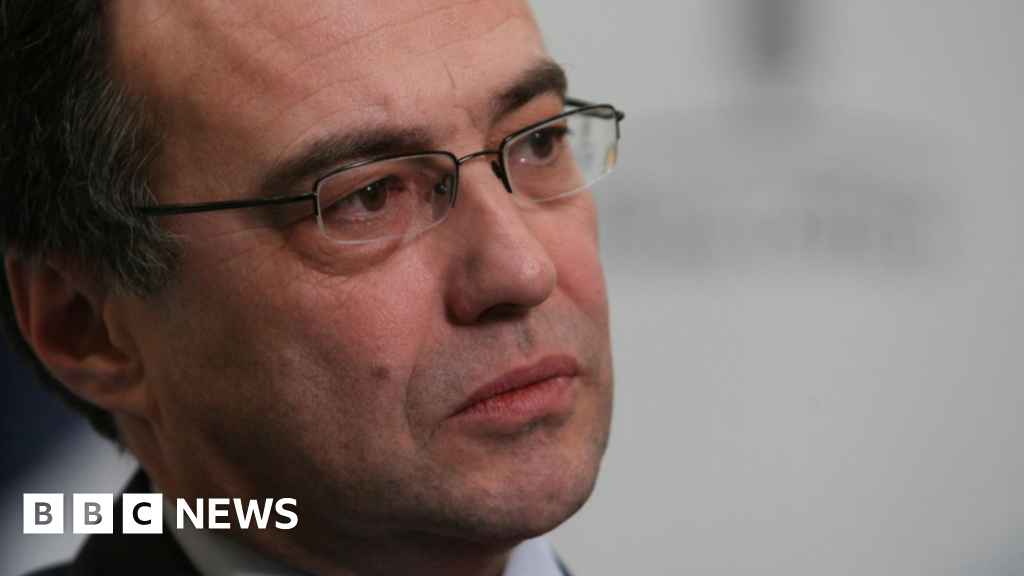
Former Prime Minister Sir Tony Blair led the tributes, describing Woolas as an "outstanding" member of the New Labour government. Sir Tony lauded him as a "greatly respected and admired colleague" who brought both "humour and rich political insight" to those fortunate enough to know him. Blair’s heartfelt statement underscored the personal and professional esteem in which Woolas was held within the highest echelons of the Labour Party, reflecting on his unwavering support through both triumphs and challenges. This sentiment was echoed by many across the political spectrum, who recognised Woolas’s dedication to public service and his sharp intellect.
In a poignant statement, his family and close friends shared their grief: "For more than a year he battled the brain cancer, glioblastoma. He leaves his wife Tracey, his sons Josh and Jed and a new grandson, and many friends and former colleagues who will all miss him greatly." The statement highlighted the profound personal loss experienced by those closest to him, emphasizing the family man behind the public figure. Sir Tony Blair extended his "deepest condolences to the wonderful Tracey and to their sons, Josh and Jed, and all their wider family," acknowledging the strength and support Woolas received from his loved ones throughout his life and illness.
Woolas’s parliamentary career, however, concluded under a cloud of controversy that remains a unique episode in modern British political history. In the intensely fought 2010 general election, he narrowly retained his Oldham East and Saddleworth seat by just 103 votes against Liberal Democrat candidate Elwyn Watkins. Following the election, Watkins lodged an election petition, a rarely invoked legal challenge to the validity of an election result. The petition alleged that Woolas had made false statements of fact about Watkins during the campaign, specifically claiming that Watkins had cultivated Muslim extremists and made false promises about school funding.
The subsequent election court, convened by two High Court judges, heard evidence over several days. In a groundbreaking ruling delivered in November 2010, the court found that Woolas had indeed made false statements about his opponent, violating section 106 of the Representation of the People Act 1983. The judges concluded that the statements were designed to undermine Watkins’s character and were untrue. This unprecedented judgment declared the election result void, leading to Woolas’s disqualification as an MP and a by-election in the constituency. He was also barred from standing for election for three years. The ruling sent shockwaves through the political establishment, serving as a stark reminder of the stringent rules governing election conduct. Woolas maintained that he did not believe he had misled anyone, expressing regret over the outcome but asserting his campaign’s intent was to robustly defend his record. Despite his protests, the legal decision marked an abrupt and unfortunate end to his parliamentary career.
Following his departure from Parliament, Phil Woolas largely withdrew from frontline politics, though he remained an engaged observer and commentator. He continued to offer his insights on current affairs and policy matters, drawing on his wealth of experience in government and media. His battle with glioblastoma, a highly aggressive and incurable form of brain cancer, became public knowledge in his final year, demonstrating his resilience in the face of immense personal challenge. The cancer, known for its rapid progression and devastating impact, ultimately claimed his life.
Phil Woolas will be remembered as a dedicated public servant who made significant contributions to the Labour governments of Tony Blair and Gordon Brown. His journey from NUS president to a key figure in government reflected a deep-seated commitment to social progress and the betterment of society. While his career concluded with an extraordinary legal challenge that highlighted the intricacies and responsibilities of electoral campaigning, his legacy also includes his humour, intelligence, and the lasting impact he had on colleagues and policy. He leaves behind his wife Tracey, his sons Josh and Jed, and a new grandson, alongside a wide circle of friends and former colleagues who mourn the loss of a complex, engaging, and dedicated individual. His passing marks the end of a life lived at the heart of British politics, leaving an indelible mark on those who knew him and the political landscape he helped to shape.



 Roy Suryo

 Nakalama John
 atisusanti
