
 Nana Banana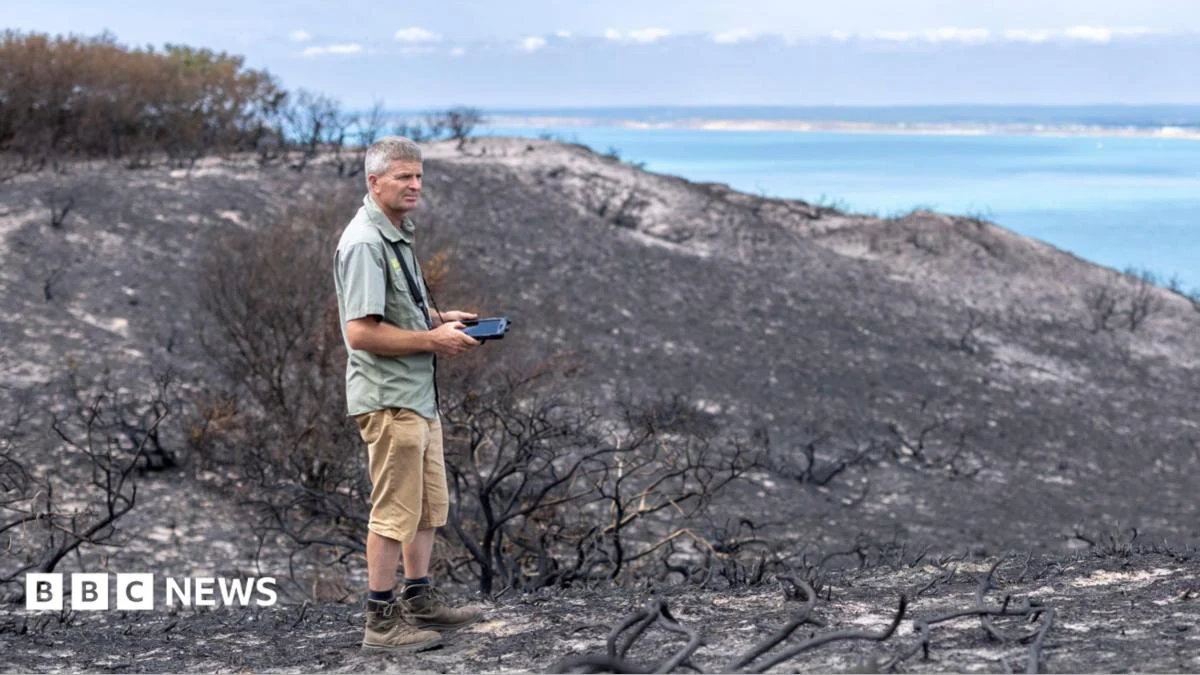
A profound sense of dismay and frustration has settled over conservationists on the Isle of Wight, following a devastating wildfire at Headon Warren. Paul Davies, countryside manager for the National Trust in the area, articulated the collective sentiment, stating it was "really upsetting" to confront the likelihood that a blaze which ravaged a significant expanse of precious heathland was "almost certainly started" by someone having a campfire. The inferno, which raged for nearly five days before finally being extinguished on Monday, consumed nine hectares (22.2 acres) of irreplaceable habitat, leaving behind a stark, blackened landscape that experts warn will take years, if not decades, to fully recover. Fire crews, in their painstaking post-incident assessment, discovered the undeniable remains of a campfire, cementing the suspicion of human negligence as the catalyst for this ecological tragedy.
Headon Warren is far more than just a picturesque vista with sweeping views across the sea. It represents a jewel in the crown of the Isle of Wight’s natural heritage, home to some of the island’s most critically rare and valuable habitats. Davies highlighted its status as a nationally important maritime heathland and a rare limestone grassland, two distinct ecosystems that collectively support an extraordinary array of biodiversity. Maritime heathland, shaped by salt-laden winds and acidic soils, is characterised by its dense carpets of heather and gorse, providing vital shelter and foraging grounds for specialised wildlife. The rare limestone grassland, in contrast, boasts a mosaic of calcium-loving plants, including unique orchids and wildflowers, supporting an entirely different suite of invertebrates and small mammals. The intricate balance and juxtaposition of these habitats at Headon Warren create a unique ecological niche found in few other places.
The immediate and devastating impact on wildlife is immeasurable. Davies painted a grim picture of the losses, confirming that a large number of nesting birds would have perished. The fire struck during a critical breeding season, meaning eggs, vulnerable chicks, and even adult birds, particularly ground-nesting species, stood little chance against the rapidly advancing flames. Among the most significant casualties are the nightjars, enigmatic nocturnal birds already facing conservation challenges, which have now lost their carefully chosen nesting sites and foraging grounds within the heathland. Other iconic species reliant on this fragile environment, such as the vibrant Dartford warblers, the melodious whitethroats, and the distinctive stonechats, would have suffered similarly catastrophic losses. These birds depend on the dense, low-lying vegetation for cover, nesting, and insect food, all of which were obliterated in the blaze.
Beyond avian life, the inferno’s toll extends to the often-unseen denizens of the undergrowth. Reptiles, including common lizards and slow worms, along with various small mammals like voles and shrews, and amphibians such as newts and frogs, would have been caught in the fire’s path. Their relatively slow movement and reliance on burrows or dense vegetation for escape made them particularly vulnerable. Davies further detailed the profound impact on rare invertebrates, including specialist beetles and the fascinating beewolf wasp. These creatures are hyper-dependent on the specific mosaic of heathland and grassland habitats for their survival, feeding, and breeding cycles. The destruction of their specific food plants, host species, and microhabitats represents a critical blow to their populations, potentially impacting the delicate food webs that sustain the wider ecosystem.
"It is very difficult to count the cost, but it has been significant to wildlife," Davies lamented, encapsulating the true extent of the ecological tragedy. While nature possesses an inherent resilience and will eventually begin to recover, the path back to full health for Headon Warren will be arduous and protracted. Some areas are likely to take years to regenerate, with complex plant communities needing to re-establish themselves, soil structures to recover from extreme heat, and intricate fungal networks to reform. Crucially, this devastating event will inevitably impact and set back the long-term restoration efforts meticulously undertaken by the National Trust and its partners. These efforts, often involving careful scrub clearance, managed grazing, and species reintroduction programmes, aim to enhance and expand these rare habitats. A fire of this magnitude not only destroys existing gains but also alters the very conditions necessary for future restoration success.
"This fire is a stark reminder that even a small spark, seemingly innocuous in its origin, can unleash an environmental catastrophe with far-reaching consequences for wildlife and the cherished landscapes we all hold dear," Davies emphasised. He stressed the collective responsibility of the public: "By taking care when visiting the countryside, we can all play a vital role in protecting these special places for generations to come." Looking ahead, the National Trust will be implementing additional preventative measures, including widening existing footpaths to act as natural fire breaks and strategically creating new ones. These fire breaks are strips of land cleared of flammable vegetation, designed to halt or slow the advance of wildfires, providing crucial time for emergency services to respond and contain blazes. In the immediate aftermath, visitors are also implored to stay off the burnt area, allowing the fragile soil to stabilise and the first tentative signs of regeneration to emerge undisturbed.
Adding to the voices of concern, James Osman from Warren Farm, a key partner in conservation efforts, expressed his profound distress. His team’s dedicated work focuses on creating and maintaining the precise conditions needed for rare wildlife and plant life to thrive across these landscapes. "It was very upsetting to see the impact of the wildfire on this precious heathland habitat that we have been working hard to protect over the past few years," Osman stated, highlighting the emotional toll such destruction takes on those who commit their lives to conservation. He described the "shocking" speed with which the fire spread, a chilling testament to the dangers posed by wildfires, particularly exacerbated by the current prolonged dry conditions that have rendered the countryside a tinderbox. Thankfully, no livestock were on the site at the time of the blaze, averting what could have been an even greater tragedy. "With little rain forecast, the coming weeks will be a critical time for all of us to work together as a community to help prevent further fires and protect these special landscapes," Osman urged, underscoring the ongoing threat.
The incident at Headon Warren is not isolated. The National Trust revealed an alarming trend on the island, with 13 large fires in the open recorded so far this year. This figure significantly surpasses the entirety of the previous year’s total, highlighting a dramatic increase in wildfire incidents across the Isle of Wight. This worrying statistic serves as a stark warning of the growing threat posed by human activity and climate conditions.
Larry Mackrell, wildfire support officer at Hampshire and Isle of Wight Fire and Rescue Service, echoed the urgent calls for vigilance. "During periods of hot, dry weather, even the smallest spark can quickly spread, causing fires that put people, wildlife, and the countryside at risk," he warned. He elaborated on the immense operational challenges faced by fire crews in combating wildland fires, often in remote, difficult terrain, requiring significant resources and posing risks to personnel. Mackrell’s message was unequivocal: "We are urging anyone visiting the countryside to take extra care and avoid lighting campfires or using barbecues, as they can easily start fires." Beyond these obvious culprits, he also advised extreme caution with discarded cigarettes, ensuring they are fully extinguished and properly disposed of, and to avoid leaving glass bottles, which can magnify sunlight and ignite dry vegetation. The responsible disposal of all litter and waste is paramount, as even seemingly innocuous items can contribute to fire risk. The tragic events at Headon Warren serve as a powerful, painful lesson in the profound and lasting consequences of human carelessness in our precious natural environments.


 atisusanti
 George Anjay
 Nakalama John

 Ramos Leo