
 Nakalama John
The proposal arrives amidst a backdrop of long-standing criticism regarding HMRC’s customer service standards, particularly its telephone helplines. The Public Accounts Committee (PAC), a powerful parliamentary body, issued a scathing report in January 2025, accusing HMRC of deliberately attempting to "degrade its telephone service to drive taxpayers to digital channels." This highly critical assessment highlighted a disturbing trend, revealing that nearly 44,000 customers were abruptly disconnected without prior warning in 2024 after waiting on hold for over an hour. The PAC report unequivocally stated that "HMRC’s treatment of taxpayers has damaged trust in the tax system," underscoring the severity of the problem and the erosion of public confidence in a crucial government department. Jenrick, speaking at a media conference in central London, prominently referenced these findings, using them to bolster Reform UK’s argument for radical change. He dismissed HMRC’s prior rejection of the PAC’s conclusions, which the then-boss of HMRC had labelled "completely baseless," as an unacceptable attempt to deflect responsibility.
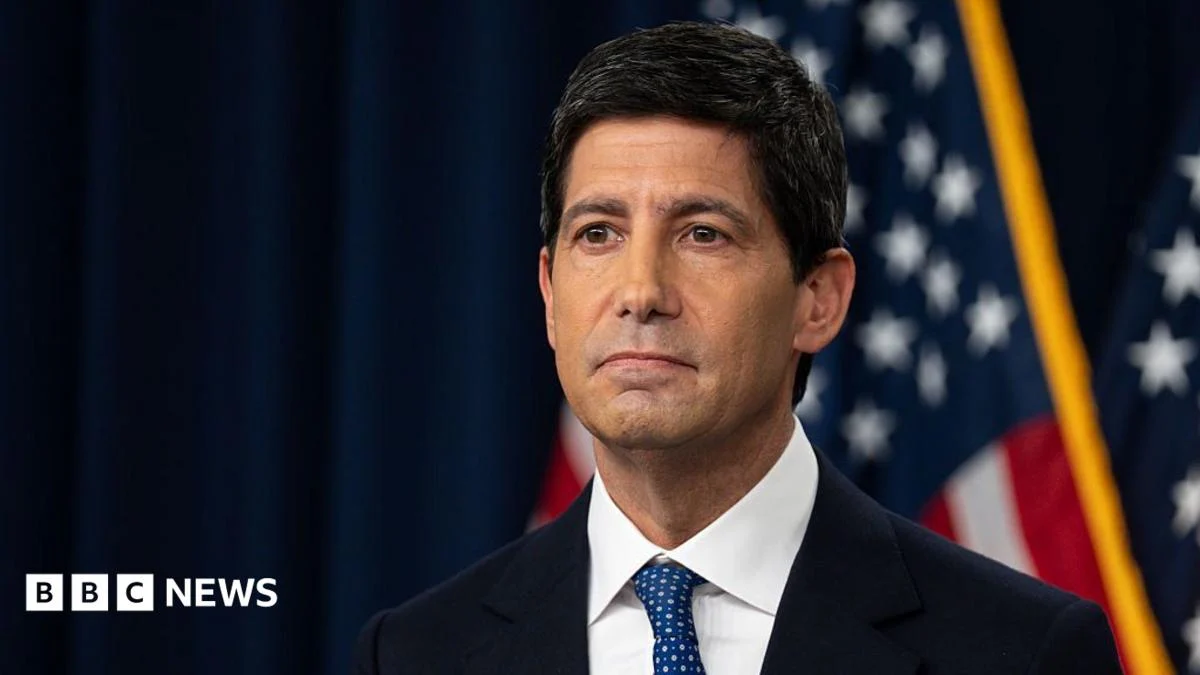
Jenrick, a former Conservative MP who has since aligned with Reform UK, articulated his frustration with palpable indignation. "Frankly, it is offensive to working people and I have had enough," he declared, framing the issue as one of fairness and respect for the diligent taxpayer. He elaborated on the rationale behind the £30 rebate, stating, "So, we will give HMRC a big incentive to actually provide proper customer service." The core message was distilled into a memorable slogan: "If HMRC delay, they can repay." This direct financial consequence, Jenrick argued, would force HMRC to prioritize efficiency and responsiveness in a way that current internal targets or performance reviews seemingly have not. The additional measure of tying senior officials’ pay to customer service performance aims to embed this accountability at the highest levels of the organisation, ensuring that improvements are not merely superficial but driven by a genuine commitment from leadership. The idea is that if the people at the top have a personal financial stake in the quality of service, they will implement the necessary changes more effectively.
HMRC, in its defence, maintains that its customer service performance has seen "vast" improvements over the past two years. A spokesperson asserted that average call waiting times have significantly reduced, now standing at approximately 11 minutes. They emphasized the department’s strategic shift towards digital channels, noting that 80% of customer interactions now occur through online platforms or the HMRC app. This digital-first approach, HMRC argues, allows them to dedicate their telephone advisers to more complex cases, vulnerable individuals, or those who are digitally excluded, ensuring that those with the greatest need receive personalized support. The spokesperson highlighted an "overall customer satisfaction" rate of around 80%, with millions of users actively engaging with the HMRC app. This narrative positions the department as evolving to meet modern demands, rather than deliberately neglecting traditional communication channels.
However, the practical implementation of Reform UK’s proposed £30 rebate raises several complex questions and potential challenges. How would HMRC accurately and reliably track individual hold times for millions of calls? What verification process would be put in place to prevent fraudulent claims? Would the 30-minute timer start from the moment a call is initiated, or after navigating automated menus and reaching a queue for a human agent? The administrative burden of processing potentially hundreds of thousands of such rebates, coupled with the financial cost to the exchequer, could be substantial. Critics might argue that such a system would divert resources from improving core services to managing a compensation scheme. There is also the potential for unintended consequences; for example, would agents feel pressured to rush calls to keep average times down, or would HMRC introduce further restrictions on phone access to minimize payouts? While the two-claim limit aims to prevent abuse, the policy could still be seen as addressing a symptom rather than the underlying causes of poor service, which might include understaffing, outdated technology, or the sheer complexity of the UK tax system itself.
Beyond the immediate issue of HMRC phone delays, Robert Jenrick also used the media conference to unveil another key policy plank for a Reform UK government: a radical overhaul of UK privacy rules. He pledged to scrap the existing General Data Protection Regulation (GDPR), adopted as domestic law post-Brexit, in favour of a "light-touch" approach to data protection. Jenrick argued that GDPR, which mirrors stringent EU legislation, has "strangled" tech firms and small enterprises, burdening them with excessive "red tape" and hindering innovation. Reform UK proposes replacing the current framework with rules modelled on New Zealand’s privacy legislation. New Zealand’s regime is cited as having one of the lightest-touch approaches globally while still being recognized as "adequate" by the European Union, a crucial distinction that would theoretically allow continued data flow between the UK and the EU without significant disruption.
This proposed shift in data protection policy carries significant implications. For businesses, particularly smaller enterprises and startups, a less prescriptive regulatory environment could indeed lead to reduced compliance costs and greater flexibility in how they handle customer data. Proponents argue this could stimulate economic growth and foster a more dynamic tech sector. However, the move has drawn sharp criticism from opposition parties. Labour swiftly condemned Reform UK’s plans, accusing them of wanting to "scrap vital safeguards that protect people’s private data." Labour’s concern centres on the potential erosion of individual privacy rights and consumer protection. They argue that a "light-touch" approach could leave citizens more vulnerable to data breaches, misuse of personal information, and exploitation by corporations. There is also a risk, despite Jenrick’s assertion about EU adequacy, that a substantial divergence from EU data protection standards could complicate future data transfers and potentially jeopardize the UK’s current ‘adequacy’ status with the EU, which is vital for many businesses.
In conclusion, Reform UK’s dual policy announcements, spearheaded by Robert Jenrick, underscore the party’s overarching commitment to cutting what it perceives as excessive red tape and holding public institutions accountable. The £30 tax rebate for HMRC phone delays is a direct, tangible offer aimed at disgruntled taxpayers, designed to demonstrate a proactive stance against perceived government inefficiency. Simultaneously, the proposal to dismantle GDPR in favour of a New Zealand-style framework reflects a broader ideological drive towards deregulation and fostering a more business-friendly environment. Both policies, while distinct in their focus, articulate a vision where the state is leaner, more responsive, and less burdensome. However, both also face significant questions regarding their practical implementation, potential costs, and the delicate balance between efficiency, consumer protection, and the safeguarding of fundamental rights. As the political landscape shifts, these proposals are set to ignite further debate on the future direction of public services and regulatory frameworks in the UK.



 atisusanti
 Nana Banana
 George Anjay

 Ramos Leo