George Anjay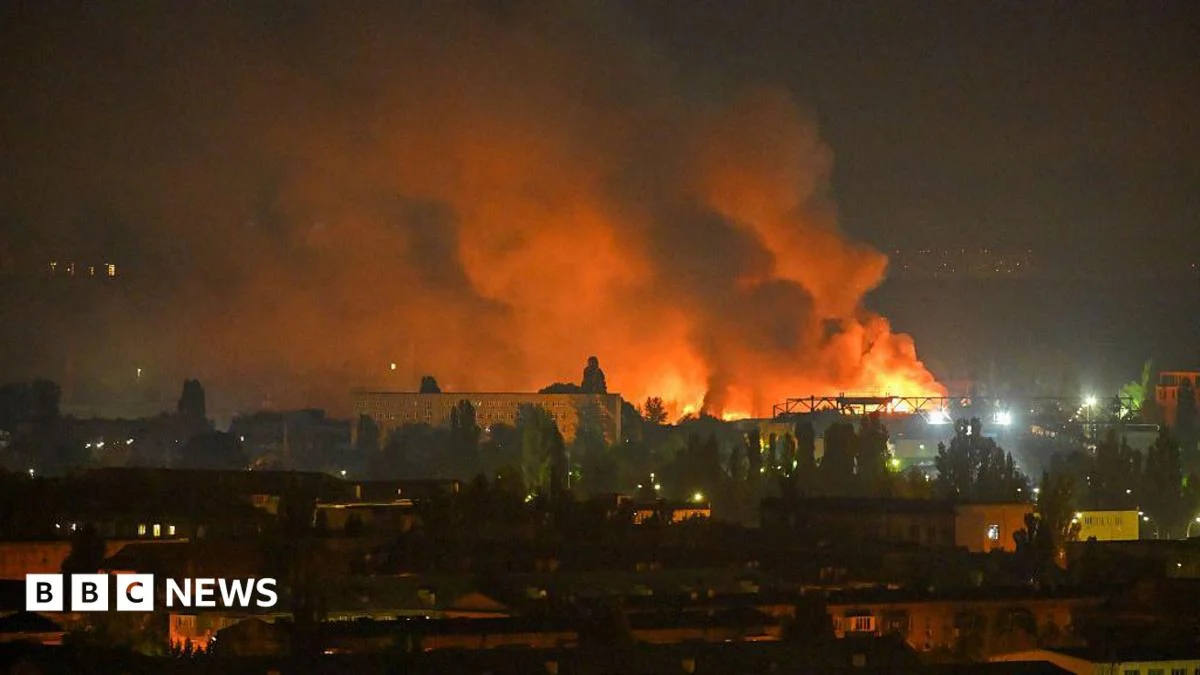
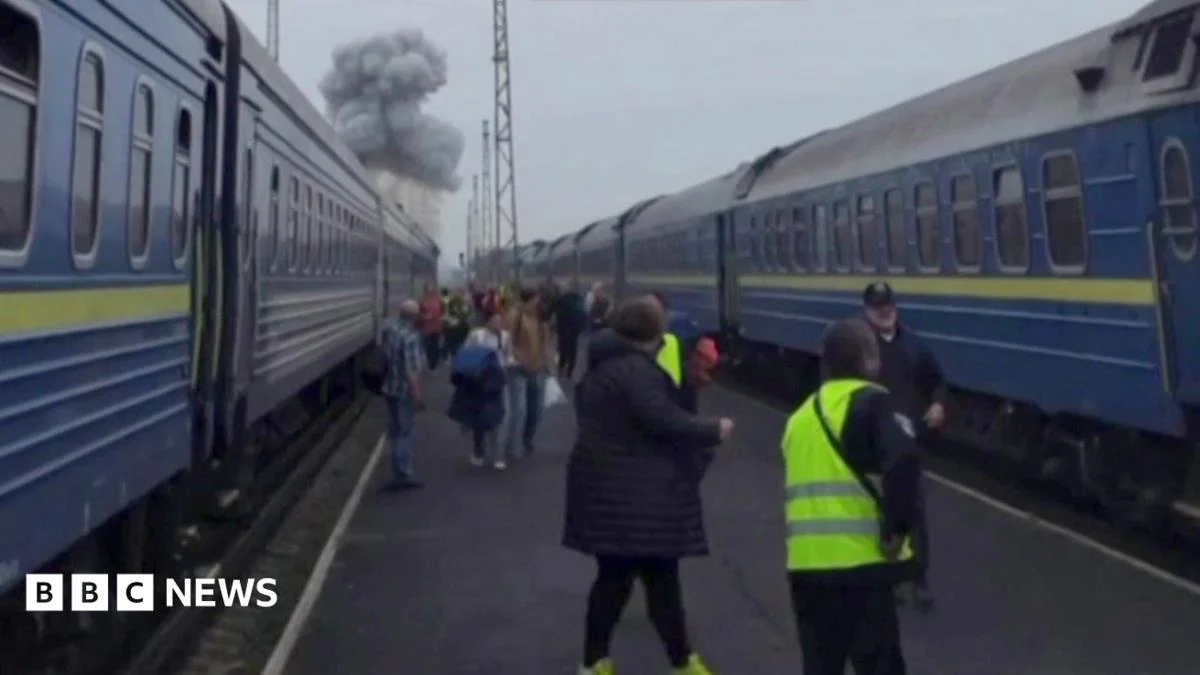
Russia unleashed a relentless and devastating barrage of ballistic missiles and drones upon Kyiv and its surrounding regions in the early hours of Wednesday, leaving a trail of destruction, claiming at least two lives, and injuring a minimum of 21 individuals. The assault, which commenced shortly after midnight, saw air raid sirens wail for over an hour as successive waves of advanced weaponry pounded the Ukrainian capital and its periphery, underscoring a chilling escalation in Moscow’s campaign against its neighbor.
Timur Tkachenko, the head of Kyiv’s military administration, grimly declared that the "enemy is once again massively attacking the Kyiv region," a statement that conveyed both the intensity of the assault and the perceived deliberate nature of the targeting. The grim toll of the attacks became apparent as authorities confirmed the death of a woman within the city limits and reported another fatality in Bucha, a town located to the west of Kyiv. Regional authorities subsequently updated the casualty count, indicating that at least 21 individuals had sustained injuries across various locations in the broader Kyiv area.
The Kyiv military administration explicitly accused the aggressor of intentionally targeting civilian populations and critical civilian infrastructure. This assertion, if proven, would represent a grave violation of international humanitarian law and further exacerbate the already severe human cost of the protracted conflict.
In the immediate aftermath of the strikes, Kyiv Mayor Vitali Klitschko expressed grave concerns about the possibility of individuals being trapped beneath the rubble of collapsed buildings, particularly in the central areas of the city that bore the brunt of the attack. The scale of the damage and the potential for further casualties underscored the urgency of rescue and recovery operations.
Tkachenko provided further details on the impact of the assault, stating that the "consequences of the enemy attack are being recorded in the Bucha, Brovary, and Fastiv districts of the region." These districts, encompassing a significant geographical area around the capital, likely suffered diverse forms of damage, from direct hits on residential buildings to disruptions of essential services. His impassioned plea to residents, urging them to "do not ignore air raid sirens. Take care of yourselves, your loved ones, and your family," highlighted the pervasive sense of danger and the need for constant vigilance.
This latest onslaught marks a significant intensification of Russian attacks on Kyiv in recent weeks. The strategic shift appears to coincide with Ukraine’s own escalating actions against Russian civilian infrastructure, including strikes on vital power facilities and repeated targeting of depots belonging to the prominent Russian e-commerce giant, Wildberries. These Ukrainian actions, in turn, have drawn sharp retaliatory measures from Moscow, creating a dangerous cycle of escalating violence.
The timing of the Kyiv attack is particularly noteworthy given recent events on Russian territory. Just the day prior to the Kyiv strikes, a devastating drone attack on a crowded beach in the southern Krasnodar region of Russia resulted in the deaths of seven people and left 58 others injured, a stark reminder of the war’s reach beyond Ukrainian borders. Furthermore, on Tuesday morning, the Moscow region experienced its own tragic incident, with five people killed and ten wounded in strikes targeting Wildberries warehouses, suggesting a coordinated or simultaneous escalation of hostilities.
Ukraine, meanwhile, has consistently condemned what it describes as deliberate targeting of civilians by Russian forces. The nation’s outrage was recently amplified by the release of a video depicting a man being pursued by a drone in Kherson, an incident Ukraine characterized as a deliberate "hunt" and "safari" aimed at civilians. This accusation, coupled with Russia’s current offensive against Kyiv, paints a grim picture of the conflict’s trajectory and the increasing concern over the welfare of non-combatants.
Both sides have, however, publicly denied deliberately targeting civilians. These denials, juxtaposed with the consistent reports of civilian casualties and destruction on both sides, create a complex and often contradictory narrative surrounding the conduct of the war. The international community continues to grapple with verifying these claims and holding perpetrators accountable for alleged war crimes.
In response to the sustained and sophisticated nature of Russian ballistic missile attacks, Ukraine has repeatedly appealed to its international allies for enhanced defensive capabilities. Specifically, Kyiv has urgently requested more US-made Patriot missile interceptors, emphasizing their critical role in defending against such advanced threats and protecting its urban centers and civilian population from devastating strikes. The effectiveness of these air defense systems in mitigating the impact of future attacks remains a crucial factor in the ongoing defense of Ukraine. The psychological toll of such constant aerial bombardment on the civilian population of Kyiv and its environs cannot be overstated, contributing to widespread fear and disruption of daily life. The economic consequences, too, are significant, with damage to infrastructure and disruption to essential services impacting the nation’s ability to function and recover. The international response to this latest escalation will be closely watched, as it will likely influence the future trajectory of diplomatic efforts and military aid.



 Nakalama John
 Ramos Leo
 Nana Banana