
 atisusanti
The colossal $55 billion (£41 billion) acquisition of Electronic Arts (EA), a titan in the video game industry, by a consortium of investors, prominently featuring Saudi Arabia’s Public Investment Fund (PIF), has officially concluded. This landmark transaction marks a significant shift for EA, transitioning it from a publicly traded entity to a private company, a move that has sent ripples of speculation throughout the gaming and financial worlds. EA, the creative force behind beloved franchises such as EA FC (formerly FIFA), The Sims, and Mass Effect, now falls under the control of investors including Affinity Partners, headed by Jared Kushner, former President Donald Trump’s son-in-law.
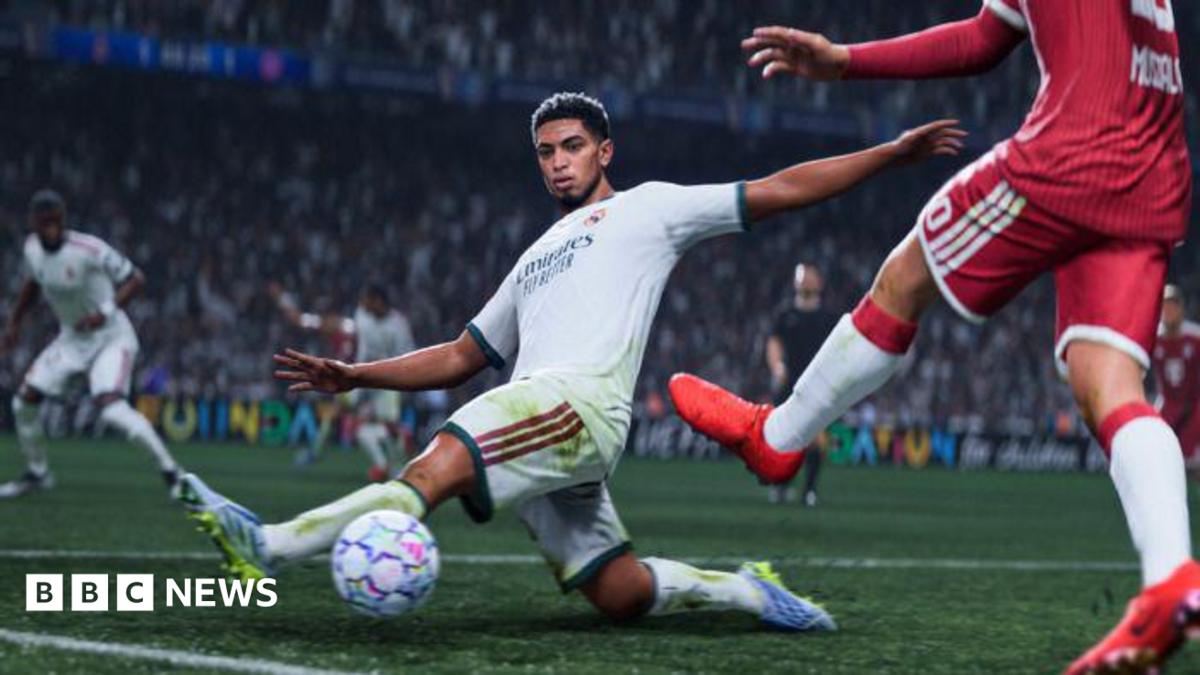
This monumental deal is being hailed as potentially the largest leveraged buyout in history, a financial maneuver heavily reliant on borrowed capital. The PIF’s substantial contribution, reportedly $36 billion, is complemented by a $20 billion loan secured from investment bankers JPMorgan. The weight of this debt will be shouldered by EA itself, raising critical questions about its future operational strategies and financial health. Industry analysts and journalists are keenly observing the potential ramifications, with Bloomberg’s Jason Schreier suggesting that the need to service this debt could precipitate "mass layoffs, more aggressive monetization, and other big cost-cutting measures" within one of the sector’s most influential companies. Christopher Dring, editor-in-chief of GamesIndustry.biz, echoed these concerns, noting that the nature of private equity ownership often entails a "very hands-on approach" and "aggressive management," potentially impacting EA’s creative autonomy.
The acquisition has also ignited significant apprehension among EA’s diverse player base, particularly concerning the future of games like The Sims, which are celebrated for their championing of inclusivity and the portrayal of LGBT+ relationships. This concern stems from Saudi Arabia’s stringent legal framework, where consensual same-sex sexual conduct can carry severe penalties, including death or flogging, under its interpretation of Sharia law. In response to these anxieties, the advocacy group Players Alliance HQ has launched a campaign urging gamers to contact their local politicians and voice their opposition to the deal. Their website articulates a core worry: "Video games are a reflection of culture and people through their storylines, characters and representation. With the PIF being the majority owner in the potential buyout, there is a large concern that creative decisions could be influenced by these outside factors, leading to themes such as free speech, gender, LGBTQI+ and other aspects of Western politics being reduced or fully censored across major franchises."
The substantial financial outlay by Saudi Arabia to acquire EA has been a focal point of discussion since the deal’s inception in September 2025. George Osborn, a journalist and author specializing in the intersection of video games, politics, and global influence, posits that the PIF views EA as an "appealing" financial opportunity, citing the company’s 35-year legacy and the enduring appeal of its "live-service" games, which benefit from continuous updates and engagement. Despite facing industry-wide challenges such as layoffs and game cancellations, EA has demonstrated robust financial performance in recent times. The company reported revenues of $7.5 billion last year, and the October release of Battlefield 6 achieved unprecedented success, selling over 7 million copies in its initial three days, though this was followed by further workforce reductions.
Osborn further argues that EA’s value to the PIF extends beyond mere economics, representing a strategic acquisition of a "soft power asset that is quietly entrenched in the sporting community." This perspective aligns with Saudi Arabia’s broader strategy of investing heavily in sports to enhance its global standing. The PIF’s aggressive sports portfolio includes the £300 million takeover of Premier League football club Newcastle United and the acquisition of four Saudi League clubs, underscoring a deliberate effort to cultivate influence within the global sports landscape. The kingdom has also actively hosted major esports tournaments, including the Esports World Cup in 2025, further solidifying its presence in the gaming and competitive play arena.

However, these extensive investments have frequently drawn accusations of "sportswashing," a practice where substantial financial backing of sporting events is employed to cultivate a positive public image and deflect attention from human rights concerns. While the Saudi Arabian government has consistently denied these allegations, Osborn suggests that the EA acquisition represents a novel avenue for projecting influence. He elaborates that if the PIF’s football strategy was primarily confined to club ownership, acquiring EA grants them a significant connection to "the 20,000 players, 750 clubs and 35 leagues at the top of the professional game." He concludes, "What is clear is that a state seeking to shape perceptions now owns an asset with proven reach to billions of people. How it uses it in the years to come is something we should watch closely."
The PIF operates under the ultimate control of Saudi Arabia’s Crown Prince Mohammed bin Salman, whose government has faced international scrutiny and accusations of human rights violations. A United Nations report in 2019 explicitly stated that "the state of the Kingdom of Saudi Arabia is responsible" for the death of Jamal Khashoggi, a prominent journalist critical of the government. Saudi Arabia has consistently refuted these claims. The implications of this acquisition for global media, creative expression, and the very fabric of digital culture are profound, and the world will be closely observing how this new ownership structure shapes the future of one of the most influential entertainment companies.


 Nana Banana
 George Anjay
 Nakalama John
 Ramos Leo