
 atisusanti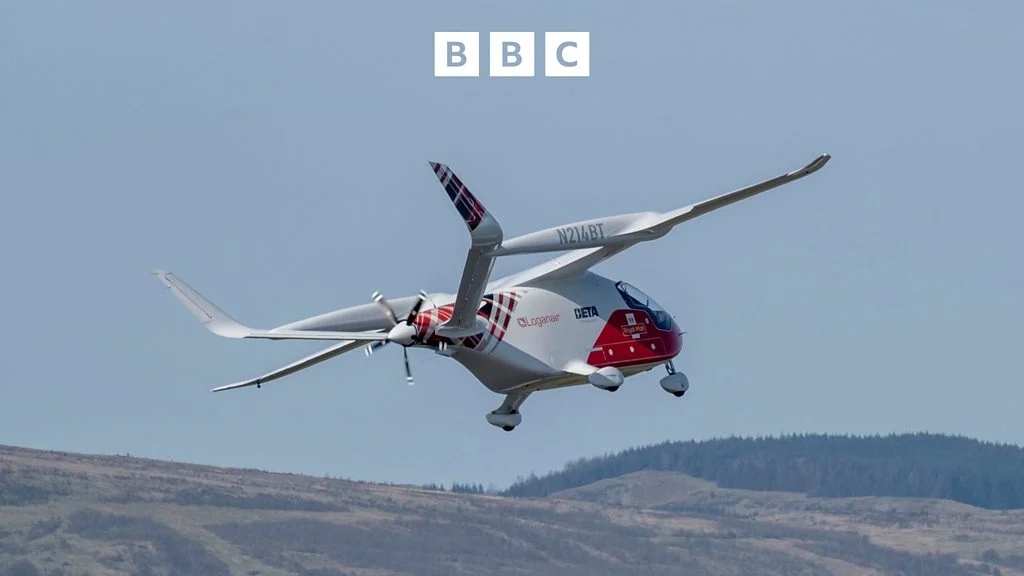
The skies of tomorrow might be quieter and cleaner, thanks to groundbreaking advancements in electric aviation. While the transition from fossil fuels to electric power is a familiar narrative on our roads, the aviation industry, a significant contributor to global carbon emissions, has lagged behind. However, a new episode of BBC Sounds’ "Tech Life" delves into the burgeoning field of electric aircraft, exploring the innovations poised to revolutionize air travel and address the urgent need for sustainable flight.
The episode, titled "The future of flying?", hosted by Shiona McCallum and produced by Tom Quinn, presents a compelling look at the challenges and triumphs of electric aviation. It highlights the stark reality that most aircraft currently traversing the globe continue to rely on the combustion of jet fuel, a practice with substantial environmental consequences. The program contrasts this with the rapid progress being made in developing electric alternatives, suggesting that a paradigm shift in air travel may be closer than many anticipate.
Central to the discussion is the potential of electric propulsion systems to drastically reduce, and perhaps eventually eliminate, the carbon footprint of aviation. Unlike traditional jet engines, electric motors powered by batteries or other innovative energy sources offer the promise of zero direct emissions during flight. This aligns with global efforts to combat climate change and achieve ambitious net-zero targets. The "Tech Life" episode likely explores the various technological hurdles that have historically impeded widespread electric flight, such as the limitations of battery energy density, the weight of power systems, and the need for robust charging infrastructure at airports.
The program features insights into new developments that are beginning to overcome these obstacles. While specific details are not provided in the initial description, it is reasonable to infer that the episode would showcase companies and researchers pushing the boundaries of battery technology, lightweight materials, and aerodynamic design. The visual accompanying the episode, a photograph of an all-electric CX300 aircraft from BETA Technologies participating in a demonstration flight in Scotland, provides a tangible glimpse of these advancements. This small, white aircraft, with its propeller visible at the rear of the fuselage, represents a significant step towards a more sustainable future for regional and potentially longer-haul flights. The fact that this demonstration occurred in Scotland, a region increasingly focused on green initiatives, underscores the growing momentum behind this technology.
The "Tech Life" episode also broadens its scope beyond just the mechanics of flight, addressing another critical aspect of modern technology’s impact on society. The inclusion of a segment featuring a leading international child charity discussing "keeping children safe online" indicates a commitment to exploring the multifaceted nature of technological progress. This juxtaposition suggests that while the episode is fundamentally about the future of aviation, it also recognizes the broader societal implications of technological evolution, including the vital need to safeguard vulnerable populations in the digital realm. This dual focus reflects a holistic approach to understanding how technology shapes our lives, both in terms of progress and responsibility.
The program’s availability for "over a year" suggests that these are not fleeting trends but rather enduring areas of innovation with long-term implications. The mention of the episode being part of the "World Service" further emphasizes its global reach and relevance, aiming to inform a worldwide audience about these critical technological shifts. The duration of the episode, "26 minutes," indicates a concise yet comprehensive exploration of these complex topics, designed to be accessible and engaging for a broad audience.
The "Tech Life" series, by dedicating an episode to the future of flying, positions itself as a vital platform for understanding the innovations that will define our future. The transition to electric aviation is not merely an environmental imperative; it also represents an opportunity for economic growth, job creation, and enhanced air travel experiences. As battery technology continues to improve, and as regulatory frameworks adapt to accommodate new forms of aircraft, the dream of silent, emissions-free flights may well become a reality. This BBC Sounds episode serves as a crucial guide, illuminating the path ahead and sparking important conversations about how we can all contribute to a more sustainable and technologically advanced world, from the ground up and through the skies. The detailed programme website link provided allows listeners to delve deeper into the specific topics and perhaps find further resources related to electric aviation and online child safety.


 Nana Banana
 George Anjay
 Nakalama John
 Ramos Leo