
 Roy Suryo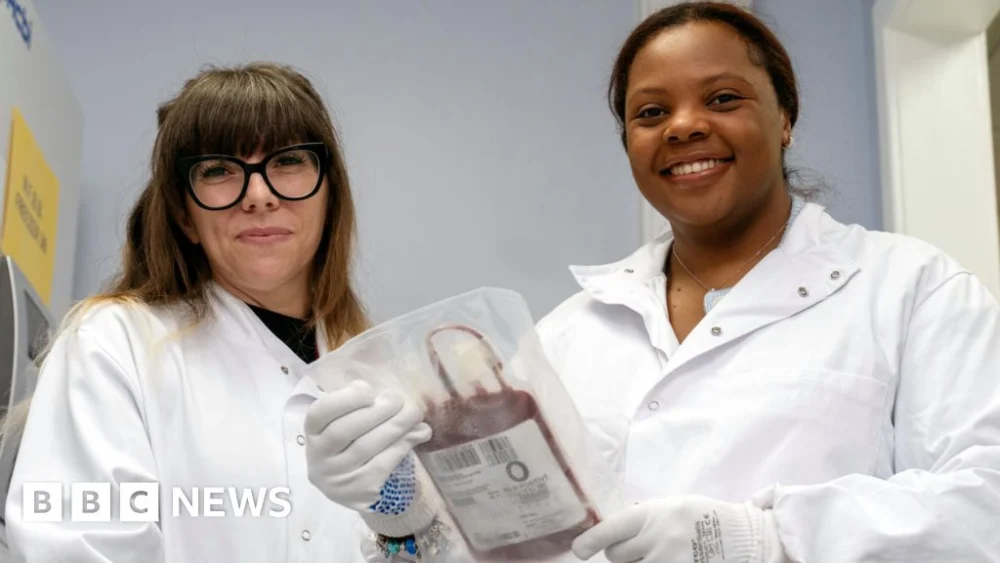
Mina Stoddart-Stones, a 26-year-old from Bridgwater in Somerset, has revealed her profound sense of honour and privilege at being able to donate blood so exceptionally rare that it is cryogenically preserved for up to three decades. While she has been a regular blood donor for many years, it was only recently that she became aware of her "VIP" status within NHS Blood and Transplant (NHSBT), a designation bestowed upon a select group of individuals whose blood possesses unique and vital characteristics. Her blood type is U negative and N negative, a configuration so uncommon that only nine other donors in the entire United Kingdom share it. This means she is missing antigens present in virtually every other person in the UK population, making her donations critically important for specific medical needs.
"It makes me feel very special and honoured, actually, that I could help someone that is really poorly," Mina shared, her voice reflecting a deep sense of purpose and humility. Her remarkable blood profile places her on the prestigious UK Rare Donor Panel, an exclusive collective representing approximately 0.01% of the 800,000 active blood donors in the country, equating to around 1,200 individuals. Adding another layer to her exceptional donation, Mina’s blood also carries the RO subtype, a rare and highly sought-after characteristic predominantly found in individuals of Black African or Caribbean descent.
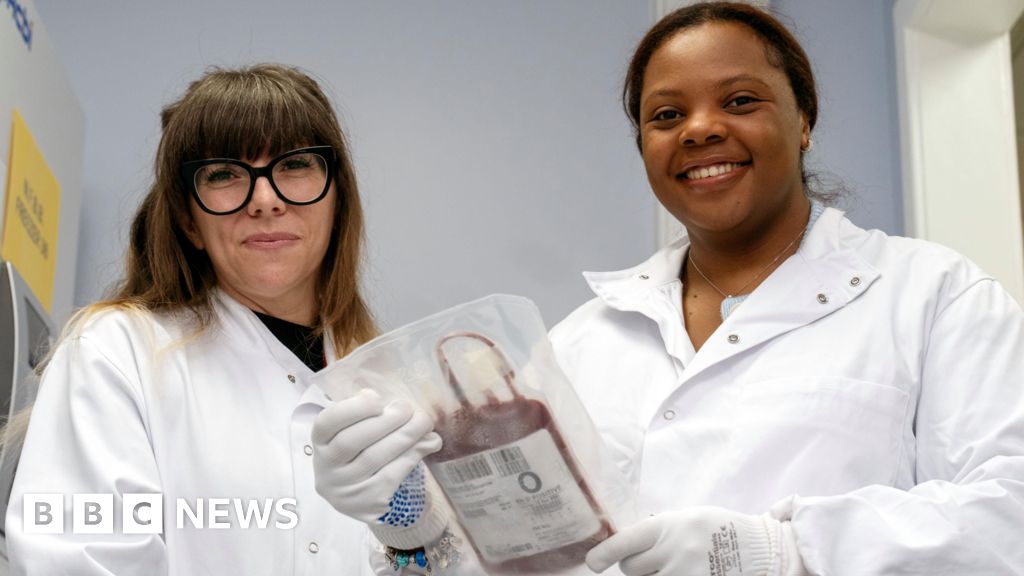
Joanne Mathews, manager of NHSBT’s National Frozen Blood Bank in Liverpool, described the experience of meeting Mina as akin to encountering "royalty." This sentiment underscores the immense value placed on Mina’s donations. "We know her name, and we will only let her blood go for patients with that exact type, because it is so rare," Mathews explained, highlighting the meticulous care and specificity with which these precious units are managed. The frozen blood, stored in the National Frozen Blood Bank, is reserved exclusively for patients who share Mina’s precise rare blood type. These patients often require transfusions due to complex medical conditions such as sickle cell disease, or when undergoing significant surgical procedures. The ability to provide a perfectly matched blood unit can be life-saving for individuals with these rare immunological profiles.
Mina’s commitment to supporting the health service extends beyond her blood donations; she is also registered on the stem cell donor register, further demonstrating her dedication to helping others. Her personal motivations for this altruistic engagement stem from her own childhood experiences of illness and her father’s courageous battle with cancer. "That little little bit that I can do helping them as much as they’ve helped my family," she stated, her words conveying a heartfelt desire to reciprocate the care and support her family has received from the healthcare system. This deep-seated gratitude fuels her ongoing commitment to donating and her willingness to be a part of initiatives that save lives.
The National Frozen Blood Bank is a critical component of the NHSBT’s infrastructure, designed to safeguard the supply of extremely rare blood units. The process of cryopreservation involves freezing donated blood at extremely low temperatures, typically in liquid nitrogen, which allows it to be stored for extended periods without degradation. This is particularly crucial for blood types that are difficult to source, ensuring that a consistent supply is available for patients who may need it at any time. The rigorous selection and management of donors for the rare blood panel are essential to maintaining this vital reserve. Donors like Mina undergo thorough screening and testing to confirm their unique blood characteristics, and their donations are meticulously catalogued and stored.
The concept of "rare blood" itself is complex, relating to the presence or absence of specific antigens on the surface of red blood cells. While common blood types like O positive or A negative are readily available, rarer combinations of antigens can make finding a compatible match for a transfusion a significant challenge. In some cases, patients may develop antibodies against common antigens due to previous transfusions or pregnancies, further complicating the process of finding suitable blood. This is where donors with rare blood types become indispensable. Their unique immunological profiles provide the only viable options for these specific patients.
Mina’s blood type, U negative and N negative, signifies the absence of two antigens that are almost universally present in the UK population. The U antigen is found in approximately 99.9% of people, and the N antigen is also highly prevalent. Therefore, a person who is U negative and N negative is missing these common markers, making their blood incompatible with the vast majority of potential recipients. Conversely, for a patient who also lacks these antigens, Mina’s blood is a perfect and often life-saving match. The RO subtype, while not as exceedingly rare as being U and N negative, is still considered uncommon and is particularly important for certain patient groups, including those with sickle cell disease who may have different antigen expressions due to their genetic background.
The NHSBT actively works to identify and recruit donors with rare blood types through various initiatives, including targeted appeals and collaborations with community groups. The Rare Donor Panel plays a pivotal role in this effort, serving as a central registry of individuals who can be called upon when a specific need arises. The process of contacting these donors is handled with the utmost sensitivity and urgency, recognizing the critical nature of their potential contribution. When a request for a rare blood unit is received, NHSBT’s experts meticulously cross-reference the patient’s requirements with the profiles of registered rare donors.
The journey of a rare blood donation from donor to patient is a testament to the sophisticated logistics and dedicated efforts of the NHSBT. Once Mina’s blood is collected, it is processed and carefully stored in the National Frozen Blood Bank. When a match is identified for a patient, the frozen unit is thawed and prepared for transfusion under strict protocols. The success of this system relies heavily on the commitment of donors like Mina, who selflessly give their time and a part of themselves to ensure that others have the best possible chance of recovery.
Mina’s story is a powerful reminder of the diverse needs within the blood donation system and the profound impact that individuals with unique characteristics can have. Her "honour" and feeling of being "special" are not born of ego, but of a genuine understanding of the vital role she plays in the lives of others. In a world where medical advancements continue to push boundaries, the fundamental act of blood donation, especially from those with rare blood types, remains an indispensable pillar of modern healthcare. Mina Stoddart-Stones, through her remarkable blood and her compassionate spirit, embodies the very best of this life-saving tradition. Her willingness to donate, knowing the immense value and scarcity of her blood, is an inspiration to many and a critical contribution to the well-being of countless patients across the UK. The foresight of NHSBT in establishing the National Frozen Blood Bank ensures that these precious donations are preserved, ready to be deployed when a life hangs in the balance, a testament to the power of rare gifts and the dedication of those who give them.




 Nakalama John
 atisusanti
 Ramos Leo
