
 Ramos Leo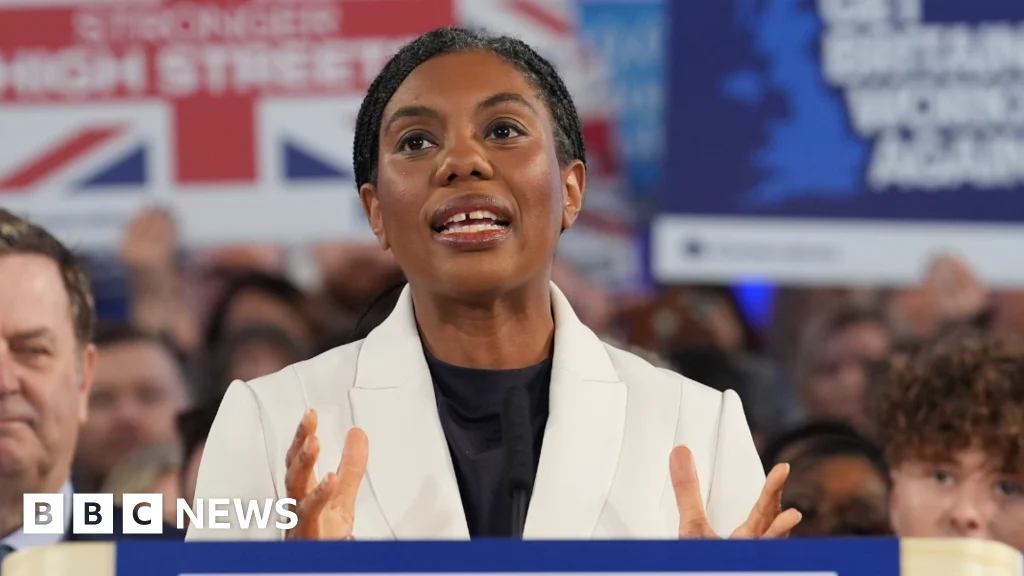
Kemi Badenoch, the assertive leader of the Conservative Party, unequivocally declared her party as "the only party with a plan" as she officially inaugurated their campaign for the crucial local elections scheduled for May 7. Addressing a fervent rally in the heart of London, Badenoch laid out a stark choice for the electorate: succumb to the "whingeing on" of opposition parties or back the Conservatives, whom she positioned as "a party that can actually fix things." Her words resonated with an audience eager for a clear vision, as the party gears up for a significant electoral test across 136 of England’s 317 local councils, with approximately 5,000 council seats up for grabs.
In an exclusive BBC interview following the campaign launch, Badenoch candidly acknowledged the formidable "challenge" that these local elections presented. Despite the prevailing headwinds, she remained resolute, asserting that she would not deviate from her strategic approach, irrespective of the outcomes. "When you have a long-term strategy, you don’t necessarily get the outcomes immediately; that is not a reason to start flip-flopping about," she stated firmly, emphasizing her commitment to a consistent and principled path. She urged party faithful to confront the difficulties head-on, declaring, "Local elections can be quite challenging, but the way to deal with them is not just to be overwhelmed by the challenge; it is to fight back and fight harder."
When pressed on the potential severity of the results for her party, Badenoch offered a nuanced perspective on the contemporary political landscape. "The world has changed; we are in a multi-party system. It’s quite clear it’s not as it used to be, so we will have different types of election results, but what I’m saying is that when there are many parties, anything can happen." This statement implicitly acknowledged the fragmentation of the vote and the increased unpredictability of electoral contests in an era where traditional two-party dominance has waned. Her comments sought to manage expectations while simultaneously instilling a sense of possibility and urgency among her supporters.
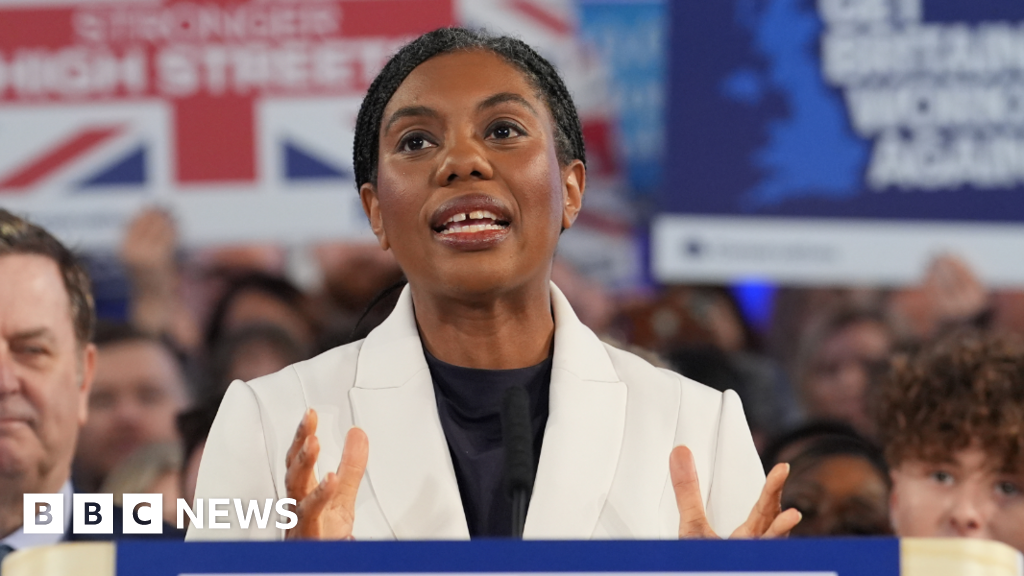
The Conservatives have indeed faced an uphill battle in national opinion polls, experiencing a period of sustained difficulty since the last general election in 2019 and facing significant challenges ahead of the anticipated next general election. However, Badenoch conveyed a message of resilience and resurgence to her rally attendees, confidently proclaiming that the party was "coming back." She painted a picture of an opposition content with mere criticism, accusing other parties of failing to "do the work" required to address the nation’s pressing issues. In stark contrast, she championed the Conservatives as possessing the requisite "courage, the competence, and the team" to genuinely "get Britain working again."
Badenoch also signalled a shift in the party’s approach, indicating a willingness to make tough decisions even if they prove unpopular with some segments of the electorate. "Not everyone will like their plans, but that’s okay," she asserted, drawing a line under past perceived attempts to appease all factions. "We are no longer going to try to please everyone all the time." This declaration underscored a more decisive and perhaps less conciliatory stance, reflecting a desire to forge a clear identity and purpose. She acknowledged and apologised for "mistakes that were made on tax, on immigration," demonstrating a degree of introspection, but swiftly pivoted to a warning against entrusting the nation’s future to what she described as "third-rate people who do not know what they are doing." This blend of self-reflection and sharp criticism of rivals aimed to position the Conservatives as the only credible option for governance.
Central to the Conservative local election platform is a tangible policy aimed at bolstering the English economy: a pledge to exempt retail, hospitality, and leisure firms from the business rates tax. This exemption would apply up to an annual limit of £110,000 per year, a move designed to alleviate financial burdens on high street businesses, support job creation, and stimulate local economies that have often struggled in recent years. This targeted relief, the party argues, demonstrates a practical understanding of the challenges faced by local businesses and a commitment to fostering vibrant community hubs.
Beyond local initiatives, Badenoch also used the launch to articulate broader policy ambitions that the Conservatives would pursue should they secure victory in a future general election. A cornerstone of this national agenda is a robust commitment to law and order. Badenoch promised an injection of £800 million into policing, earmarking these funds for the recruitment of an additional 10,000 police officers. Crucially, she pledged to "tell them their job is to catch criminals," a statement aimed at reassuring a public often concerned about rising crime rates and perceived leniency. Her message to offenders was unequivocal: "I’ve got a message for shoplifters, phone thieves, violent thugs: your days of getting off scot-free are numbered." This firm stance on crime and punishment is intended to resonate with voters prioritising public safety and a sense of order.
The local elections on May 7 are not just about national political narratives; they are fundamentally about the delivery of essential public services. Around 5,000 council seats across 136 councils will be contested, with the successful candidates taking responsibility for a myriad of local functions. These include the provision of social care for vulnerable residents, efficient rubbish collections, local housing policies, planning applications, the maintenance of local roads and infrastructure, and the oversight of local education services. The calibre of local councillors directly impacts the daily lives of citizens, making these elections highly significant for community well-being.
Adding a layer of complexity to the electoral calendar, ministers had previously authorised 30 councils to defer their elections. This postponement was enacted to facilitate major reorganisations of local government structures, aimed at improving efficiency and service delivery in specific areas. However, May 7 will also be a busy day for voters beyond England’s local authorities. Elections are scheduled for representatives in the national parliaments of Scotland and Wales, where distinct political dynamics and regional issues will be at play. Furthermore, mayoral elections will be held in several key London boroughs – Croydon, Hackney, Lewisham, Newham, and Tower Hamlets – as well as in Watford. These mayoral contests often carry significant local influence, shaping urban development, transport, and public services within their respective jurisdictions. The breadth of these simultaneous elections underscores the intricate and multi-layered nature of the UK’s democratic system, providing a comprehensive barometer of public sentiment across various levels of governance.
As Kemi Badenoch embarks on this crucial campaign, her rhetoric is clearly designed to galvanise the Conservative base and persuade wavering voters that her party, despite its recent challenges, possesses the clarity of purpose and the practical solutions needed to navigate the country’s future. The forthcoming elections, therefore, represent not just a test of local popularity but a significant indicator of the national mood and the trajectory of the Conservative Party under its current leadership.



 Roy Suryo

 Nakalama John
 atisusanti
