Ramos Leo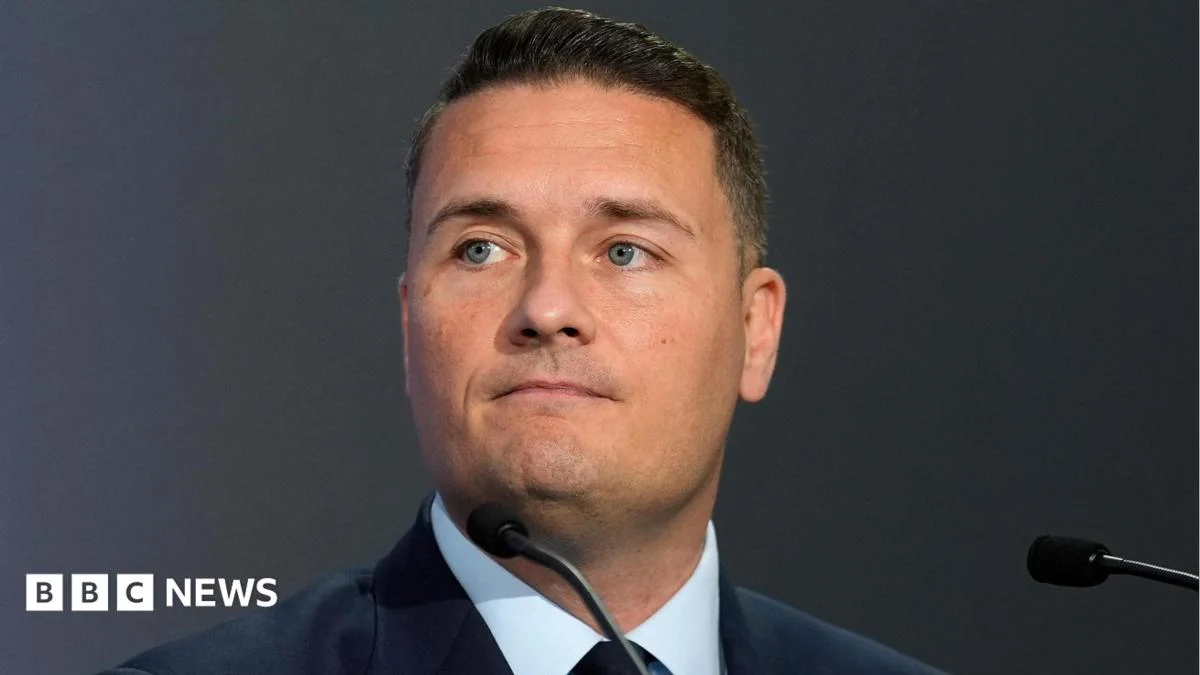
The United Kingdom remains resolute in its stance against provocative rhetoric, with Wes Streeting, a prominent political figure, unequivocally stating that the nation should not be intimidated by Iran’s recent "sabre rattling." When questioned about Iran’s potential capability to launch an attack against the UK, Streeting emphasised a need to disregard such threats, asserting, "I think we shouldn’t put too much stock in the sabre-rattling of Iran, and we certainly shouldn’t be intimidated by what the regime has said this week." This declaration underscores a firm British resolve amidst escalating regional tensions, projecting an image of calm strength rather than apprehension in the face of perceived Iranian belligerence. The "sabre rattling" likely refers to a series of escalating verbal warnings, threats to maritime navigation, or heightened military posturing from Tehran, often in response to perceived Western aggression or sanctions. Such pronouncements are a common feature of geopolitical tensions, designed to project strength and deter adversaries, but the UK’s position is clearly to not allow such rhetoric to dictate its policy or induce fear among its populace.
Crucially, Streeting reiterated a consistent UK foreign policy position regarding any potential large-scale conflict involving the United States and Iran, stating, "we have not joined and will not join offensive US military action in Iran." This categorical statement reaffirms the UK’s commitment to an independent foreign policy, even when diverging from its closest ally. This stance highlights a significant area of strategic difference between London and Washington, particularly concerning the deployment of offensive military force in the highly volatile Middle East. While the UK and US share deep intelligence ties and often align on diplomatic and defensive strategies, the decision to abstain from offensive military action in Iran reflects a calculated choice to prioritise de-escalation and avoid contributing to a wider conflict that could destabilise the region further. The phrase "US war against Iran" in the original context likely refers to the prospect or threat of a large-scale offensive military campaign, which the UK has consistently sought to avoid.
Despite this divergence on offensive action, Streeting was quick to highlight a critical area of absolute alignment between the two nations: "That’s an area where we have not agreed with the United States, but when it comes to securing maritime freedom and free commercial shipping in the Strait of Hormuz, that’s where we are absolutely aligned." This distinction is paramount. The Strait of Hormuz, a narrow waterway between the Persian Gulf and the Gulf of Oman, is one of the world’s most critical choke points for oil and gas shipments. An estimated one-fifth of the world’s total oil consumption and a significant portion of its liquefied natural gas pass through this strait daily, making its security indispensable to global energy markets and economic stability. Any disruption, whether through mine laying, vessel seizure, or other forms of interference, can send shockwaves through international trade and energy prices. The UK’s unwavering commitment to ensuring safe passage through these vital international waters reflects its dedication to upholding international law, protecting global commerce, and mitigating the economic fallout of regional instability. This alignment with the US on maritime security underscores the shared strategic interest in maintaining the free flow of goods and energy, irrespective of broader disagreements on offensive military interventions.
In a demonstration of ongoing diplomatic engagement and coordination, Streeting announced his impending meeting with US Defence Secretary Pete Hegseth in the coming week. The purpose of this high-level discussion is to "bring the countries together," indicating a proactive effort to bridge any policy gaps and strengthen the enduring "special relationship" between the UK and US. Streeting expressed his delight at having already spoken to Hegseth by phone, where they had been "kicking around" ideas for enhanced cooperation. Such meetings are crucial for coordinating strategy, sharing intelligence, and ensuring that despite differences on specific military actions, the foundational alliance remains robust. Discussions would likely encompass a wide range of security issues, from intelligence sharing and joint naval exercises to diplomatic initiatives aimed at de-escalating regional tensions and preventing further conflict. The emphasis on "bringing countries together" suggests a desire to foster a unified front on shared concerns, particularly maritime security, while respecting each nation’s sovereign policy decisions.
A tangible commitment to addressing the immediate threats in the Strait of Hormuz was also articulated by Streeting, who confirmed that the UK is ready to lead a naval mission to help remove mines from the crucial waterway "when the conditions are right." This readiness underscores the Royal Navy’s specialist capabilities in mine countermeasures, a critical asset for safeguarding international shipping. The "conditions are right" clause implies a need for an appropriate international mandate, intelligence on mine locations, and a de-escalated security environment that would allow for such a dangerous and delicate operation. The UK has a long and distinguished history of naval presence in the region and possesses highly trained crews and advanced mine warfare vessels capable of undertaking such missions. The decision to lead such an initiative would not only demonstrate the UK’s operational leadership but also its commitment to collective security in one of the world’s most economically sensitive regions. Removing mines is a perilous task, requiring meticulous planning, advanced technology, and skilled personnel, highlighting the seriousness with which the UK views its role in ensuring global maritime safety.
The imperative behind securing safe shipping routes through the Strait of Hormuz was further underscored by Streeting, who directly linked the crisis’s impact to rising energy prices and the broader cost of living. Disruptions in this vital artery directly translate to increased shipping costs, higher insurance premiums for vessels, and critically, a reduction in the consistent supply of oil and gas to global markets. This scarcity, or even the perception of it, invariably drives up crude oil prices, which then cascade down to affect petrol and diesel prices at the pump, heating costs for homes, and the manufacturing and transportation costs for almost all goods. For the average British household, this means higher utility bills and increased prices for everyday necessities, exacerbating inflationary pressures and placing additional strain on household budgets. Streeting’s acknowledgement of this direct link highlights the pragmatic and domestic-focused reasons behind the UK’s proactive engagement in international maritime security, demonstrating that foreign policy decisions often have immediate and tangible impacts on citizens’ daily lives.
Beyond the immediate concerns in the Middle East, Streeting also addressed a separate, but equally pertinent, security issue closer to home: a recent Russian warship’s live-firing exercise in the English Channel. He dismissed the incident as "performative," suggesting it was more of a theatrical display of force intended for propaganda or intimidation rather than a genuine military threat. However, he quickly added that it served as "a reminder of the frankly unsafe and unprofessional way in which they have been conducting themselves." The English Channel is one of the busiest shipping lanes in the world, traversed daily by hundreds of commercial vessels, passenger ferries, and fishing boats. Conducting live-fire exercises in such a congested and critical waterway without adequate warning or adherence to international maritime safety protocols is inherently dangerous and irresponsible. It poses a direct risk to civilian shipping and demonstrates a blatant disregard for international norms and safety standards. Russia’s pattern of aggressive and unpredictable military maneuvers, including airspace incursions and submarine activity near UK waters, has long been a source of concern for NATO allies.
Branding the Channel incident "irresponsible," Streeting unequivocally stated that Russia continues to pose a significant threat to UK security. This threat manifests in various forms, from overt military posturing and intelligence gathering to sophisticated cyberattacks and disinformation campaigns. He lamented that the public often does not see "the enormous efforts that take place every day to counter Russian aggression," implying a substantial, often covert, commitment of resources and personnel to safeguard national interests. These efforts encompass a broad spectrum of activities, including advanced intelligence gathering by agencies like MI6 and GCHQ to anticipate and disrupt Russian hostile activities. On the military front, the Royal Air Force maintains Quick Reaction Alert jets to intercept Russian aircraft, while the Royal Navy patrols territorial waters and monitors Russian naval movements. The National Cyber Security Centre (NCSC) actively defends against state-sponsored cyber threats, and diplomatic efforts, including sanctions and expulsions of diplomats, are employed to pressure the Kremlin. Furthermore, the UK plays a pivotal role in NATO, contributing to collective defence and deterrence against Russian expansionism, particularly in Eastern Europe. This unseen but constant vigilance underscores the persistent and multifaceted nature of the threat posed by Russia, and the UK’s unwavering commitment to defending its sovereignty and international security.



 Roy Suryo
 Nakalama John
 atisusanti