
 Nana Banana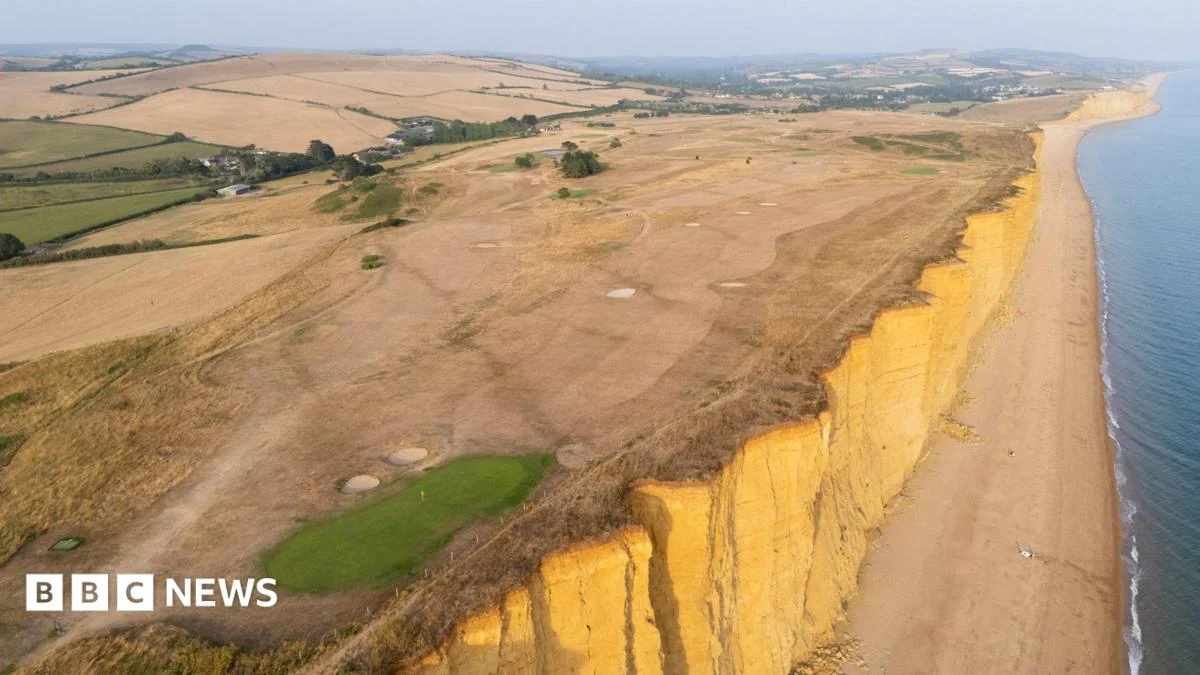
The announcement follows a period of exceptionally dry and hot weather, culminating in a comprehensive list of English regions now officially designated as being in drought conditions. This expansive geographical reach means a majority of England’s landmass and population are now subject to the implications of reduced water availability, necessitating careful management and public vigilance. While the focus remains on England, other parts of the UK are also contending with severe water stress. Natural Resources Wales confirmed last week that North Wales and the Upper Severn river basin have entered drought conditions, signaling similar challenges across the border. Scotland, which operates under a different classification system, does not formally declare drought but maintains a rigorous monitoring system for "water scarcity." According to the Scottish Environment Protection Agency (SEPA), some parts of eastern Scotland are currently experiencing the most extreme category of "significant scarcity," indicating severe environmental stress and potential impacts on water users.
Defining a drought is not a singular endeavor, as it encompasses various environmental and societal factors. Typically, it refers to a prolonged period of unusually dry weather that exerts significant impacts on people, nature, and the environment. The Environment Agency’s decision-making process for declaring a drought is comprehensive, evaluating a multitude of factors. These include not only rainfall deficits but also observed river flows, groundwater levels, reservoir storage, soil moisture content, and the actual or anticipated impacts on public water supply, agriculture, industry, navigation, recreation, and, crucially, the environment and wildlife. This holistic assessment ensures that a declaration accurately reflects the multi-faceted nature of water scarcity.
The current year has presented an unusual hydrological profile, contributing to the rapid onset of drought. January and February saw very wet conditions across much of the UK, which initially helped to replenish reservoirs and groundwater reserves, offering a sense of security. However, this early abundance was swiftly eroded by an exceptionally hot and dry late spring and summer. July, in particular, delivered almost no rainfall to many parts of the country, exacerbating the problem. The relentless combination of minimal rainfall and persistently high temperatures has led to increased evaporation rates from land surfaces, rivers, and reservoirs. This intense evaporative demand, coupled with negligible replenishment, has quickly depleted water reserves in soils, vegetation, and rivers, pushing the system into crisis.
This rapid depletion has resulted in what hydrologists term a "flash drought." Unlike traditional droughts that unfold gradually over many months or even years, a flash drought manifests quite suddenly, often following a period of normal or even above-average rainfall. It is characterized by an abrupt and intense period of high temperatures, low humidity, and strong winds, which accelerate evaporation and desiccate landscapes at an alarming rate. The speed of onset leaves little time for adaptation or mitigation, making its impacts particularly acute and challenging to manage.
The agricultural sector is at the forefront of feeling the immediate and severe consequences of this flash drought. Paul Tompkins, deputy president of the National Farmers’ Union of England and Wales (NFU), articulated the gravity of the situation, stating, "Farmers and growers have always had to contend with the weather, but what they are experiencing now is climate change in action. More extreme conditions [are] making it harder, riskier and more costly to produce the nation’s food." Farmers are grappling with parched fields, reduced crop yields, and increased irrigation demands, putting immense pressure on already strained water resources. Livestock farmers face challenges in securing adequate feed and water for their animals, with pastures wilting and feed prices potentially soaring due to widespread shortages. This direct threat to food production underscores Tompkins’ further assertion that the issue of drought is something that "should matter to everyone," as it directly affects the country’s food security and the livelihoods of those who feed the nation.
The frequency of such events is also a cause for significant concern. Today’s announcement marks the third drought declaration in England within the past five years, following similar crises in 2022 and 2025. This recurring pattern suggests a shift towards more frequent and intense periods of water scarcity, aligning with predictions of climate change impacts on the UK’s weather patterns. Compounding the drought conditions, some areas of the country are now experiencing their fourth heatwave of the year, further intensifying the pressure on water resources and human health.
The record-breaking temperatures recorded this summer serve as a stark reminder of the extreme conditions. On Wednesday, the Met Office confirmed that the new June temperature record, initially reported last month, was even higher than previously thought after rigorous verification processes. The previously reported figure of 37.7C in Lingwood, Norfolk, on 26 June 2026, has been officially updated to an astonishing 38.0C. This new benchmark not only smashes the UK’s previous June high of 35.6C but also highlights the unprecedented nature of the heat, which significantly contributes to the accelerated evaporation and desiccation driving the current drought.
Beyond agriculture, the environmental impacts of the drought are profound and widespread. Low river flows lead to reduced oxygen levels, stressing aquatic wildlife such as fish, invertebrates, and amphibians, and can result in fish kills. Wetlands, crucial habitats for numerous species, are drying out, threatening biodiversity. Terrestrial wildlife struggles to find water sources, and the increased dryness of vegetation significantly elevates the risk of wildfires, which can devastate ecosystems and pose a threat to human life and property. Ancient trees, which are less resilient to sudden changes in water availability, are also under severe stress, with potential long-term consequences for the UK’s natural heritage.
For the public, drought declarations typically trigger specific responses from water companies, including calls for voluntary water conservation and, more frequently, the implementation of mandatory restrictions such as hosepipe bans and sprinkler bans. These measures are designed to curb non-essential water usage and protect essential supplies for drinking, sanitation, and critical services. Water companies are also exploring all available options, including inter-basin transfers, increased abstraction from authorized sources, and public awareness campaigns, to manage demand and ensure resilience. The National Drought Group, comprising representatives from government, water companies, and environmental organizations, is coordinating a national response, strategizing on how to manage the immediate crisis and prepare for future events.
Looking ahead, the increased frequency of droughts and heatwaves necessitates a robust and adaptive long-term strategy for water management. This includes significant investment in water infrastructure, such as new reservoirs, leakage reduction programs, and advanced water recycling technologies. Promoting water efficiency across all sectors – domestic, industrial, and agricultural – is paramount. Furthermore, there is a growing imperative to develop more resilient farming practices that can withstand extreme weather events and to enhance natural water retention capabilities through land management practices like peatland restoration and sustainable forestry. The current drought serves as a critical reminder that water is a finite and precious resource, requiring collective responsibility and proactive measures to ensure its availability for future generations amidst a changing climate.




 Roy Suryo

 Nakalama John
 atisusanti
 Ramos Leo
