Roy Suryo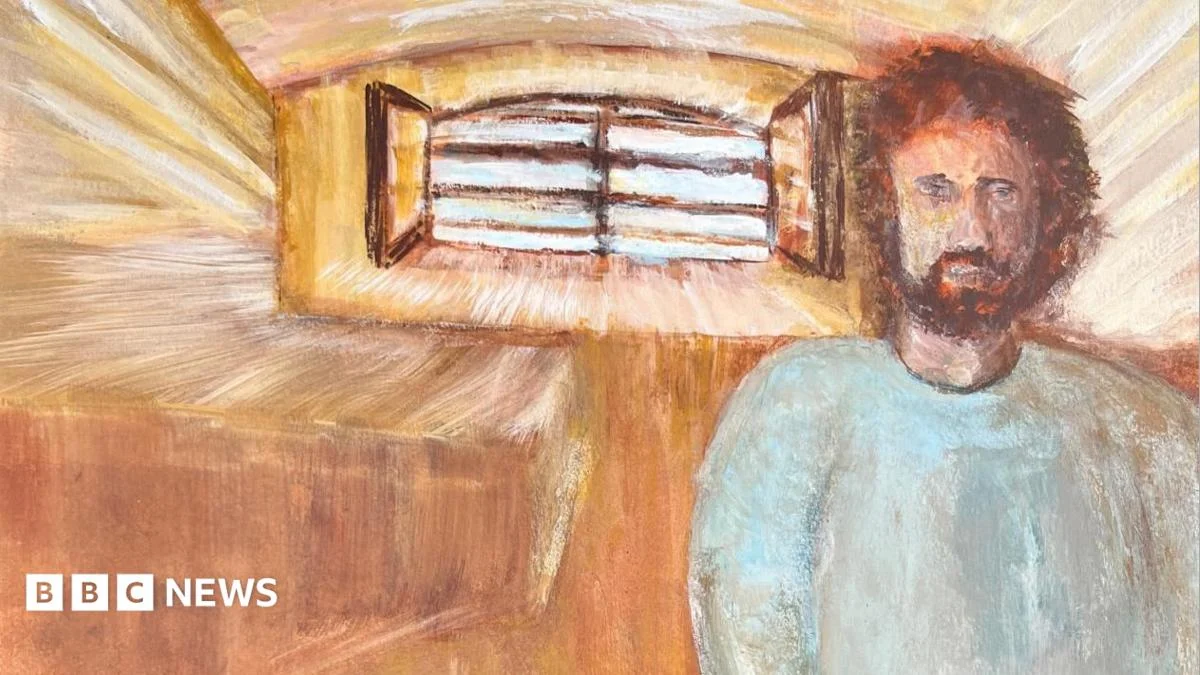
In a significant initiative aimed at fostering rehabilitation and positive change within the correctional system, HMP Erlestoke in Wiltshire has become a hub of artistic expression and personal growth, thanks to the groundbreaking Prison Art Project scheme. This innovative program, generously supported by the homeless charity ALABARÉ, is providing inmates with a powerful outlet for creativity, a pathway to improved mental well-being, and a tangible opportunity to contribute positively to society. The project empowers prisoners to not only create but also to sell their own unique artwork, with a substantial portion of the proceeds directly benefiting the artists themselves, fostering a sense of accomplishment and financial independence.
The impact of the Prison Art Project on the lives of the participants at HMP Erlestoke has been profound and far-reaching. Many prisoners have reported that the act of engaging in creative pursuits has had a transformative effect on their mental health and overall well-being. In the often challenging and restrictive environment of a prison, art offers a sanctuary, a space for introspection, emotional expression, and stress relief. The act of creation itself, from the initial spark of an idea to the final brushstroke or pencil line, can be incredibly therapeutic, allowing individuals to process complex emotions, reduce anxiety, and cultivate a sense of calm. This therapeutic benefit is crucial in the context of rehabilitation, as it addresses the underlying emotional and psychological factors that may have contributed to their past offending behaviour.
Beyond the immediate mental health benefits, the prisoners have also spoken about the deep sense of reward they derive from producing artwork. The tangible outcome of their efforts, a finished piece of art, represents a significant achievement. It is a testament to their dedication, skill, and their ability to focus on a constructive and positive activity. This sense of accomplishment can be a powerful motivator, helping to shift their mindset from one of past mistakes to one of future potential. The project provides a structured and engaging activity that combats idleness and boredom, common challenges within prison settings, and instead offers a meaningful pursuit that nurtures personal development.
Laura Joy, a key figure from ALABARÉ involved in the project, eloquently articulated the core mission and impact of the scheme. "Artwork really gives people a chance to do meaningful activity towards rehabilitation and to support better choices," she stated, highlighting the project’s dual focus on personal growth and societal reintegration. This sentiment underscores the understanding that rehabilitation is not merely about serving time, but about actively equipping individuals with the skills, mindset, and self-worth necessary to lead law-abiding and fulfilling lives upon their release. By providing a platform for artistic creation, the project fosters a sense of purpose and agency, encouraging prisoners to make positive choices and to envision a future beyond their current circumstances. The act of creating art can be a powerful tool for self-reflection, allowing individuals to explore their identity, values, and aspirations in a safe and non-judgmental environment.
The practical implementation of the Prison Art Project is meticulously designed to ensure accessibility and encourage participation. Each prisoner who joins the scheme is provided with a comprehensive art pack, a carefully curated collection of high-quality art supplies. These packs are equipped with a diverse range of materials, including vibrant acrylic paints, precise pencils, delicate watercolours, and versatile pastels. This provision ensures that participants have the tools they need to experiment with different mediums and techniques, fostering their artistic exploration and development. The only condition attached to receiving this generous art pack is the commitment to create up to four pieces of artwork. This manageable target encourages consistent engagement and allows for the development of a small portfolio of work.
The economic model underpinning the Prison Art Project is as innovative as its approach to rehabilitation. When a piece of artwork created by a prisoner is purchased, the artist receives a significant 50% of the profits. This direct financial reward is a crucial element of the scheme, providing tangible recognition for their efforts and a source of personal income. For individuals who may have been disassociated from financial responsibility, this offers a vital opportunity to develop budgeting skills, manage their own money, and experience the satisfaction of earning through legitimate and creative means. This economic empowerment can be a significant factor in building self-esteem and fostering a sense of value.
The remaining 50% of the proceeds from artwork sales plays an equally vital role in the sustainability and expansion of the Prison Art Project. This portion is reinvested directly back into the scheme, specifically to fund the purchase of new art materials for other prisoners who wish to participate. This creates a virtuous cycle, where the success of one artist directly contributes to the opportunities available for others. This self-sustaining model ensures the long-term viability of the project, allowing it to continue reaching and impacting more individuals within HMP Erlestoke and potentially beyond. It fosters a sense of community and shared purpose, as participants understand that their success contributes to the collective good of the program.
The Prison Art Project at HMP Erlestoke is more than just an art class; it is a comprehensive rehabilitation strategy that leverages the transformative power of creativity. By providing prisoners with the tools, support, and opportunities to express themselves artistically and to benefit financially from their creations, the project is fostering a culture of positive change. It is empowering individuals to confront their past, build new skills, improve their mental well-being, and develop a stronger sense of self-worth. The success of this initiative highlights the immense potential of art as a tool for rehabilitation, offering a pathway towards a more constructive and hopeful future for those within the correctional system. The project’s emphasis on meaningful activity, coupled with tangible rewards and a sustainable financial model, makes it a beacon of hope and a testament to the power of art to heal, inspire, and transform lives. The ripple effect of this project extends beyond the individual artists, potentially influencing the wider prison community and contributing to a more positive and rehabilitative environment. The artwork produced, when sold, also brings a piece of the prisoners’ journey and their artistic talent into the public domain, challenging perceptions and fostering understanding.




 George Anjay
 Nakalama John
 Ramos Leo
 Nana Banana