
 Nakalama John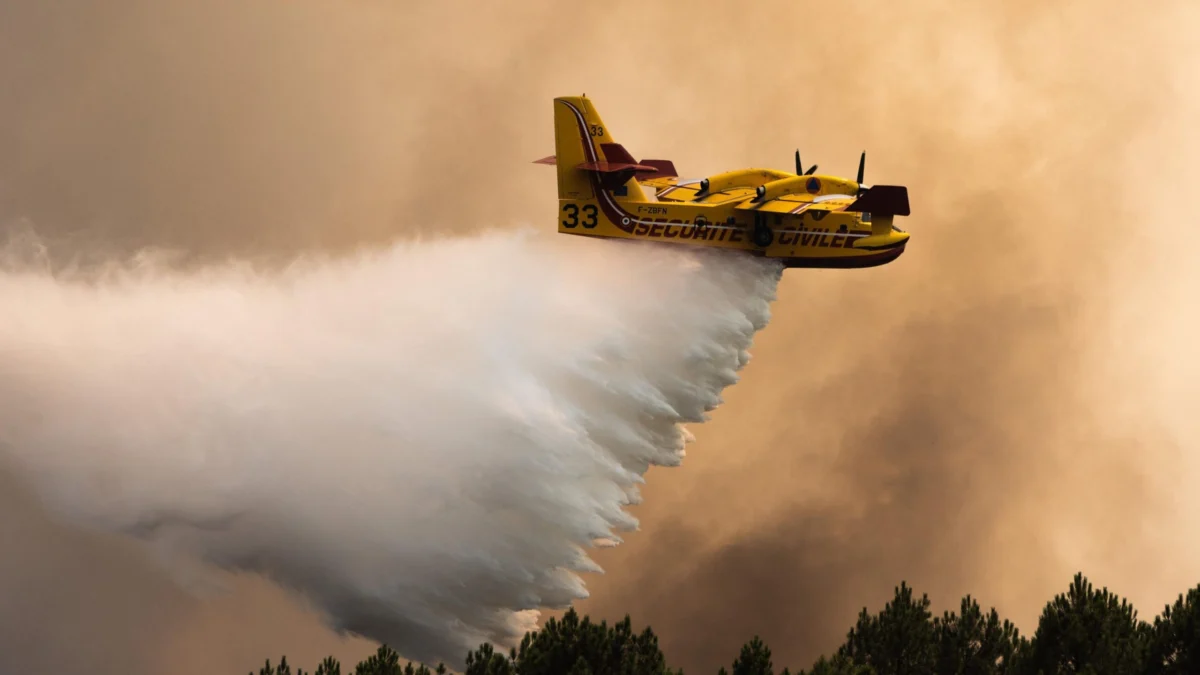
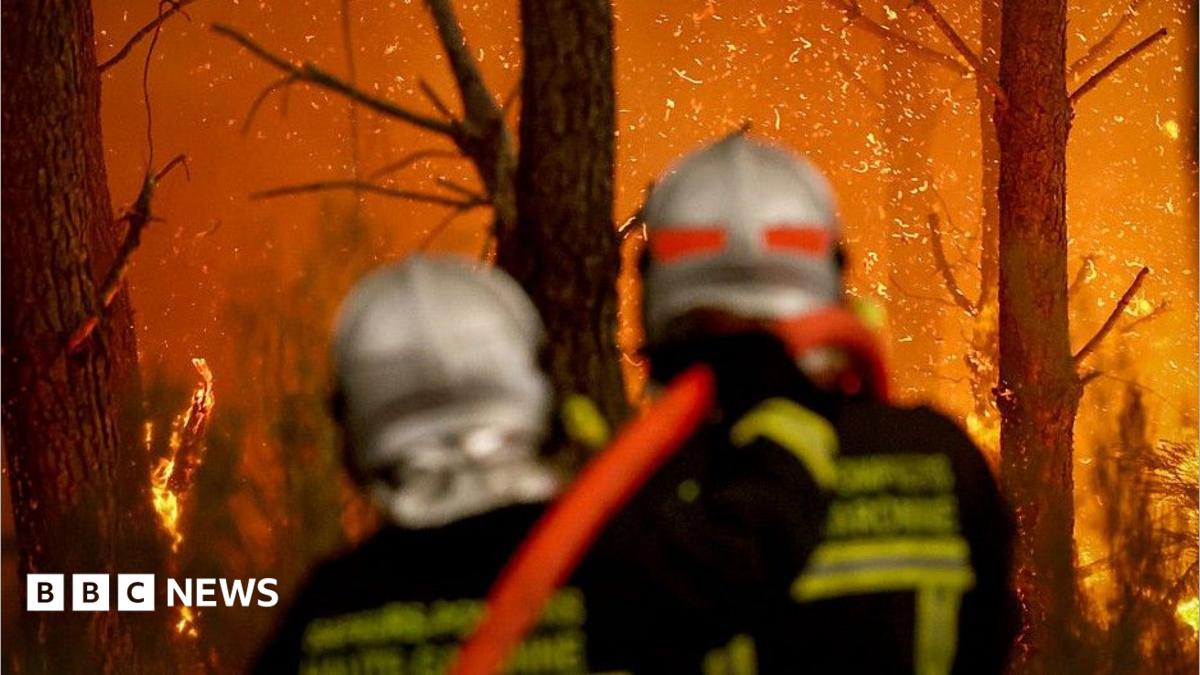
The images are disturbingly familiar: towering infernos consuming vast swathes of forest and countryside, met by the relentless efforts of human firefighters and the aerial assaults of water-dropping planes. This summer alone has seen hundreds of thousands of people evacuated across France, Spain, and Portugal as devastating wildfires rage, leaving a trail of destruction and loss. In France, the human cost has been particularly stark, with four firefighters tragically losing their lives and another 150 sustaining injuries while confronting these blazes. The stark reality prompts a critical question in our technologically advanced age: why are humans still on the front lines, often battling fires with methods that haven’t fundamentally changed in decades, when drones can replace soldiers in conflict zones? Why isn’t technology stepping in to protect those who put their lives on the line against these increasingly ferocious natural disasters?
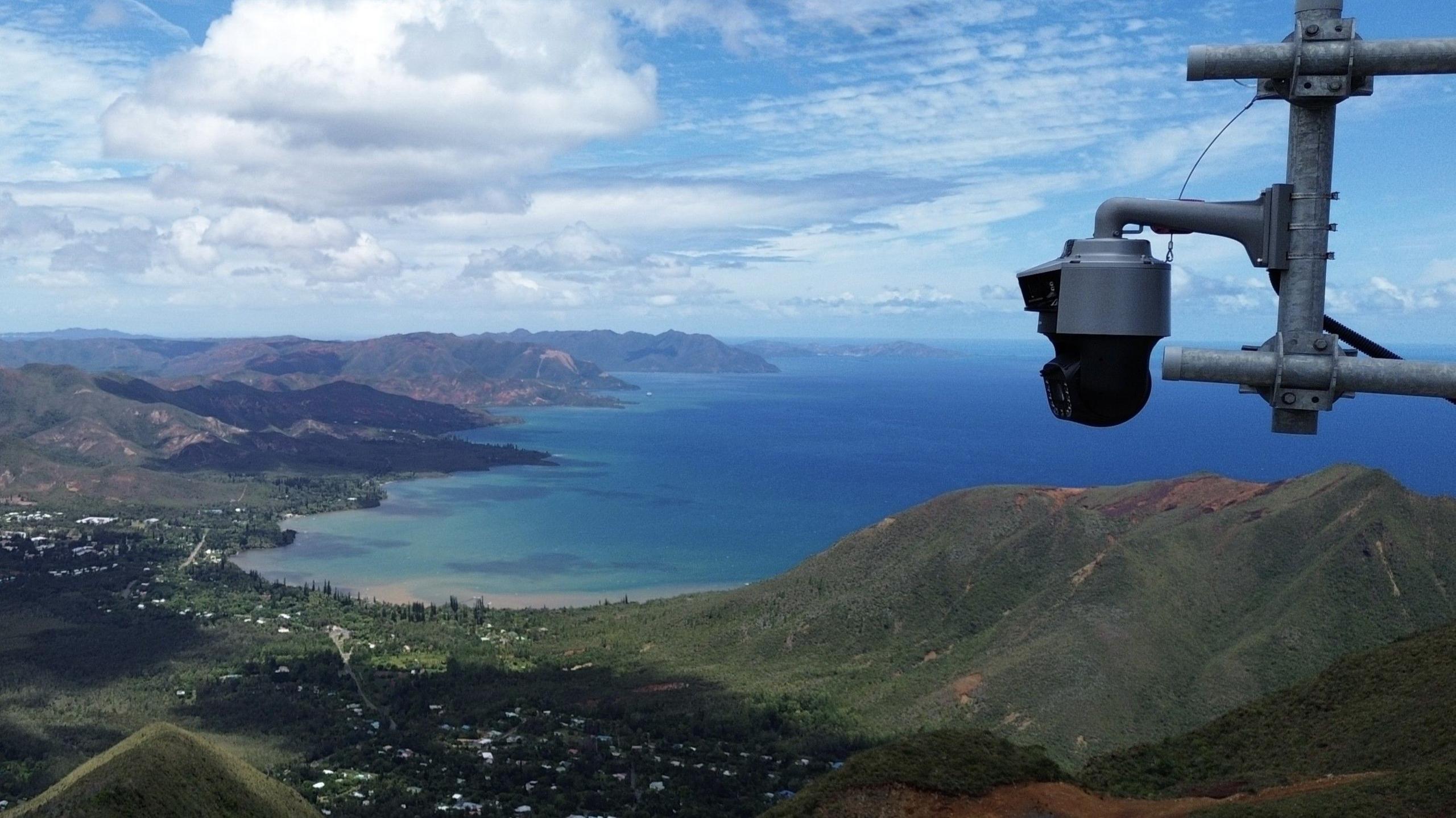
Chief Sergeant Guillaume Millet, a firefighter with 24 years of experience and head of the Fire and Rescue Service branch of the CFDT union in the Gironde – one of France’s regions hardest hit by wildfires – offers valuable insight. He acknowledges that while the core techniques for extinguishing fires have remained largely consistent, technology has made significant strides in the crucial area of fire detection. "The big change, especially in my département, is that now we’ve got cameras assisted by artificial intelligence to watch the forest and see where fires are starting," Millet explains.
The shift from human observation to AI-powered surveillance represents a major leap forward. In the Gironde, these advanced cameras have entirely replaced the traditional human lookouts who would staff watchtowers during the summer months – a role often filled by students. This technological transition has dramatically improved efficiency and accuracy. An AI-assisted camera, Millet points out, possesses an almost infallible ability to differentiate between genuine smoke plumes indicating a nascent fire and innocuous dust stirred up by a tractor in a field. This precision has significantly reduced the number of false alarms, allowing resources to be deployed more effectively and rapidly where they are truly needed. Furthermore, these sophisticated systems boast an impressive detection range, capable of identifying fires up to 20 kilometers (12 miles) away, providing critical early warnings across vast areas.
Companies like Midgard in the Gironde and FireTracking in other parts of France are at the forefront of implementing these innovative detection systems. Jean-Simon Chaudier, CEO of FireTracking, elaborates on the capabilities of their technology. "As soon as the system detects a fire, there’s an alert on the firefighters’ telephones. They open the application and see what the camera is seeing with a x40 zoom," he describes. But the utility extends far beyond simple visual confirmation. "Next to that real-time video there’s a map with the exact location of the fire, the position of any nearby houses and a simulation of how, given the weather, the level of humidity and so on, it is expected to spread from minute to minute," Chaudier adds. This comprehensive data empowers firefighters with unprecedented situational awareness, enabling them to make informed decisions about resource allocation and tactical approaches even before arriving on scene.
The value of this early detection cannot be overstated. Chaudier shares compelling feedback from a firefighter: "For the past 10 days, for example, we have the feedback from a firefighter that our AI detected seven fires 15 minutes before the first phone call." He underscores the profound impact of this time saving, stating, "If you can help a firefighter to save 15 minutes, it’s the difference between a catastrophe and a fire which can be limited to two or three hectares." This sentiment echoes a well-known adage in firefighting: "After one minute you can put out a fire with a glass of water, after two you need a tank of water, after three minutes you need to send a Canadair." The amphibious Canadair planes, capable of scooping thousands of liters of water from lakes, rivers, or the sea, are the heavy artillery of aerial firefighting, but even they are more effective when deployed against smaller, less established blazes.
FireTracking’s cameras currently monitor a million hectares, primarily across France. The investment, while substantial, demonstrates clear benefits. In the French département of Indre-et-Loire, 11 detection sites were installed at a total cost of €1.2 million (approximately $1.4 million or £1 million), covering an expansive 6,000 square kilometer area. This region, largely agricultural, faces a significant problem with crop fires, experiencing around 300 annually. Early detection here translates directly into reduced economic losses and greater safety.
The field of AI fire detection is poised for even greater advancements. The French civil protection service is developing the "Condor" program, which tests solar-powered drones designed for continuous aerial patrols. Equipped with electro-optical cameras and advanced AI, these drones could provide constant, wide-area surveillance. Elsewhere, projects like Spain’s SenForFire are exploring networks of ground-based sensors placed among trees, capable of detecting specific gases released in the very early stages of combustion, even before flames become visible. This proactive approach could provide an even earlier warning system, allowing for intervention at the earliest possible moment.
However, when it comes to direct firefighting, the role of drones and other robotics remains far more limited. Firefighter Guillaume Millet notes that while drones are being tested in France for sea rescue operations – deploying lifebuoys and survival kits – no drone technology has yet proven viable for direct wildfire suppression. "In fact, the usefulness of technology is very limited in this area," Millet asserts. "It can help us with detection but it’s not technology that puts out fires; you need people to pull the hoses through the forest to attack them."
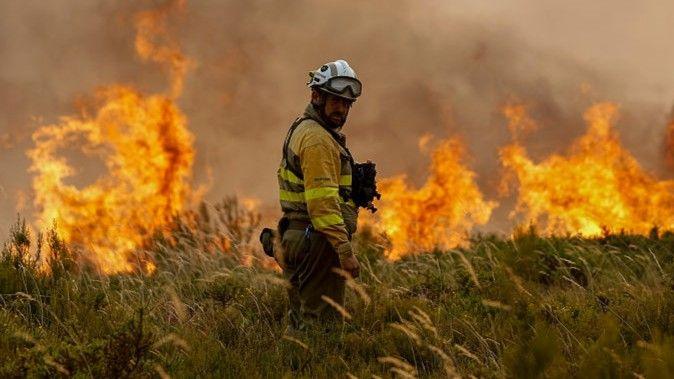
Even the impressive capabilities of aerial firefighting aircraft cannot fully replace ground forces. Millet explains, "When a Canadair drops 6,000 litres of water on a wildfire it reduces its intensity but then firefighters on the ground have to finish what the Canadair started." Similarly, Dash planes, which spray fire retardant (an orange powder primarily composed of ammonium phosphate) ahead of advancing flames, serve to slow the spread by preventing vegetation from igniting too quickly. Yet, this is a containment strategy, not a direct extinguishing one, and still necessitates the "brawn and water" brought by ground troops to fully suppress the blaze.
The question of whether technology could eventually take on a more direct role in firefighting is a continuous area of research and development. A French start-up called Daidelos, for instance, is actively seeking investment to develop a heavy-lifting, petrol-engine drone. If successful, this ambitious project envisions a drone capable of hovering over a fire and spraying up to 1.2 tonnes of water directly onto the flames. Such a capability could potentially reach areas inaccessible or too dangerous for human crews or even traditional aircraft.
Another innovative approach involves drones that drop specialized grenades. These grenades are designed to explode upon contact with extreme heat, dispersing a chemical powder that smothers the fire, cools the immediate area, and interrupts the combustion process. The hope is that such systems could form an autonomous first response, where sophisticated detection systems trigger drone activation almost instantaneously, allowing fires to be extinguished as they are just beginning. However, it’s crucial to acknowledge the limitations: these solutions would be ineffective against large, well-established wildfires, which require far greater volumes of water and sustained effort.
Beyond direct suppression, drones are also being developed for critical information gathering in hazardous environments. Researchers are working on drones that can fly in close proximity to active flames, collecting vital data that would be too risky for humans. This information – concerning smoke density, sudden weather changes, the structural integrity of burning trees or buildings, and fire behavior – could significantly enhance risk assessment and strategic planning before firefighters move in. This role emphasizes making the job safer and more effective for humans, rather than replacing them entirely.
Ultimately, while technology is undeniably transforming the landscape of wildfire management, particularly in detection and strategic support, the human element remains irreplaceable in the direct battle. As Gironde firefighter Guillaume Millet succinctly puts it, "It’s always the firefighters on the ground, pulling the hoses, who extinguish the fires." This fundamental truth has held since the inception of modern fire brigades in the 17th century and shows no immediate signs of changing. The future of fighting wildfires will likely be a synergistic one: advanced technology will continue to evolve, providing earlier warnings, better data, and safer tools, but it will serve as a powerful ally, not a substitute, for the courage, expertise, and sheer physical effort of the men and women who stand between the flames and our communities.



 atisusanti
 Nana Banana
 George Anjay

 Ramos Leo