
 Nakalama John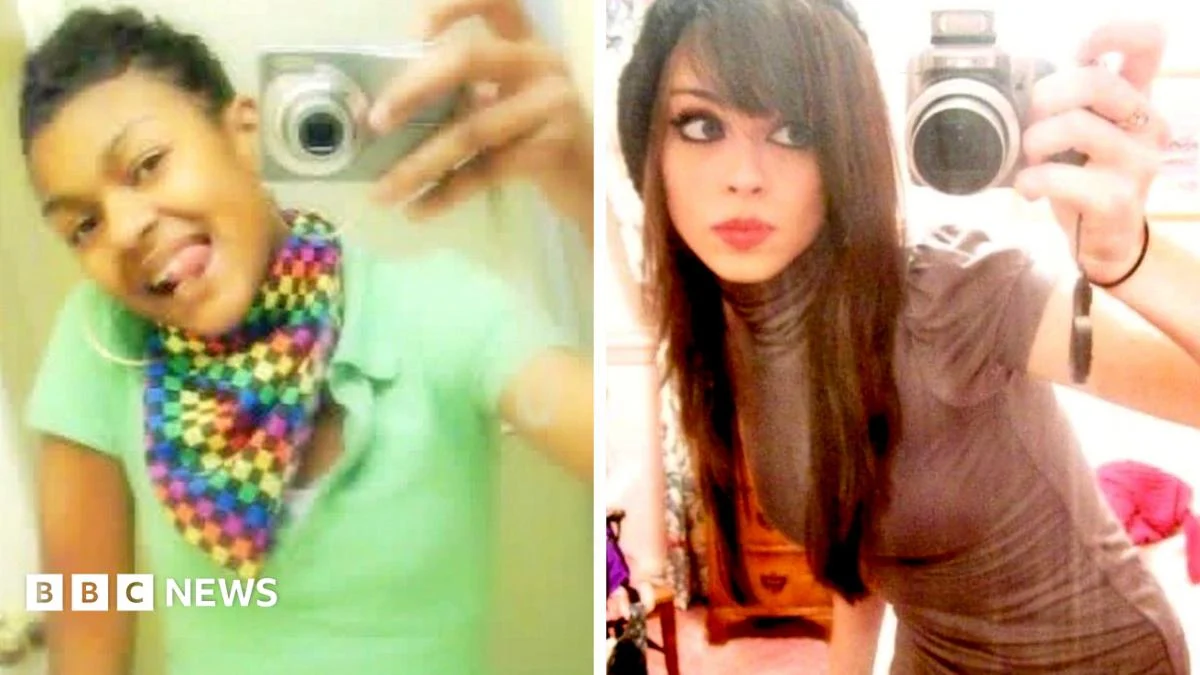
For Monticah Hawkins, a 31-year-old real-estate agent in Atlanta, MySpace wasn’t merely a website; it was a deeply ingrained ritual, a foundational element of her early digital life. Before the ubiquitous, polished feeds of Instagram or the rapid-fire content of TikTok, MySpace offered a different kind of online existence. "You could be authentic on MySpace," she reflects, her words carrying a yearning for a bygone era. "Upload raw images, no filters. You could have snot coming out your nose and nobody would judge." This sentiment encapsulates a core desire among a generation that witnessed the birth and evolution of social media: a return to unfiltered self-expression, a digital space free from the relentless pressure of perfection that defines contemporary platforms.
MySpace, once the undisputed titan of social networking, is now teasing a potential resurgence. Its current owners, brothers Tim and Chris Vanderhook, have publicly hinted at plans to relaunch the iconic platform. While no specific date or product details have been unveiled, and a spokesperson for Viant, which owns MySpace, states there are "no updates to share at this time," the mere suggestion of a comeback has ignited a fervent wave of nostalgia. For those who vividly recall the MySpace days of more than two decades ago, the platform represented a digital frontier where personal pages were vibrant, often chaotic, and profoundly individualistic.
This tantalizing prospect has also captured the attention of influential creators, including Melissa Kristin, a TikTok star boasting over 900,000 followers. Having grown up navigating the MySpace ecosystem, Kristin remembers it as a uniquely personal digital realm. "It was all very much your own little world, your own corner of the internet," she explains, highlighting the sense of ownership and creative control users enjoyed. This autonomy wasn’t just a fleeting experience; it fundamentally shaped how she approaches and expresses herself online today. Kristin firmly believes that any revived MySpace must consciously eschew the pervasive algorithmic, "pay-to-play" dynamics that have come to dominate modern social media. Instead, she envisions a platform primarily designed for genuine human connection rather than the pursuit of viral performance. "Just to recapture that high we felt as millennials when we got all the friend requests and comments," she adds, underscoring the psychological gratification derived from those early, organic interactions. "It helped us feel connected."
Launched in 2003, MySpace swiftly transformed into a global cultural phenomenon. It wasn’t just a place to connect with friends; it became an indispensable launchpad for emerging artists across various genres. Bands like Arctic Monkeys, singers like Adele, and hip-hop stars such as Nicki Minaj found their earliest audiences and cultivated dedicated fan bases through the platform’s music-sharing capabilities and customizable artist profiles. Users could embed their favorite songs directly onto their pages, discovering new music organically through their friends’ profiles or dedicated artist pages, fostering a vibrant, decentralized music discovery engine.
However, the very features that once made MySpace revolutionary eventually became its Achilles’ heel. Its highly customized pages, often adorned with intricate HTML/CSS coding, auto-playing music, and busy, clashing layouts, began to feel cumbersome and outdated. The learning curve for creating a truly personalized page was steep, and the resulting aesthetic could be overwhelming. Facebook, with its cleaner, simpler design, streamlined user experience, and initial focus on real-world connections, began to siphon users away. MySpace subsequently struggled through a series of redesigns and ownership changes, losing its mainstream appeal and gradually fading into the annals of internet history.
Marketing experts contend that any successful MySpace comeback hinges on a profound understanding of this past. Dr. Alexa Fox, a marketing professor at the University of Akron, points out that MySpace was a "first mover" in social media, pioneering many concepts that are now standard. Yet, she notes, it ultimately became "too complex for many users." Fox believes that MySpace’s original strengths—its emphasis on music, boundless creativity, and authentic personal expression—could still resonate powerfully with today’s audience. However, she stresses that these attributes must be reimagined with a far more accessible and user-friendly design. "It could be more user-friendly, with less coding involved," she suggests, implying a need for intuitive customization tools that don’t require technical expertise.
Alex Mills, a seasoned social media strategist who has spearheaded campaigns for major brands like Spotify and Adobe, offers a nuanced perspective. He observes that the very "feed without algorithms" that people now yearn for was paradoxically "the thing that killed it" in MySpace’s initial run. Without sophisticated content curation, users could quickly become overwhelmed by a deluge of unprioritized updates, making discovery challenging and engagement difficult to sustain. Yet, Mills acknowledges a contemporary craving for something better than the current landscape. "People still want a feed," Mills asserts. "They just want a better one than the ones optimising for rage bait." This points to a desire for feeds that prioritize genuine interest, positive interactions, and user control over the manipulative, engagement-at-all-costs strategies employed by many current platforms.
Kevin McClary, head of performance marketing at Gorilla 76, advocates for a strategic niche approach, advising MySpace not to attempt direct competition with digital behemoths like Meta, TikTok, or X. "They can be successful and sustainable even as a niche platform," he argues, proposing that its identity should be deeply rooted in 2000s culture. McClary believes that leaning heavily into MySpace’s historical music identity could be a particularly smart move. This could manifest through the return of beloved features like profile songs, but also extend to broader initiatives such as 2000s-themed festivals and exclusive merchandise, creating a vibrant cultural ecosystem around the brand.
Furthermore, McClary sees the potential for an audience broader than just former users. He highlights the growing trend among younger generations who are actively embracing early-2000s aesthetics and technologies they never experienced firsthand. "You see younger generations now buying old point-and-shoot digital cameras, MP3 players, even film cameras," McClary observes. "They clearly have an interest in the past." MySpace could tap into this burgeoning "aesthetic nostalgia" by positioning itself as a dedicated space rooted in a "specific time." He notes that creators producing 2000s-style content on other platforms are often "at the mercy" of algorithms that may not favor their niche, suggesting MySpace could offer a haven for such creative expression.
Dr. Fox concurs that differentiation is paramount for any MySpace revival. "MySpace shouldn’t hang their hat on features other platforms already dominate," she advises, specifically pointing to short-form videos and "Reels"-style content. While popular formats can certainly be integrated, she emphasizes they should not define the platform’s core identity. Fox also identifies a significant opportunity to offer a calmer, more deliberate online experience. She contrasts this with today’s feeds, which are "algorithmic-driven AI, constantly in your face." A platform where users regain more control over their experience, or simply feel less overwhelmed by a barrage of content and notifications, could carve out a distinct and appealing niche in an increasingly crowded and frenetic digital market.
For dedicated fans like Monticah Hawkins and Melissa Kristin, the appeal of a MySpace comeback is as much emotional as it is practical. Both affirm their willingness to return if the platform successfully preserves its original spirit – that unique blend of authenticity, creative freedom, and genuine connection. For now, MySpace’s resurgence remains largely a promise, a powerful reminder of a time when social media felt distinctly less polished and considerably more personal. As Hawkins poignantly asks, reflecting on the platform’s potential return, "Are you still gonna have that same feeling? Are you still gonna feel like, ‘oh my god, somebody loves me?’" The answer to that question will ultimately determine if MySpace can indeed reclaim a piece of its former glory.

 atisusanti
 Nana Banana
 George Anjay
 Ramos Leo