
 Ramos Leo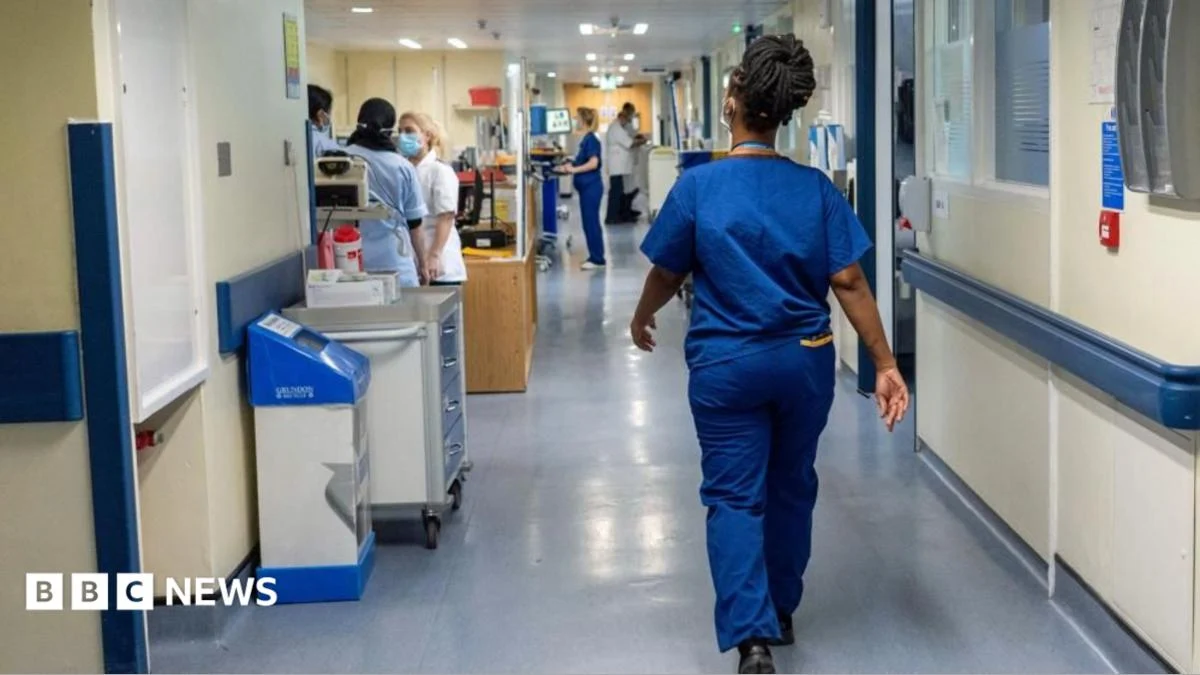
At the heart of the controversy is the impending dissolution of Healthwatch England (HWE) and the Health Service Safety Investigation Bureau (HSSIB). Healthwatch England, established as an independent national champion for patients and users of health and social care services, currently operates through a network of over 150 local organisations across England. Its core mandate involves gathering patient experiences, identifying common issues, and ensuring that these insights inform service design and delivery. It acts as a critical independent voice, challenging providers and commissioners to improve quality and safety based on real-world feedback.
Under the government’s proposals, Healthwatch’s responsibilities are slated to be transferred to integrated care boards (ICBs) and local authorities. This move, according to the Liberal Democrats, creates an inherent conflict of interest. While the government claims this will streamline processes and embed patient feedback more directly, critics argue it means the very bodies responsible for commissioning and providing services would also be responsible for responding to feedback about their own performance, rather than being subjected to independent scrutiny. The ability of patients to raise concerns and have them heard without fear of repercussion, and crucially, without being filtered by the service provider itself, is seen as fundamentally compromised.
Equally concerning is the proposed abolition of the Health Service Safety Investigation Bureau (HSSIB). HSSIB’s unique role has been to conduct independent, ‘no-blame’ investigations into serious patient safety incidents across the NHS. Its methodology focuses on identifying systemic issues and learning opportunities rather than apportioning blame, fostering a "safe space" where staff can openly report incidents and contribute to investigations without fear of punitive action. This approach is widely regarded as vital for promoting a culture of continuous learning and improvement in complex healthcare environments.
The government intends to transfer HSSIB’s functions to the Care Quality Commission (CQC), which is primarily a regulatory body responsible for inspecting and rating health and social care services. While the CQC plays a crucial role, the Liberal Democrats argue that absorbing HSSIB’s investigative functions into a government-run regulator raises significant questions about the preservation of its independence and the critical "safe space" protections for staff. They fear there is no guarantee that staff who raise safety concerns under the CQC’s remit would be given the same assurances of anonymity and protection from disciplinary action, potentially chilling the reporting of vital safety information.
The government’s overarching justification for these sweeping changes is a desire to "strip back bureaucracy" and improve patient safety by redirecting resources to frontline services. They contend that the current system is overly complex and that centralising functions will lead to greater efficiency and a more unified approach to healthcare management. In a speech on NHS reform in January, then-Shadow Health Secretary Wes Streeting, who has been critical of the current system, stated that while "there are many decent people working at Healthwatch who care, the job of listening to patients can’t be farmed out to an arm’s length body. It must be core business for the NHS. That is why we’re taking it back in-house and I won’t back down on that either." This perspective suggests a belief that direct ownership of patient feedback by providers will be more effective.
However, the Liberal Democrats have vehemently rejected this rationale, warning that the proposed reforms risk a return to an era of diminished accountability, potentially paving the way for another Stafford Hospital scandal. This historic tragedy, which unfolded at the Mid Staffordshire NHS Foundation Trust between 2005 and 2008, saw systemic failures in patient care, neglect, and abuse lead to hundreds of unnecessary patient deaths – a Healthcare Commission report found at least 400 more deaths than expected. The scandal, one of the biggest in NHS history, underscored the critical importance of robust independent oversight, patient advocacy, and a culture where concerns are heard and acted upon without obstruction. The Lib Dems argue that dismantling independent bodies like Healthwatch and HSSIB directly undermines the lessons learned from Stafford.
Beyond Healthwatch and HSSIB, the NHS Modernisation Bill also includes measures such as the abolition of NHS England, with its responsibilities to be further centralised under the Department of Health and Social Care (DHSC). NHS England currently holds significant strategic and operational responsibility for the day-to-day running of the NHS, including commissioning services and overseeing performance. Its abolition aims to centralise the running of health and social care services, ostensibly to reduce bureaucracy and allow more resources to be delivered to frontline healthcare services. Critics, however, fear this could lead to increased political interference in operational matters, reduce the operational autonomy of the NHS, and potentially create a less agile and responsive system.
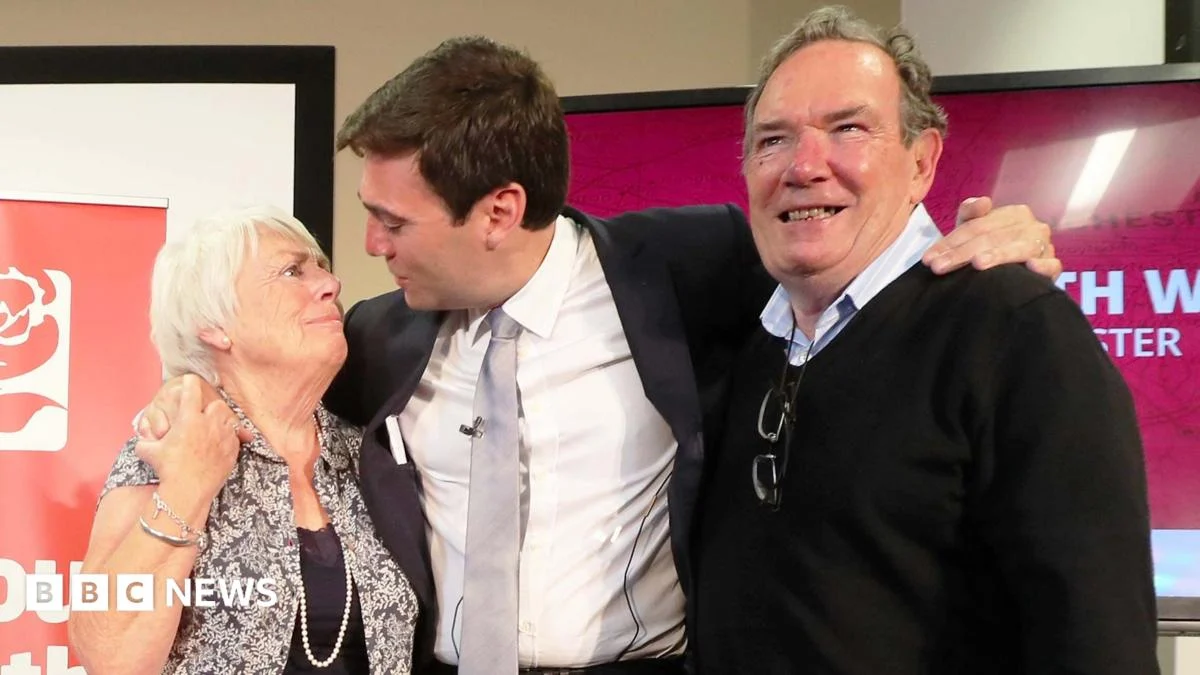
The NHS Modernisation Bill is currently at the report stage and was due for a third reading on 7 September. Liberal Democrat health spokesperson Helen Morgan described the proposed changes as "a catastrophic step backwards" and branded them the "greatest backward step in patient safety in a generation." She stated, "Andy Burnham must urgently put an end to this, and fix the Health Bill so that modernising the NHS doesn’t come at the expense of accountability, transparency or patient safety." This appeal to Andy Burnham, who was Health Secretary in 2009 when the Healthcare Commission’s report on Stafford Hospital was released and subsequently launched an independent inquiry in 2010, highlights his historical connection to the issue of patient safety and accountability within the NHS, even if he is no longer in a ministerial role. It underscores the Lib Dems’ attempt to leverage his moral authority and past experience to advocate for a change in direction from the current government.
Furthermore, the Liberal Democrats point out that the current bill, in their interpretation, removes the duty for the NHS to cooperate with the Care Quality Commission in providing key safety data and removes automatic "safe space" protections for whistleblowers. These are critical provisions that ensure transparency and encourage reporting of issues without fear of reprisal, both vital components of a robust patient safety framework.
In response to these concerns, amendments have been tabled by the Liberal Democrats to cancel the proposed changes to Healthwatch and HSSIB, as well as to reinstate crucial protections. The party is "urging the new Burnham administration to adopt them," which, in the context of the political landscape, likely refers to urging the Labour party (of which Burnham is a prominent figure) to support these amendments and influence the government’s direction. The Liberal Democrats have vowed to robustly fight the government’s proposals in the House of Lords, where Labour does not hold a majority, suggesting a strategic parliamentary battle to protect what they see as essential patient safeguards.
A DHSC spokesperson, defending the reforms, stated that the NHS Modernisation Bill "explicitly preserves safe space provisions and staff will continue to be protected." They asserted that "the reforms we are introducing will give patients a stronger, clearer voice at the heart of health and social care," implying that direct integration of feedback mechanisms will be more effective than independent oversight.
However, the concerns are not limited to the Liberal Democrats. In May, the Local Government Association (LGA) also voiced strong opposition, telling the BBC that disbanding Healthwatch would be a "significant step back" in accountability. The LGA warned, "Without an independent, locally rooted voice to challenge and represent communities, there is a risk of duplication and gaps in accountability." This sentiment is echoed by many patient advocacy groups who fear that without a dedicated, independent body, patient concerns might be diluted, ignored, or simply absorbed into the very systems they are meant to scrutinise. The existence of over 150 local Healthwatch organisations in England underscores the widespread, community-level presence and impact that these bodies currently have, providing a vital link between patients and service providers.
The debate surrounding the NHS Modernisation Bill highlights a fundamental tension between the drive for efficiency and reduced bureaucracy on one hand, and the preservation of independent oversight and patient advocacy on the other. While the government prioritises streamlining and direct integration of feedback, the Liberal Democrats and other critics contend that true patient safety and accountability demand independent scrutiny, robust whistleblower protections, and a clear voice for patients that is distinct from the providers themselves. The outcome of this legislative battle will have profound implications for the future landscape of patient safety and accountability within the National Health Service.

 George Anjay
 Nakalama John
 atisusanti
 Roy Suryo
 Nana Banana