Nana Banana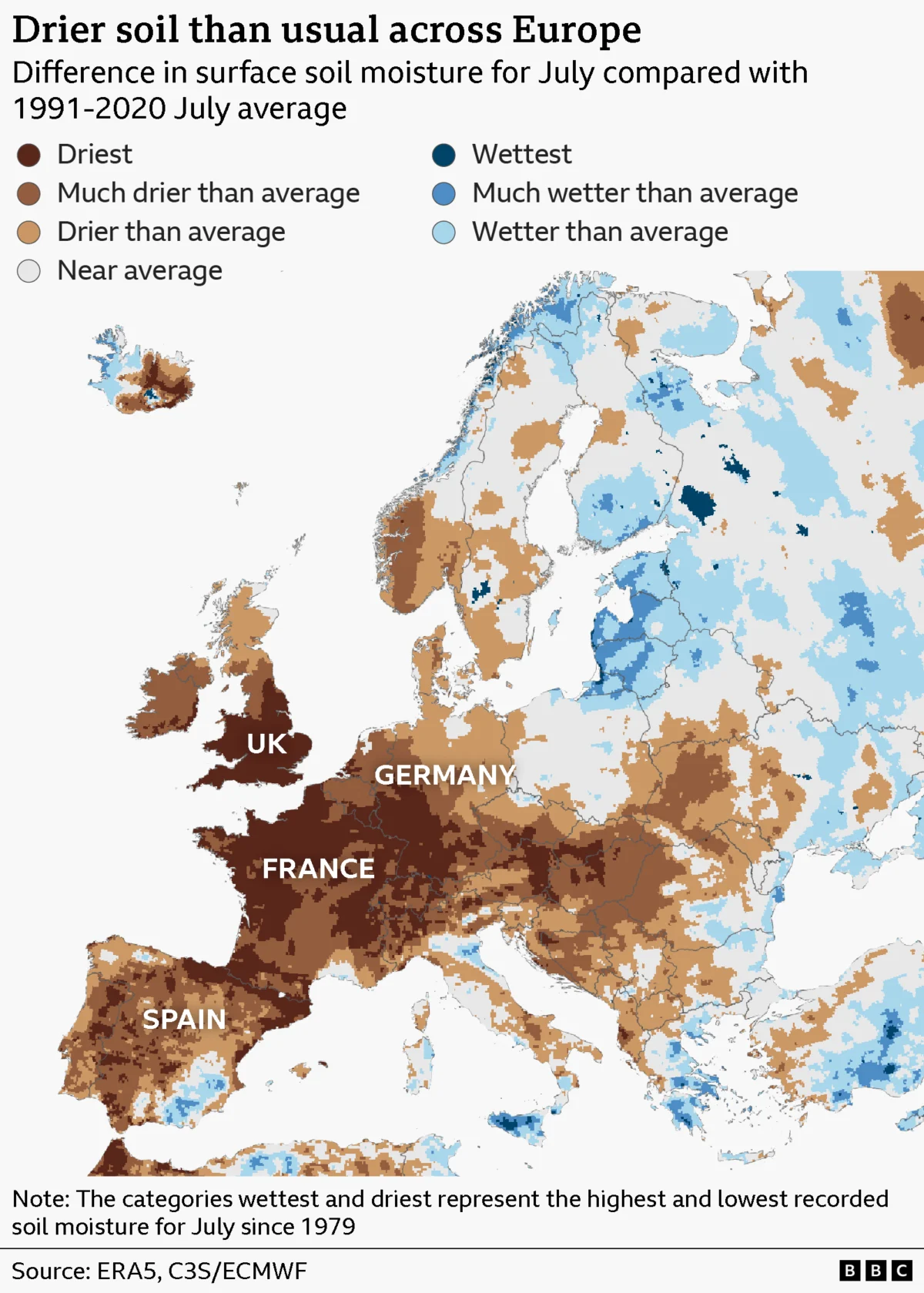
El Niño, a natural climate pattern characterized by the warming of ocean surface waters in the central and eastern tropical Pacific, plays a significant role in global weather phenomena. While a natural occurrence, its current development, combined with the underlying heat accumulated from anthropogenic greenhouse gas emissions, is amplifying temperature spikes and leading to more severe and unpredictable extreme weather events worldwide. Beyond the oceans, July also marked a grim milestone for global air temperatures, registering as the joint second-warmest July globally on record, with average temperatures a staggering 1.47 degrees Celsius above the estimated pre-industrial average. This figure highlights the pervasive nature of the warming trend impacting both marine and terrestrial environments.
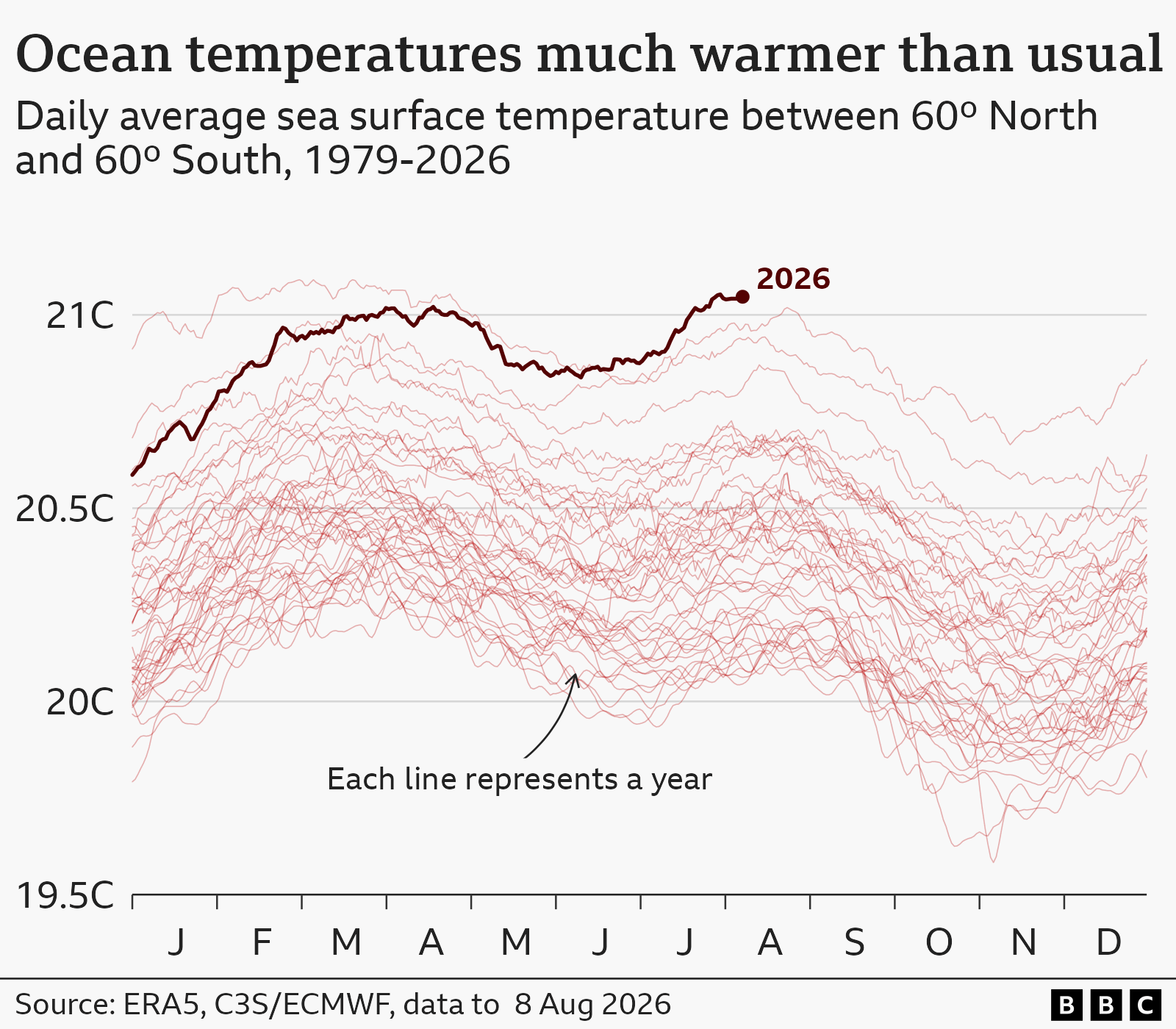
The exceptionally high sea temperatures were not uniformly distributed but were particularly pronounced across much of the tropical Pacific, where El Niño conditions are not only developing but are also forecast to intensify significantly in the coming months. This strengthening El Niño is expected to exert further pressure on global temperatures, potentially pushing them even higher in the near future. The effects of ocean warming were also acutely felt in European waters, where sea surface temperatures in July reached unprecedented highs along the Atlantic coast and throughout the western Mediterranean Sea. These regional anomalies contributed directly to the widespread occurrence of strong and severe marine heatwaves, threatening delicate marine ecosystems and the livelihoods that depend on them. Marine heatwaves can lead to coral bleaching, mass mortality events for various species, and shifts in species distribution as organisms seek cooler waters, ultimately disrupting complex food chains.
Concurrently, Western Europe experienced its hottest June and July on record, a period characterized by prolonged hot and dry conditions that served as a dangerous catalyst for extreme wildfires across the region. The UK, not immune to these trends, braced for its fifth heatwave of the year, with persistent dry weather intensifying pressure on already-strained water supplies and leading to further declarations of drought in multiple areas. These interconnected events paint a stark picture of a climate system under immense stress.

Oceans are indispensable regulators of the Earth’s climate, performing the crucial service of absorbing the vast majority of excess heat generated by greenhouse gas emissions. They also act as the planet’s lungs, producing approximately half of the Earth’s oxygen. However, as ocean waters warm, their capacity to absorb carbon dioxide diminishes, leading to a detrimental feedback loop where more heat-trapping gas remains in the atmosphere, exacerbating global warming. Furthermore, higher ocean temperatures have profound adverse effects on marine ecosystems. Species are forced to migrate in search of cooler habitats, leading to significant disruptions in delicate food chains and biodiversity. The thermal expansion of warming water also contributes to sea-level rise, posing long-term threats to coastal communities globally.
The severity of the heat extremes in Western Europe is particularly striking. The average temperature across the region for June and July climbed to 21.62 degrees Celsius, a staggering 2.79 degrees Celsius above the historical average for this two-month period, marking it as the highest on record. Samantha Burgess, strategic lead for climate at the European Center for Medium-Range Weather Forecasts, emphasized the gravity of the situation, stating, "July 2026 was the third consecutive month of exceptional heat in western Europe." She explained that persistent high-pressure systems effectively trapped heat over the region, while severely dry soils reduced the natural cooling effect that evaporation normally provides. "This is a clear example of how climate change is intensifying heat extremes, with heat and drought increasingly reinforcing one another," Burgess added, highlighting the dangerous synergy between these two critical environmental challenges.
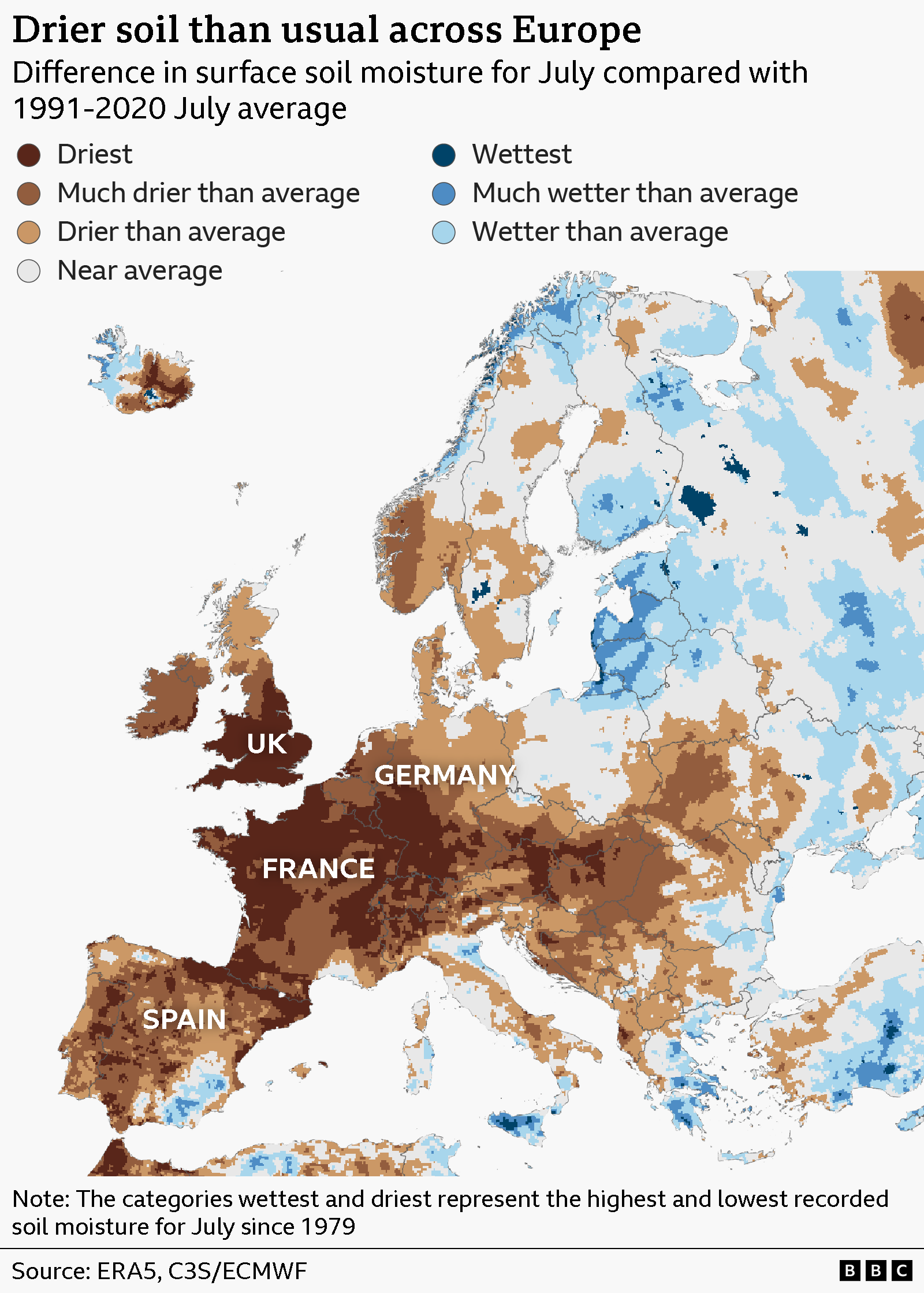
The widespread drought conditions across Western Europe were evident in exceptionally low rainfall and soil moisture levels recorded in France, Spain, parts of Germany, and the UK. Soil moisture levels were notably lower than even those observed in 2022, a year already marked by severe drought across the region. This deficiency had a direct and alarming impact on river levels, with major waterways such as the Seine, Rhine, and Danube recording much lower, and in some instances, exceptionally low flows. Such diminished river levels create cascading problems, intensifying pressure on vital water supplies for human consumption and agriculture, threatening aquatic ecosystems, hindering river transport, and impacting energy production, particularly for hydroelectric power plants.
The prolonged hot and dry spell created ideal conditions for wildfires, which raged across Western Europe last month with what the Copernicus Atmosphere Monitoring Service described as "exceptional activity" in terms of the area burned and the volume of smoke and emissions generated. Laurence Rouil, director of the Copernicus Atmosphere Monitoring Service, noted that "Climate change is increasingly bringing the kinds of hot and dry conditions that favour large, high-intensity wildfires in southern Europe while extending the fire season northwards." He further explained that larger fires produce more smoke, injecting it higher into the atmosphere, which allows it to travel much further. This means that even countries historically less prone to wildfires could find themselves increasingly affected by smoke plumes originating from distant blazes, posing significant public health concerns.
In the United Kingdom, the relentless dry spell intensified the strain on already stretched water resources. England and Wales endured their driest July in 190 years of record-keeping, a statistic that led to large parts of England and all of Wales being officially declared in drought. The Environment Agency issued stern warnings that further areas of England could face similar declarations if the dry conditions persist, underscoring the urgent need for water conservation and adaptive management strategies.
The concept of extreme weather becoming the "new normal" is no longer a distant threat but a present reality, as articulated in the latest Met Office report on the UK’s climate. This comprehensive assessment revealed a stark transformation: the hottest day of the year in southern England is now, on average, 4.5 degrees Celsius warmer than it was between 1961 and 1990. Mike Kendon, a Met Office climate information scientist, delivered a sobering assessment: "We are right now living in a time of historic and unprecedented change," adding unequivocally that "evidence shows the climate of the 20th century has now gone."
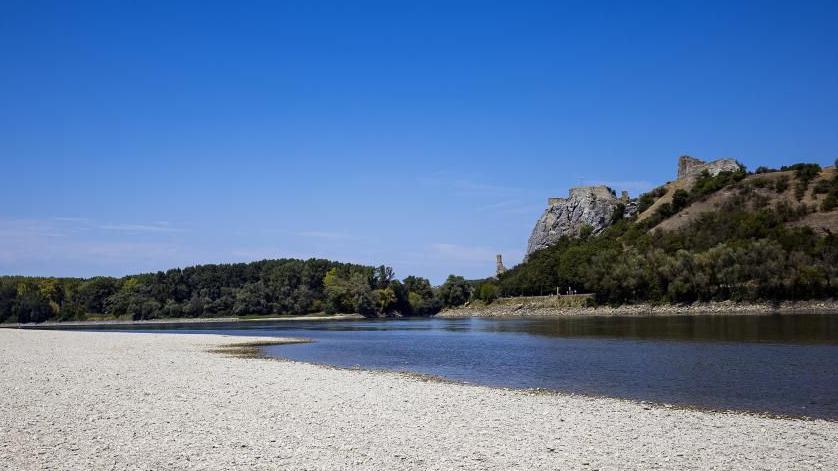
Scientists are clear that while El Niño may temporarily push global temperatures even higher, its effects are occurring against a critical backdrop of relentless man-made warming, primarily driven by the burning of fossil fuels. The world is now approximately 1.4 degrees Celsius warmer on average than it was in the late 19th Century. This sustained warming trend, manifested in record-breaking ocean temperatures, widespread heatwaves, devastating droughts, and intensified wildfires, serves as a powerful and urgent reminder of the profound and far-reaching consequences of climate change and the imperative for immediate and drastic global action to reduce greenhouse gas emissions.



 George Anjay
 Nakalama John
 atisusanti
 Ramos Leo