Nana Banana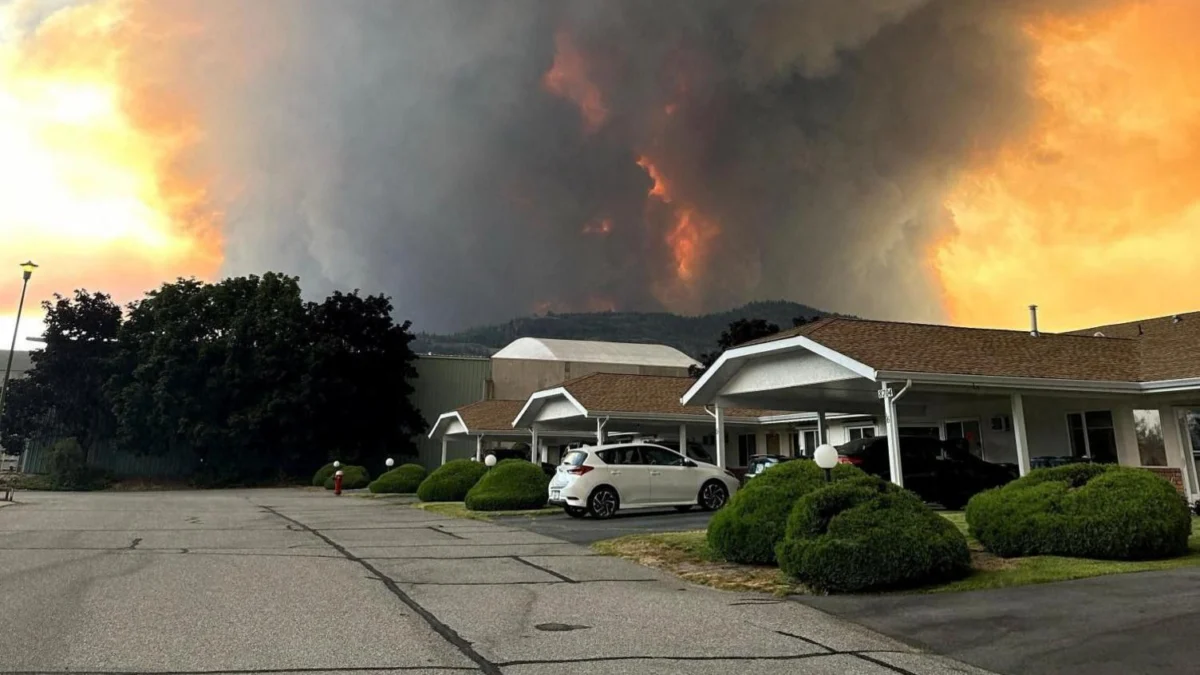
The Okanagan region, a jewel in British Columbia’s crown, has been particularly vulnerable due to a protracted and severe drought. As of July, Okanagan Lake, the lifeblood of many communities and a crucial component of the area’s agricultural success, registered its lowest water levels since 1992. This persistent aridity has transformed vast tracts of forest and scrubland into a tinderbox, priming the landscape for the kind of explosive fires now ravaging the province.
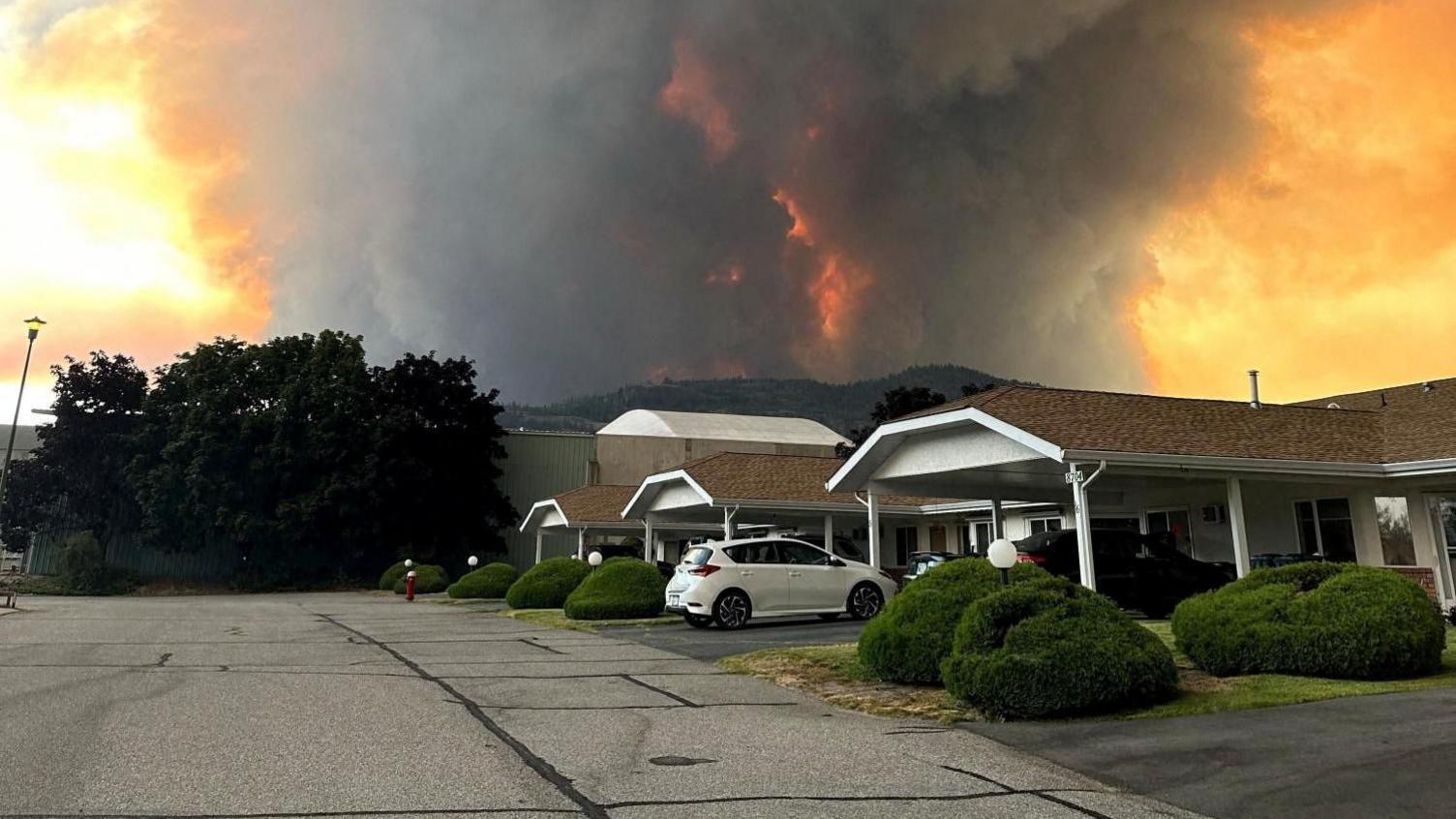
Officials in British Columbia are currently grappling with the immense task of assessing the full extent of the damage wrought by the Bald Range fire, which, as of Monday, remained fiercely out of control. The immediate priority remains the safety of residents, with over 12,000 individuals across the affected area still under mandatory evacuation orders, their lives uprooted by the advancing flames. The human cost of this crisis was tragically underscored on Sunday when police confirmed the death of an 80-year-old woman, who perished while attempting to escape the wildfire’s relentless advance. Her death serves as a stark reminder of the immediate and lethal dangers posed by these rapidly moving infernos.
The Bald Range wildfire is not an isolated incident but rather one of more than 100 active wildfires currently burning across British Columbia. A troubling surge saw 70 new fires ignite within just the past week, overwhelming firefighting resources and straining emergency services. In response to the escalating crisis, British Columbia’s premier, David Eby, declared a provincial state of emergency over the weekend. This critical measure empowers authorities with enhanced capabilities to coordinate resources, enforce evacuation orders, and mobilize essential personnel and equipment. Premier Eby issued an urgent plea to residents, emphasizing the critical importance of heeding all evacuation orders and warnings, highlighting the unpredictable and "incredibly quick" movement of the fires.
Among the thousands forced to flee is Keegan Radomski, an 18-year-old from Summerland, another community situated on the shores of Okanagan Lake, just south of Peachland. Her account vividly illustrates the suddenness and terror of the evacuation. Radomski shared with the BBC that she barely managed to retrieve her mother’s ashes before witnessing the fire breach her family’s property line. "We’ve had a lot of close calls before, but it’s never been like this," Radomski explained, articulating the widespread sentiment of unprecedented severity. "You always think it’s not going to be you, and then it’s you."
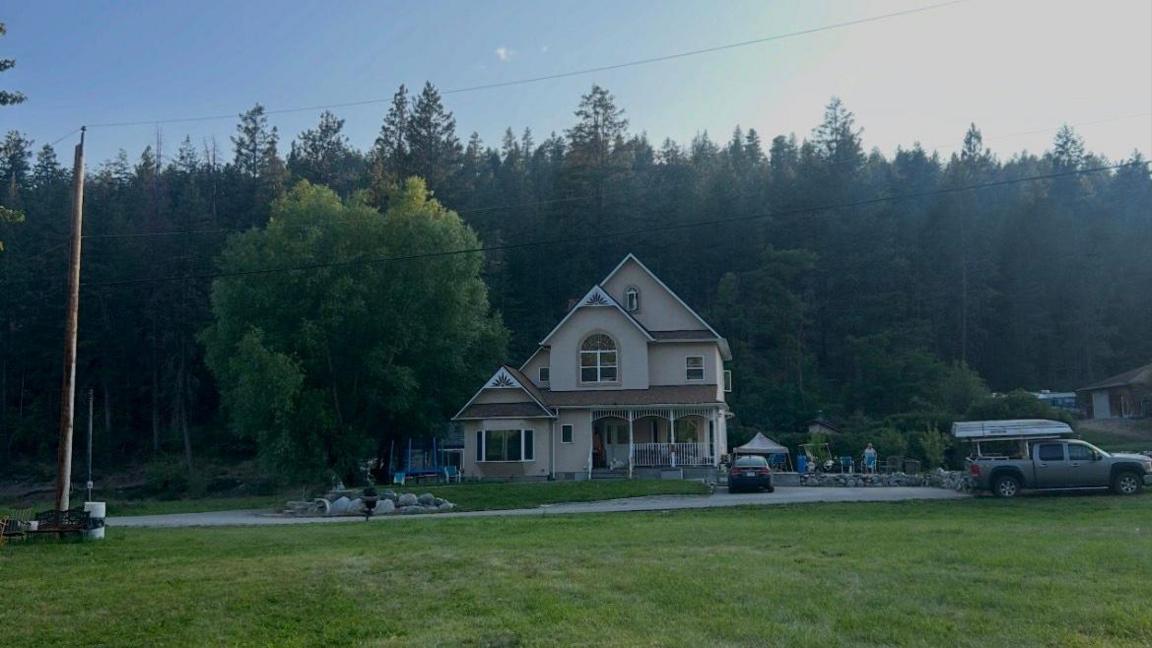
The home Radomski fled held deep personal significance, having been lovingly built by her grandmother 30 years ago. Growing up in the Okanagan Valley, Radomski and her family were accustomed to the annual rhythm of wildfire season and the occasional issuance of evacuation notices. However, nothing prepared them for the sheer velocity of this particular fire. On Friday evening, while enjoying dinner, the family observed wildfire smoke in the distance. Less than four hours later, the situation had deteriorated dramatically. Radomski described a frantic scramble to get everyone out as she watched a hill on their property ignite. The lingering uncertainty about whether her family’s cherished home survived the conflagration, and the indeterminate wait before she can return to assess the damage firsthand, adds another layer of emotional burden to her displacement.
The current fire emergency in the Okanagan follows closely on the heels of another devastating blaze in the region, the Bradley Creek fire, which is estimated to have destroyed over 200 homes. While the Bradley Creek fire has since been declared "held" – a testament to the "tireless work" of dedicated wildfire crews – its destructive path serves as a grim precursor to the current crisis. The containment of Bradley Creek offers a small measure of relief, but the relentless pace of new ignitions underscores the profound challenges facing the province.
The severe drought conditions fueling British Columbia’s fires are not confined to Canada’s borders. Just south, in the US state of Washington, similar environmental factors have contributed to a significant wildfire crisis, forcing more than 65,000 people to evacuate their homes. This cross-border impact highlights the regional nature of these climate-driven events, where environmental vulnerabilities do not respect geopolitical lines.
The summer of intense wildfires has also gripped Europe, where countries like Spain and France have battled their own devastating blazes amid record-high temperatures and persistent drought. France has experienced its worst fire season in two decades, while officials in the Spanish capital, Madrid, have described the current fires as the most severe the region has ever encountered. These widespread incidents, from North America to Europe, paint a global picture of communities grappling with increasingly frequent and intense extreme weather events.
Wildfires are an inherent, natural component of the ecological cycle within Canada’s vast boreal forest. However, a growing consensus among experts points to climate change as a critical factor in exacerbating these events. Specifically, hotter and drier weather patterns, a direct consequence of a warming climate, have contributed to a significant increase in the intensity and frequency of wildfires over the past decade. The year 2023 stands as a sobering benchmark, having recorded Canada’s worst wildfire season in history in terms of the total area burned. This trend signals a "new normal" for many Canadian communities, particularly those in forested regions like British Columbia, necessitating a fundamental shift in disaster preparedness and forest management strategies.
The Okanagan Valley, with its specific geographical characteristics – dry interior climate, abundant forests, and proximity to human settlements – is particularly susceptible. The challenging terrain, often mountainous and remote, complicates firefighting efforts, requiring extensive aerial support and highly trained ground crews. The economic ramifications are also significant. The region’s vibrant tourism industry, reliant on its natural beauty and outdoor activities, and its world-renowned wine industry face severe disruption, with long-term impacts on local livelihoods and the broader provincial economy.
Beyond the immediate danger and property loss, the psychological toll on evacuees is immense. The uncertainty of not knowing if one’s home still stands, the trauma of sudden displacement, and the potential loss of cherished possessions create deep emotional scars. For many, the road to recovery will be long, involving complex insurance claims, the daunting prospect of rebuilding, and the emotional challenge of reintegrating into communities irrevocably altered by fire. As Canada and the world confront these escalating climate-driven disasters, the stories from Peachland and Summerland serve as poignant reminders of the urgent need for adaptation, resilience, and concerted action to address the root causes of our warming planet.



 George Anjay
 Nakalama John
 atisusanti
 Ramos Leo