Nana Banana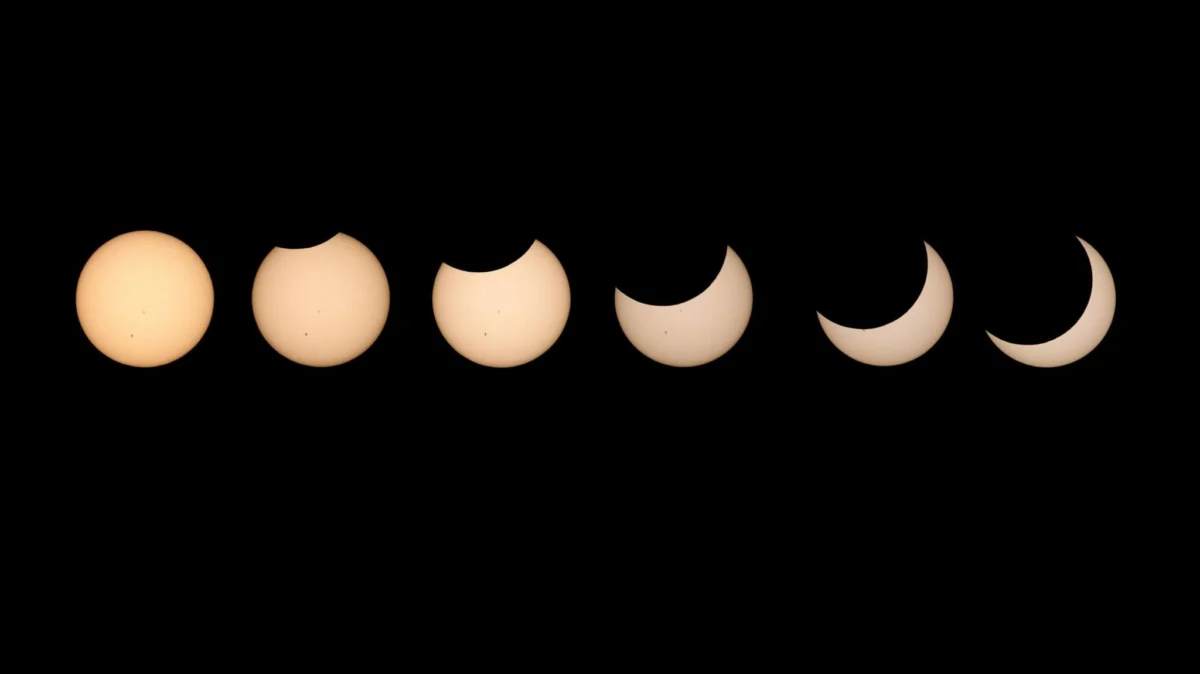
People across Scotland are poised to witness the most dramatic solar eclipse in nearly three decades this Wednesday, a celestial event that promises to be a memorable spectacle for astronomers and casual sky-gazers alike. Up to an astounding 95% of the Sun will gradually disappear behind the Moon, offering a rare and significant partial eclipse visible from the UK, a phenomenon unmatched in scale since the total solar eclipse of August 1999. The entire astronomical event is expected to unfold over approximately two hours, providing ample time for observation, provided the skies are clear. However, paramount to any viewing plans is the critical warning: never, under any circumstances, look directly at the Sun without proper protection. This comprehensive guide details everything you need to know about experiencing this partial solar eclipse safely and effectively in Scotland.
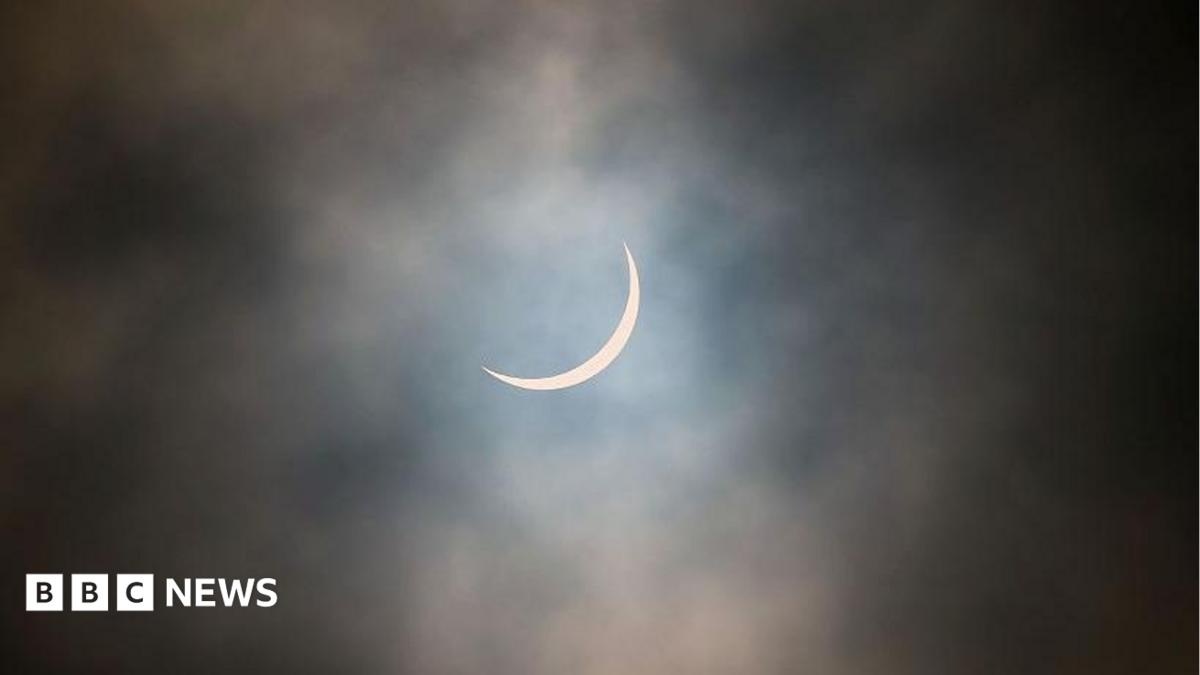
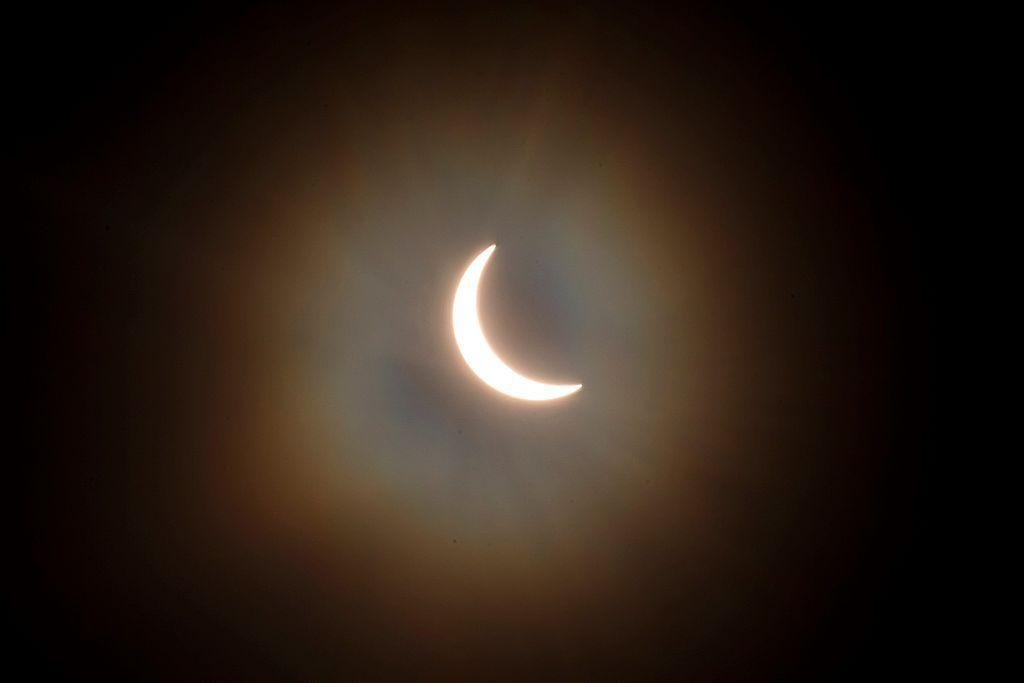
The upcoming partial solar eclipse is a consequence of the Moon’s orbital path carrying it between the Sun and Earth. While parts of Spain and Portugal will be fortunate enough to experience the breathtaking phenomenon of a total eclipse, where the Moon completely obscures the Sun’s disc, Scotland will be "agonisingly close," as Astronomer Royal for Scotland Prof Catherine Heymans noted. This means that while we won’t see the full darkness and the Sun’s magnificent corona, the Moon will obscure a substantial portion – up to 95% – of our star, transforming its appearance into a slender, luminous crescent. This level of obscuration makes it an exceptionally rare and significant event for the Scottish skies, far surpassing the more minor partial eclipses that occur more frequently.
For those eager to witness this rare alignment, understanding the precise timings is crucial. According to Prof Heymans, the Moon will begin its transit across the Sun between approximately 18:01 BST and 18:10 BST. This marks the initial contact, where the Moon’s edge first "bites" into the Sun’s disc. The eclipse will then slowly progress, with the Moon gradually covering more and more of the Sun. The peak of the eclipse, when the maximum obscuration occurs, is expected about an hour after the initial contact, meaning around 19:00 BST. The Moon will then slowly continue its journey, gradually revealing more of the Sun until the entire event concludes just before 20:00 BST. This extended duration means viewers have a generous window to observe the progression, emphasizing the slow, majestic nature of celestial mechanics.
When it comes to selecting the best vantage point in Scotland, astronomers recommend finding an elevated location with an unobstructed view towards the west. The reason for this westward orientation is simple: as the eclipse unfolds in the late afternoon and early evening, the Sun will be descending towards the western horizon. An elevated position, such as a hilltop, a high-rise building, or an open park, will help ensure that local obstacles like trees, buildings, or hills don’t block your view of the setting Sun. Prof Heymans also highlighted a distinct advantage for Scottish observers: "People in England are worried about having to find a clear view of the western horizon, but that is less of a problem for us in Scotland because the Sun sets later." This later sunset means the Sun will generally be higher in the sky during the eclipse’s peak for Scottish viewers, offering a clearer and more prolonged observation period before it dips below the horizon, long after the event has concluded around 21:00 BST.
However, the ultimate determinant of a successful viewing experience will undoubtedly be the weather. The Met Office’s forecast will be a critical tool for planning. A spokesperson for the Met Office indicated that "weather fronts grazing the west of Scotland may hamper ideal views." This suggests that while western regions might experience the highest percentage of obscuration, cloud cover could unfortunately obscure the view. Conversely, "viewers in the south and east of Scotland will see less of the Sun covered by the Moon, they may get better views because of clearer skies." This means that even if the eclipse is slightly less pronounced in the east, a clear sky could offer a superior viewing opportunity. Therefore, checking localized weather forecasts closer to the date and being prepared to adjust viewing locations accordingly will be key. Given the slow pace of the eclipse, as Prof Heymans noted, "if you go out and the Sun is not there you have time to walk down the street to a park or climb up a hill."
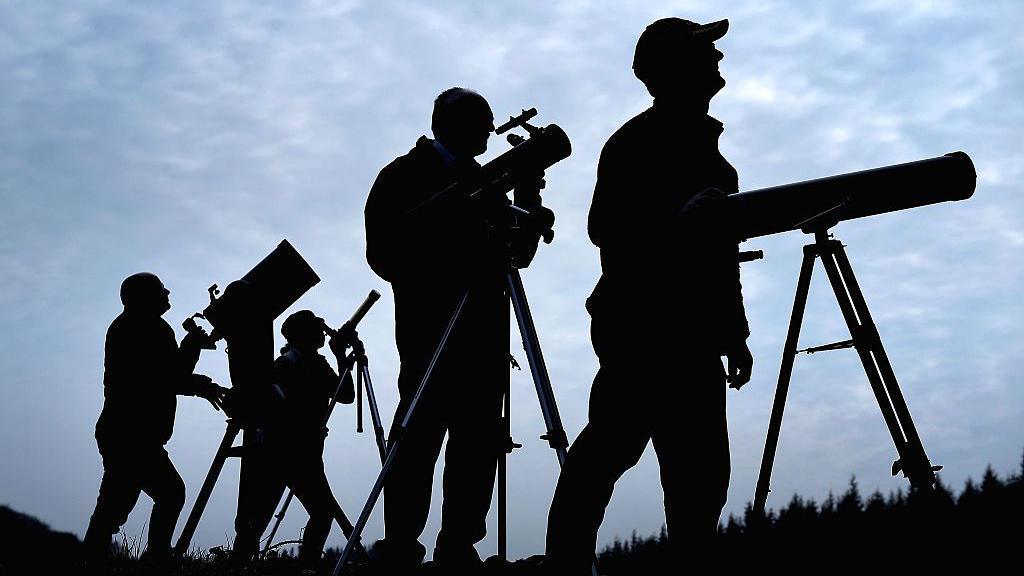
Across Scotland, various astronomical societies, science centres, and community groups are expected to host public viewing events to mark this significant occasion. These events often provide safe viewing equipment, expert guidance, and a communal atmosphere to share in the wonder of the eclipse. Checking local listings, university astronomy departments, or science museums like Glasgow Science Centre or Dynamic Earth in Edinburgh closer to the date is advisable for those seeking organized viewing opportunities. These venues frequently distribute certified eclipse glasses and set up specialized telescopes with solar filters, ensuring a safe and educational experience for all ages.
The most crucial aspect of observing a solar eclipse is safety. It is unequivocally important to never look directly at the Sun, even for a fleeting moment, without appropriate eye protection. Staring at the Sun can cause permanent and irreversible damage to the retina, a condition known as solar retinopathy, which can lead to permanent blind spots or even complete blindness. The Sun’s intense ultraviolet and infrared radiation can burn the retina without causing immediate pain, meaning damage can occur before you even realize it.
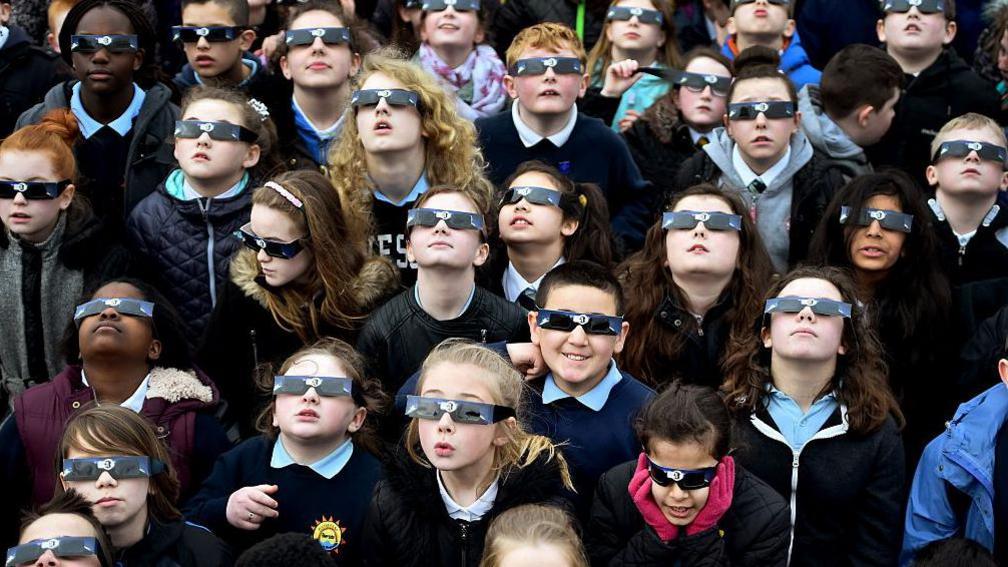
The only safe way to look directly at the partially eclipsed Sun is through certified solar eclipse glasses. These are not regular sunglasses, which offer insufficient protection. Legitimate eclipse glasses will bear a safety certification mark, specifically ISO 12312-2 or ISO 12312-2:2015, printed somewhere on the frames or packaging. These specialized filters block out almost all harmful light, allowing only a safe amount to reach your eyes. It is vital to purchase these from reputable sources, such as astronomical societies, science museums, or trusted online retailers, to avoid counterfeit products that do not offer adequate protection. Prof Heymans reiterated this warning, stating, "Even if you don’t feel like it is painful to look at the Sun, it is still really damaging to the retina." She also cautioned against the temptation to look through cloud cover, as even attenuated sunlight can be dangerous.
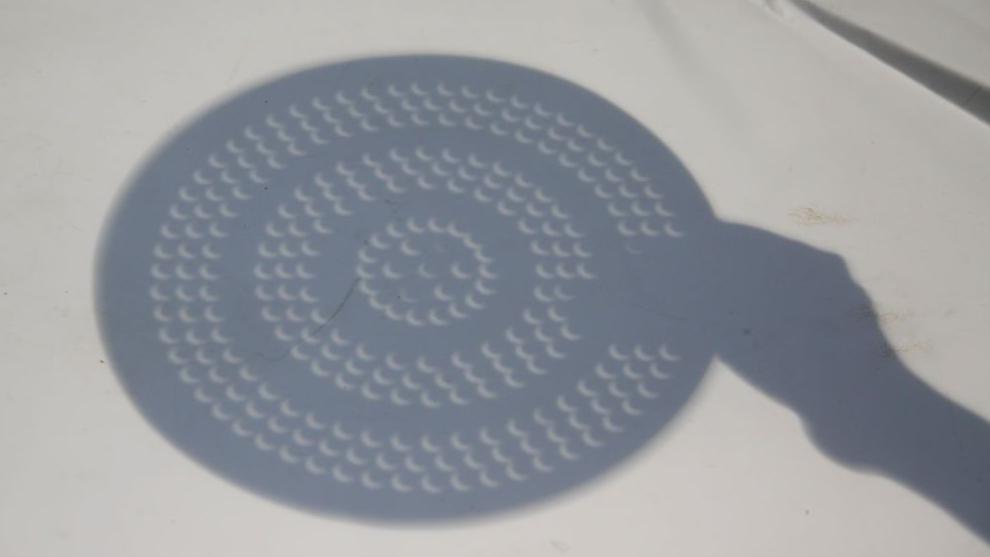
For those unable to acquire certified eclipse glasses, several indirect viewing methods offer a perfectly safe and equally fascinating experience. One of the most popular and easiest methods is creating a pinhole projector. This involves making a small hole (using a pin or nail) in a piece of cardboard, then holding it up to the Sun while allowing the sunlight to pass through the hole onto a second piece of cardboard or a flat surface held a few feet away. The projected image will show the crescent shape of the eclipsed Sun. Prof Heymans also suggested a creative household alternative: "The next best thing is a colander." Any object with small holes, when held up to the Sun, will project multiple images of the crescent Sun onto the ground or a wall. This creates a mesmerizing display of tiny, eclipsed Suns dancing across the surface, a testament to the ingenuity of indirect observation.
While binoculars and telescopes can offer magnified views, they must only be used with specialized solar filters securely fitted over the front of the objective lenses. Attempting to view the Sun through unfiltered binoculars or telescopes is extremely dangerous and will cause instantaneous, severe eye damage. Similarly, care should be taken when photographing the eclipse with a phone or camera. The Sun’s intensity can damage the camera’s sensor just as it can damage human eyes. Attaching a certified solar filter (like a spare pair of eclipse glasses) over the camera lens can protect it. The Royal College of Ophthalmologists reported about 70 cases of vision problems after the 1999 total solar eclipse, with 40% of those having looked for less than a minute, underscoring the severe risks involved.
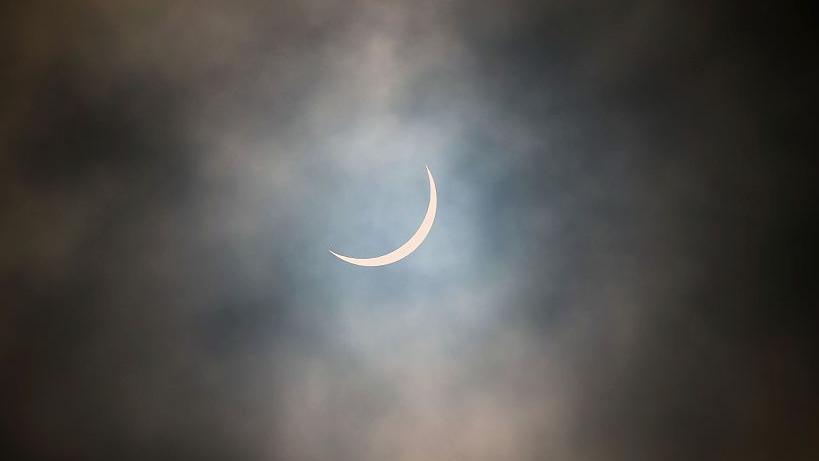
The experience of a partial solar eclipse, even without the total darkness, will be captivating. As the Moon gradually covers the Sun, the ambient light will noticeably dim, creating an "eerie" and unusual atmosphere. The landscape might take on an odd, muted hue, and shadows will become sharper and more defined. At the peak, with 95% of the Sun obscured, only a thin, brilliant arc will remain visible, creating a celestial crescent in the sky. While Scotland won’t experience the full astronomical drama of a total eclipse – such as the emergence of the solar corona or the fleeting "diamond ring" effect – the substantial obscuration will still provide a profound connection to the cosmic ballet occurring above.
Looking ahead, while smaller partial solar eclipses will grace our skies in the coming years, the next total solar eclipse visible from the UK is a distant prospect, not expected until 23 September 2090. This makes this Wednesday’s event particularly special, as it represents the best opportunity for many generations of Scots to witness such a significant solar eclipse. It’s a reminder of the grand, predictable motions of our solar system and a chance to pause, look up (safely!), and appreciate the wonders of the universe unfolding above us. So, prepare your viewing methods, check the weather, and get ready to experience a truly remarkable astronomical phenomenon.



 George Anjay
 Nakalama John
 atisusanti
 Ramos Leo