
 Nana Banana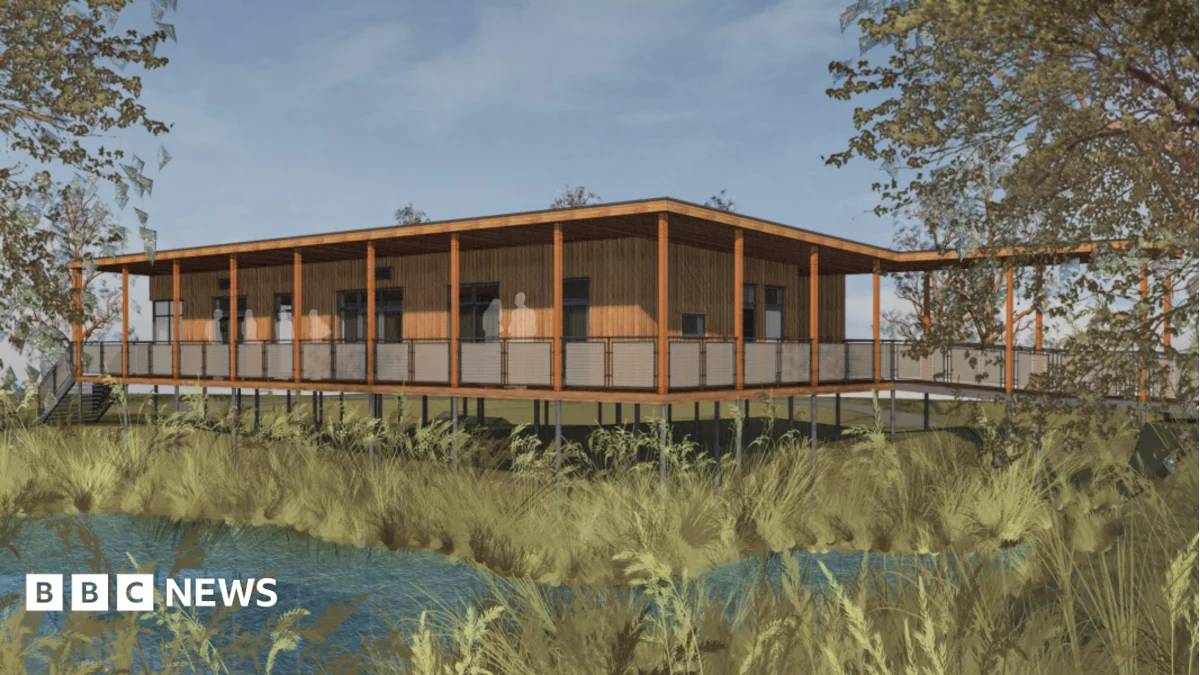
The Kennet Valley Wetland Reserve project aims to revitalise a landscape currently lacking significant ecological value, transforming it into a vibrant mosaic of wetland habitats. This will include the creation of reedbeds, wet grasslands, shallow scrapes, and open water features, all designed to attract and support a diverse array of wildlife. The chosen site at Undy’s Meadow, while historically grazed, has over time become degraded, offering limited benefit to local flora and fauna. Its proximity to the River Kennet, a nationally important chalk stream and often a Site of Special Scientific Interest (SSSI) in parts, underscores the potential for the new reserve to act as a crucial buffer and an extension of the river’s delicate ecosystem, enhancing water quality and providing vital breeding and foraging grounds for aquatic and riparian species.
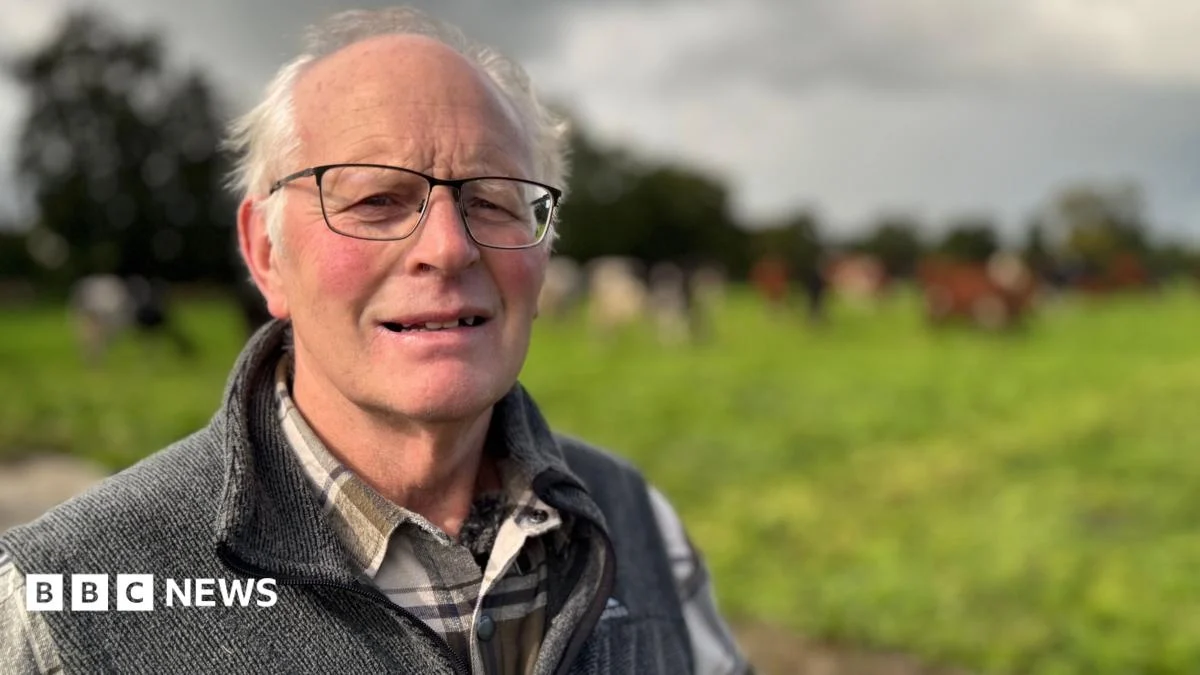
Kate Edwards, representing the Town and Manor of Hungerford, articulated the profound vision behind the project, describing the nascent nature reserve as a "very special thing." Her statement emphasised the intentional design philosophy: "It’s going to be a proper nature reserve; it will be somewhere you can go and sit quietly." This commitment highlights a core principle of the reserve – prioritising wildlife conservation and offering a sanctuary for both nature and people seeking peaceful contemplation. The focus, as she elaborated, is unequivocally on the wildlife. Expectations are high for the return of iconic species, with hopes that visitors will soon be "privileged enough hopefully to sit on the benches, walk the paths and see and hear the willow warblers and the grasshopper warblers." These migratory songbirds are indicative of healthy wetland and scrub habitats, and their anticipated presence speaks volumes about the planned ecological restoration. Furthermore, the project anticipates a significant influx of "lots of wetland birds" that will come to utilise the newly created and restored habitats for breeding, feeding, and wintering. This could include species such as lapwing, snipe, various duck species, and perhaps even rarer waders, contributing significantly to regional biodiversity targets.
The breadth of community engagement and support for the Kennet Valley Wetland Reserve has been a cornerstone of its progression. Edwards highlighted that the plan has received the "most incredible support" from the local community. This widespread backing is a testament to Hungerford’s collective environmental consciousness and its desire to create lasting natural assets for future generations. Public consultations, local volunteer days, and awareness campaigns have fostered a sense of ownership and excitement, ensuring the reserve will not only be a haven for wildlife but also a cherished local amenity. This community involvement is expected to continue into the operational phase, with opportunities for volunteers to participate in habitat management, wildlife monitoring, and educational programmes.
The intricate planning process has meticulously factored in critical environmental considerations, particularly regarding the timing of construction. A specific window for carrying out the main earthworks and habitat creation has been identified: between September and December. This precise timing is non-negotiable and dictated by ecological imperatives. Construction work must not commence before September due to the presence of nesting birds, whose breeding season extends through the spring and summer months. Disturbing these habitats during such a critical period would contravene conservation best practices and potentially jeopardise the reproductive success of numerous species. Conversely, work cannot extend beyond December, as the ground conditions at Undy’s Meadow would become excessively wet and waterlogged, making heavy machinery operation impractical and potentially causing more extensive damage to the fragile soil structure. This narrow four-month window underscores the delicate balance between human intervention and natural cycles that governs the project’s execution.
The initial stage of work, encompassing the fundamental landscape alterations, the establishment of accessible paths, and the installation of crucial boardwalks, is projected to be substantially in place by the summer of next year. This early phase will lay the groundwork for the more detailed habitat enhancements and planting schemes that will follow. The paths and boardwalks are designed to ensure that the reserve is accessible to a wide range of visitors, including those with mobility challenges, allowing everyone to immerse themselves in nature without disturbing sensitive areas. Interpretive signage and discreet viewing hides will also be incorporated, providing educational opportunities and allowing for unobtrusive wildlife observation.
Beyond the initial construction, the long-term vision for the Kennet Valley Wetland Reserve includes a comprehensive management plan. This plan will detail ongoing habitat maintenance, invasive species control, water level management, and robust ecological monitoring programmes. The Town and Manor of Hungerford anticipates collaborating with local wildlife experts and environmental organisations to ensure the reserve remains a thriving ecosystem for decades to come. Educational outreach will be a key component, with plans for guided walks, workshops, and programmes for local schools, fostering a deeper understanding and appreciation of wetland environments among younger generations. The reserve is envisioned not just as a static natural space but as a dynamic, evolving landscape that continually adapts to and supports biodiversity.
The significance of the River Kennet to this project cannot be overstated. As one of England’s most important chalk streams, it supports a unique array of flora and fauna, including water voles, otters, and various fish species. The creation of the Kennet Valley Wetland Reserve will establish a vital ecological corridor, linking existing habitats along the river and expanding the overall area available for wildlife. This expanded habitat will contribute to the resilience of local populations against environmental pressures and climate change. Furthermore, the wetland’s natural filtration properties will help improve water quality entering the Kennet, providing a cleaner, healthier environment for all. This project aligns with broader national efforts to restore and enhance nature recovery networks, recognising the interconnectedness of landscapes and the critical role of well-managed habitats in supporting biodiversity. The Town and Manor’s initiative serves as a powerful local example of how community-led conservation can deliver substantial environmental benefits, transforming neglected land into a precious natural asset for both wildlife and people.


 Ramos Leo
 Nakalama John
 Roy Suryo
 atisusanti
 George Anjay