
 George Anjay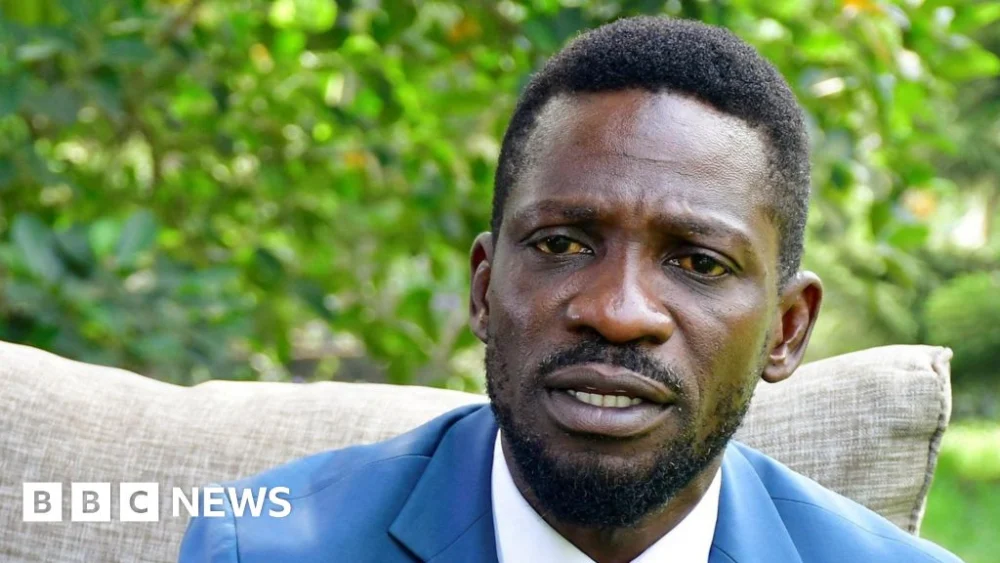
Ugandan opposition leader and pop star turned politician, Bobi Wine, whose real name is Robert Kyagulanyi Ssentamu, has announced his departure from the country after enduring a grueling two-month period in hiding following the January presidential election, which he vehemently claims was marred by widespread fraud and rigging. Wine stated that his journey abroad is for "critical engagements" and to galvanize the international community to take decisive action against President Yoweri Museveni, a leader who has held power in Uganda since 1986.
The 44-year-old opposition figure, who gained significant traction with his "Ghetto President" persona, reiterated his unwavering assertion that he won the recent election. He detailed how his campaign was systematically undermined, and the results manipulated to favor the incumbent, Museveni, who secured 72% of the vote in the election. Museveni, an 81-year-old former guerrilla leader, has consistently accused the opposition of attempting to destabilize the nation and overturn the election results through violent means, a narrative that Wine strongly refutes.
The situation surrounding Bobi Wine’s safety has been fraught with tension and conflicting reports. While some government officials have publicly denied that security forces are actively pursuing Wine, a starkly contrasting message emanated from President Museveni’s son, Lieutenant General Muhoozi Kainerugaba. Kainerugaba, who holds a prominent position as the head of Uganda’s military and is widely perceived as a potential successor to his father, initially posted inflammatory messages on his now-deleted X (formerly Twitter) account, stating that Bobi Wine was "wanted dead or alive" and even issuing a barbaric threat of castration. These aggressive pronouncements, though subsequently removed, underscored the perilous environment in which Wine operated.
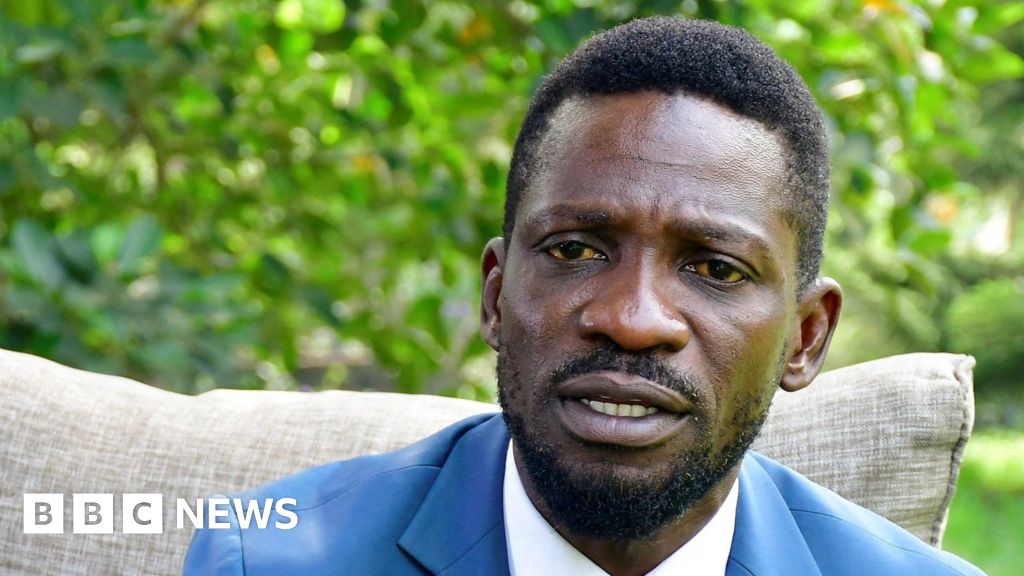
Wine himself has provided a harrowing account of his two months in hiding. He alleged that the authorities had conducted repeated raids on the homes of his supporters in a desperate search for him, with the most recent raid reportedly occurring just days before his departure. Furthermore, he claimed that roadblocks had been established across the country, effectively trapping him and limiting his movements. His residence in the capital city, Kampala, has reportedly remained under a sustained military siege since election day, intensifying his sense of isolation and vulnerability.
In a video message released prior to his departure, Wine expressed profound gratitude to his fellow Ugandans who had provided him with shelter and protection during his time in hiding. He acknowledged the immense personal risk these individuals undertook to safeguard him from the regime’s pursuit. He firmly maintained his innocence, emphasizing that his participation in the presidential race was a democratic right and that "running for president is not a crime." This statement directly challenges the implicit accusations of wrongdoing leveled against him and his supporters.
The political climate in Uganda has been volatile since the election. Following protests against the declared election results, Lt Gen Kainerugaba made further controversial statements, alleging that 30 "terrorists" associated with Wine’s National Unity Platform (NUP) party had been killed. These claims, made in the context of suppressing dissent, highlight the heavy-handed approach of the current administration towards opposition activities.
Bobi Wine’s decision to leave Uganda signifies a critical juncture in his political activism. His stated intention to mobilize international support suggests a strategic shift towards leveraging global pressure to address the alleged human rights abuses and democratic deficits within Uganda. The international community’s response to his appeal will likely be a significant factor in shaping the future political landscape of the East African nation. The BBC has reached out to the Ugandan police for an official comment regarding the allegations made by Bobi Wine.
The broader context of Ugandan politics is characterized by a long-standing authoritarian rule and a burgeoning youth population seeking democratic reforms. Bobi Wine, with his immense popularity among the youth and his roots in popular culture, has emerged as a potent symbol of this desire for change. His artistic career provided him with a platform to connect with ordinary Ugandans, and he has successfully translated that connection into a formidable political force. His journey, marked by arrests, alleged harassment, and now, seeking refuge abroad, reflects the broader struggle for democracy and human rights in Uganda. The challenges he faces are not merely personal but represent the aspirations of a significant segment of the Ugandan population yearning for a more just and equitable society. The international community, including organizations like the United Nations and various human rights watchdogs, will be closely monitoring developments in Uganda, particularly in light of Wine’s appeal for global intervention. His departure from the country, while a personal setback, could potentially amplify his message on a global stage, bringing greater international scrutiny to the Museveni regime and its practices. The struggle for political freedom in Uganda continues, with Bobi Wine now seeking to wage this battle from beyond its borders.
Additional reporting by Richard Kagoe.
More about Uganda from the BBC:
The BBC has extensively covered the political developments in Uganda, providing in-depth analysis and reporting on various aspects of the country’s socio-political landscape. This includes detailed accounts of election processes, human rights concerns, economic challenges, and the cultural impact of figures like Bobi Wine. The BBC’s Africa coverage often delves into the intricacies of governance, the role of civil society, and the aspirations of young populations across the continent, offering a nuanced perspective on the ongoing efforts to foster democratic progress and socio-economic development in nations like Uganda. The reporting aims to provide an objective and comprehensive view of the events, allowing audiences to understand the complex dynamics at play and the implications for the region.

 Nakalama John
 atisusanti
 Ramos Leo
 Roy Suryo
 Nana Banana