
 Roy Suryo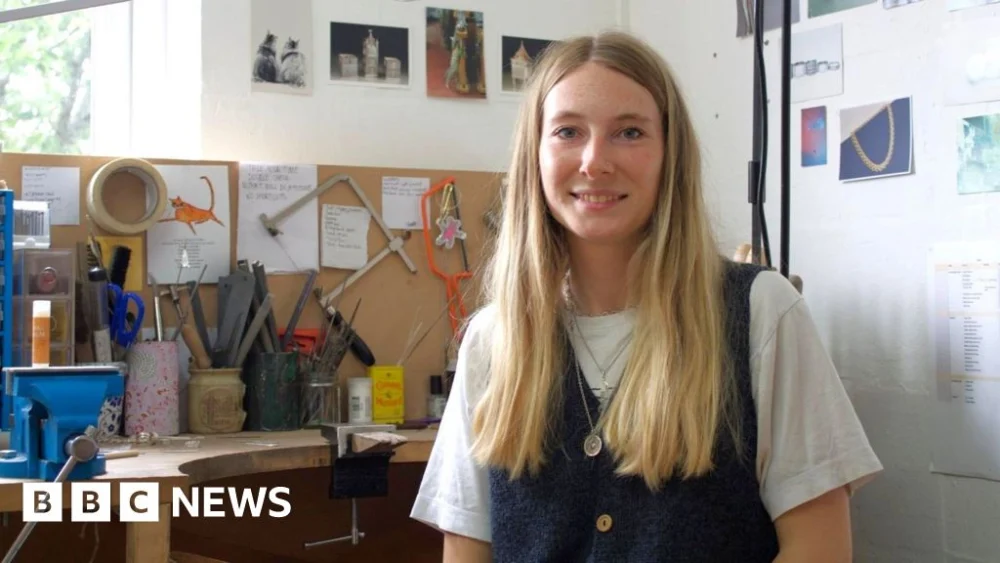
"I have four months left to preserve my fertility," states Iona Hall, a 30-year-old silversmith from Bristol, who is embarking on an urgent mission to freeze her eggs following a devastating diagnosis and extensive surgical intervention for severe endometriosis. The debilitating condition has significantly impacted her life, leading to two major operations this year alone to remove a substantial 10cm cyst from her ovary and to surgically separate her bowels and uterus, which had become dangerously fused. With time rapidly running out, Hall has launched a crowdfunding campaign to raise the £21,000 required for three rounds of egg harvesting, a procedure she must undergo within the next four months due to her critically diminished egg reserve.
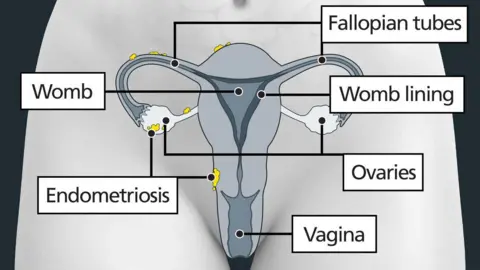
"It feels frightening, but the little eggs I do have left are good quality, so it’s not over," Hall expressed, a glimmer of hope in her voice despite the dire circumstances. Endometriosis, a chronic and often painful condition, occurs when tissue similar to the lining of the uterus grows outside of it, commonly affecting the ovaries, fallopian tubes, and pelvic lining. This misplaced tissue responds to hormonal changes each month, leading to inflammation, pain, the formation of scar tissue, and, in many cases, significant fertility issues. The National Health Service (NHS) reports that approximately one in ten women are affected by endometriosis, and it typically takes over eight years from a patient’s first GP appointment to receive a formal diagnosis, a stark indicator of the diagnostic challenges and delays faced by those with the condition.
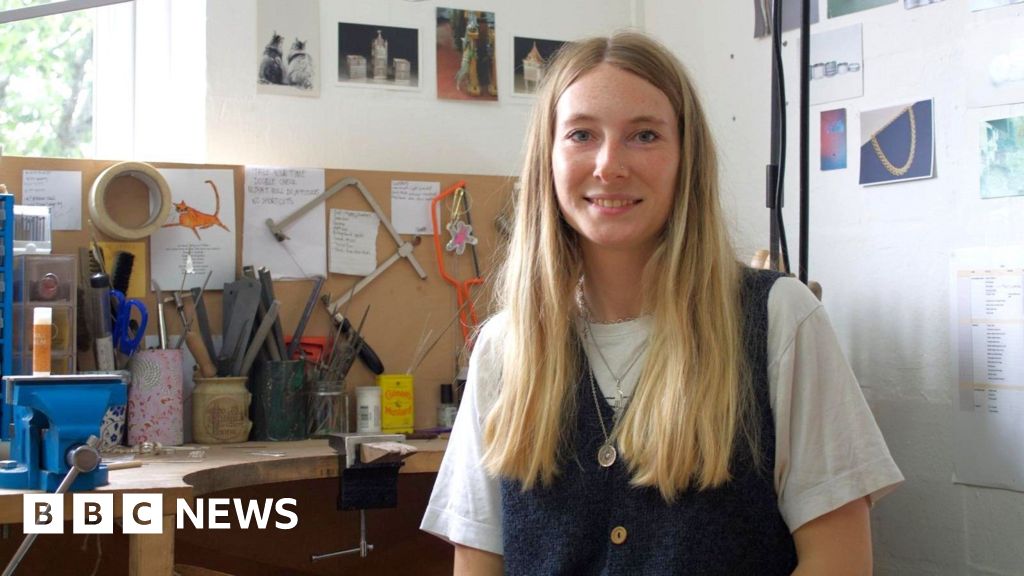
Hall’s personal journey with endometriosis began to surface after she stopped taking the contraceptive pill, which she believes had been masking her symptoms for a decade. "When I was in my teens and early twenties I just thought I was getting urinary and kidney infections all the time," she recalled in an interview with BBC Radio Bristol. "I just thought I was one of those unlucky girls. The pain just never went." The severity of her pain escalated to a point where she experienced debilitating episodes, waking up in the middle of the night, vomiting from the agony, and writhing on the floor in distress.
The initial medical response to Hall’s severe pain was misdiagnosis. At the age of 24, she was incorrectly diagnosed with chronic urinary tract infections (UTIs) and was prescribed antibiotics for a full year. By the time medical professionals realised the true extent of her suffering, "the endometriosis had spread everywhere," she lamented. This delay in diagnosis allowed the condition to progress unchecked, leading to the extensive internal adhesions that necessitated the recent complex surgeries.
Following her two major operations in 2024, Hall received the devastating news that her egg count had plummeted to critically low levels. Her anti-Mullerian Hormone (AMH) levels, a key indicator of a woman’s ovarian reserve, were measured at 11.9 prior to surgery. Post-surgery, this figure has dramatically reduced to 2.1. For context, the average AMH level for a 30-year-old is approximately 17, highlighting the profound impact endometriosis and its treatment have had on her fertility potential.
The emotional toll of this revelation was immense. "I was really, really upset," Hall admitted. "Freezing my eggs is my only chance to preserve my fertility and give myself the option of a family in the future." She views this procedure as a crucial step to reclaim a part of her life that endometriosis has relentlessly tried to take away. "Endometriosis has taken so much from my life, and I don’t want it to take this from me too," she stated, her resolve to fight for her future family palpable.
The financial burden of egg freezing is substantial. The £21,000 target for Hall’s fundraiser covers not only the egg retrieval procedures themselves but also the associated costs of hormonal stimulation medication, anaesthesia, laboratory fees for freezing and storage, and potentially multiple cycles to maximise the chances of success. The urgency of her situation is amplified by the fact that the effectiveness of egg freezing diminishes with age, and her current low egg reserve necessitates swift action.
Endometriosis is a complex condition with far-reaching implications beyond physical pain and fertility challenges. Sufferers often experience significant psychological distress, including anxiety, depression, and feelings of isolation due to the chronic nature of the illness, the difficulty in obtaining a diagnosis, and the impact on their relationships and career prospects. Hall’s experience underscores the need for greater awareness, earlier diagnosis, and improved access to effective treatments and fertility preservation options for those affected.
The crowdfunding campaign aims to provide Hall with the financial means to secure her reproductive future, offering a beacon of hope amidst the adversity she has faced. Her proactive approach, despite the immense personal challenges, serves as an inspiration and highlights the critical importance of fertility preservation for individuals facing medical conditions that threaten their reproductive capabilities. The fight against endometriosis is ongoing, and for individuals like Iona Hall, it is a battle for not only their health but also for the fundamental right to build a family.




 Nakalama John
 atisusanti
 Ramos Leo
