
 Roy Suryo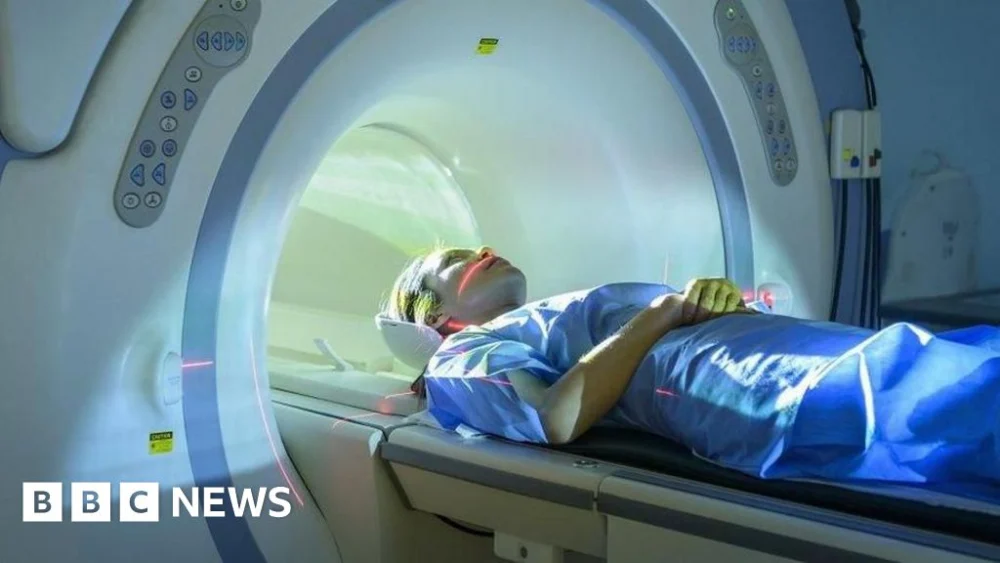
A stark warning has emerged from a leading patient watchdog: a two-tier healthcare system is rapidly taking shape in England, with an increasing number of individuals resorting to the private sector for diagnostic tests and treatments to circumvent lengthy waiting lists within the National Health Service. Healthwatch England, after analysing feedback from thousands of patients and conducting significant polling, has revealed a concerning trend of growing reliance on private providers, driven overwhelmingly by the frustrating and often debilitating delays experienced in NHS care. This surge in private sector utilisation is not solely confined to those seeking immediate treatment; many are now employing private facilities for crucial scans and tests, hoping to expedite their journey back into the NHS system with definitive results in hand.
The government, while acknowledging the concerns, asserts its commitment to rectifying these delays and improving the patient experience, aiming to alleviate the pressure that compels individuals to seek and pay for private care. A comprehensive survey conducted by Healthwatch England, encompassing nearly 2,600 individuals across England, painted a clear picture: 16% of respondents had utilized private healthcare services within the past year, a significant jump from the 9% reported just two years prior. Crucially, a staggering four in ten of those who opted for private care explicitly cited extended NHS waiting times as the primary catalyst for their decision.
The polling also shed light on the socio-economic disparities at play, revealing a strong correlation between higher income levels and the propensity to access private healthcare. The data indicated that a substantial 35% of individuals earning over £80,000 annually had sought private medical assistance in the past year. In stark contrast, only 10% of those with incomes below £20,000 had made similar choices, underscoring the financial barrier that prevents many from escaping the NHS waiting list predicament. This widening gap suggests that access to timely medical intervention is becoming increasingly dependent on an individual’s financial standing, a development that challenges the fundamental principles of equitable healthcare.
One poignant example illustrating this difficult reality is that of Chloe Leckie, a 51-year-old resident of Buckinghamshire. After enduring years of debilitating pain from endometriosis, she found herself in a frustrating cycle of appointments and delays within the NHS. Despite her persistent suffering, the NHS was only able to offer her physiotherapy and drug-based treatments, falling short of the definitive surgical intervention she desperately needed. Her situation took a turn when a change in her husband’s work health insurance policy provided coverage, enabling her to afford a £20,000 hysterectomy. This life-altering surgery, which also included the removal of her appendix, was performed privately last year. She is currently continuing her recovery through private physiotherapy. "I was in tremendous pain, but just could not get the help I needed from the NHS," Leckie shared, her voice tinged with both relief and a lingering sense of injustice. "I was lucky really that the policy change meant I could go private – I know not everybody has that opportunity." Her story powerfully encapsulates the desperation faced by patients when conventional routes to treatment are blocked by systemic delays.
Healthwatch England’s conclusions are further bolstered by an extensive analysis of over 390,000 pieces of public feedback gathered over the past three years. This wealth of qualitative data reinforces the urgent need for more robust government action to address and alleviate waiting times. The watchdog also emphasizes the importance of enhanced communication from the NHS to patients who are waiting for appointments and procedures. Providing clearer timelines, offering reassurance, and suggesting ways to manage symptoms while waiting can significantly improve the patient experience and mitigate the anxiety associated with prolonged uncertainty.
The statistics paint a grim picture of the current state of NHS waiting lists. Nearly four in ten patients are currently experiencing waits that exceed the NHS’s own target of 18 weeks for hospital treatment. This widespread failure to meet targets is a direct driver of the increased reliance on the private sector. The Private Healthcare Information Network (PHIN) reports that in the past year alone, approximately 950,000 surgical procedures and treatments were carried out within the private sector across the UK. This figure, while substantial, does not encompass the growing trend of individuals paying for diagnostic services, such as scans and imaging, and then returning to the NHS for subsequent treatment.
While the NHS aims for a six-week turnaround for tests and scans, the private sector can often arrange these essential diagnostic steps in as little as 48 hours. It is estimated that over one million such private scans and tests are conducted annually as patients actively seek to accelerate their NHS treatment pathways. The demand for private healthcare extends beyond physical ailments, with the watchdog noting a rise in individuals seeking private mental health support and even private prescriptions for weight-loss drugs.

David Hare, the chief executive officer of the Independent Healthcare Providers Network, echoed these observations, highlighting a significant increase in private GP appointments as well. He described the phenomenon of utilising private healthcare, often in conjunction with ongoing NHS care, as becoming the "new normal." Hare elaborated, "People’s health and the health of their family is their number one priority and so it’s not surprising that more people are willing to fund their own treatment." This sentiment suggests a societal shift where individuals are increasingly proactive in managing their health, but the current system is pushing them towards private expenditure to achieve timely care.
The ramifications of this trend are also felt acutely by general practitioners within the NHS. Dr. Katie Bramall, chair of the British Medical Association’s GP committee, confirmed that her colleagues have witnessed a sharp escalation in patients utilizing private services before returning to NHS GPs for continued care. This practice, she explained, adds to the already immense workload of GPs, who must then meticulously review private results to determine eligibility for NHS-funded follow-up care. This creates a parallel system, where access to timely and comprehensive care is fragmented and dependent on individual financial means, thereby contributing to the "two-tier service" concern. "We believe urgent, nationally-funded action is needed to bring waiting lists down and to ensure all patients can access high quality care quickly, whether it’s in the NHS or privately," Dr. Bramall urged, emphasizing the critical need for systemic intervention.
In response to these pressing concerns, a spokeswoman for the Department of Health and Social Care stated that improvements are indeed being made. She pointed to a reduction in waiting lists, now reportedly at their lowest level in nearly three years, and acknowledged progress in tackling waiting times. "We will end the unacceptable two-tier healthcare system we inherited that leaves patients feeling they have no choice but to go private," she declared, signalling a clear intent to address the inequalities. "Our extra investment and modernisation is beginning to turn the tide, but we know there’s a long way to go," she conceded, acknowledging the significant challenges that remain in fully restoring equitable access to healthcare for all citizens. The stark reality, however, is that for many, the tide has already turned, and the private sector has become an indispensable, albeit costly, lifeline.




 Nakalama John
 atisusanti
 Ramos Leo
