Nana Banana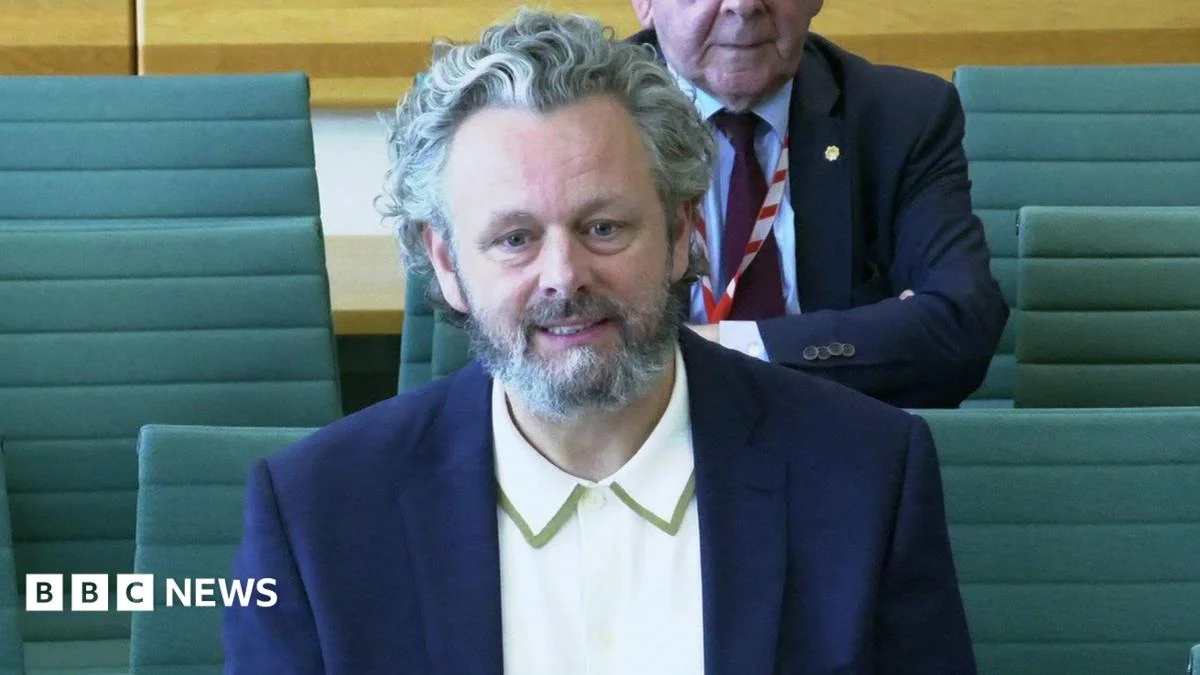
Hollywood actor Michael Sheen confirmed on Thursday that he had a "constructive" meeting with First Minister Rhun ap Iorwerth, a significant development following concerns raised in his impactful BBC documentary, "Buried with Michael Sheen." The documentary brought to light allegations of historical toxic chemical dumping across 14 sites in Wales and England, primarily linked to the former chemical giant Monsanto. Sheen’s initial attempts to engage with the First Minister had been met with frustration, as he publicly stated an offer for a meeting "was not taken up" prior to the documentary’s broadcast in August. The recent engagement marks a positive shift, with the Welsh actor expressing optimism about the future course of action.
Speaking on Instagram shortly after the meeting, Sheen conveyed his encouraging takeaway. "I’ve just come from a meeting with the first minister," he stated, highlighting the direct engagement. "Talking about how we can move forward and address all the issues that Buried [the documentary] raised around the toxic dumping, and that was really constructive. So early days but that’s really encouraging." This direct dialogue with the head of the Welsh government underscores the gravity of the issues presented in the documentary and the potential for official action. Rhun ap Iorwerth, as First Minister, holds significant power and responsibility over environmental policy and public health initiatives within Wales, making his engagement critical to any resolution. The meeting signals a commitment from the Welsh government to acknowledge and potentially address the long-standing environmental concerns.
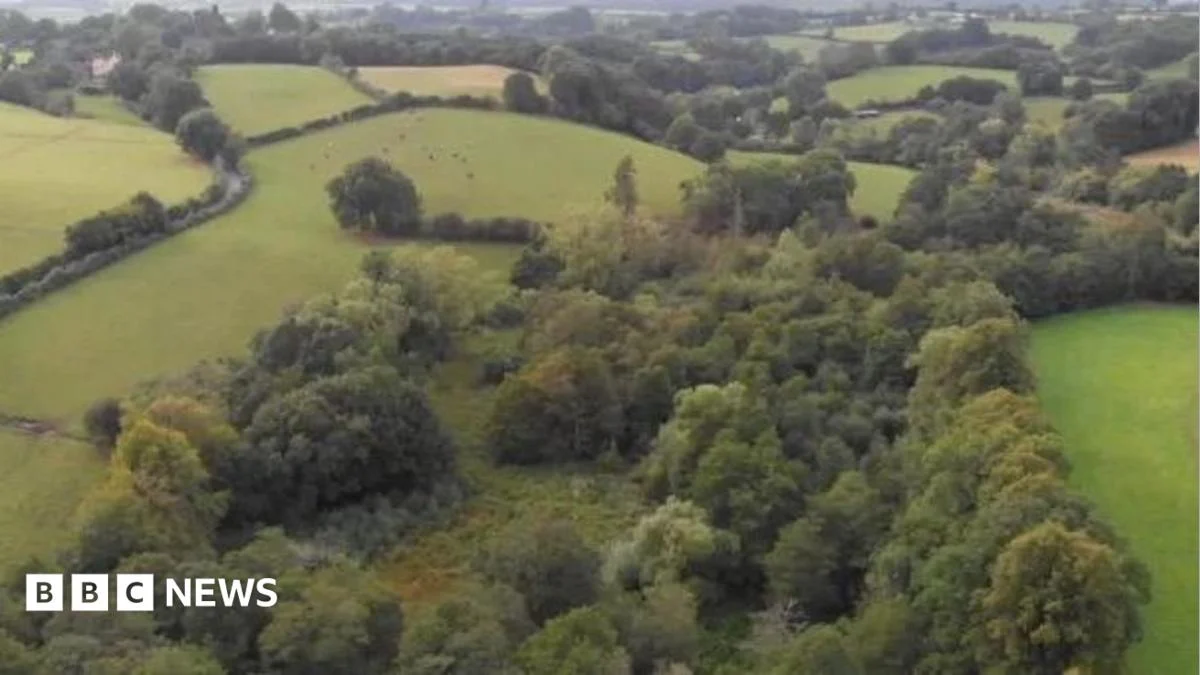
"Buried with Michael Sheen" delves into the deeply troubling legacy of polychlorinated biphenyls (PCBs), a group of man-made organic chemicals known for their extreme toxicity, persistence in the environment, and ability to bioaccumulate in living organisms. Historically used for their insulating and non-flammable properties in electrical equipment, hydraulic fluids, and plasticizers, PCBs were eventually banned due to their severe health risks, including being classified as probable human carcinogens by the World Health Organization. The documentary meticulously explores allegations that Monsanto, a company with a controversial history in chemical production, was involved in the widespread dumping of these hazardous chemicals. The investigation spanned 14 identified sites across Wales and north-west England, revealing a disturbing pattern of environmental contamination that has gone unaddressed for decades, potentially exposing generations to harmful substances.
The genesis of Sheen’s involvement stemmed from the work of Douglas Gowan, a dedicated farming consultant turned environmental campaigner. Gowan had spent decades relentlessly warning communities and authorities about the risks posed by toxic chemicals dumped in their vicinities. Despite his tireless efforts, his warnings often fell on deaf ears. Sheen interviewed Gowan shortly before his death, inheriting a vast archive of documents and research that formed the backbone of the documentary’s investigation. Following Gowan’s passing, Sheen teamed up with investigative journalists Lucy Taylor and Dan Ashby, who had also received Gowan’s extensive collection of evidence. Together, they embarked on a rigorous scientific and journalistic quest, systematically testing soil samples at the 14 suspected dumping sites. Their findings were alarming: elevated levels of PCBs were detected at all but one of the locations, providing concrete evidence to support Gowan’s long-held assertions and validating the fears of countless residents. This collaboration between celebrity, seasoned journalists, and a grassroots campaigner brought a previously marginalized issue into the national spotlight, forcing a re-evaluation of historical industrial practices and their lingering consequences.
The Welsh meeting followed a powerful appeal by Michael Sheen in the UK Parliament the previous week. Addressing MPs, Sheen passionately urged them to back a national testing programme for historic toxic dumps across the entire country. His plea highlighted the urgent need for a comprehensive assessment of these sites to ensure their safety and protect public health. This call to action was underscored by the documentary’s findings, which revealed high levels of cancer-causing PCBs not only in soil samples but also in the blood of individuals living near sites historically linked to Monsanto’s operations. A national programme, Sheen argued, would provide the necessary data to understand the full extent of the contamination, identify at-risk communities, and inform remediation efforts. Such an initiative would represent a crucial step towards accountability and safeguard future generations from the hidden dangers of industrial waste, ensuring that no community remains unknowingly exposed to hazardous chemicals due to historical negligence.
Among the many compelling testimonies featured in the documentary was that of Susan Smith, who once worked at Monsanto’s Wrexham plant. Her memories, once happy and nostalgic, have been profoundly overshadowed by fear and uncertainty since the documentary’s revelations. For 53 years, Susan and her husband Geraint have lived in their home, separated from the decommissioned Ruabon chemical works by merely a thin tree line. The factory’s proximity has cast a long shadow over their lives, particularly given their recent health struggles. Geraint was diagnosed with prostate cancer 13 years ago, and more recently developed skin cancer. Susan herself battled breast cancer at the age of 38. While acknowledging the impossibility of definitive proof, the documentary’s findings have intensified their questions about the potential impact of the factory on their family’s health, transforming latent concerns into pressing anxieties.
Susan recounted her time working as a secretary at Monsanto when she was 19, a period spanning four years. She later returned twice for temporary assignments, once for cover and another time to overhaul a failing system. "Most of my time was spent in the telex office next to the warehouse," she explained, detailing a work environment that, in hindsight, appears fraught with risk. "We used to send delivery notes, instructions, requests on little pieces of ticker tape through a machine to other Monsanto offices." The physical layout of her workspace further amplified potential exposure. "We had a small glass hatch that the instructions would be passed through and it was never closed because people were passing things through so often. As a result, dust and powders and all sorts would blow through and coat the desks, the paper, even our sandwiches." This vivid description paints a picture of pervasive contamination, where hazardous materials could have been easily ingested or inhaled without workers’ knowledge.
Crucially, Susan emphasised the complete absence of safety protocols for office staff. "I wasn’t given a safety briefing, protective clothing or anything," she stated, highlighting a stark contrast with the safety measures expected in modern industrial settings. "Office staff never knew they were at risk." This lack of awareness underscores the historical context of industrial practices where the long-term health implications of chemical exposure were either unknown, underestimated, or deliberately concealed. The documentary team arranged for Susan to have her blood tested for PCB levels. While her results were not deemed "high" in comparison to some extreme cases, the scientific consensus that there is "no safe level" of PCBs remains a chilling reality. The enduring presence of these persistent organic pollutants in her system, combined with the perceived lack of accountability from Eastman Chemical Company – the US entity that now owns what was once Monsanto – has left Susan with profound and unanswered questions about her past, her health, and the responsibility of corporations for their historical environmental footprints.
The cumulative impact of the documentary’s findings and personal testimonies has galvanised local communities. Susan and Geraint have become active members of the Monsanto Contamination Action Group, a collective formed by concerned residents in Wrexham and surrounding areas directly affected by historic industrial waste dumping. This action group serves as a vital platform for advocacy, mutual support, and collective action, aiming to pressure both corporate entities and governmental bodies for answers, remediation, and justice. Their efforts represent a broader demand for accountability for the environmental and health legacies of industrial activity. Eastman Chemical Company was approached for comment regarding the allegations and community concerns. The ongoing dialogue with the Welsh First Minister, spurred by the documentary’s revelations and the tireless work of campaigners, marks a pivotal moment in the fight for environmental justice and public health awareness in Wales and beyond.
Additional reporting Alec Doyle, LDRS reporter

 George Anjay
 Nakalama John
 Ramos Leo