
 Ramos Leo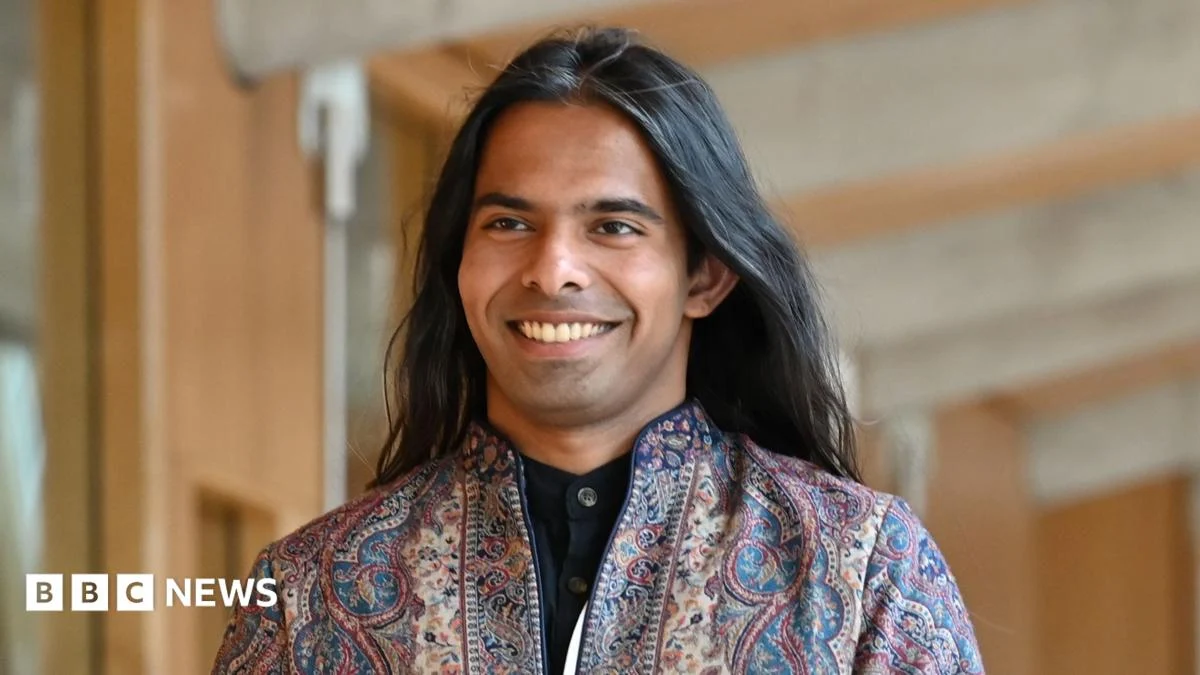
A Scottish Green MSP, Manivannan, has issued a comprehensive apology following a significant public outcry over comments perceived to downplay the severity and lasting impact of rape. The remarks, made during a recent broadcast interview, sparked widespread condemnation from survivor groups, political opponents, and even an international human rights expert, focusing primarily on the MSP’s use of language surrounding a "spectrum" of rape and an apparent suggestion that strong condemnation might constitute "demonisation." The controversy ignited a crucial debate about the precise language used when discussing sexual violence and the critical importance of validating every survivor’s experience.
The core of the controversy stemmed from Manivannan’s use of the term "spectrum" in relation to rape, an idea that critics argued inherently creates a hierarchy of harm, implying some forms of sexual violence are less serious than others. This conceptualisation was met with immediate and fierce opposition from organisations dedicated to supporting survivors. Furthermore, reports suggested Manivannan’s comments touched upon the idea of "demonising" rape, leading to strong counter-arguments from survivor advocates who asserted they were merely "naming it" for what it is—a serious and traumatic crime. The exact phrasing that triggered the initial outrage was not immediately released in full, but the subsequent wave of criticism and Manivannan’s detailed apology provided clear indicators of the problematic nature of the original remarks.
The comments were widely and vehemently criticised by survivors’ groups across Scotland and beyond, along with a chorus of political opponents who argued the MSP’s language risked downplaying the profound seriousness and enduring trauma inflicted by rape. These groups highlighted that reducing the crime to a theoretical discussion or placing it on a "spectrum" undermined decades of work aimed at ensuring all forms of sexual violence are treated with the gravity they deserve.
Foremost among the critics was the Scottish Centre for Rape and Abuse (SCRA), a powerful alliance comprising vital support groups based in Glasgow, Lanarkshire, Ayrshire, and the Western Isles. The SCRA articulated its profound concerns in a compelling open letter, emphasising that the impacts of rape are far-reaching and can indeed last a lifetime. They asserted unequivocally that the crime of rape should never, under any circumstances, be reduced to a mere theoretical debate, particularly by an elected representative whose words carry significant weight and influence.
In their poignant open letter, the SCRA directly challenged the notion that advocating for victims constituted "demonisation." They powerfully declared: "We are not demonising rape. We are naming it." This statement underscored their position that acknowledging the brutality and harm of rape is not an act of moralistic exaggeration but a fundamental recognition of reality and a necessary step towards justice and support for survivors. The alliance further articulated its strong opposition to the very idea of rape existing on a "spectrum," a concept they argued was inherently dangerous and invalidating. They insisted, with unwavering clarity, that "there is no hierarchy of rape" and stressed the critical point that no survivor should ever feel compelled to question or ask whether their personal experience of sexual violence was "serious enough" to warrant support, empathy, or justice. This stance is rooted in the understanding that any non-consensual sexual act is a violation, and its impact is profoundly personal and valid regardless of specific circumstances.
The SCRA’s letter went further, urging all politicians and public figures "not to normalise" rape or any form of sexual violence. They called for an end to any language or framing that might inadvertently "create hierarchies of harm," reinforcing the message that all experiences of sexual violence are equally deserving of condemnation and support. This call reflected a broader concern within survivor advocacy that seemingly nuanced discussions can inadvertently lead to a minimisation of certain experiences, making it harder for victims to come forward and seek help.
The criticism extended beyond Scottish borders, reaching an international level. While not explicitly naming Manivannan, the United Nations Special Rapporteur on Violence against Women and Girls, Reem Alsalem, made a significant intervention on social media platform X (formerly Twitter). Alsalem posted a clear and authoritative statement asserting that rape should never, under any circumstances, be discussed or conceptualised in terms of it being a spectrum. Her intervention lent considerable weight to the arguments of survivor groups, underscoring the universal understanding of rape as a grave human rights violation that defies categorisation into varying degrees of seriousness. The UN Special Rapporteur’s comments highlighted the global consensus on the issue and amplified the message that such language is inappropriate and harmful.
Domestically, the political fallout was immediate and widespread. Scotland’s Children’s Minister, Siobhan Brown, speaking on the BBC’s Sunday Show, publicly stated that Manivannan’s words were "misjudged." This assessment from a government minister underscored the severity of the misstep and signalled the official discomfort within the Scottish government coalition. Both Scottish Labour and the Scottish Liberal Democrats swiftly joined the chorus of criticism, condemning the comments and reaffirming their commitment to upholding the seriousness of sexual violence. The Scottish Conservatives went further, with Meghan Gallacher, the party’s equalities spokeswoman, issuing a strong call for the Scottish Greens to suspend the MSP. Gallacher articulated her party’s deep concern, stating: "It is deeply alarming that anyone, but especially an elected representative, would ever seek to minimise the seriousness of rape and suggest that there is a spectrum of offences." Her statement encapsulated the widespread political sentiment that such language from an elected official was unacceptable and potentially damaging to the discourse surrounding sexual violence.
In response to the mounting pressure and widespread condemnation, Manivannan issued a detailed statement on Monday afternoon, seeking to clarify their position and offer a full apology. In the statement, the MSP expressed being "horrified" that the comments had been "selectively edited in order to mislead people and misrepresent me." While acknowledging that their initial remarks may have been taken out of context, Manivannan took full responsibility for the abstract nature of their language. "I also accept that my language was abstract in the first place and for that I take full responsibility and am sorry," they stated, acknowledging the impact of their choice of words, regardless of intent.
Manivannan further elaborated on their original interview, asserting that they had "categorically stated that every rape in every context is equally serious and harmful" but claimed this crucial context had been "maliciously" omitted from clips widely shared online. They recognised that "the words in the clip shared, without the full context of the conversation, have caused considerable upset." For this unintended distress, the MSP offered a direct apology: "For that I apologise. I will always stand with and for victims and survivors." This part of the apology sought to explain the perceived discrepancy between their stated beliefs and the public reaction, attributing much of the controversy to a lack of full context.
In a poignant and deeply personal revelation aimed at demonstrating their understanding and empathy, Manivannan disclosed that they are themselves a survivor of sexual violence. This disclosure was intended to underscore their profound comprehension of the "enduring trauma" that such an experience inflicts. "I would never seek to diminish or dismiss any survivor’s experience, or to make anyone feel that their pain was not heard or understood," the MSP added, aiming to reassure those who felt invalidated by the initial comments. This personal context added another layer of complexity to the public discussion, highlighting the challenges of navigating sensitive topics even for those with lived experience.
Concluding their statement, Manivannan offered a broader apology to everyone affected: "I am genuinely sorry to everyone who has been distressed, hurt or triggered by the clips, and by the discussion and coverage that has followed." They acknowledged the power and gravity of language, particularly when addressing such deeply personal and painful subjects. "Words matter, particularly when speaking about something as deeply personal and painful as sexual violence, and I regret this hurt caused," the MSP concluded, acknowledging the profound impact of their words on survivors and the wider community.
Manivannan, who was elected as a list MSP representing Edinburgh and Lothians East under Scotland’s proportional representation system, also expressed a commitment to engaging directly with those most affected by the controversy. They stated that they would welcome the opportunity to meet with survivor and advocacy groups to listen to their perspectives, learn from their insights, and work towards rebuilding trust. This offer for direct dialogue signalled a willingness to engage constructively with critics and to deepen their understanding of the sensitive issues at stake. The incident has served as a stark reminder of the immense responsibility that elected representatives bear when discussing issues of such profound personal and societal significance, and the ongoing need for precision, empathy, and careful consideration in public discourse surrounding sexual violence.

 George Anjay
 Nakalama John
 atisusanti
 Roy Suryo
 Nana Banana