
 Ramos Leo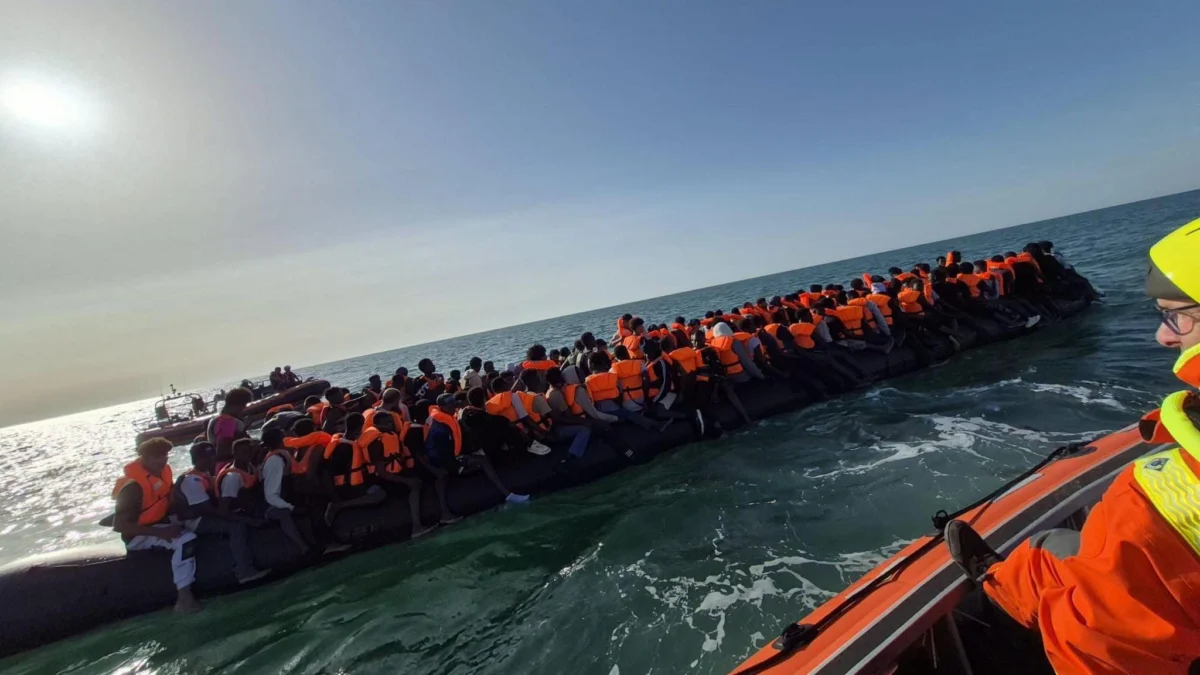
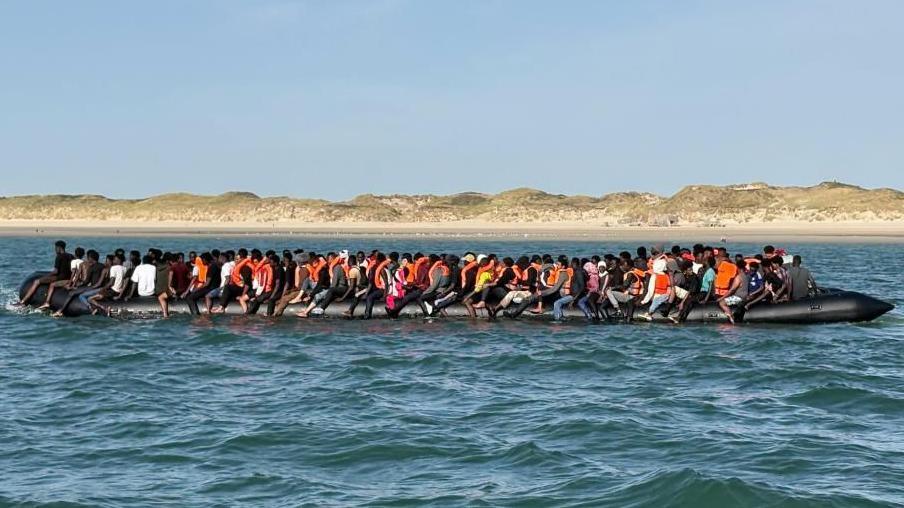
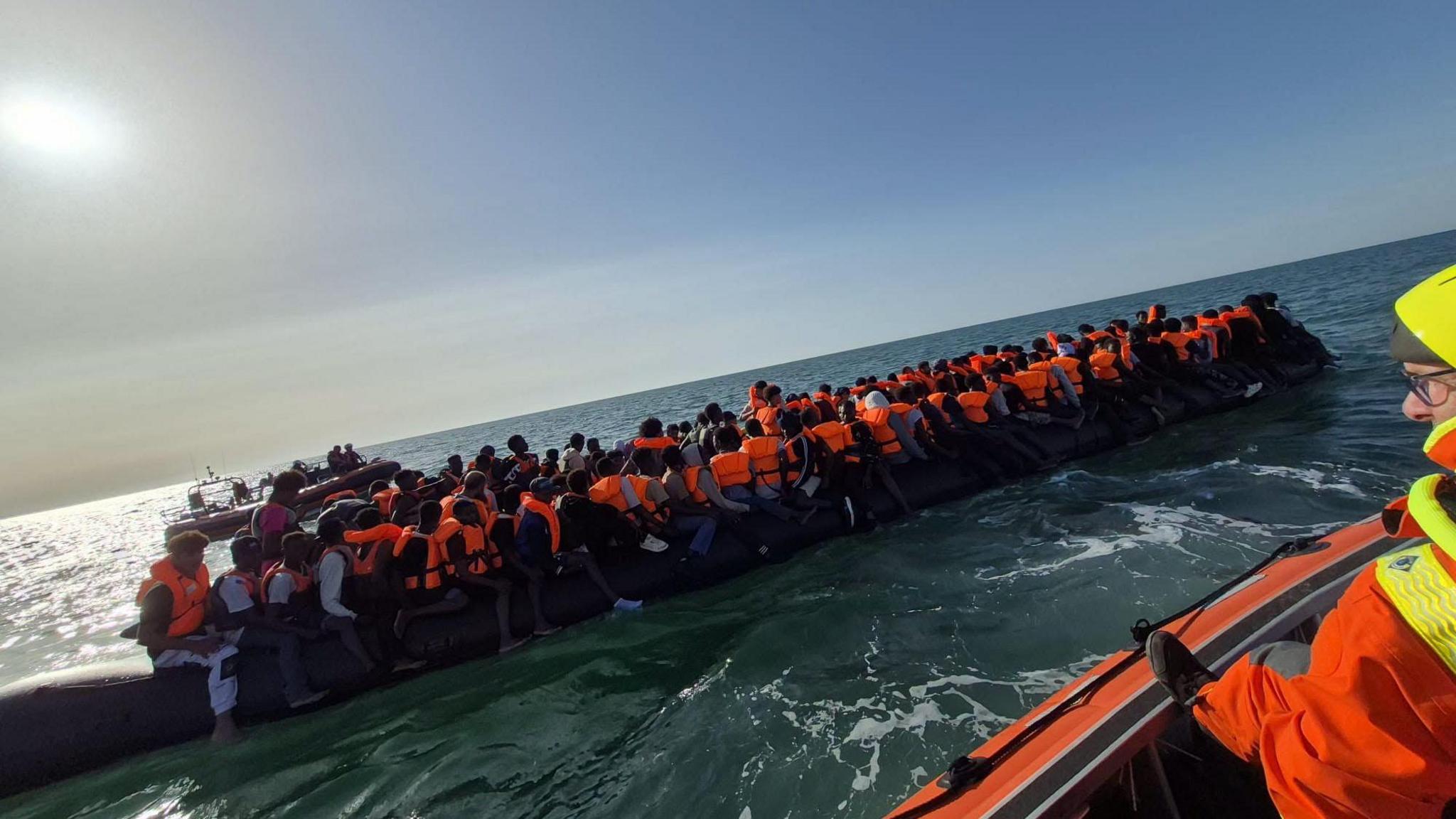
Dramatic images captured off the coast of northern France revealed the harrowing reality of the overloaded vessel. The large inflatable boat was so crammed with people that many passengers were forced to dangle their legs precariously in the frigid Channel waters as it navigated the busy international shipping route. French rescuers, witnessing the scene, described the 15-meter (49ft) boat as visibly "buckling" under the immense weight, warning that the situation could easily have led to a catastrophic "tragedy." Their observations further indicated that the vessel was already carrying approximately 50 people when it was seen heading towards a beach to pick up even more passengers, demonstrating a shocking disregard for human life.
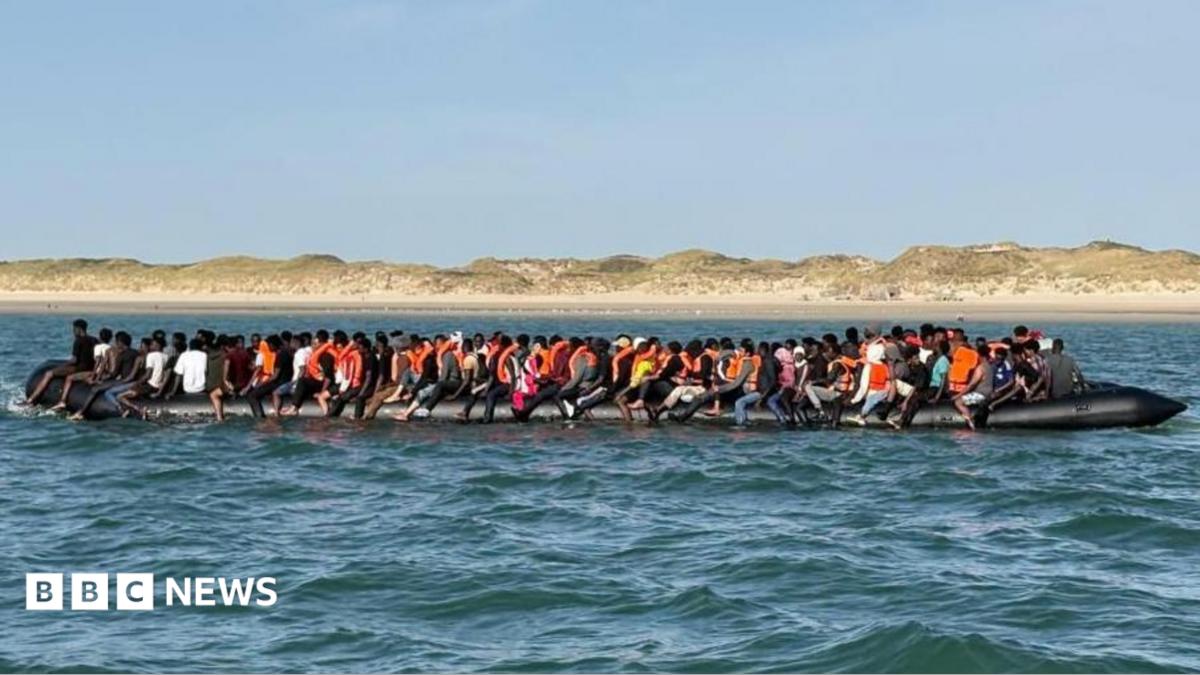
The journey began with further complications on the French coast. French maritime officials reported that during an attempt to board the vessel at Berck beach in northern France, 30 migrants were left stranded by the receding tide. These individuals were subsequently brought to safety by a combined effort of maritime and land-based rescue services. Despite this incident, the severely overloaded boat, now carrying 232 people, continued its journey. Later, two passengers on board requested assistance and were transferred to Calais by a French Navy rescue ship, underscoring the immediate dangers faced by those on the vessel.
This incident is not an isolated one but rather a stark illustration of a disturbing trend: smugglers are increasingly cramming more and more people into each boat, pushing the limits of safety and seaworthiness. In 2018, the average number of people per boat was a mere seven. By last year (2025), this figure had surged to 62. The record-breaking 230-person crossing represents a dramatic escalation of this dangerous practice. Just last Tuesday, another alarming incident saw 173 migrants requiring rescue from a single boat after it caught fire in the Channel, further highlighting the inherent risks of these overcrowded journeys. Prior to this latest record, Home Office figures showed that 258 migrants arrived in the UK in four boats on Saturday, followed by 423 arrivals in five boats on Sunday, indicating a consistent flow of crossings despite efforts to deter them.
Despite these dramatic individual incidents, the overall number of crossings in 2026 is currently on track to be lower than previous years. The provisional total for the number of people who have made the perilous crossing so far in 2026 stands at 15,242. This represents a significant decrease of 43% compared to the same period last year (2025). Furthermore, the number of boats that have successfully completed the crossing is down by 49%. Last month, July 2026, also marked the lowest number of crossings recorded for that month since 2020. Officials attribute this reduction, in part, to their intensified efforts to disrupt the supply of small boats and engines to people smugglers. Since the Labour government came to power, an impressive 1,100 such vessels and engines have been seized, impacting the operational capacity of these criminal networks. Authorities also claim that a sophisticated surveillance and reconnaissance operation now active over the Channel has effectively ended "unintercepted" beach landings on the UK coast.
Despite these reported successes in disruption, there remains a "clear demand" for these crossings. The number of people waiting in migrant camps in northern France has not significantly reduced, indicating a persistent desire to reach the UK. Moreover, weather conditions this year have not been markedly different from previous years, suggesting that natural factors are not primarily responsible for the overall reduction in crossings. Officials interpret this sustained demand, coupled with the decreasing crossing numbers, as evidence that their work to dismantle smuggling gangs is beginning to yield results. However, concerns naturally persist about the considerable numbers still managing to reach the UK shores.
Between 1 January and 8 August 2026, a total of 14,819 people successfully crossed the English Channel by small boat from France. This mode of entry has become the most common way for individuals to be detected entering the UK illegally since 2020. The vast majority of those who arrive by small boat subsequently claim asylum, a right afforded to them under international law, allowing them to remain in the country while their application is processed. Small boat arrivals accounted for a substantial 42% of all asylum applications between April 2025 and March 2026. The average number of people carried by boats arriving in the UK between 9 August 2025 and 8 August 2026 was 67, more than double the average in 2021. Experts warn that this increasing overcrowding makes crossings significantly riskier. The grim statistics from the United Nations (UN) reveal that at least 84 people died while attempting to cross the Channel in 2024, a testament to the deadly dangers involved. To put the scale of small boat crossings into broader perspective, these arrivals constituted approximately 5% of the total immigration into the UK from January 2025 to December 2025. The government remains committed to its pledge to "smash the gangs" behind these crossings as a core strategy to reduce numbers.
Analysis of the demographics of those making the crossing reveals a diverse origin. People from Eritrea constituted the largest group, accounting for 18% of all arrivals between April 2025 and March 2026. Other significant nationalities among the top five included Afghanistan, Iran, Sudan, and Somalia. In the latest figures covering January 2025 to December 2025, the Home Office identified at least 2,000 individuals who arrived by small boat as potential victims of human trafficking or other forms of modern slavery, underscoring the vulnerability of many making these journeys. Beyond small boats, 4,535 people were detected entering the UK without permission through other methods, such as hiding in vehicles, travelling on ferries, or via airports, between April 2025 and March 2026. This figure represented a 22% decrease from the previous year. The total number of individuals living in the UK illegally after having arrived legally, for instance, by overstaying a visa, remains unknown.
In response to the ongoing crisis, ten individuals have been sentenced for endangering lives at sea since a new law specifically targeting those who pilot small boats came into force in January 2026. A spokesperson for the prime minister condemned the latest incident, stating, "We’ve seen today some appalling images… of young babies being put into these unseaworthy craft… shocking images, and they show the reality behind the ruthless smuggling gangs that are prepared to risk human lives for profit." The spokesperson added that the government is "not complacent and we are bearing down on these crossings, and that’s reflected in the joint action that’s prevented 47,000 attempted crossings since the election."
The English Channel itself presents an immense challenge, being one of the most dangerous and busiest shipping lanes in the world. Many migrants undertaking these crossings originate from some of the globe’s poorest and most chaotic regions, often seeking asylum once they are intercepted by UK authorities. On a recent visit to Dover, the prime minister reiterated his government’s pledge to be "relentless" in curbing the number of small boat arrivals. Labour leader Andy Burnham acknowledged the doubling of enforcement officers tackling people-smuggling gangs on both sides of the Channel but emphasized the need to also build "a system that offers safe routes for people." In April, the UK and France solidified a significant £662m (€773m) three-year deal aimed at tackling the issue. This agreement includes plans to deploy riot-trained police to French beaches to confront violence and "hostile crowds," as well as France investing millions of pounds in drones and two helicopters to enhance the interception of people smugglers and illegal migrants.
The gravity of the situation prompted Reform UK leader Nigel Farage to express strong criticism on social media platform X, stating: "At 2.30am this morning a boat carrying 230 people was taken into Dover. This is a record number in a single vessel. It’s yet more proof that this illegal invasion is a national security emergency." Earlier on Monday, a Home Office spokesperson reiterated the government’s stance, saying: "We are making progress, with the number of small boat crossings down this year and the lowest number recorded for the month of July since 2020. But we must go further, which is why we have signed a payment-by-results deal with the French to put 40% more boots on the ground on French beaches." The ongoing situation continues to highlight the complex challenges of migration, border security, and humanitarian concerns in one of Europe’s most vital waterways.



 George Anjay
 Nakalama John
 atisusanti
 Roy Suryo
 Nana Banana