Nana Banana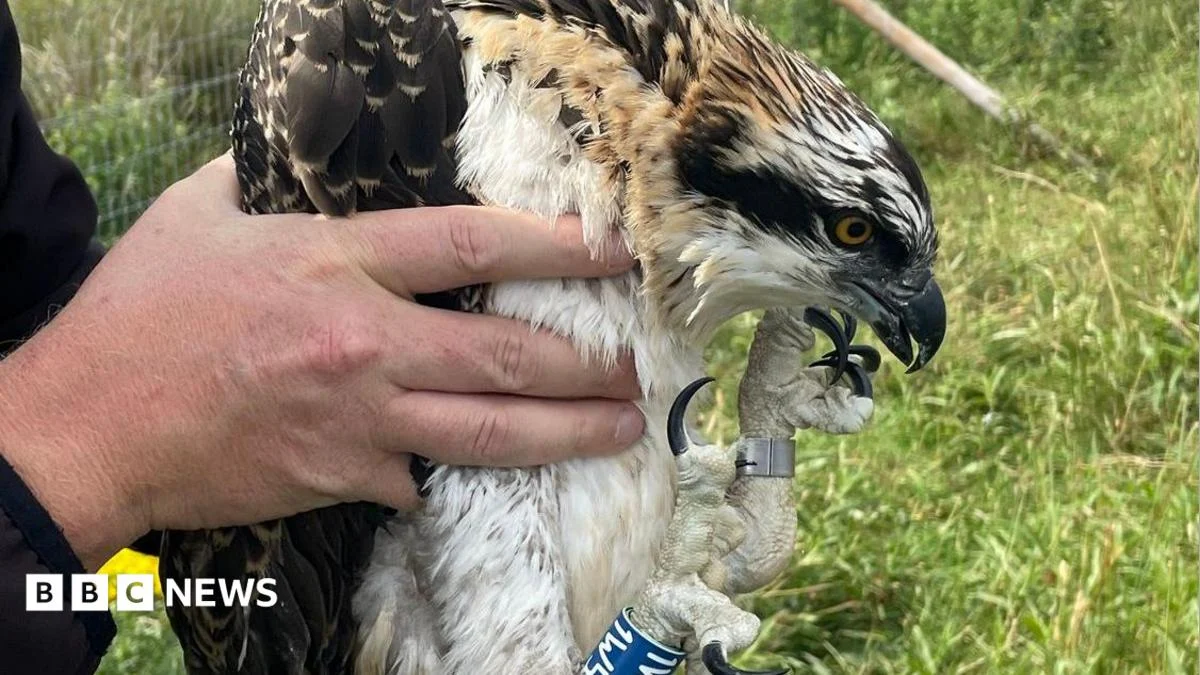
The re-establishment of ospreys in various parts of the UK is a remarkable conservation success story, given their tragic history. The species faced severe persecution, driven by Victorian egg collectors and gamekeepers, which ultimately led to their extinction as a breeding bird in the early 20th Century. For decades, the skies over Britain were devoid of their distinctive silhouette and powerful fishing dives. However, a turning point arrived in the 1950s when a pair of ospreys naturally recolonised Scotland, establishing a nest at Loch Garten. This pioneering pair laid the foundation for a slow but steady recovery, bolstered by intensive protection and dedicated conservation efforts. Over subsequent decades, projects like those at Rutland Water in England and Kielder Forest in Northumberland actively supported their return through reintroduction programmes and the creation of suitable habitats. These initiatives have allowed ospreys to gradually recolonise other parts of the UK, with their presence now extending further south, a clear indicator of improving environmental conditions and sustained conservation work. The Campfield Marsh hatching therefore represents not just a local victory but a continuation of this broader national resurgence.
Ospreys, scientifically known as Pandion haliaetus, are formidable raptors, often referred to as "fish eagles" due to their specialised diet. They possess a wingspan of up to six feet and sharp talons perfectly adapted for snatching fish from the water’s surface. Yet, despite their impressive size and predatory prowess, their parenting style reveals a surprisingly gentle side. Maclauchlan observed this paradox, noting, "Osprey parents are surprisingly tender despite their large size and sharp talons." This tenderness is evident in the meticulous care they provide for their offspring, from the careful arrangement of the nest to the diligent feeding and protection of the vulnerable chicks. The male typically provides the majority of the fish for the female and young, while the female is responsible for incubation and direct chick care, often shielding them from both harsh weather and potential predators. This division of labour and attentive nurturing ensures the best possible start for the next generation.
Beyond their nurturing instincts, ospreys also exhibit behaviours that can bring a touch of levity to their otherwise serious existence. "They can also offer good comedic value with nest tidying exploits and antics," Maclauchlan added. Observers often delight in watching adult ospreys rearranging sticks, sometimes comically struggling with an oversized branch, or engaging in various clumsy yet endearing actions around their substantial nests. These large structures, often built high in trees or on artificial platforms, are constantly maintained and added to, sometimes resulting in comical tumbles or awkward manoeuvres as they attempt to perfect their avian abode. These moments of unintended humour provide a charming insight into their daily lives and foster a deeper connection between human observers and these wild creatures.
One of the most encouraging aspects of osprey behaviour, from a conservation perspective, is their remarkable fidelity. "Ospreys are frequently site- and partner-faithful, so we’re hoping to see more of them and their offspring in the future," Maclauchlan explained. This means that if a breeding pair successfully raises young at a particular site, they are very likely to return to the same location the following year. Furthermore, they often pair with the same mate, establishing a stable breeding partnership that increases the chances of successful reproduction year after year. This fidelity is crucial for the establishment of new breeding colonies and the long-term sustainability of the population. The hope is that the Campfield Marsh pair will return, year after year, transforming this initial success into a thriving local population, contributing significantly to the wider Cumbrian osprey population.
The events leading up to the hatching at Campfield Marsh followed a predictable, yet always suspenseful, avian timeline. The eggs were laid between 30 April and 6 May, initiating a period of intense incubation, primarily undertaken by the female. Osprey incubation typically lasts around 35-40 days. Once the chicks finally hatched in June, bringing immense joy to the RSPB team, attention turned to their development and eventual naming. In a wonderful example of community engagement, a local primary school was invited to participate in this special moment, helping to name the three precious chicks. The names chosen – Ash, Bowness Bobbi, and Beau – carry local significance and a personal touch, forging a direct connection between the young generation and the burgeoning wildlife on their doorstep. Ash likely refers to the ash tree, a common and important native species. Bowness Bobbi pays homage to Bowness-on-Solway, a nearby village that sits on the edge of the Solway Firth, a vital feeding ground for the ospreys. Beau, a name meaning ‘beautiful,’ simply celebrates the wonder of these new arrivals. This act of naming not only personalised the conservation effort but also served as an invaluable educational tool, inspiring young minds about the importance of protecting their natural heritage.
The RSPB Campfield Marsh reserve itself plays a critical role in supporting such wildlife spectacles. Located on the Solway Firth, an internationally important estuary, the reserve encompasses a mosaic of wetland habitats, including saltmarsh, wet grassland, and merse. This diverse environment provides an abundant supply of fish, particularly flatfish and mullet, which are ideal prey for ospreys. The RSPB’s long-term management of the site has focused on creating and maintaining these rich aquatic ecosystems, ensuring a healthy food chain that can support top predators like ospreys. The presence of suitable nesting platforms, either natural or artificially constructed, is also a key factor in attracting breeding pairs. The successful hatching at Campfield Marsh validates years of habitat restoration and careful stewardship, demonstrating the tangible benefits of dedicated conservation land management.
Looking ahead, the successful breeding at Campfield Marsh offers a beacon of hope for osprey populations in Cumbria and beyond. It signifies that the environment is healthy enough to support these sensitive birds, which are excellent indicators of ecosystem health, particularly aquatic environments. While the chicks are still young and face the perilous journey of their first migration south to West Africa in late summer, their hatching is a crucial first step. The challenges ahead include avoiding predators, navigating their complex migratory routes, and surviving their first winter in Africa. For those that return, the future looks bright for Campfield Marsh to become a regular breeding ground. The RSPB will continue to monitor the family closely, gather valuable data on their progress, and ensure the reserve remains a safe and productive haven for these magnificent raptors. The return of ospreys to Cumbria, culminating in this first successful hatch at Campfield Marsh, serves as a powerful reminder of nature’s resilience and the profound impact of sustained human effort in wildlife conservation. It is a story of hope, perseverance, and the enduring beauty of the natural world.




 George Anjay
 Nakalama John
 atisusanti
 Ramos Leo