Nana Banana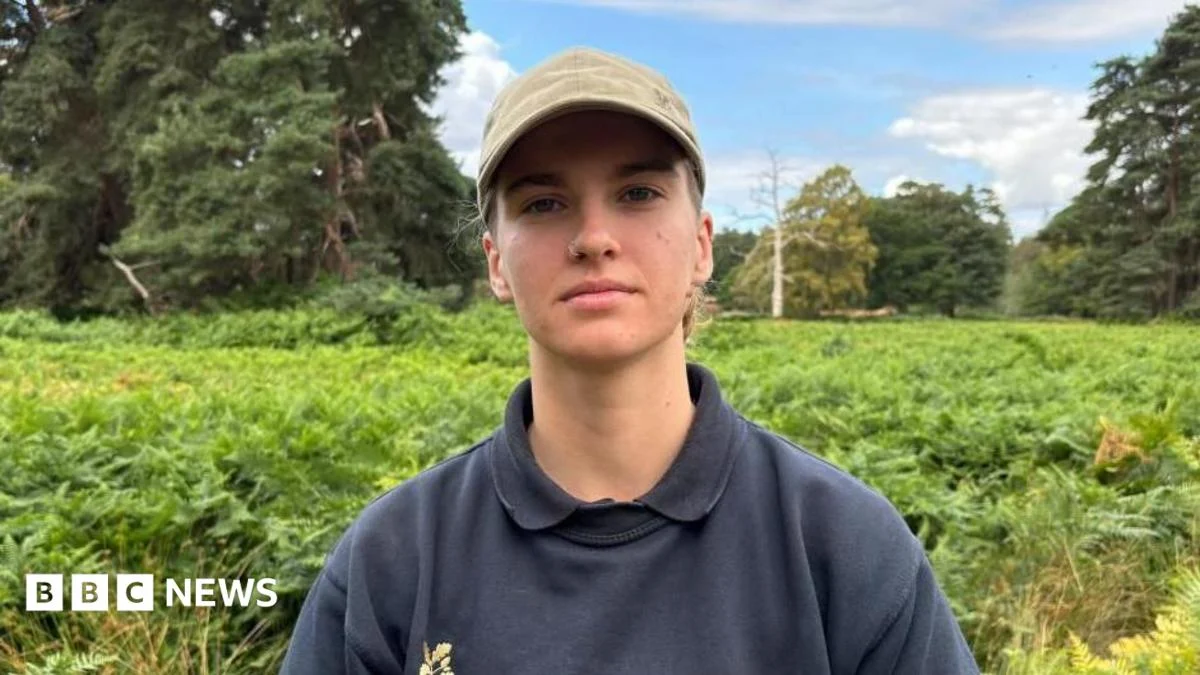
A pioneering initiative is underway at Attingham Park, a revered National Trust site nestled in the heart of Shropshire, where dedicated rangers and volunteers are implementing innovative natural flood management techniques to safeguard the catchment from the escalating threat of inundation. Located in Atcham, this historic estate, famed for its Mansion, deer park, and diverse landscapes, is transforming its land into a living sponge for the mighty River Severn and its tributary, the River Tern, aiming to slow down the flow of water and mitigate downstream flood risks.
The project at Attingham Park stands as a vital component of a larger, collaborative effort: the Severn Valley Water Management Scheme, supported by Shropshire Council. This comprehensive scheme encompasses eight distinct projects across the region, each contributing to a broader understanding and implementation of nature-based solutions for improved water management. The overarching goal is to fortify the resilience of the entire Severn catchment against the increasingly unpredictable and extreme weather patterns exacerbated by climate change. By embracing ecological engineering, these initiatives seek to demonstrate how natural processes can offer robust, sustainable alternatives to traditional hard-engineered flood defences, while simultaneously enhancing biodiversity and ecological health.
At the core of Attingham Park’s strategy are several interconnected interventions. Rangers and volunteers have been meticulously constructing leaky dams, restoring degraded ponds, and undertaking extensive tree planting. The leaky dams, crafted predominantly from willow wood harvested from the estate’s own pond restoration projects, are a testament to the project’s commitment to sustainable resource use and ecological integration. These structures are not designed to completely block water flow but rather to attenuate it, slowing its passage through the landscape and encouraging it to spread out and soak into the soil.
Emilia Fahlstromova, a park ranger deeply involved in the project, underscores the intrinsic value of using natural materials like wood. "Wood is undoubtedly the best material possible to restore these crucial wetland habitats," she explains, highlighting its natural ability to integrate into the ecosystem, decompose over time, and provide micro-habitats for a myriad of species. The strategic placement of these dams aims to re-wet areas that have progressively dried out over decades, a concerning trend that has led to a decline in wetland-dependent flora and fauna. "By putting these dams in, we are hoping to wet in the area up," Fahlstromova adds, "Over the years the area has dried up a lot, which we do not want to see in this area, so we are hoping to see some more wetland species come through." The aspiration is to welcome back a rich tapestry of life, including amphibians like newts and frogs, various species of dragonflies and damselflies, water voles, and a greater diversity of wetland plants such as reeds and sedges, all of which contribute to a healthier, more resilient ecosystem. Ultimately, the cumulative effect of these efforts, as Fahlstromova aptly puts it, is that "Hopefully, it will make the land act like a sponge and hold all that water," significantly reducing the volume and velocity of water reaching downstream communities during heavy rainfall events.
Beyond the dams, pond restoration plays a critical role. Many ponds across agricultural landscapes have become silted up, overgrown, or have simply dried out due to changes in drainage patterns and land use. By desilting, re-profiling, and enhancing the margins of these ponds, Attingham Park is creating vital aquatic habitats that can store large volumes of water, supporting biodiversity and acting as natural overflow zones during floods.
Tree planting is another cornerstone of the natural flood management approach. Trees, especially native broadleaf species, are powerful natural flood mitigators. Their root systems help to stabilize soil, preventing erosion that can lead to sediment build-up in rivers. Crucially, trees absorb vast quantities of water through their leaves and roots, releasing it slowly back into the atmosphere or allowing it to infiltrate the ground, thus reducing surface runoff. Planting trees along riverbanks and in strategic areas across the estate not only helps manage water but also creates new woodlands and hedgerows, providing vital corridors and habitats for wildlife, and sequestering carbon from the atmosphere.
Jane Birch, the project manager overseeing these multifaceted solutions, elaborates on the broader scope of habitat restoration, which includes planting hedgerows and constructing additional barriers out of wood designed to trap debris. Hedgerows, often overlooked, serve as linear features across the landscape that can slow surface water flow, encouraging infiltration and reducing the speed at which water moves towards watercourses. They also provide crucial shelter and food sources for a range of wildlife. The wooden barriers, similar in principle to leaky dams, are strategically placed to intercept and hold back woody debris and sediment, preventing it from accumulating in river channels where it can exacerbate flooding.
Birch highlights a fundamental shift in land management philosophy that underpins the Attingham Park project. She points to the legacy of post-World War Two agricultural practices, where "there was a big emphasis on food production and how can we make as much of the land [as] productive as possible." This drive for maximum efficiency often meant draining wetlands, straightening rivers, and removing natural features to create dry, arable land. "That means draining it to create that dry land. But I think we [now] need to look at how we can hold more water on the land, so that we can reduce that flooding risk downstream," Birch asserts. This represents a paradigm shift from a focus on draining water away as quickly as possible to one of embracing the land’s natural capacity to retain and store water. It underscores the vital importance for all landowners, not just large estates, to adapt their practices to align with this new understanding of water management and climate resilience.
The urgency of these efforts is underscored by the undeniable reality of climate change. Flooding has become an increasingly prevalent and devastating issue across the United Kingdom, driven by more frequent and intense extreme weather events. A warmer atmosphere holds more moisture, leading to heavier rainfall events that overwhelm conventional drainage systems and natural landscapes alike. From widespread riverine flooding to localized surface water inundation, communities across the nation are grappling with the profound impacts on homes, businesses, and infrastructure.
David Gregory Kumar, BBC Midlands Today’s environmental correspondent, offers an expert perspective on the efficacy of natural flood management. He emphasizes that "using natural methods can make a huge difference." The beauty, he suggests, often lies in their simplicity. "It solves a lot of problems, even if it is just a simple idea like sticking a few logs into a stream," Gregory Kumar explains. These seemingly minor interventions disrupt the linear flow of water, forcing it to spread out, pool, and infiltrate the ground, thereby reducing the peak flow downstream.
Gregory Kumar also provides crucial context regarding the scale of application for these techniques. He notes that "Places in the West Midlands are trying this out in rivers and tributaries, but not in the massive rivers like the Severn." This distinction is important; while natural flood management is incredibly effective in smaller watercourses, headwaters, and floodplains, the sheer volume and power of major rivers like the Severn often necessitate a combination of approaches, including traditional defences, though always with an eye towards more sustainable, integrated solutions.
Crucially, Gregory Kumar highlights a transformative shift in flood management philosophy: "There is this thinking now that if we slow down the water and it does flood a bit into land, that’s not necessarily a problem." This concept, often termed "making space for water" or "managed realignment," acknowledges that allowing water to temporarily inundate designated floodplains can be a beneficial strategy. Rather than fighting against nature, it involves working with natural processes, enabling water to spread across agricultural land or designated wetland areas, where it can soak away gradually, protecting more vulnerable urban centres and critical infrastructure downstream. This approach not only mitigates flood risk but also rejuvenates floodplains, creating dynamic, nutrient-rich habitats that support a wealth of biodiversity.
The work at Attingham Park represents more than just a local flood prevention scheme; it is a living laboratory and a beacon of hope for a future where humanity works in harmony with nature to address some of its most pressing challenges. By restoring ecological function, enhancing biodiversity, and building climate resilience, the project demonstrates a holistic approach to land stewardship. It’s a testament to the power of collaboration between conservation organizations, local authorities, and dedicated volunteers, all striving to create a landscape that is not only beautiful and historically significant but also robustly prepared for the environmental realities of the 21st century. As climate change continues to reshape our world, the lessons learned and the successes achieved at Attingham Park will serve as invaluable blueprints for communities across the UK and beyond, proving that sometimes, the most effective solutions are those that simply empower nature to do what it does best.




 George Anjay
 Nakalama John
 atisusanti
 Ramos Leo