Nana Banana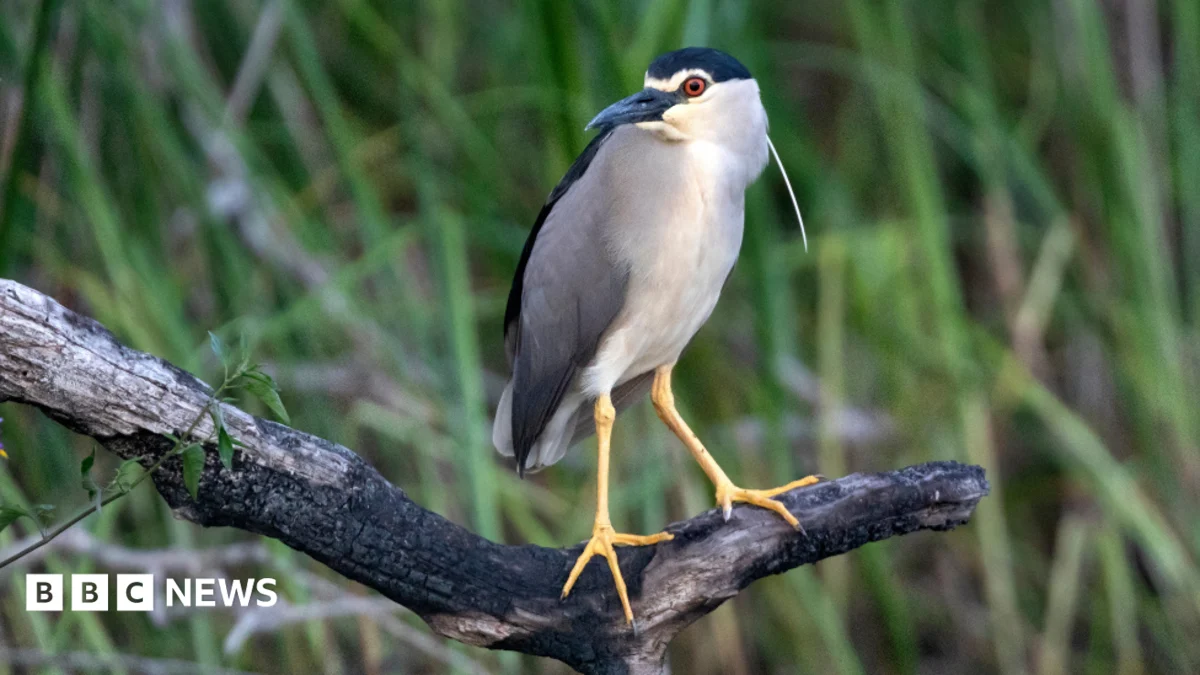
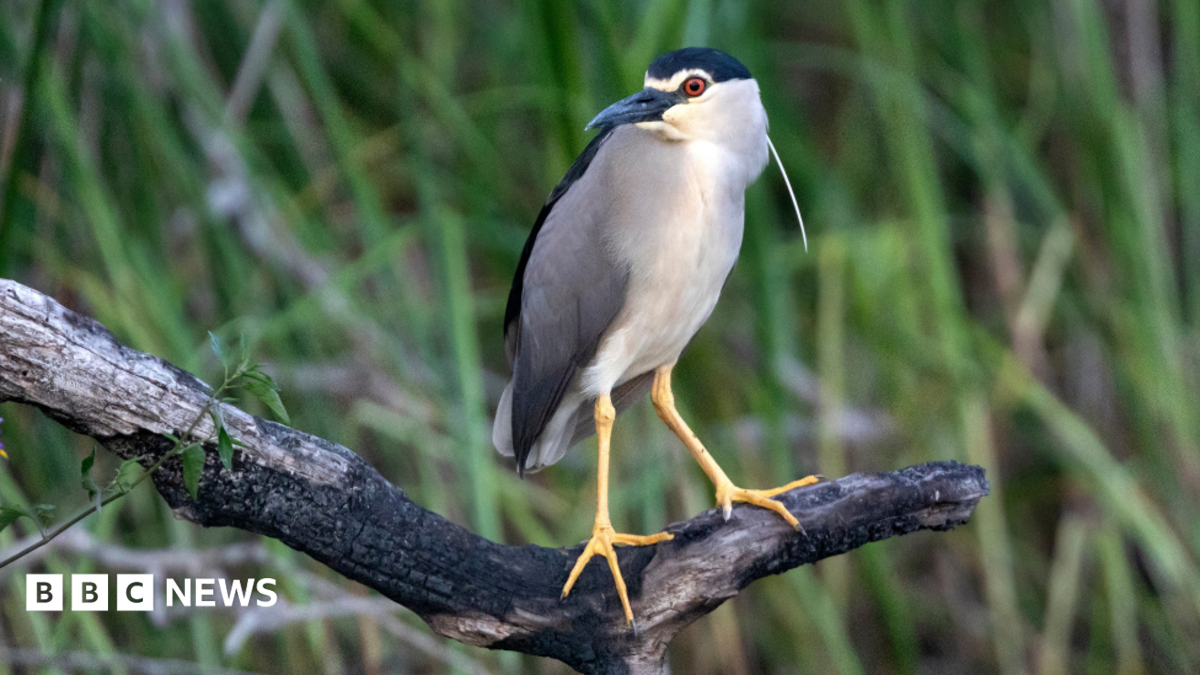
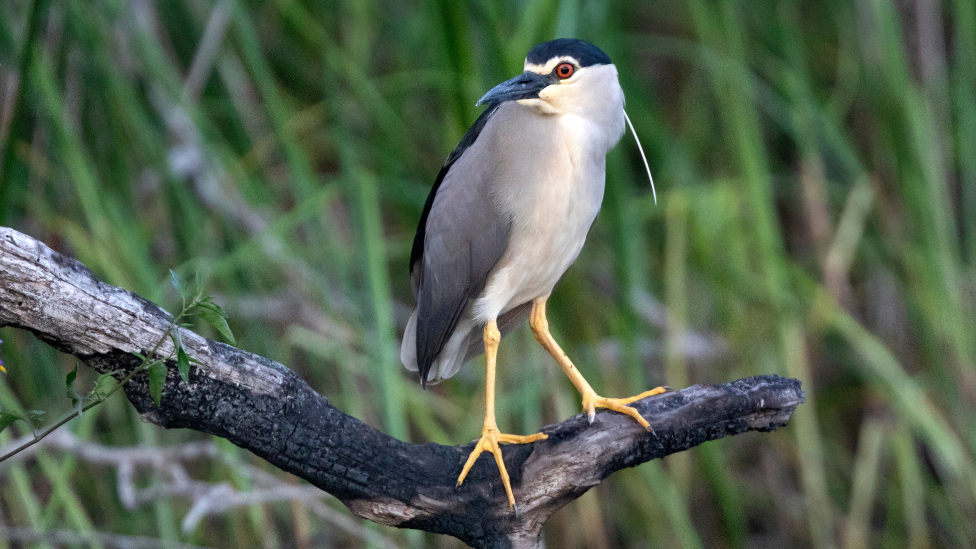
A bird rarely observed within the United Kingdom’s diverse avian landscape has been captured on camera at the National Trust’s Holnicote Estate in Somerset, sparking considerable excitement among conservationists and ornithologists alike. This significant sighting of a black-crowned night heron (Nycticorax nycticorax) raises profound hopes that the estate’s ongoing, ambitious work to restore and expand freshwater habitats could indeed be providing a vital refuge for this elusive species and many others.
The black-crowned night heron is a globally widespread species, found across vast stretches of Africa, Asia, the Americas, and Europe. Despite its extensive international distribution, it remains an exceptionally scarce visitor to the UK, making its appearance at Holnicote, near Minehead, particularly noteworthy. The recent detection, thanks to the estate’s wildlife cameras, underscores the increasing importance of dedicated conservation efforts in creating resilient ecosystems capable of attracting and sustaining rare and migratory species.
Conservationists at the Holnicote Estate have been diligently working on introducing and enhancing new freshwater habitats as part of a broader rewilding and nature recovery initiative. These meticulously planned and implemented interventions are designed to rejuvenate the landscape, offering a haven not only for the night heron but also for a rich tapestry of other indigenous and returning wildlife. The burgeoning wetlands now support thriving populations of water voles, otters, and pine martens, and have even played a role in the reintroduction efforts for white-tailed eagles, demonstrating the profound ecological impact of such restorative projects.
Ben Eardley, Project Manager for Somerset Coast and Countryside, expressed the collective enthusiasm, stating, "It’s truly rare to see this wetland species in the UK, and it’s incredibly exciting that we have observed one on our estate cameras. This sighting serves as a powerful testament to the effectiveness of our habitat restoration work." He highlighted the bird’s nocturnal nature as an added layer of difficulty in detection, making the camera trap footage an invaluable record. The black-crowned night heron, as its name suggests, is primarily active under the cloak of darkness, foraging for fish, amphibians, and invertebrates, which means visual sightings by humans are infrequent, even in areas where it is more common. Its preference for secluded, densely vegetated wetlands further contributes to its enigmatic status.
The physical characteristics of the black-crowned night heron contribute to its distinctive appearance. Adults are relatively compact herons, typically measuring around 58-65 cm in length with a wingspan of 90-112 cm. They possess a stocky build, a short neck, and relatively short legs, distinguishing them from the more elegant, long-necked herons like grey herons. Their plumage is striking: a glossy black crown and back, contrasting sharply with pale grey wings and white underparts. Two or three slender white plumes extend from the back of the head during breeding season, adding to their allure. Juveniles, however, have a mottled brown appearance, making them harder to identify. The individual spotted at Holnicote, with its distinct adult markings, signifies a mature bird venturing into these newly hospitable territories.
Eardley further elaborated on the critical need for such habitat restoration, explaining the grim reality that "the UK has lost over 97% of its wetlands through drainage and changes in land management." This staggering statistic paints a stark picture of ecological decline, driven by centuries of agricultural intensification, urban development, and river engineering. The loss of these vital ecosystems has had catastrophic consequences for wetland-dependent species, many of which are now endangered or locally extinct. "Renewing existing wetlands and identifying opportunities to create new areas will not only help wildlife thrive but also improve water quality, reduce flood risk, and create more resilient landscapes for future generations," Eardley added, underscoring the multifaceted benefits of their work.
The first confirmed breeding of black-crowned night heron in the UK was indeed recorded in Somerset in 2017, a landmark event that provided a glimmer of hope for the species’ potential re-establishment in the country. That earlier breeding success, also within a wetland-rich area of Somerset, suggests that the region holds particular appeal for these rare visitors, possibly due to its extensive network of rivers, rhynes, and coastal marshes. However, despite this precedent, the black-crowned night heron remains a scarce visitor, with most sightings being of individuals rather than established populations. The Holnicote sighting thus adds another crucial data point to the species’ sporadic presence in the UK, hinting at the potential for future colonisation if suitable habitats persist and expand.
The Holnicote Estate’s approach to wetland creation is holistic, integrating both active intervention and natural processes. Jack Siviter, Holnicote Estate Beaver and Wetlands Project Officer, shed light on the ongoing strategy: "We are continuing to focus on wetland creation through our project work, as well as letting beavers modify and produce these habitats at scale." This innovative strategy leverages the ecological engineering capabilities of beavers, a species recently reintroduced to various parts of the UK, including Somerset. Beavers construct dams, create ponds, and alter water flow, naturally shaping landscapes into complex wetland mosaics that provide ideal conditions for a diverse array of species. Their activities enhance biodiversity, improve water retention, and contribute to natural flood management, aligning perfectly with the estate’s broader conservation objectives.
The reintroduction of beavers is a cornerstone of the estate’s rewilding efforts, allowing nature to take the lead in shaping the environment. Their dam-building activities create a dynamic patchwork of open water, marshland, and damp woodlands, which are precisely the conditions favoured by species like the black-crowned night heron. These diverse habitats offer abundant food sources, from fish and frogs to aquatic insects, and provide dense cover for roosting and nesting, crucial for a shy, nocturnal bird.
Siviter expressed optimism for the future, stating, "If we can do this successfully, we are likely to see more wetland specialists arrive at Holnicote, and who knows – night herons might continue to appear, perhaps even establishing a breeding presence in the long term." This vision extends beyond mere sightings, aiming for the sustainable re-establishment of rare wetland species. The work at Holnicote represents a microcosm of wider conservation efforts across the UK, where dedicated organisations like the National Trust are striving to reverse historical ecological damage and create robust, biodiverse landscapes for generations to come.
The significance of this sighting extends beyond the mere presence of a rare bird. It acts as a powerful indicator of ecosystem health and the tangible success of targeted conservation interventions. For a species like the black-crowned night heron, which thrives in undisturbed, fish-rich wetlands, its appearance signifies that the Holnicote Estate is evolving into a genuinely hospitable environment. This in turn attracts a cascade of other wetland species, enriching the local biodiversity and demonstrating the profound interconnectedness of nature. The commitment to restoring and expanding these precious freshwater habitats is not just about bringing back individual species; it’s about rebuilding entire ecosystems, creating resilient landscapes that can withstand future environmental pressures and offer a haven for wildlife for years to come.



 Roy Suryo

 Nakalama John
 atisusanti
 Ramos Leo