Nana Banana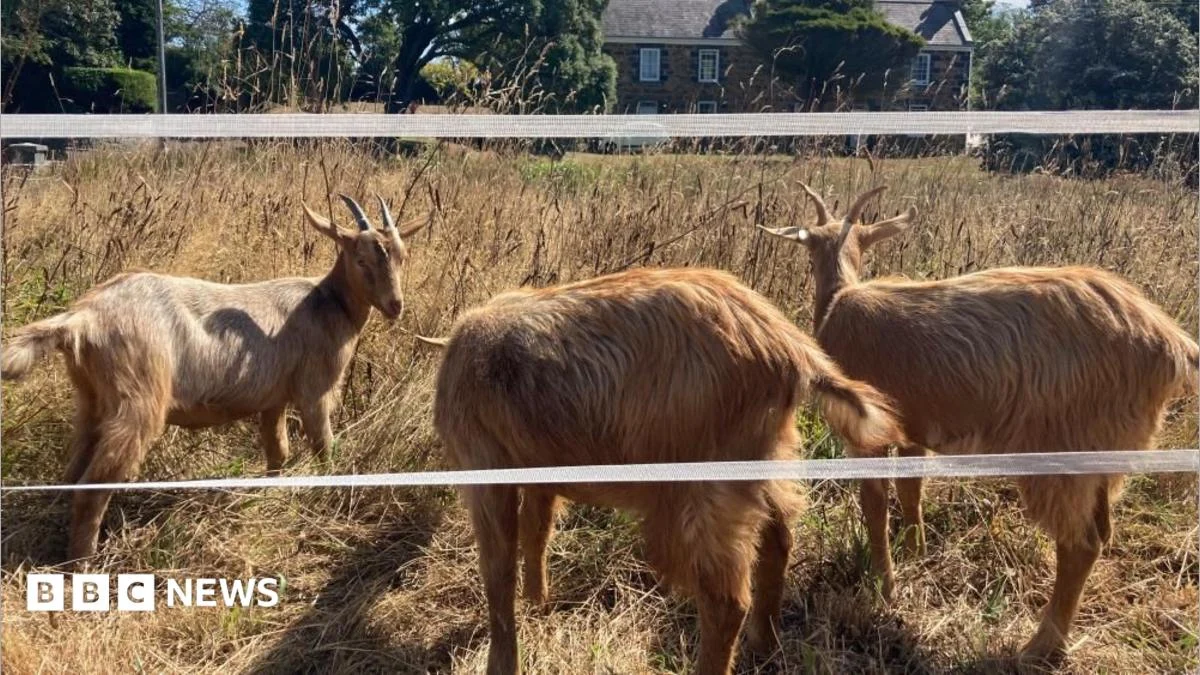
The conservation herd, a visionary project established by La Société Guernesiaise in 2014, was conceived to manage specific natural areas across the island through traditional grazing methods. Its primary objective has always been to negate the necessity for environmentally impactful mechanical cutting, which can disturb delicate soil structures, compact the ground, and scatter seeds indiscriminately. Instead, the herd offers a more organic, sustainable, and ecologically sensitive approach to land management, allowing animals to perform their natural role as ecosystem engineers. By promoting natural grazing, the initiative aims to foster a richer variety of habitats, encourage the growth of native flora, and provide diverse food sources and shelter for local wildlife, ultimately leading to a more robust and resilient island environment.
Will Harford-Fox, the dedicated Herd Manager, elaborated on the specific ecological advantages that the new goat arrivals bring. He articulated that the goats possess a distinct dietary preference for plant species that cattle typically overlook, or find less palatable. Among these are tenacious and often invasive woody species such as gorse, blackthorn, and brambles. These plants, while native, can, if left unchecked, form dense, impenetrable thickets that outcompete more delicate native wildflowers and grasses, reduce light penetration to the forest floor, and create monocultures that limit biodiversity. Gorse, with its spiny nature, can dominate heathland and pasture, while blackthorn and brambles can quickly colonize woodland edges and clearings, creating formidable barriers for both humans and wildlife. The goats’ natural instinct to browse on these tougher, woody plants means they act as a natural scrub clearance unit, opening up these areas. This selective browsing creates a more varied vegetation structure, providing new opportunities for a wider array of plant species to flourish and for insects, birds, and small mammals to find diverse habitats and food sources. The introduction of goats, therefore, represents a sophisticated multi-species grazing strategy, acknowledging that different herbivores play different, yet complementary, roles in shaping a landscape.
The arrival of the Royal Golden Guernsey goats was met with considerable enthusiasm and a formal welcome by the Governor of Guernsey, Lt Gen Sir Richard Cripwell. Addressing the gathering upon the goats’ release into their new conservation grounds, the Governor underscored the profound impact these animals are expected to have. He stated unequivocally: "They can make a really valuable contribution to how Guernsey manages its own environment in the future." This statement highlights a forward-thinking approach to environmental stewardship, positioning these rare goats as active partners in the long-term ecological health of the island. It suggests a future where sustainable, natural methods are increasingly prioritized over mechanical or chemical interventions, fostering a deeper connection between the island’s heritage breeds and its natural landscapes.
Furthermore, Governor Cripwell emphasized that this momentous occasion transcends mere ecological management; it marks a pivotal step in the broader conservation narrative of the Royal Golden Guernsey goat species itself. The breed received its distinguished royal title from His Majesty King Charles III in July 2024, a testament to its unique heritage, rarity, and the dedicated efforts of those committed to its survival. This royal patronage elevates the breed’s profile, signifying its national importance and placing it firmly within the pantheon of cherished British rare breeds. The Royal Golden Guernsey goat, known for its docile temperament, distinctive golden-fawn coat, and efficient milk production, is an indigenous breed whose population has faced significant decline over the decades, making its conservation a matter of urgent priority for genetic diversity and cultural heritage.
The Governor further reflected on the tireless commitment of numerous individuals who have championed the breed’s cause over many years. He acknowledged that "Many people for a number of years have been working to see how we can preserve but also promote the breed." These efforts have typically involved careful breeding programs, maintaining studbooks, raising public awareness, and ensuring the genetic viability of the remaining population. Such dedicated work, often carried out by passionate breeders and conservationists, forms the bedrock of rare breed preservation. The integration of these goats into an active conservation herd represents a practical, dynamic extension of these efforts, moving beyond static preservation in controlled environments to an active role in shaping and restoring natural habitats.
In a powerful summation of the day’s significance, Governor Cripwell articulated the broader vision for the breed: "Today is the first step really in seeing how we can broaden the way in which the goats live and are perceived by others." This statement is twofold in its implication. Firstly, it speaks to broadening the goats’ existence from primarily being confined to breeding establishments or smallholdings to actively participating in large-scale ecological restoration projects. This provides the animals with a more naturalistic environment, allowing them to express their innate browsing behaviours and contribute meaningfully to the landscape. Secondly, it aims to reshape public perception. No longer merely a "rare farm animal" or a "heritage curiosity," the Royal Golden Guernsey goat is now to be seen as a vital ecological asset, a working conservationist, and a living symbol of Guernsey’s commitment to environmental sustainability. This shift in perception is crucial for garnering greater public support for rare breed conservation, demonstrating their intrinsic value not just as historical relics but as active contributors to contemporary environmental challenges.
The ecological benefits of this multi-species grazing approach are manifold. By selectively targeting invasive scrub, the goats will create open ground, allowing dormant seed banks of native wildflowers to germinate and flourish. This increase in floral diversity, in turn, supports a wider array of insect life, including pollinators and pest controllers, which forms the base of the food web for birds and other wildlife. The mosaic of open areas, short grass, and mixed scrub created by combined cattle and goat grazing provides varied habitats, crucial for species that require different environmental niches throughout their life cycles. Furthermore, the reduction of dense, woody vegetation, particularly gorse and brambles, significantly lowers the risk of wildfires, a growing concern in many natural landscapes. The natural fertilization provided by the animals’ dung enriches the soil, while their hooves cause minimal disturbance compared to heavy machinery, promoting healthy soil structure and microbial activity. This holistic approach fosters a more resilient ecosystem, less prone to disease and more capable of adapting to environmental changes.
Looking ahead, the successful integration of the Royal Golden Guernsey goats into the conservation herd could serve as a powerful exemplar for other islands and regions grappling with similar ecological challenges. It underscores the profound wisdom of employing local, heritage breeds, which are often uniquely adapted to their native environments, as frontline agents in conservation. The initiative is not merely about preserving a breed; it is about demonstrating the practical utility and irreplaceable value of these animals in maintaining and restoring ecological balance. The future prospects for the Royal Golden Guernsey goats are now brighter, with a defined, active role that aligns their survival with the broader health of their island home. This landmark event on Guernsey beautifully intertwines the threads of heritage agriculture, rare breed conservation, and innovative environmental management, charting a course towards a more sustainable and biodiverse future for the island and offering valuable lessons for global conservation efforts. The cultural significance of both the Guernsey cattle and the Royal Golden Guernsey goats to the island’s identity is profound, and their expanded role in conservation further cements their place as living symbols of Guernsey’s natural and cultural heritage.



 George Anjay
 Nakalama John
 Ramos Leo