Nana Banana
In August 1999, the United Kingdom witnessed a rare total solar eclipse, a spectacle that drew millions of sky-gazers. Like many, Peter was eager to witness this celestial phenomenon. Believing he was adequately protected, he used a borrowed welder’s mask, unaware that not all such masks offer sufficient filtration for direct solar observation. The excitement of the moment overshadowed any lingering doubts about the mask’s specific shade rating or certification. He watched, captivated by the darkening sky and the dramatic silhouette of the moon passing before the sun, little realizing the invisible damage being inflicted upon his most precious sense.
The morning after the eclipse brought a grim realization. Peter awoke to unsettling flashes in his eyes and a persistent, throbbing headache. The world around him seemed subtly altered, a faint but definite disruption to his central vision. Concerned, he sought medical attention, and the diagnosis confirmed his fears: both of his retinas had sustained irreversible damage. This "solar retinopathy" meant that the intense, unfiltered sunlight had burned sensitive cells in the macula, the part of the retina responsible for sharp, central vision.
Today, Peter lives with the enduring legacy of that day. He describes a "residual impact," where even now, especially when fatigued, a "flashing dot" can reappear in his vision. This constant reminder serves as a stark testament to the permanent nature of the injury. "Make sure it’s got the right protection and filters to stop any damage because any damage you get, it’ll never heal. It’s not like cutting your hand," Smith implores, emphasizing the unique vulnerability of ocular tissue. His experience underscores the critical message: vision lost to solar damage is not recoverable. "It’s not nice when it does," he reflects on the recurring flashes, a subtle but significant impairment that affects his quality of life and serves as a continuous, unwanted reminder of a fleeting moment of wonder turned regret. He reiterates, "If you’re going to go and watch it, make sure that everything you’ve got is correct."
His heartfelt plea comes as the UK prepares for a partial solar eclipse this Wednesday. While not a total eclipse for the UK, even a partial obscuration of the sun still poses significant risks. The sun, even when partially covered, emits powerful ultraviolet (UV) and infrared (IR) radiation that can severely burn the retina without causing any immediate pain, leading to delayed symptoms and permanent vision loss. The human eye lacks pain receptors in the retina, meaning damage can occur without any warning sensation.
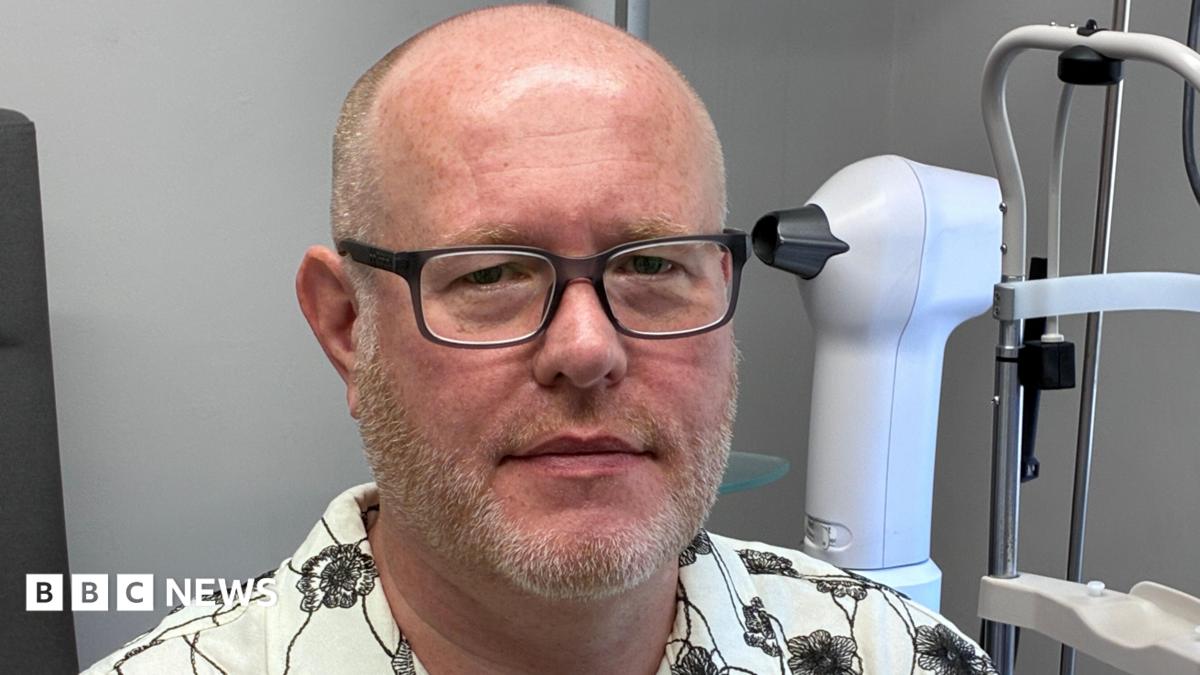
Optometrist Sarah Farrant, also from Taunton, reinforces Peter’s warning with professional expertise. She explains the precise nature of the danger: "Viewing the eclipse without protection could damage the retina and macular at the back of the eye." Farrant highlights that the partial nature of the eclipse in the UK might deceptively lead people to believe it’s safer. "The partial eclipse in the UK really means that people will want to look at the sun, but there’s still enough to cause damage even when the sun is at its dimmest here in the UK." She stresses that the sun’s intensity, even when partially obscured, is enough to cause significant harm. "If they’re not safe when they are viewing the sun, you can end up with what we call a ‘solar burn’ at the back of the eye and that can have a lifelong lasting impact on the central part of your vision." This "solar burn," or solar retinopathy, results in a blind spot or distorted vision in the most crucial part of one’s sight, affecting tasks like reading, recognizing faces, and driving.
The mechanism of damage is quite simple yet devastating. When you look directly at the sun, the lens of your eye focuses the intense light onto a small spot on your retina, much like a magnifying glass focusing sunlight to burn a leaf. This concentrated energy literally cooks the retinal tissue, destroying photoreceptor cells and their supporting structures. Unlike a physical wound, retinal cells do not regenerate, making the damage permanent. Both UV and IR radiation contribute to this harm, with infrared radiation particularly efficient at generating heat and causing thermal burns to the delicate tissues.
How to View the Solar Eclipse Safely
For those eager to witness this rare celestial event, safety must be paramount. The safest and most recommended methods involve either certified protective eyewear or indirect viewing techniques.
-
Certified Eclipse Glasses: The gold standard for direct viewing is using specialized eclipse glasses that meet the ISO 12312-2 international safety standard. These are not ordinary sunglasses. True eclipse glasses are thousands of times darker than regular sunglasses and are designed to block nearly all visible light, as well as harmful UV and IR radiation.
- Verification: Always purchase eclipse glasses from reputable vendors. Beware of counterfeits, which are prevalent during eclipse events. Check for the ISO 12312-2 mark printed on the glasses. Even with the mark, scrutinize the vendor. If in doubt, opt for indirect viewing.
- Usage: Before looking at the sun, put your eclipse glasses on. After viewing, turn away from the sun before removing them. Never remove them while looking at the sun. Inspect your glasses for any scratches, tears, or damage before each use; even a tiny pinhole can compromise safety.
-
Indirect Viewing Methods: These methods allow you to observe the eclipse without ever looking directly at the sun.
- Pinhole Projector: This is a simple, effective, and safe way to view an eclipse. Take two pieces of stiff cardstock or paper. Punch a small, clean hole (about 1-2mm) in the center of one piece. With your back to the sun, hold the card with the hole above your shoulder, allowing sunlight to pass through the hole onto the second piece of card held a foot or two below. An inverted, crescent-shaped image of the sun will be projected onto the bottom card. The further away the projection surface, the larger the image.
- Kitchen Colander: As suggested, a kitchen colander can serve as an impromptu pinhole projector. Hold it above the ground with your back to the sun. The numerous holes in the colander will project a grid of crescent-shaped suns onto the ground, offering a fascinating and safe display.
- Binocular/Telescope Projection: NEVER look through binoculars or a telescope at the sun without a certified solar filter specifically designed for the objective lens (the large lens at the front). However, you can use these instruments to project an image of the sun. Point the binoculars/telescope at the sun (without looking through them) and hold a white card a foot or two behind the eyepiece. Focus the image until a clear projection of the crescent sun appears on the card. This method requires care to ensure no one accidentally looks through the eyepiece.
Methods to Absolutely AVOID:
Looking at the sun directly with any of the following without proper, certified solar filters will cause severe and often irreversible eye damage:
- Naked eyes: Even for a fraction of a second.
- Regular sunglasses: These offer no protection against the intense solar radiation.
- Unfiltered cameras, smartphones, binoculars, or telescopes: These devices concentrate sunlight and can cause instant, severe damage to your eyes (if looking through a viewfinder) and also to the device’s sensor.
- Homemade filters: Smoked glass, stacked sunglasses, Mylar balloons, CDs, photographic negatives, or any other uncertified material are extremely dangerous and unreliable.
- Standard welder’s masks: Only welder’s masks with a shade rating of 12 or higher are considered safe for solar viewing, and even then, certified eclipse glasses are preferred. Peter Smith’s experience highlights the danger of assuming a welder’s mask is sufficient without verifying its specific shade rating.
The awe-inspiring beauty of a solar eclipse is a moment many cherish, but it is fleeting and potentially perilous. The wonder of the cosmos should never come at the cost of one’s vision. Peter Smith’s powerful testimony, backed by expert medical advice, serves as an urgent reminder: prepare properly, use certified equipment, or opt for indirect viewing. If you or someone you know experiences any visual disturbances, discomfort, or changes in vision after looking at the sun, seek immediate medical attention from an optometrist or ophthalmologist. Prioritizing eye safety ensures that the memory of Wednesday’s eclipse remains one of wonder, not regret.



 George Anjay
 Nakalama John
 atisusanti
 Roy Suryo