Nana Banana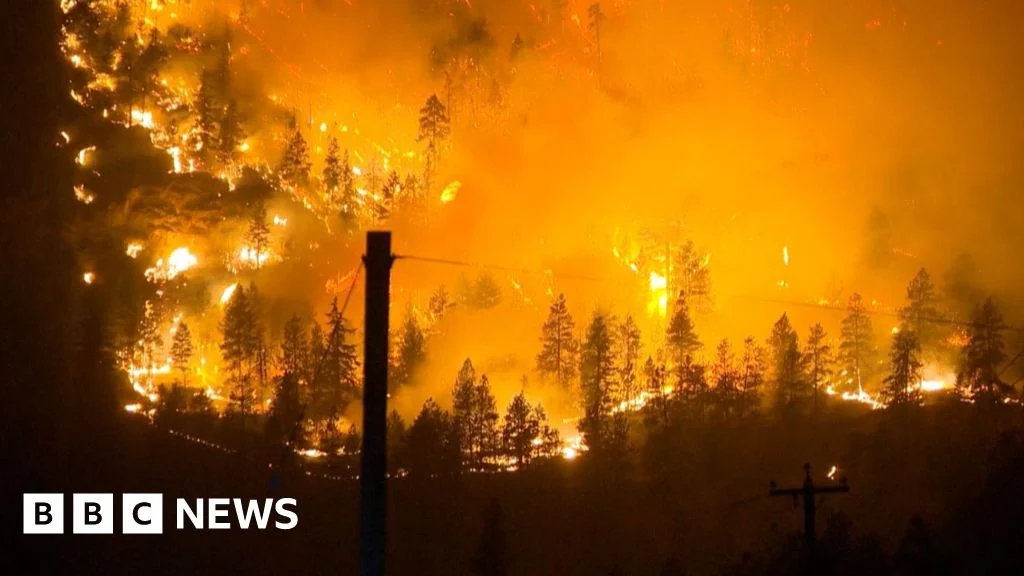
The sheer speed and intensity of the blaze have left many residents reeling, recounting harrowing tales of a sky turning orange and smoke choking the air within minutes, leaving little time for anything but immediate flight. "It was like a wall of fire, just came out of nowhere," described one evacuee, whose community was enveloped by the encroaching flames in what felt like an instant. The inferno, fueled by an unprecedented combination of prolonged drought, critically dry vegetation, and relentless winds, has proven exceptionally challenging for firefighting crews. Its unpredictable behaviour and rapid expansion across diverse terrain, from dense forests to rural communities, underscore the severity of the conditions facing British Columbia this year.
The declaration of a state of emergency empowers the provincial government to coordinate all efforts, from mass evacuations to the deployment of critical infrastructure and personnel. It allows for the imposition of travel restrictions to ensure clear routes for emergency vehicles and to deter non-essential travel into affected zones, safeguarding both public safety and operational efficiency. Furthermore, it enables the provincial government to access additional federal support and resources, acknowledging the overwhelming scale of the disaster that extends far beyond local capabilities. Emergency Management BC, in conjunction with the BC Wildfire Service, the Royal Canadian Mounted Police (RCMP), and numerous local fire departments, is working tirelessly to manage the crisis, but the sheer size and ferocity of the fire present formidable obstacles.
The wildfire’s dramatic expansion since Friday highlights the volatile nature of this season. What began as a nascent fire quickly exploded into a sprawling inferno, consuming thousands of hectares in its relentless march. The landscape, parched by weeks of scorching temperatures and minimal rainfall, provides abundant fuel for the flames, allowing them to jump natural fire breaks and cross highways with terrifying ease. Fire behavior specialists describe the conditions as extreme, with fire whirls and ember showers capable of igniting new blazes kilometres ahead of the main fire front, further complicating suppression efforts. Air tankers and helicopters have been deployed en masse, dropping retardant and water, but their effectiveness is often hampered by dense smoke and the sheer scale of the fire perimeter.
Beyond the immediate threat to life and property, the broader implications of this wildfire are profound. Air quality across large swaths of British Columbia and even into neighbouring provinces and states has deteriorated significantly, with thick plumes of smoke drifting for hundreds of kilometres. Health advisories have been issued, warning vulnerable populations to stay indoors and limit outdoor activities. Hospitals are preparing for an increase in respiratory-related admissions, adding another layer of strain to an already stretched healthcare system. The long-term ecological impact on forests, wildlife habitats, and watersheds is also a serious concern, with potential consequences for biodiversity and water quality for years to come.
The human toll of the evacuations is immense. Thousands of individuals, often with only minutes to gather essential belongings, have sought refuge in designated evacuation centres or with friends and family in safer areas. The emotional trauma of leaving behind homes, businesses, and cherished possessions is palpable. Many face the agonizing uncertainty of whether their properties will survive the conflagration, a psychological burden that weighs heavily on entire communities. Volunteers and aid organizations have stepped forward, providing comfort, food, and temporary shelter, showcasing the resilience and compassion inherent in times of crisis. However, the sheer volume of displaced persons presents logistical challenges for providing comprehensive support.
The economic ramifications of such a widespread disaster are also substantial. Beyond the direct loss of homes and structures, the wildfire threatens critical infrastructure, including power lines, communication networks, and transportation routes. Agricultural operations, particularly those in the fertile valleys of British Columbia, face immediate crop losses and long-term damage to land. The tourism sector, a vital component of the provincial economy, is also significantly impacted, with widespread cancellations and advisories discouraging travel to affected regions. The cost of firefighting operations alone runs into millions of dollars daily, placing an enormous financial strain on provincial coffers, which will eventually be compounded by the immense costs of recovery and rebuilding.
Scientists and climate experts point to the increasing frequency and intensity of such wildfires as a direct consequence of climate change. British Columbia has experienced a succession of record-breaking heatwaves and prolonged periods of drought in recent years, creating ideal conditions for mega-fires. The length of the wildfire season is extending, and the behaviour of fires is becoming more extreme and unpredictable. This ongoing crisis serves as a stark reminder of the urgent need for enhanced climate adaptation strategies, including improved forest management practices, early warning systems, and community preparedness initiatives designed to build resilience against future environmental challenges.
As firefighting efforts continue around the clock, the immediate focus remains on containing the blaze, protecting lives, and mitigating further property damage. Ground crews are constructing fire guards, supported by heavy equipment, while aerial resources are strategically deployed to target active fronts and protect vulnerable areas. The coordination between various agencies is critical, involving intricate planning and rapid response to dynamic conditions. Weather forecasts, which often dictate the spread and intensity of these fires, are meticulously monitored for any changes in wind patterns, temperature, or the slim hope of precipitation.
The process of determining the exact number of lost homes and assessing the full extent of the damage will be a protracted and painstaking one. Once the immediate danger subsides and areas are deemed safe for entry, assessment teams will systematically survey the devastation. For now, the priority remains the safety of residents and responders, and the relentless fight against a wildfire that continues to rage, leaving a profound mark on the landscape and the collective consciousness of British Columbia. The recovery, when it eventually begins, will be a long and arduous journey for the thousands of individuals and communities impacted by this destructive force of nature, requiring sustained effort and support to rebuild and heal.



 George Anjay
 Nakalama John
 atisusanti
 Ramos Leo