
 Ramos Leo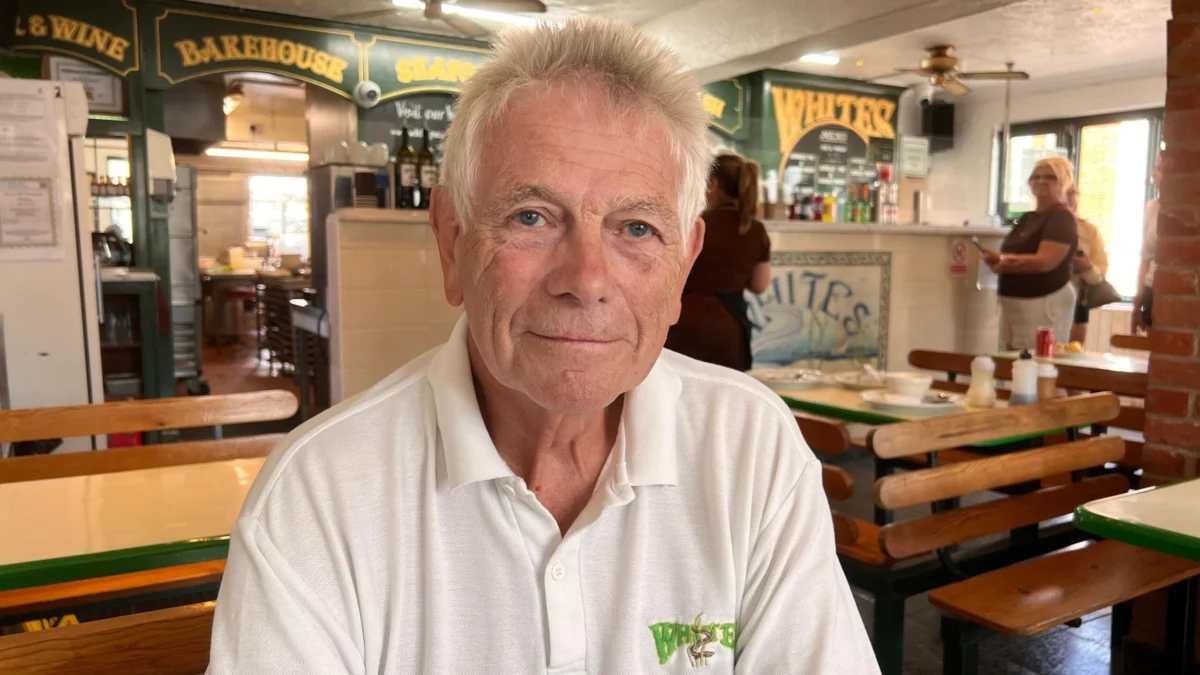
On Thursday, Clacton goes to the polls for a by-election triggered by the resignation of Nigel Farage, a pivotal moment that sees the constituency once again thrust into the national political spotlight. For the sixth time in just 12 years, the residents of this Essex parliamentary seat are being asked to choose their representative, a frequency that underscores its volatile political landscape and the ongoing quest for an MP who truly understands and champions their diverse needs.
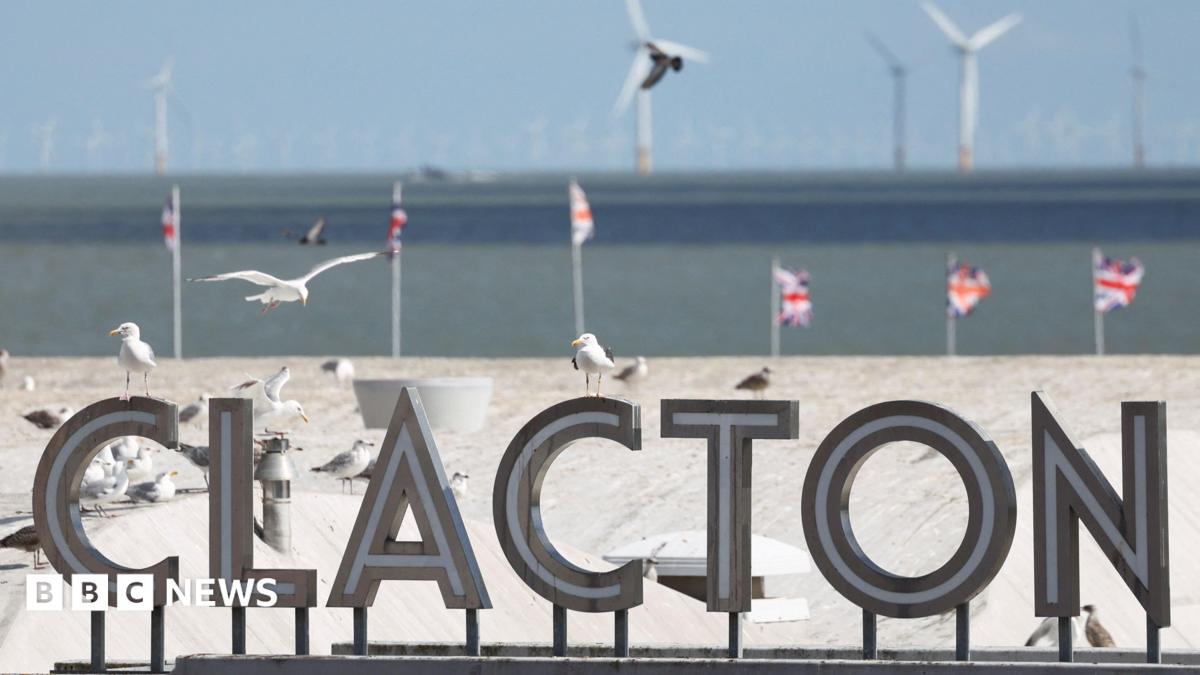
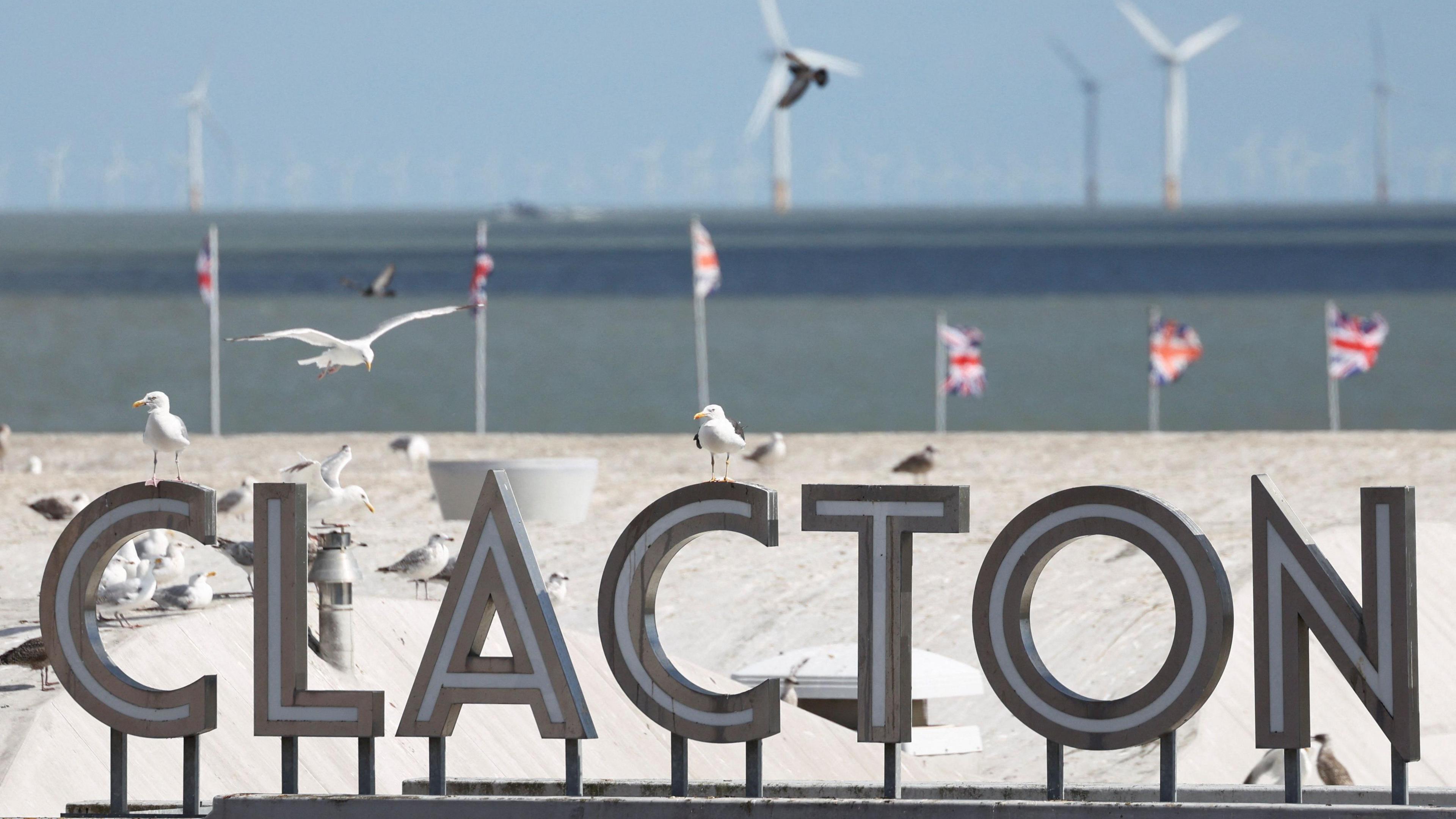
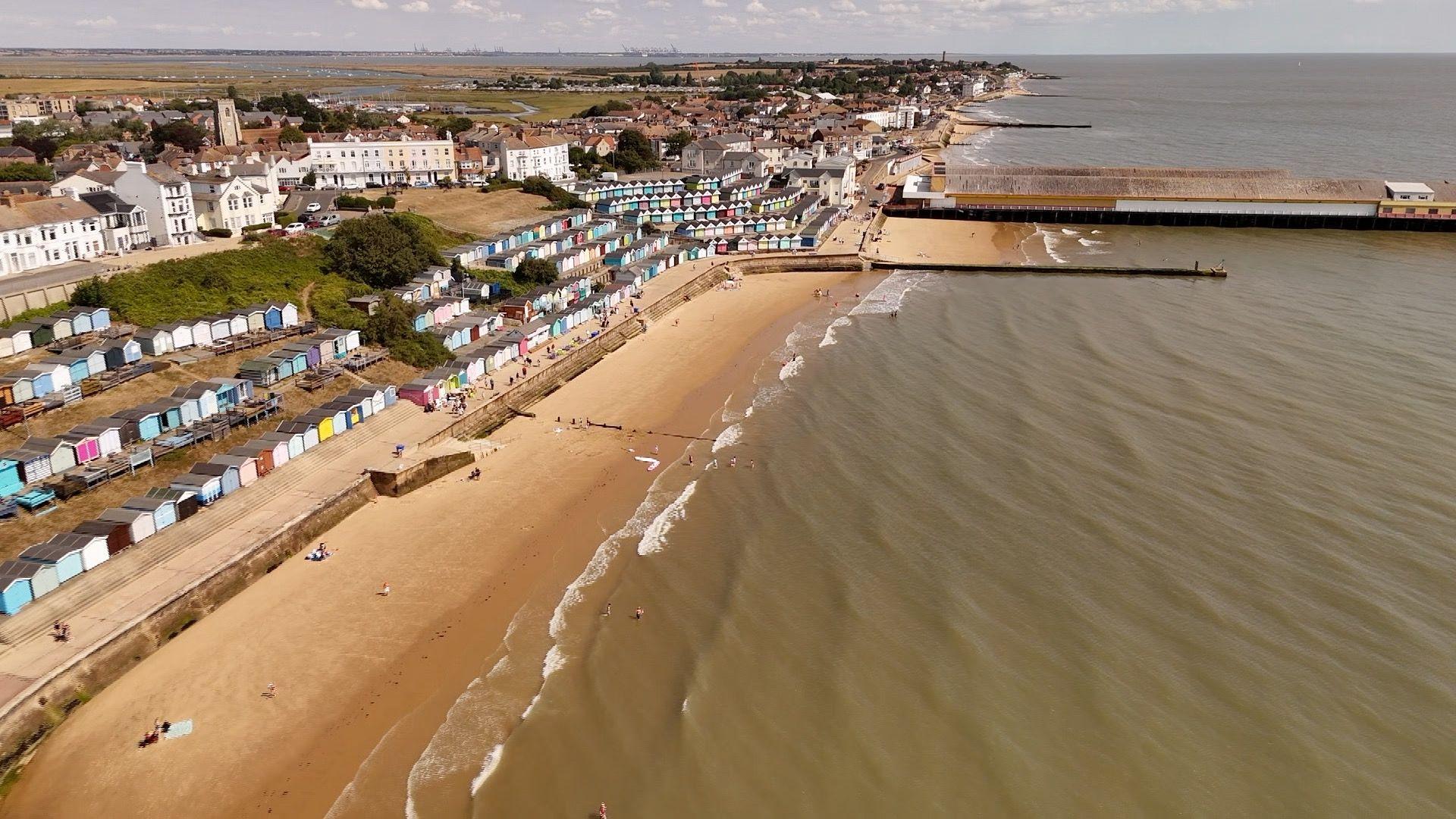
The Clacton constituency is far more complex than the popular image of its eponymous town might suggest. It encompasses a rich tapestry of communities, from sprawling rural villages and thousands of hectares of productive farmland to a string of distinctive seaside towns and villages. These include the vibrant Clacton-on-Sea itself, the often-cited area of deprivation in Jaywick, the famously affluent and sedate Frinton-on-Sea, and the charming coastal retreat of Walton-on-the-Naze, all boasting glistening golden beaches. Each of these areas brings its own unique character, challenges, and priorities to the ballot box.
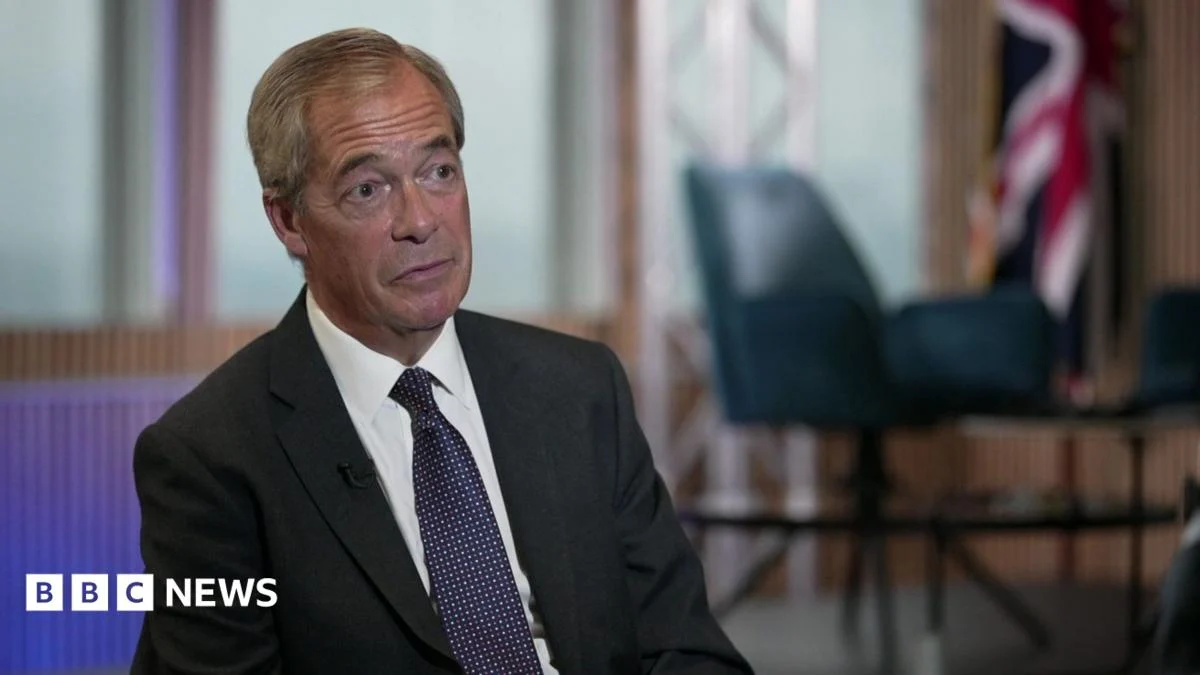
The forthcoming by-election was precipitated by Nigel Farage’s decision to resign from Parliament, following intense scrutiny and an investigation into his personal finances. While Farage, the leader of Reform UK, has vehemently denied any wrongdoing, he stated his desire for the people of Clacton to serve as "the judges of my actions." This has set the stage for a highly anticipated contest, which will feature an unprecedented number of candidates – the largest ever seen in a British election, leading to the longest ballot paper in electoral history. With such a crowded field, voters face a complex choice, weighing national political narratives against deeply personal local concerns. So, as they prepare to place their ‘X’ in the box, what are the issues truly dominating their minds?
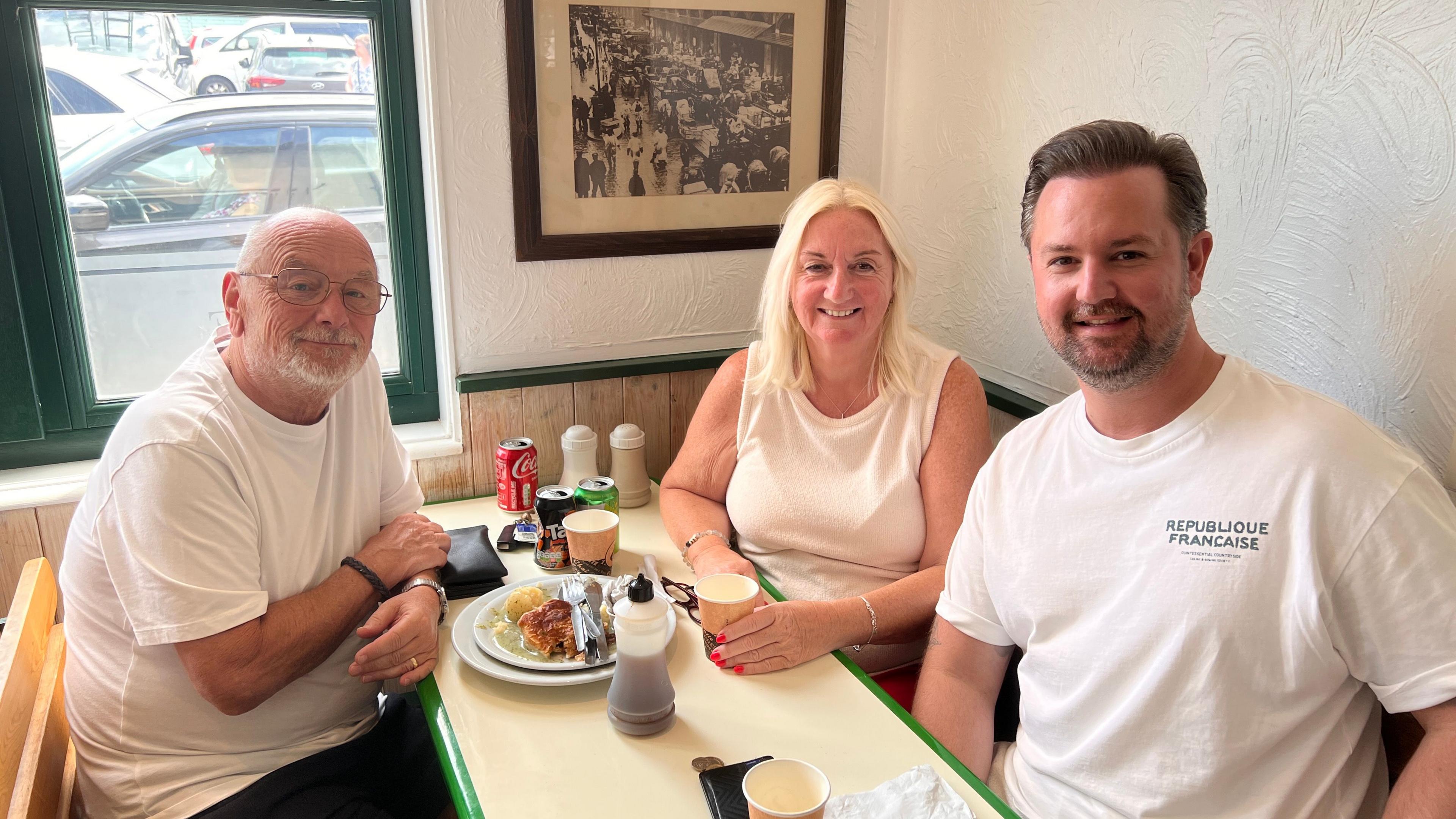
Many of the people who have settled in Walton-on-the-Naze and the wider constituency have their roots in east London, bringing with them not just their families but also cherished traditions, including their distinctive cuisine. The Parmenters are one such family, having recently migrated from Hornchurch last month. Over a lunch of classic pie, mash, and liquor, Pete Parmenter reflects on their new surroundings. "What I have seen around me is such friendly people, wherever you go," he says, expressing a common sentiment among those who appreciate the community spirit here.
However, beneath the surface of this welcoming atmosphere lie significant anxieties, particularly regarding public services. His wife, Debbie, brings the family’s recent experiences of "corridor care" in both Essex and London hospitals to the forefront of their political considerations. "We sat there all night waiting to be seen in a corridor and then were moved into a room where we had a chair," she recounts, highlighting the severe pressures on the National Health Service. Her son, Nick, nearly 40, echoes her concerns, adding: "They just seemed completely overwhelmed, the hospitals. The wait times are huge so I’d rather they focus and spend money on fixing the NHS." This sentiment reflects a widespread frustration with a healthcare system perceived to be in crisis, where access to GPs and dentists, and timely hospital treatment, are constant worries for a constituency with a notably older demographic.
For Pete, however, the primary issue is one that frequently resonates across Clacton: immigration. "It’s not ‘kick all the immigrants out’, but let’s get a little bit more control of it. That’s probably a big issue for me and will guide me which way I actually vote when it comes to it." This concern is shared by many in the area, a sentiment amplified by national debates and the constituency’s history as a stronghold for parties advocating tighter border controls.
Just across the table, Clacton taxi driver Clyde Ellis-Hall articulates a similar viewpoint, albeit framed within a broader cultural context. "I’m just not a left-wing person. I want Britain to be Britain, basically, and I want my kids and grandkids to grow up how I was brought up." He observes what he perceives as significant changes in major UK cities: "If you go to all the main cities in the country now – London, Manchester, Birmingham – it’s just totally changed." This reflects a deep-seated desire for cultural preservation and a feeling that rapid demographic shifts are altering the fabric of British society, an issue that resonates powerfully with a segment of the electorate here.
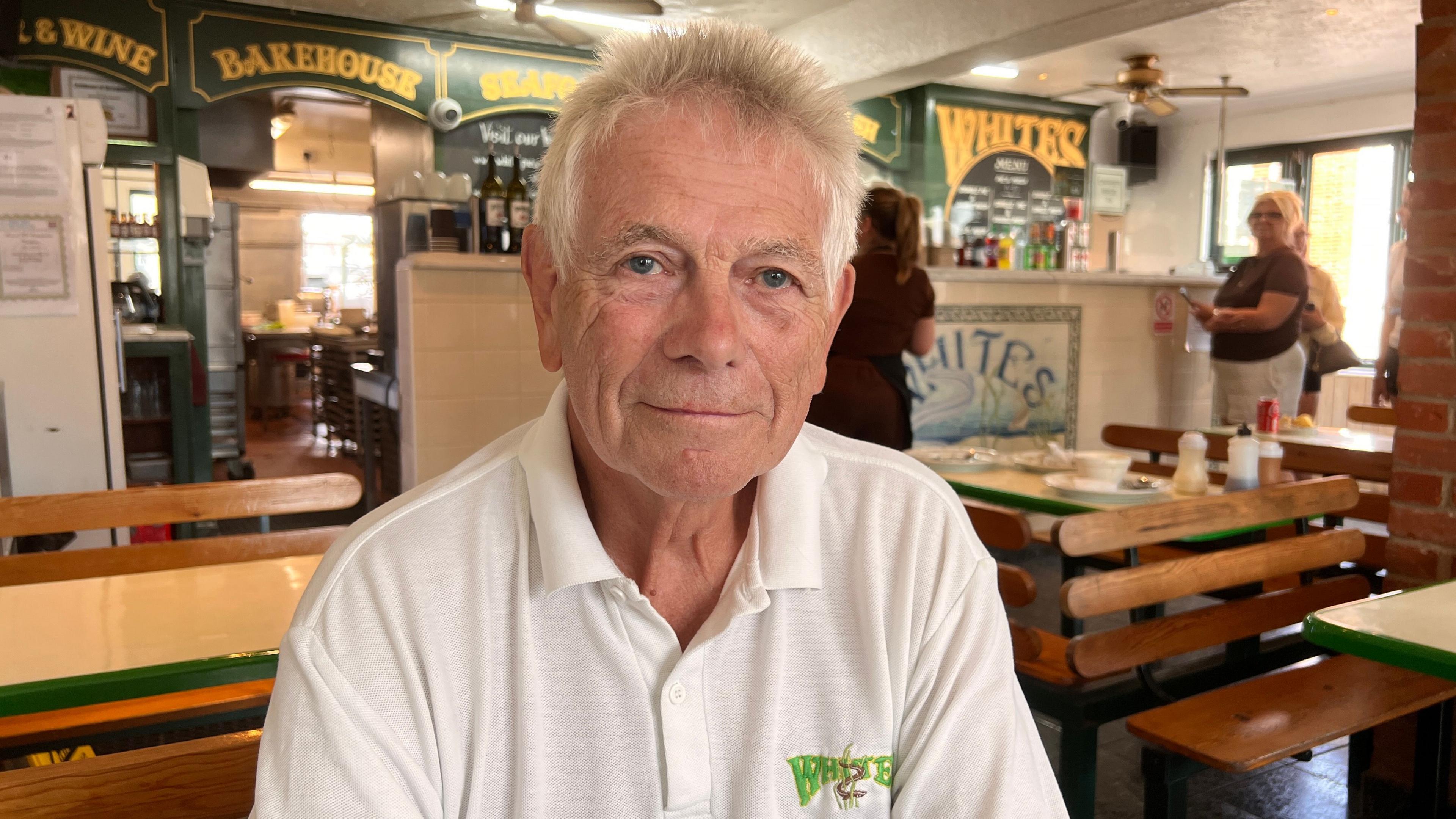
Beyond national identity and public services, the economic realities of running a small business are also a significant concern. Glenn White, who opened White’s pie and mash shop in 1981 after moving from London, embodies the resilience of local enterprise. Now nearing 80, he plans to continue serving his community, but openly admits that the current climate is the hardest he has known for small businesses. "We still pay VAT at 20% and, as you know, it’s a cheap meal in here. Government take over £1 for a meal [in tax]. That’s my main gripe, really… struggling against the cost of running the shop."
White passionately advocates for politicians to cut VAT for hospitality businesses, recalling the positive impact of the reduction to 5% during the Covid pandemic. He contrasts the UK’s approach with that of European nations, where he believes cafes and restaurants often benefit from lower VAT rates. For instance, in France, non-alcoholic sales in restaurants are subject to a lower VAT rate of 10%. White suggests that while French workers might pay higher overall taxes, they see a tangible return in the quality of their public spaces and infrastructure. "The general worker will pay a much higher tax than an English worker," he says, "But they get it back in the fact that their communities are nice places to live in. The pavements are all level, there’s no potholes, and the government put that money back in. So when a French person wakes up in the morning, he walks out into a nice town. He doesn’t trip over the paving stones; there’s not lots of weeds growing up out the kerbs." This observation underscores a prevalent feeling in Clacton that residents do not receive adequate value for the taxes they pay, with visible signs of neglect in local infrastructure.
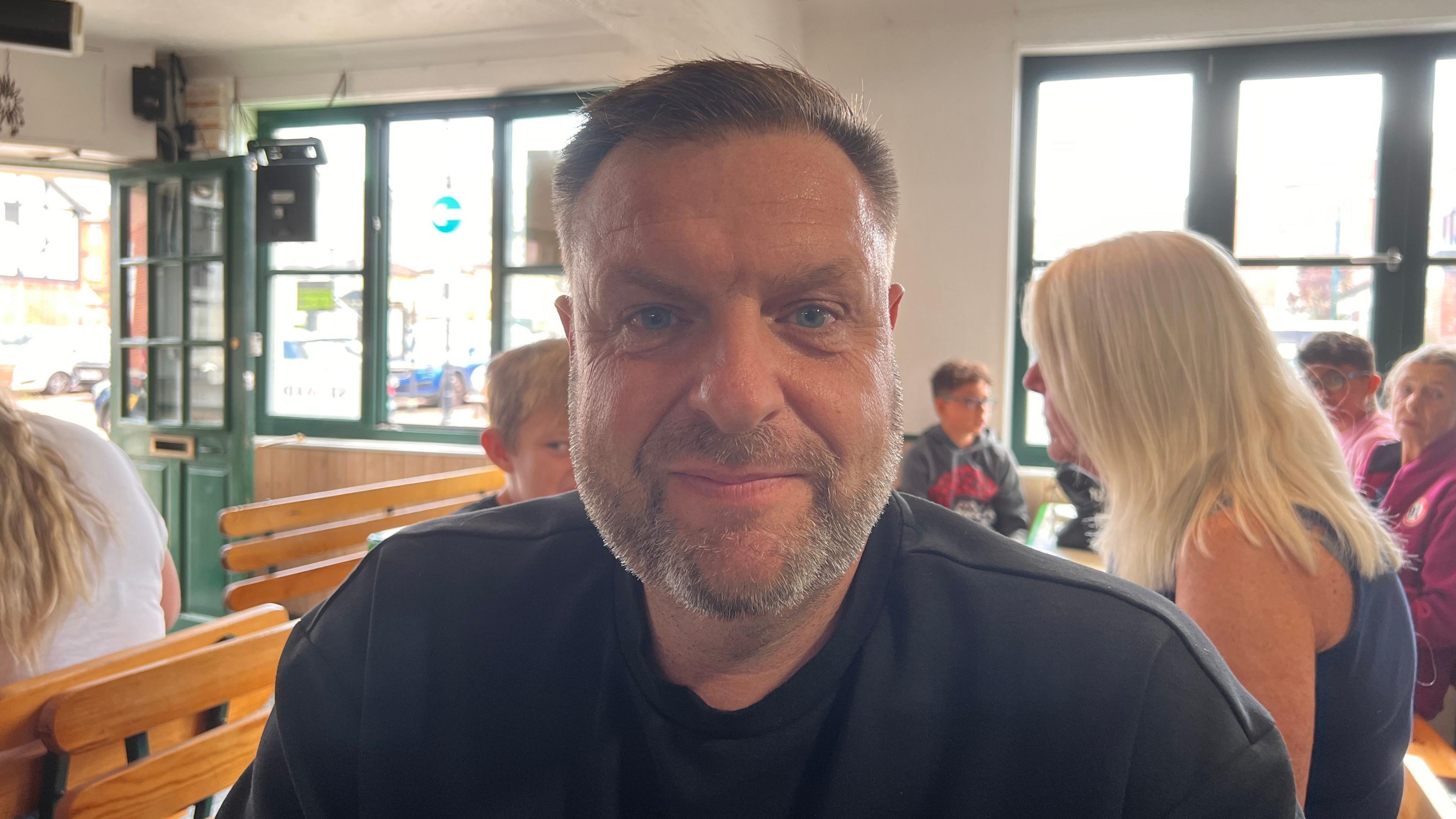
The constituency’s demographics also highlight another critical, yet often overlooked, sector: social care. Employing 4,500 people, it represents the largest economy in the area. Rahul Jagota, who runs The Corner House care home in Clacton and is a former chair of the Essex Care Association, expresses frustration that social care rarely features prominently in political discourse, despite its immense local importance. "Social care is the biggest economy in the area. It’s the most important economy in the area," he asserts. "We need our leaders to speak about it, speak about the issues, speak about what great work we do, be very positive about it and look at solutions."
Jagota notes that approximately 40% of his staff are recruited from abroad, with the remainder being local. Without international recruitment, he explains, severe staff shortages would be inevitable, highlighting the precarious balance that keeps this vital sector functioning. He questions why an industry so crucial to the well-being and employment of the constituency is not higher on the political agenda. "Why it’s not on the agenda, I’m not sure, but it’s pretty much recognised as we are the driving force of the local industry here." For a constituency with an aging population, robust and well-funded social care is not merely an economic issue but a fundamental quality-of-life concern.
The voters of Clacton, therefore, are seeking an MP who can navigate this complex web of national and local issues. They want solutions for an overburdened NHS, greater control over immigration, tangible support for struggling small businesses, improvements in local infrastructure, and a recognition of the critical role of social care. With a long history of political shifts and a strong independent streak, Clacton is a constituency that demands attention and action from its representatives. As they head to the polls, residents will be looking for a candidate who can not only articulate their frustrations but also deliver meaningful change, proving that their voices are heard in Westminster. The outcome will be a powerful indicator of the public mood, not just in Essex but potentially across the nation.

 George Anjay
 Nakalama John
 atisusanti
 Roy Suryo
 Nana Banana