
 Ramos Leo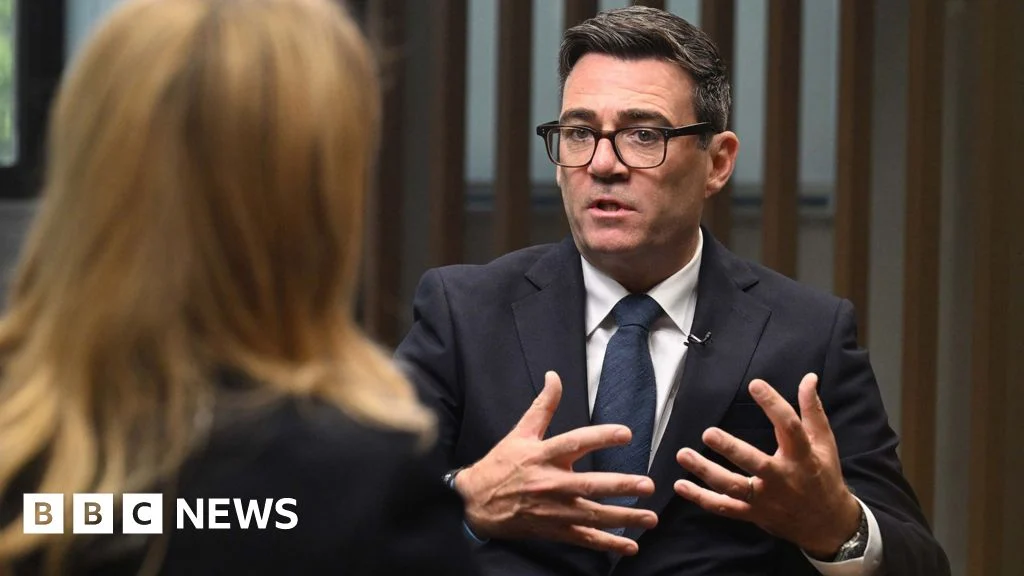
Burnham’s declaration arrives at a critical juncture, with the nation grappling with economic headwinds, the persistent cost of living crisis, and a public mood often characterized by a desire for calm and effective governance. His firm stance against a snap election is a calculated move designed to project an image of a government focused squarely on delivery rather than perpetual campaigning. The Prime Minister elaborated on his reasoning, emphasizing that the majority of the electorate "voted for a manifesto" in the last general election. He passionately vowed that his government, with the unwavering support of parliamentary colleagues, would "honour that manifesto," underscoring a commitment to the democratic mandate previously bestowed upon the governing party. This assertion suggests a focus on continuity and the implementation of existing policy commitments, rather than a fresh appeal to the electorate that might be interpreted as a diversion from the pressing issues at hand.
The decision not to seek an early mandate for himself, despite his relatively recent ascent to the premiership, speaks volumes about Burnham’s perceived understanding of the national mood. Political observers had speculated that a new leader might be tempted to capitalize on an initial honeymoon period or seek a personal mandate to solidify their authority. However, Burnham’s assessment points to a deep-seated public fatigue with political upheaval and a longing for a period of consistent, purposeful governance. The Prime Minister articulated this sentiment by stating, "I just think what I most need to do is get Britain focused on getting the country back where it should be, getting it working." This statement serves as a foundational promise, indicating a shift away from internal party machinations and towards tangible improvements in the daily lives of citizens.
The concept of "getting the country back where it should be" implicitly acknowledges that, in Burnham’s view, Britain has veered off course. While the specific details of this corrective trajectory were not fully elaborated upon in the initial snippet, it is understood that such an ambition encompasses a broad spectrum of policy areas. Economic stability will undoubtedly be at the forefront, with strategies to combat inflation, stimulate growth, and alleviate the burden of rising costs on households and businesses. The revitalisation of public services, particularly the National Health Service, will also feature prominently, alongside initiatives aimed at addressing regional inequalities and fostering a sense of shared prosperity across the United Kingdom. Burnham’s commitment to "getting it working" suggests an emphasis on practical, implementable policies designed to yield tangible results, rather than abstract ideological debates.
The interview with Laura Kuenssberg, renowned for her incisive questioning and deep understanding of the political landscape, offered Burnham a significant platform to communicate his vision directly to the public. Choosing the BBC, a cornerstone of British broadcasting, for such a pivotal announcement underscores the gravity of his message and his desire for it to reach the widest possible audience. The exclusivity of the interview further amplified its impact, positioning Burnham as a leader prepared to engage directly and transparently with the national conversation. The full context and nuance of his remarks are eagerly anticipated, with "Andy Burnham: The Laura Kuenssberg Interview" scheduled to be available across BBC News on Sunday, followed by a comprehensive broadcast on Panorama on BBC One on Monday at 20:00 BST. This staggered release strategy builds anticipation and ensures maximum public engagement with the Prime Minister’s message.
Politically, Burnham’s decision is likely to be met with a mixed reception. Within his own party, it will likely be viewed as a move to consolidate power and provide much-needed stability, allowing ministers to focus on their departmental briefs without the constant distraction of electioneering. It could also quell any internal dissent that might have arisen from the prospect of a potentially divisive early contest. For opposition parties, however, the ruling out of an early election might be framed as an avoidance of democratic accountability. They may argue that a new Prime Minister, particularly one who has ascended without a direct mandate from the public, should indeed seek one sooner rather than later. However, given the stated public fatigue, a direct call for an immediate election from the opposition might also fall flat.
Economically, the commitment to avoiding an early election could be interpreted positively by financial markets and international investors. Political stability is often a prerequisite for confidence, and the prospect of a prolonged period of policy implementation, free from the uncertainties of an imminent electoral contest, could provide a much-needed boost. Businesses, too, often prefer a predictable political environment, allowing them to plan and invest with greater certainty. Burnham’s emphasis on "getting Britain working" is likely to resonate with the business community, provided his administration can articulate and execute clear economic strategies.
Beyond the immediate political calculations, Burnham’s statement reflects a broader understanding of the challenges facing contemporary democracies. In an era marked by rapid change and a perceived disconnect between politicians and the populace, a leader who prioritizes the delivery of promises over perpetual campaigning might find a receptive audience. The mandate, as Burnham stressed, was for a manifesto – a blueprint for governance – not merely for a party or an individual. His pledge to "honour that manifesto" is a direct appeal to the principles of democratic accountability and an acknowledgement of the public’s desire for politicians to deliver on their word.
The upcoming broadcasts of the full interview will provide deeper insights into Burnham’s strategic thinking, his vision for the country, and the specific policies he intends to pursue to "get Britain focused" and "get it working." It will be a crucial opportunity for the Prime Minister to articulate a compelling narrative for his premiership, one that reassures a weary public and sets a clear course for the nation. By firmly shutting the door on an early election, Andy Burnham has signalled his intention to lead a government dedicated to stability, delivery, and a renewed focus on the fundamental issues affecting the lives of ordinary Britons, betting that the public’s desire for steady progress outweighs any appetite for immediate political theatre. His challenge now lies in translating this commitment into tangible improvements that resonate across the country and demonstrate the wisdom of his decision.



 Roy Suryo

 Nakalama John
 atisusanti
