
 Nana Banana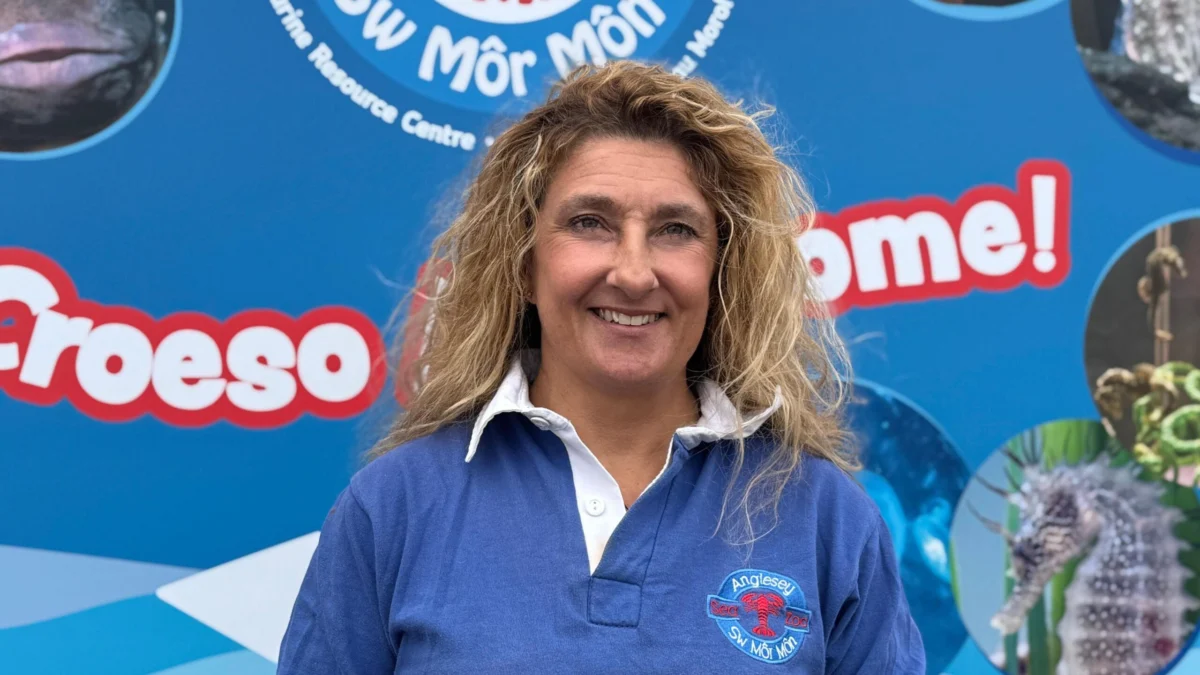
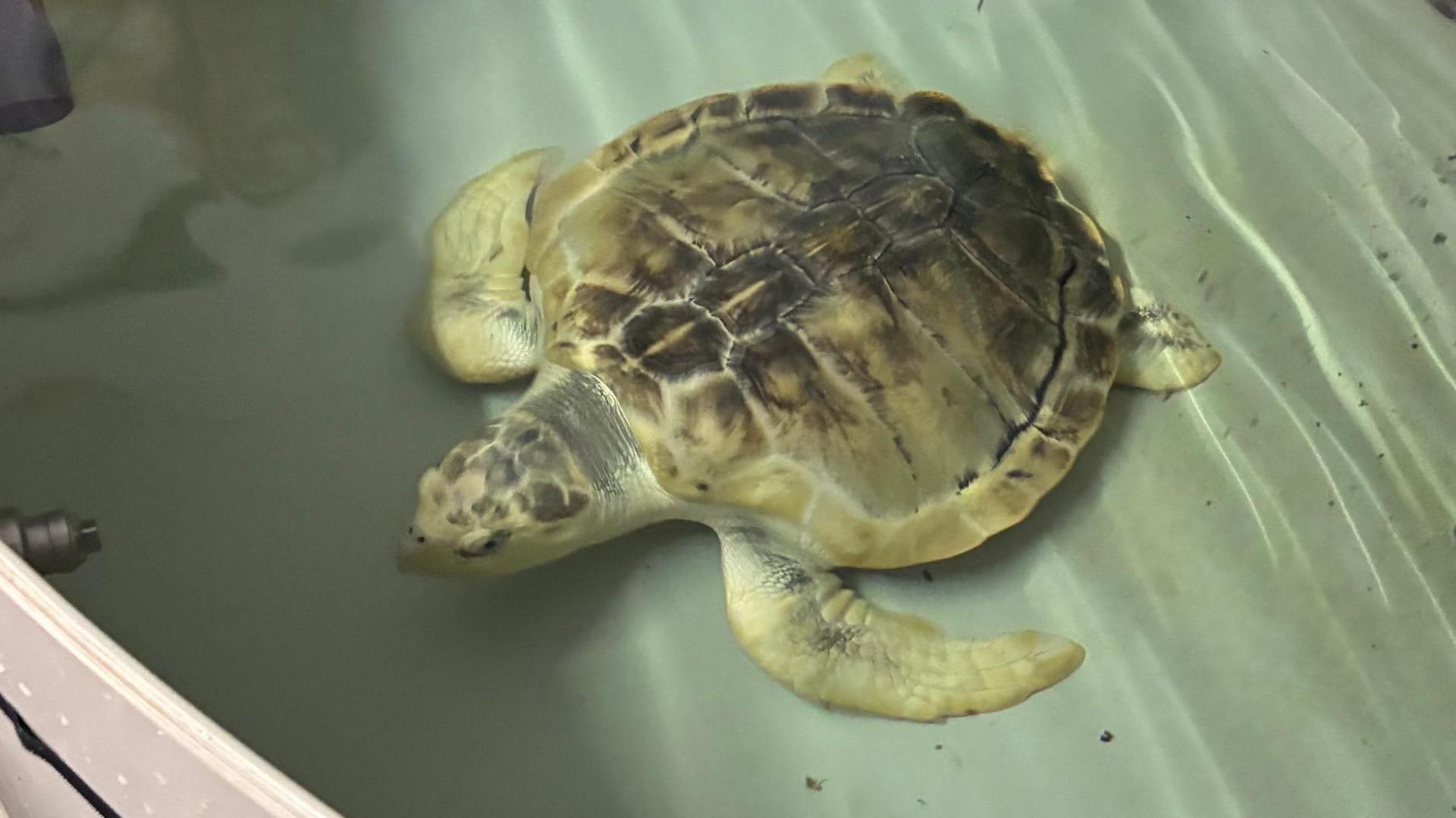
Rhossi’s extraordinary tale began in December 2023 when he was discovered near death on a beach near Rhosneigr on Anglesey. He was found by a vigilant dog named Meg, out for a walk with her owner, whose keen senses alerted them to the tiny, struggling creature. At less than two years old and weighing under 1kg (2.2lb), Rhossi was in a severe state of "cold-stunned" hypothermia, a condition common in sea turtles that stray into waters too cold for their tropical physiology. This phenomenon occurs when sudden drops in water temperature cause turtles to become lethargic, unable to swim or feed, and highly susceptible to predation, disease, and starvation. Experts at the Anglesey Sea Zoo believe Rhossi likely lost his way in warmer seas, possibly swept off course by strong winds and currents, only to find himself stranded in the unfamiliar, frigid Welsh coast.
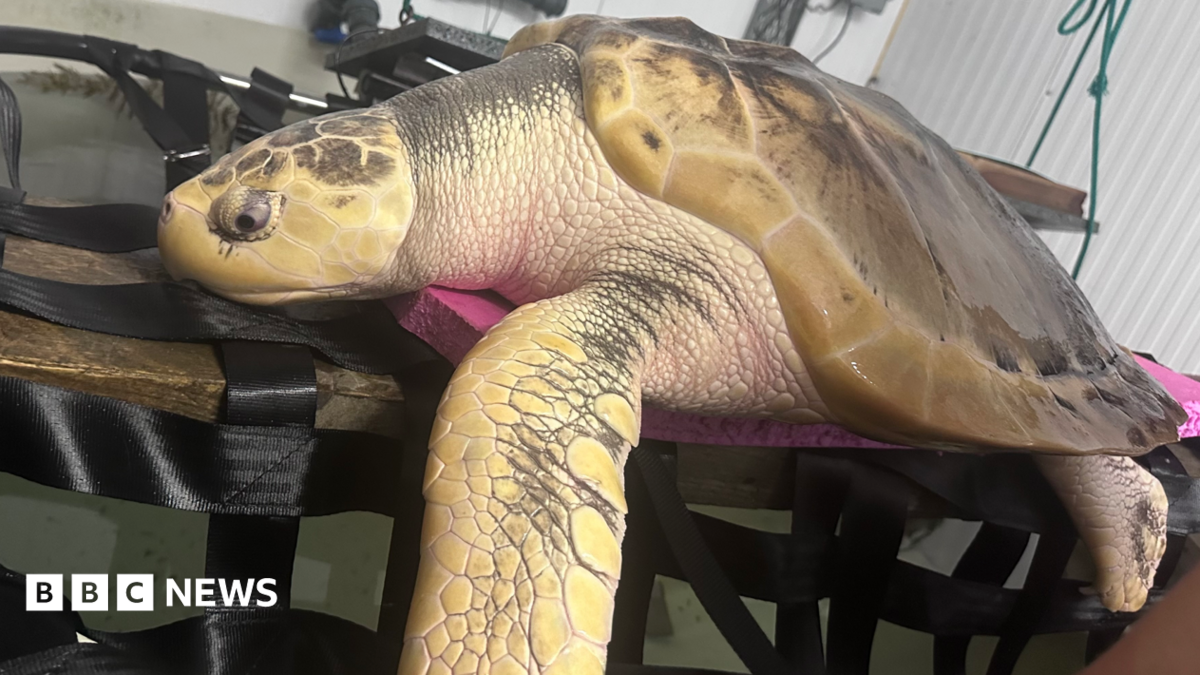
Upon arrival at the Anglesey Sea Zoo, Rhossi’s prognosis was grim. Cold-stunned turtles rarely survive without immediate and specialist intervention. The initial weeks were a critical period, with staff working around the clock to slowly raise his body temperature, administer necessary medications, and provide a nourishing diet. Over the past two-and-a-half years, the dedicated team, led by curator Matt Davidson and owner Frankie Hobro, has nursed Rhossi back to full health. Under their meticulous care, Rhossi has not only survived but thrived, tripling in size and growing from his initial fragile weight to a robust 21kg (46lbs). This intensive rehabilitation included carefully monitored feeding regimes, regular medical checks, and a carefully controlled aquatic environment that mimicked the warmer waters he desperately needed to recover.
The meticulous planning for Rhossi’s return journey has taken almost two years to orchestrate, highlighting the immense complexity involved in transcontinental animal transport. The operation is a logistical marvel, requiring careful coordination across two continents and multiple agencies. Rhossi will embark on his journey first by helicopter from Anglesey to London, a measure taken to minimize transit time and stress. From London, he will board a specialized cargo flight bound for Houston, Texas, USA. This mode of transport is crucial because sea turtles, despite their aquatic nature, must travel out of the water for extended flights. This presents a unique set of challenges, primarily preventing dehydration and maintaining his physiological stability.
To combat the risks of drying out and dehydration during the long air journey, the Anglesey Sea Zoo team has devised an ingenious solution. Matt Davidson, curator of Anglesey Sea Zoo, shared the rather unusual but effective method: "For his skin, we use KY Jelly – better known as a sex lubricant – because it’s gentle on the eyes." He further elaborated on the process: "We have to make sure that the shell is really well lubricated, so we spread Vaseline all over to stop it drying out and flaking off. The same for the skin – it’s really delicate – and especially the eyes, which both have to be lubricated before he goes into the crate and again just before takeoff, or he will start to peel like someone getting sunburned." Davidson humorously recounted the looks he receives at the chemist’s checkout when purchasing "about eight tubes of KY Jelly and three tubs of Vaseline" for Rhossi’s care. Beyond the lubricants, Rhossi will travel in a custom-built, temperature-controlled crate designed to maintain optimal conditions, complete with damp towels and monitoring equipment to ensure his comfort and safety throughout the journey. Staff members will accompany him, providing constant oversight and re-applying lubricants as needed.
The sheer volume of international paperwork required for such an endeavor underscores its complexity. Securing CITES (Convention on International Trade in Endangered Species of Wild Fauna and Flora) permits, health certificates, and navigating the intricate import and export regulations of both the United Kingdom and the United States has been a significant undertaking, demanding extensive collaboration between governmental bodies, conservation organizations, and the Anglesey Sea Zoo.
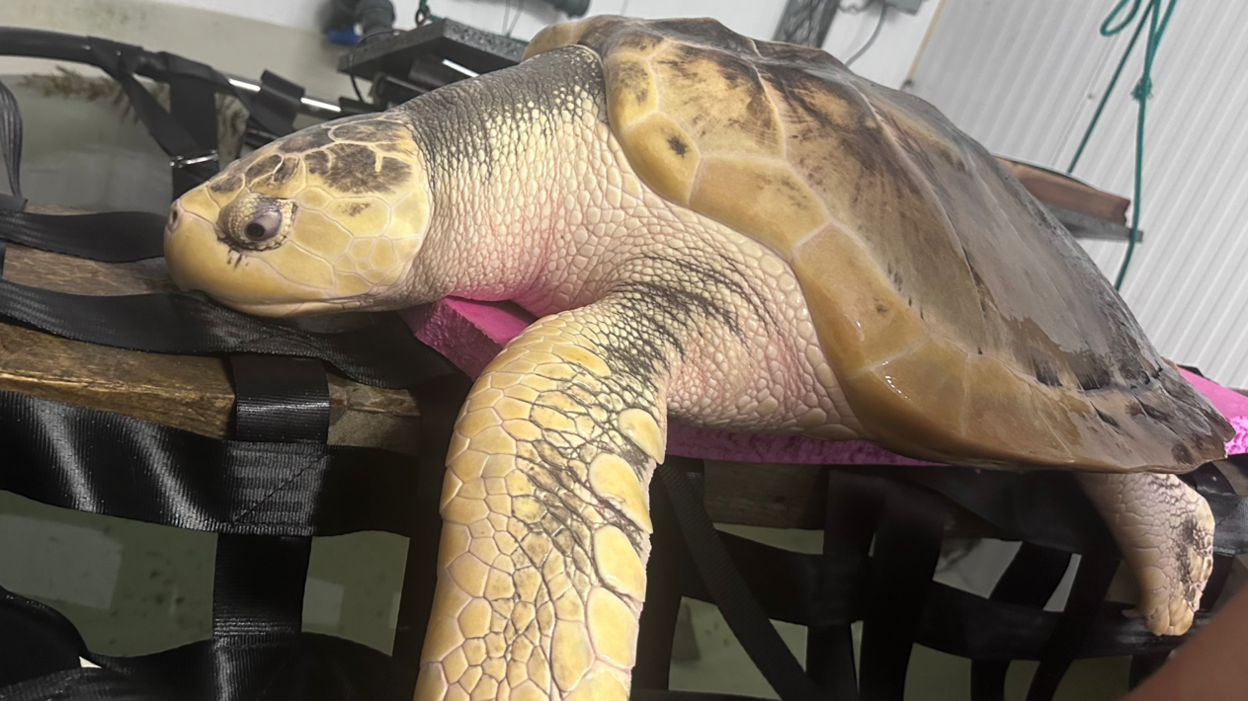
Rhossi’s species, the Kemp’s ridley sea turtle (Lepidochelys kempii), holds the unenviable title of the rarest sea turtle in the world. Classified as Critically Endangered by the IUCN Red List, their populations have suffered catastrophic declines over the past century. Their nesting grounds are incredibly specific and limited, primarily to two main locations: the beaches of Rancho Nuevo in Tamaulipas, Mexico, and, to a lesser extent, Padre Island National Seashore in Texas, USA. These turtles are famous for their unique "arribadas," or mass nesting events, where thousands of females come ashore simultaneously to lay their eggs. Threats to their survival are numerous and relentless, including accidental capture in fishing gear (bycatch), habitat degradation and loss of nesting beaches, illegal harvesting of eggs, and the escalating impacts of climate change, which affect ocean currents, food availability, and even the sex ratio of hatchlings. Therefore, the survival of every individual, like Rhossi, is of paramount importance to the species’ long-term prospects.
The emotional investment in Rhossi’s recovery is palpable among the Anglesey Sea Zoo team. Frankie Hobro, the owner, eloquently captured this bittersweet sentiment: "Turtles belong in the wild, not in captivity, so it’s incredibly emotional because this is what we’ve been working towards for more than two years." She added, "But we have got to know him and his individual quirks while caring for him, and we know that soon, a little piece of us is going to be swimming off into the Caribbean Sea, and we’ll never see him again." This speaks to the unique bond formed between the caregivers and the creature they saved, a bond that makes the moment of release both a triumph and a poignant farewell. It highlights the ethical core of wildlife rehabilitation: to return animals to their natural environment, even when it means letting go.
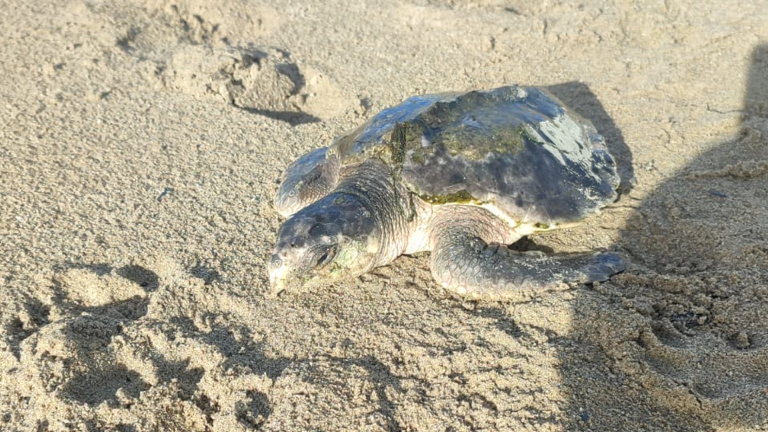
Upon his arrival in Houston, Rhossi will be transferred to a specialized marine rehabilitation facility in Texas, where he will undergo a period of acclimatization. This will involve gradually adjusting him to the warmer Gulf waters and ensuring he is strong enough and capable of foraging independently before his ultimate release into the vast expanse of the Gulf of Mexico. Conservationists hope that Rhossi, once fully rehabilitated and released, will successfully integrate back into the wild population, eventually contributing to the breeding efforts of his critically endangered species. His return is not just about one turtle; it represents a small, yet significant, victory in the global fight to save the Kemp’s ridley from extinction.
Rhossi is the fourth sea turtle to be successfully rescued, rehabilitated, and released by the Anglesey Sea Zoo over the past decade, demonstrating their profound expertise and unwavering commitment to marine conservation. Their ongoing dedication is further exemplified by their plans to build a dedicated turtle rescue centre, which will enhance their capacity to care for any more cold-stunned sea turtles that might be found along the Welsh coast, a stark reminder of the global impact of climate change and ocean currents on marine life. Rhossi’s incredible journey underscores the interconnectedness of our planet’s ecosystems and the vital role that dedicated individuals and organizations play in protecting its most vulnerable inhabitants. His flight home is a beacon of hope, a testament to what can be achieved when humanity extends a helping hand to the wild.


 atisusanti
 George Anjay
 Nakalama John

 Ramos Leo