Nana Banana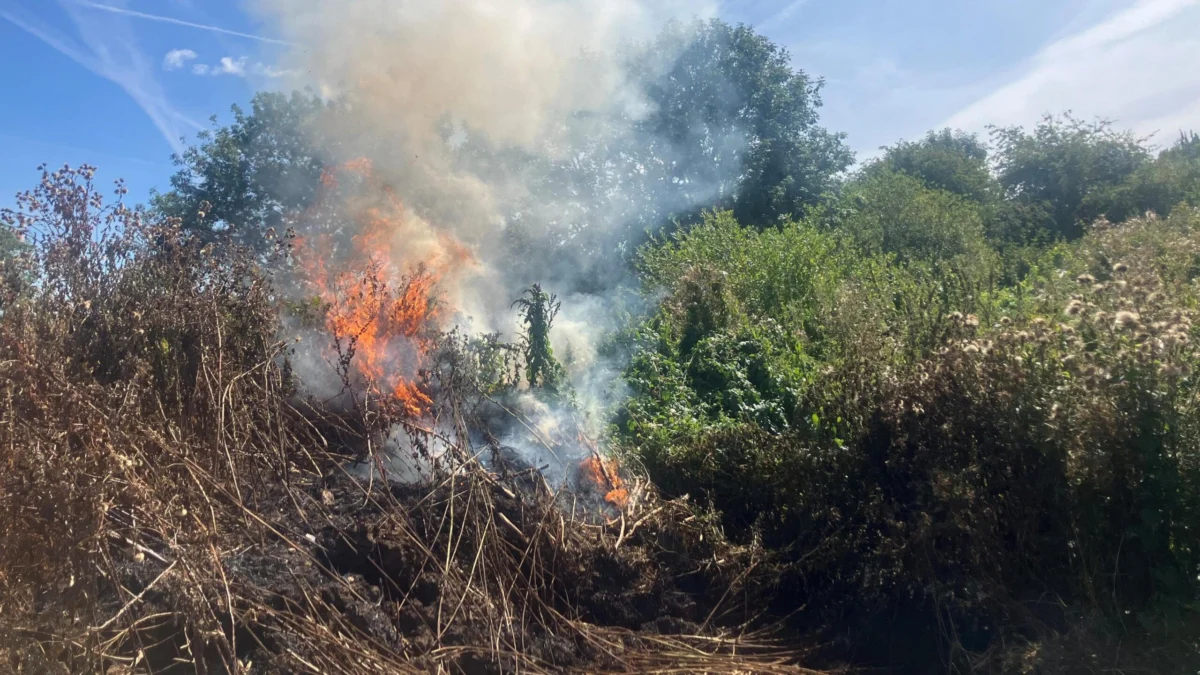
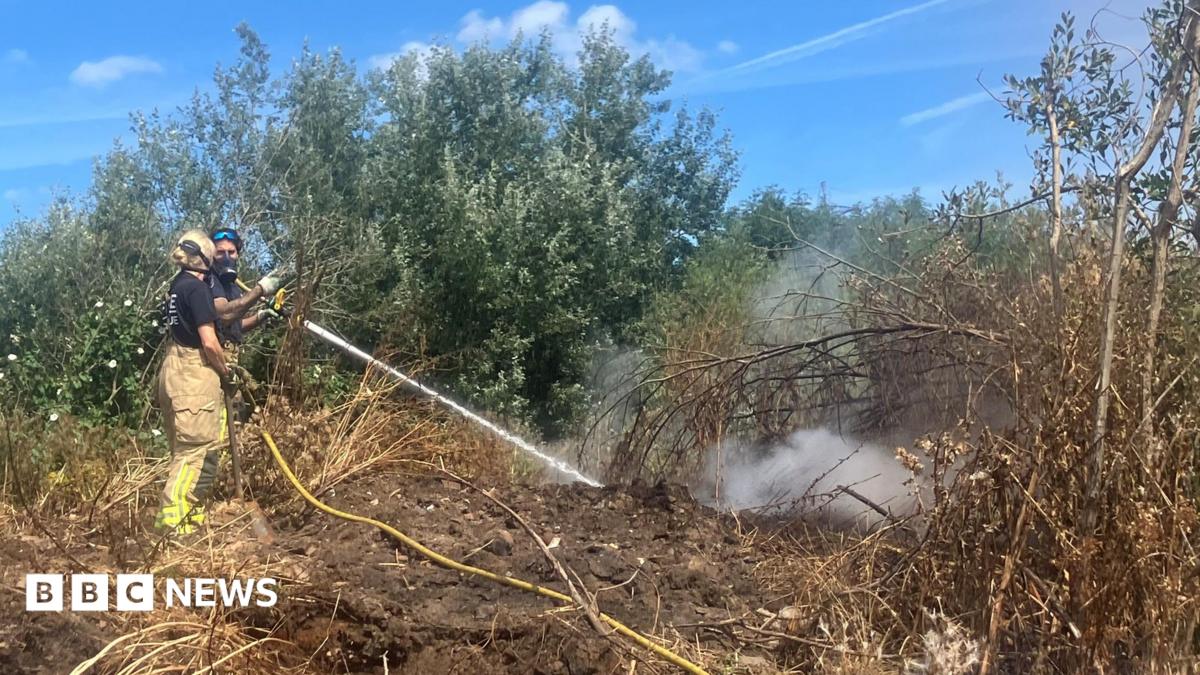
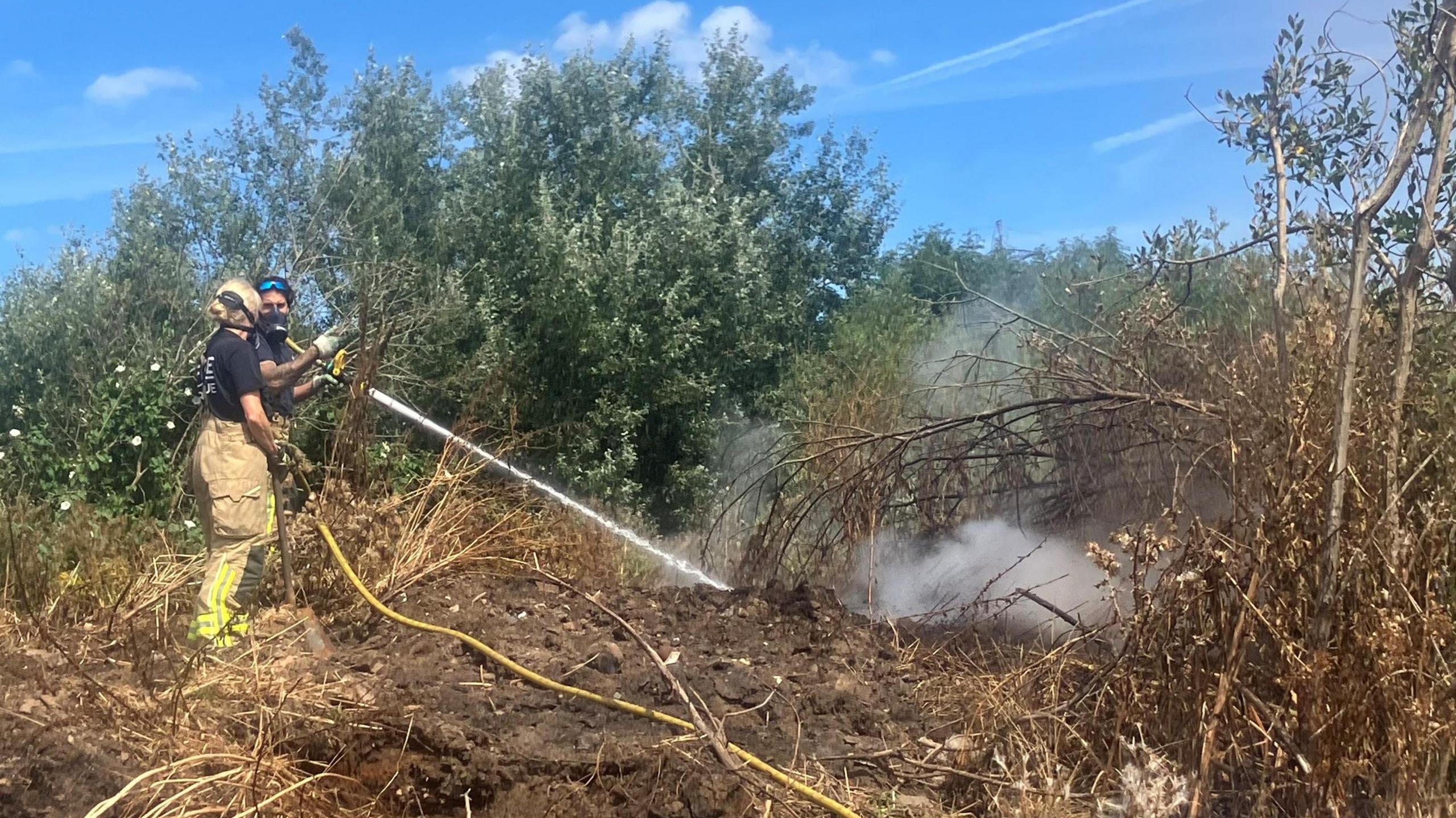
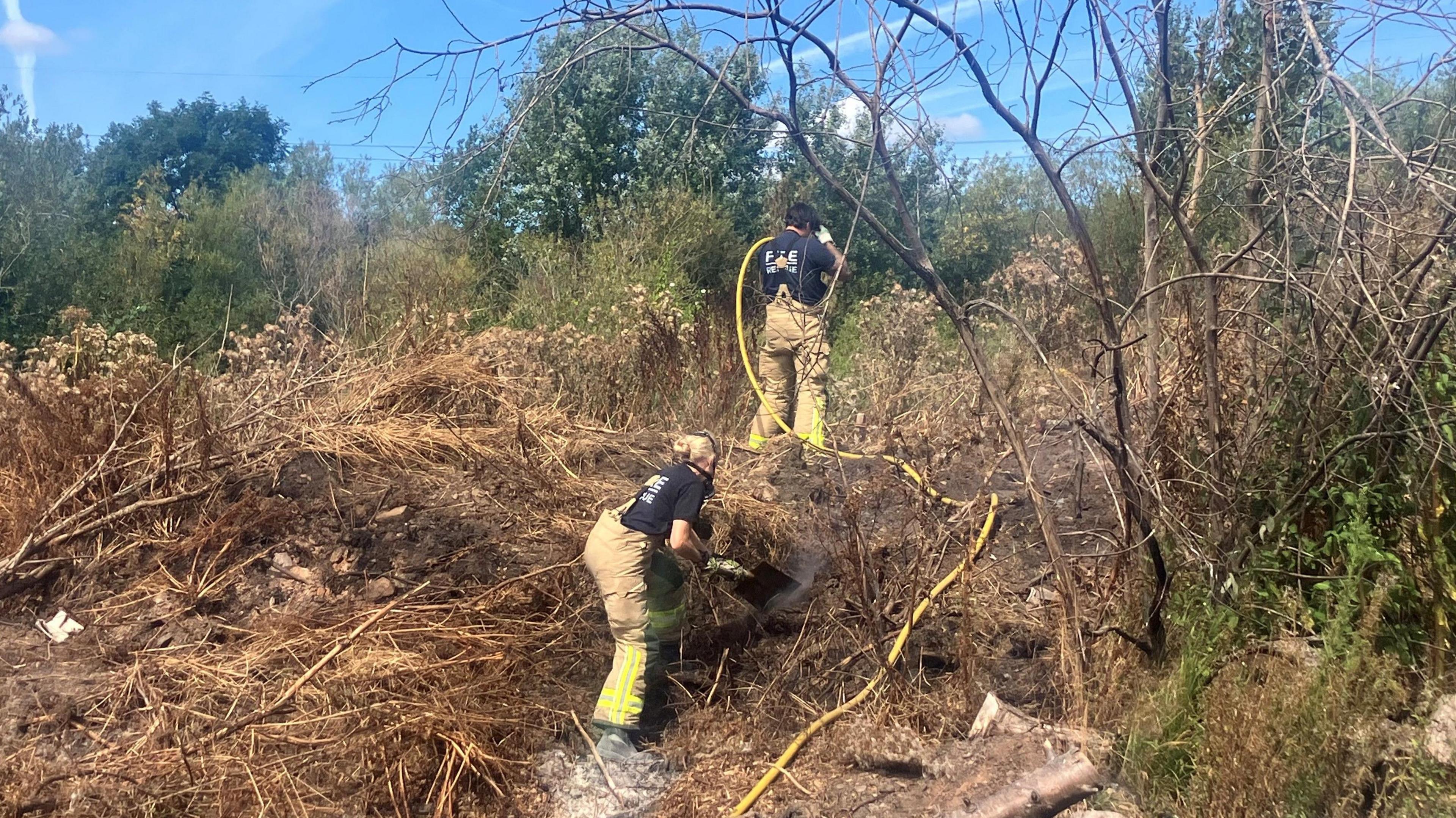
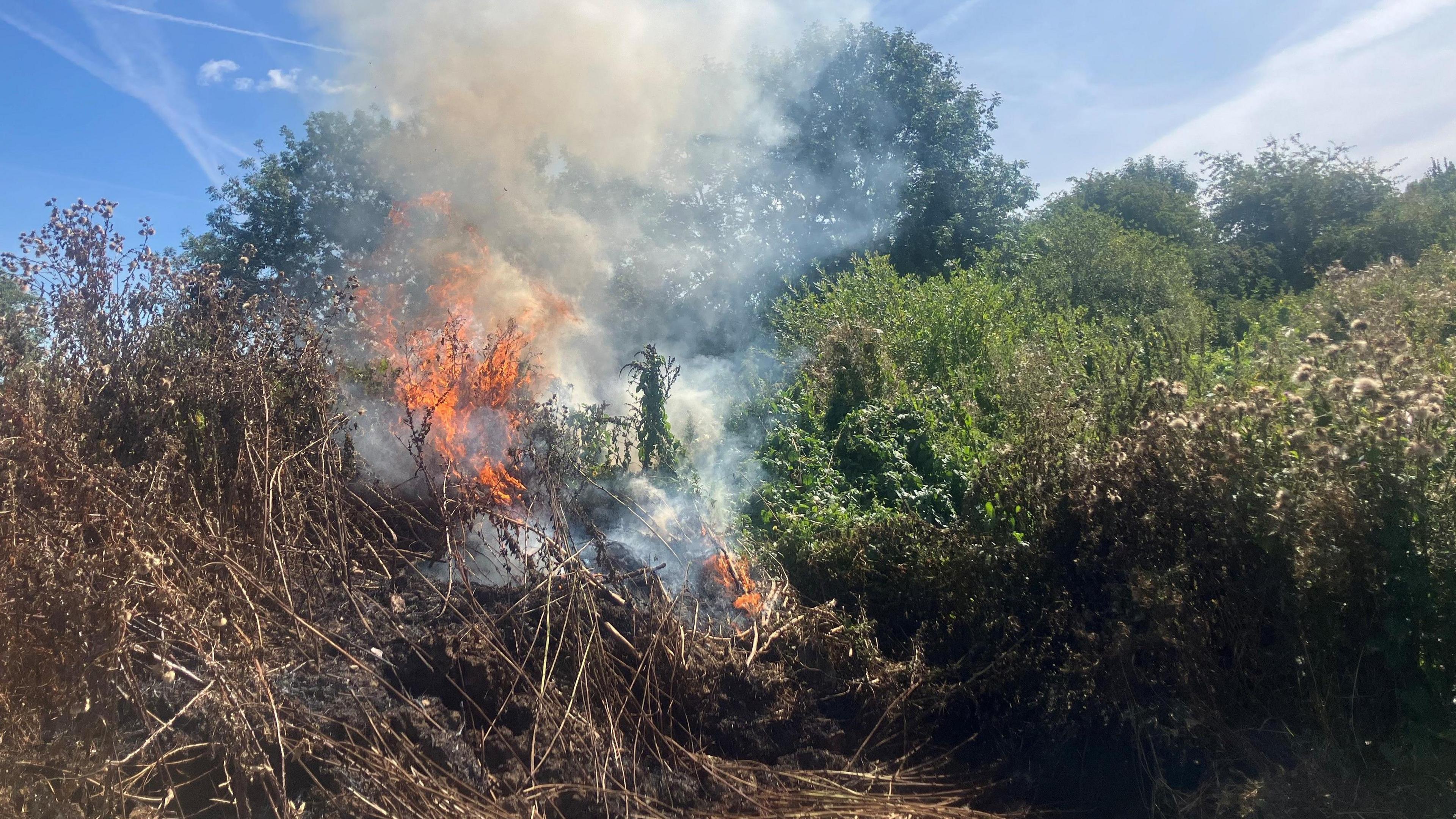
Firefighters from Greater Manchester Fire and Rescue Service (GMFRS) were dispatched to the scene at approximately 11:30 BST on Monday, following multiple reports of dense smoke billowing from a wooded area near the Carrington Spur, close to the meandering banks of the River Mersey in Ashton-upon-Mersey. Upon arrival, crews were confronted with a significant blaze engulfing a substantial accumulation of illegally dumped waste, requiring the immediate deployment of personnel wearing breathing apparatus to safely approach and tackle the inferno. The highly combustible and varied nature of the discarded materials presented unique challenges, with firefighters working diligently to extinguish the flames and prevent their rapid spread into the surrounding woodland, which could have led to a far more devastating environmental incident.
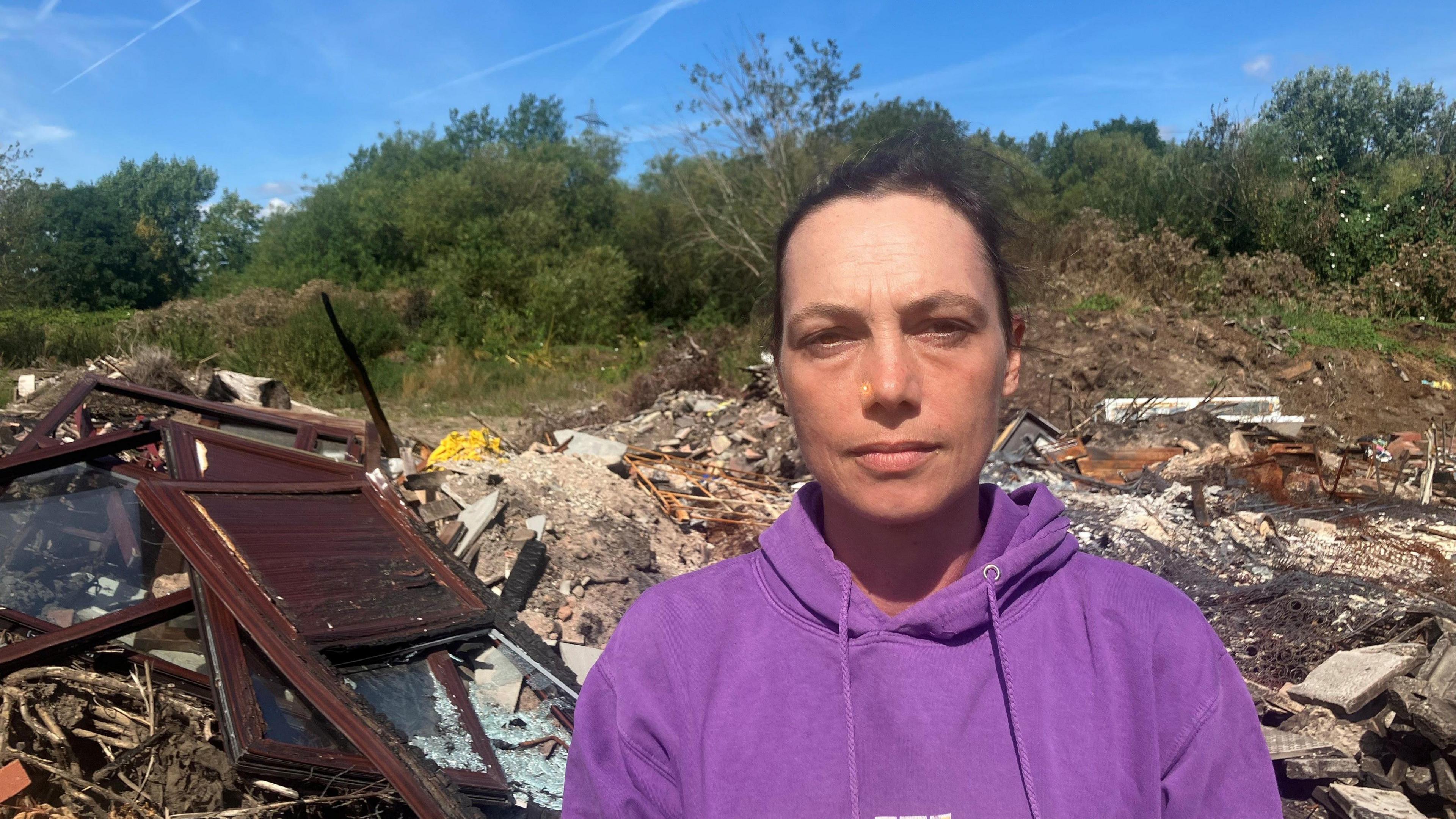
The site, long suspected by local residents to be an illicit waste disposal operation, has become a focal point for environmental concern, with the fire serving as a stark reminder of the inherent dangers and widespread pollution associated with such unregulated activities. Helen Carr, a 43-year-old resident of Flixton who regularly walks her dogs through the adjacent woodland, expressed profound distress and anger at the situation. "The smell is absolutely acrid," she recounted, visibly shaken by the noxious fumes permeating the air. Her primary worry, she articulated, was the potential release of hazardous chemicals. "What I really worry about is things like builders’ waste setting on fire, then releasing all sorts of chemicals into the air. It’s criminal. There is just no need for people to be dumping waste like this, in this day and age. This is just sheer greed and laziness."
Ms. Carr’s observations highlight a disturbing trend in the composition of the illegal dump. What once might have been primarily agricultural waste, she noted, has dramatically diversified. "The type of rubbish being dumped used to be agricultural waste, but it now involves builders’ waste alongside household waste, with things like mattresses and fridge freezers," she explained. This evolution signifies a broader, more irresponsible approach to waste management, bypassing legitimate disposal channels for illicit, cost-cutting methods. "The waste has just been growing and growing and getting out of control," she added, underscoring the escalating scale of the problem.
The severity of the situation had prompted Ms. Carr to report the accumulating waste to the Environment Agency (EA) as early as July. Her proactive step was met with an acknowledgement from the EA, who confirmed their awareness of the site and stated that the case had been referred to their Area Enforcement Team. In an email to Ms. Carr, the agency affirmed its commitment to tackling such environmental crimes: "We take illegal waste offences seriously and will use the powers available to us to investigate and, where appropriate, take enforcement action against those responsible." This reassurance, however, has been tempered by the repeated occurrences and the ultimate eruption of the blaze, suggesting that preventative measures or enforcement actions prior to the fire were either insufficient or ongoing.
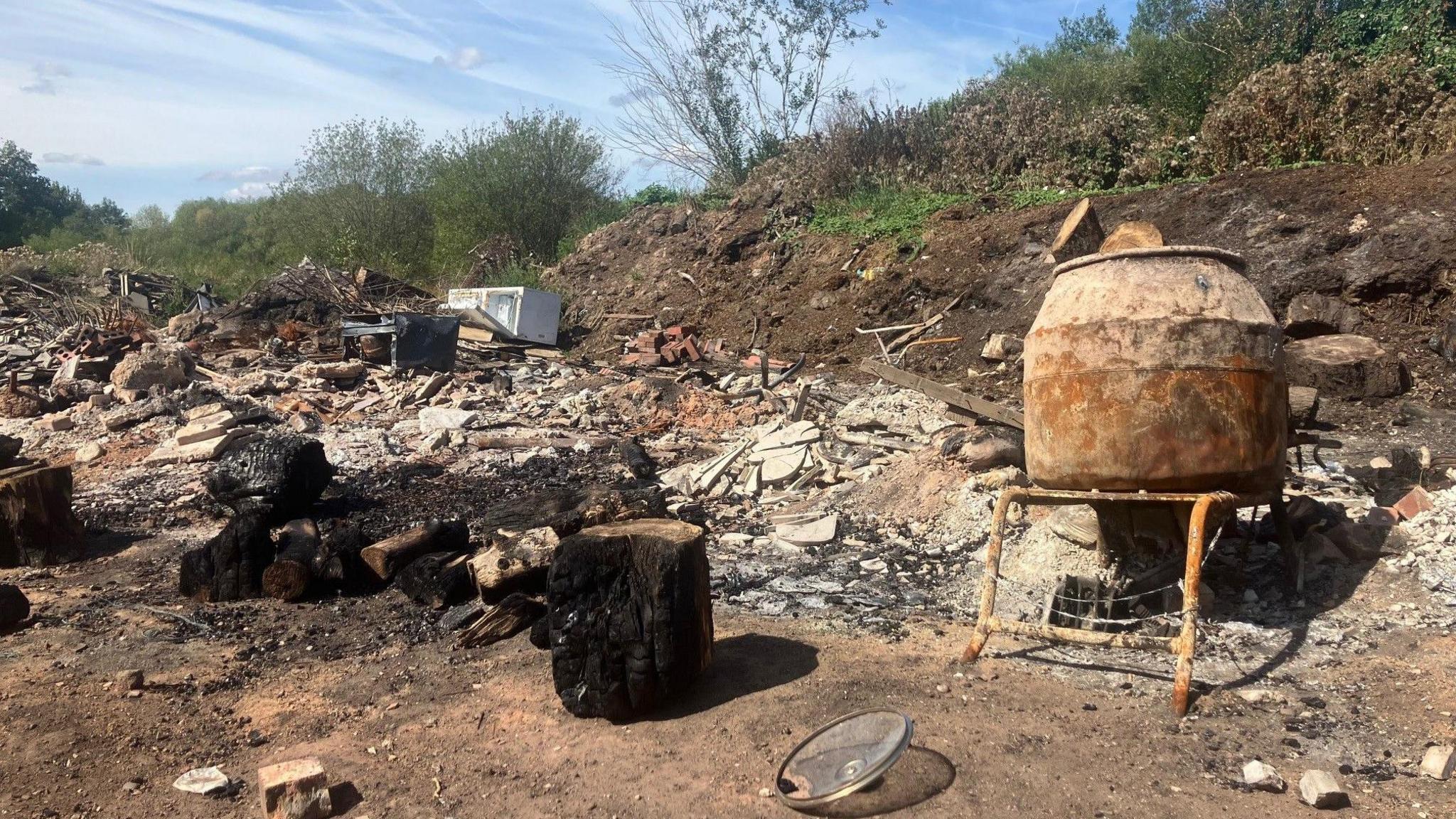
The inventory of burned waste at the site painted a grim picture of indiscriminate dumping: several old mattresses, a discarded fridge freezer, various types of builders’ waste, numerous car tyres, a cement mixer, and an assortment of wood panelling. These materials, when ignited, pose significant health and environmental risks. The burning of plastics, for instance, found in mattresses and fridge components, can release highly toxic substances like dioxins, furans, and volatile organic compounds (VOCs) into the atmosphere. Tyres, when burned, produce thick black smoke laden with polycyclic aromatic hydrocarbons (PAHs), heavy metals, and other carcinogens. Such airborne pollutants can travel considerable distances, posing respiratory risks and long-term health hazards to nearby communities, while ash and residues can contaminate the soil and potentially leach into the River Mersey, impacting aquatic ecosystems.
Firefighters on the scene reported that parts of the site were still smouldering upon their arrival, indicating that the fire may have been ongoing or had reignited from residual hot spots. Their swift actions were crucial in preventing the blaze from escalating further, especially given the dry conditions and proximity to dense vegetation. Crews focused on dousing the intensely burning areas and cooling the smouldering waste to prevent further reignition, a common challenge with deep-seated waste fires.
The incident in Trafford is not an isolated one but rather a troubling symptom of a wider national problem. Earlier this year, a BBC investigation brought to light the existence of hundreds of illegal waste dumps operating across England. Alarmingly, this included at least 11 so-called "super sites," each containing tens of thousands of tonnes of rubbish. These illicit operations are typically found in secluded countryside locations, often deliberately hidden on what should be productive agricultural land, making them difficult to detect and monitor.
Law enforcement agencies, including the police, have indicated that many of these illegal waste sites are orchestrated and run by organised crime gangs. These criminal enterprises exploit loopholes and regulatory weaknesses, making substantial profits by charging significantly less than legitimate, licensed waste operators to dispose of waste. This economic incentive drives a lucrative illegal trade, undermining compliant businesses and burdening the environment. The financial scale of this illicit activity was underscored by a recent case where a prolific waste criminal was ordered to pay £1.2 million in compensation for illegally dumping more than 4,000 tonnes of waste across England, demonstrating the vast sums involved and the significant environmental damage inflicted.
Another local resident, Laura Clinton, who also walks her dogs near the River Mersey in Ashton Woods, corroborated the persistent nature of the illegal dumping. "On several occasions, I’ve seen lorries coming here and dumping waste," she stated, expressing her exasperation. "It’s appalling and something needs to be done about it." Her firsthand accounts, coupled with Ms. Carr’s, paint a picture of a community that has been aware of and impacted by this environmental crime for an extended period.
In response to the fire and ongoing concerns, a spokesperson for Trafford Council confirmed their involvement: "We are aware of the fire on private land and we are supporting GMFRS in response to this." The council acknowledged the multifaceted risks associated with such sites, stating, "Fire is just one of the risks associated with unauthorised tipping, and the council will work actively with partners to protect the environment and keep communities safe." This highlights the broader spectrum of dangers, including pest infestation, land contamination, and potential harm to wildlife, beyond just the fire risk.
The Environment Agency reiterated its strong stance against environmental crime. "We share the public’s disgust at this case of illegal waste dumping and will do everything in our power to bring the people responsible to justice," an EA spokesperson declared. They confirmed that "A criminal investigation is underway, and we are working with the local council and other organisations on this." The collaboration between local authorities, fire services, and environmental agencies is crucial for a comprehensive response, encompassing emergency management, criminal investigation, and ultimately, remediation.
The incident underscores the urgent need for enhanced vigilance, more robust enforcement mechanisms, and a concerted effort across various agencies to combat illegal waste dumping. The financial burden of cleaning up these sites often falls on taxpayers, and the long-term environmental and health consequences can be severe and protracted. Preventing such incidents requires not only prosecuting offenders but also addressing the systemic issues that allow organised crime to flourish in the waste sector, ensuring that legitimate and affordable waste disposal options are readily available, and empowering communities to report suspicious activities without fear. The smouldering remains in Trafford serve as a potent symbol of the environmental battle being waged in the UK’s green spaces, demanding immediate and decisive action.




 George Anjay
 Nakalama John
 atisusanti
 Ramos Leo