Nana Banana
The build-up to the 1999 eclipse was immense, generating widespread excitement and a sense of eager anticipation across the nation, particularly in the South West. Media outlets had been reporting on it for months, advising on eye safety, discussing viewing locations, and highlighting the scientific significance of the event. Special eclipse glasses became a must-have accessory, with warnings against looking directly at the sun widely disseminated to protect eyesight. Tourists flocked to Cornwall and the Channel Islands, eager to secure a prime viewing spot within the precious path of totality, transforming coastal towns and rural areas into bustling hubs of astronomical enthusiasts and curious onlookers.
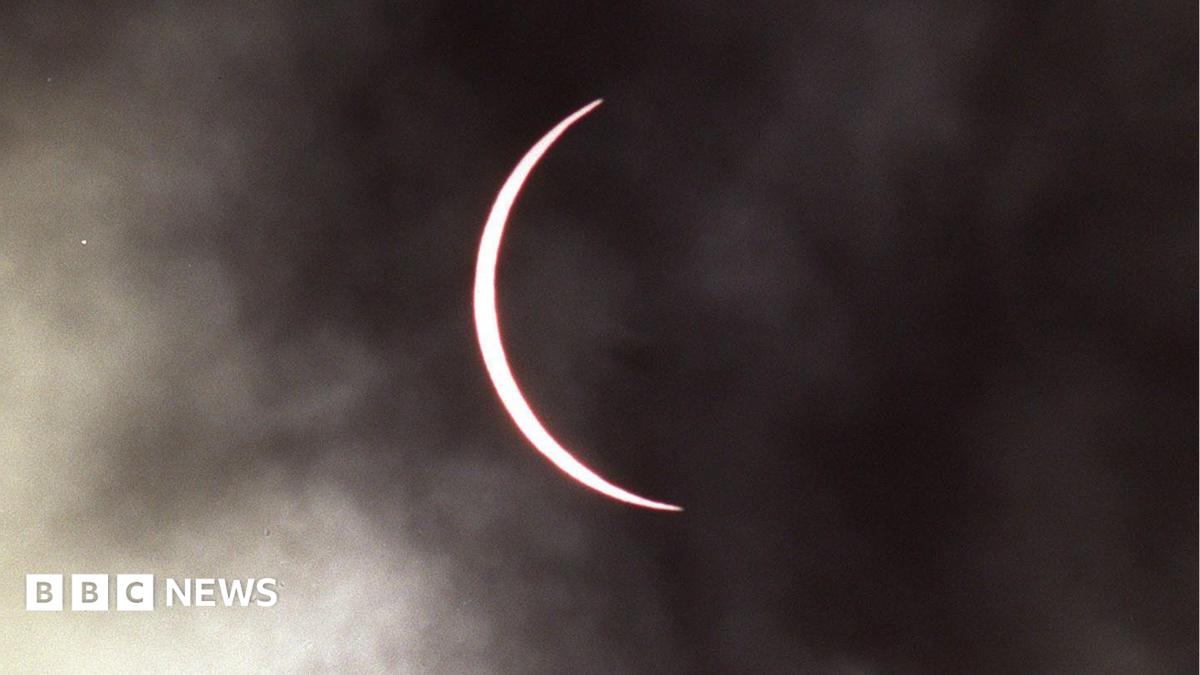
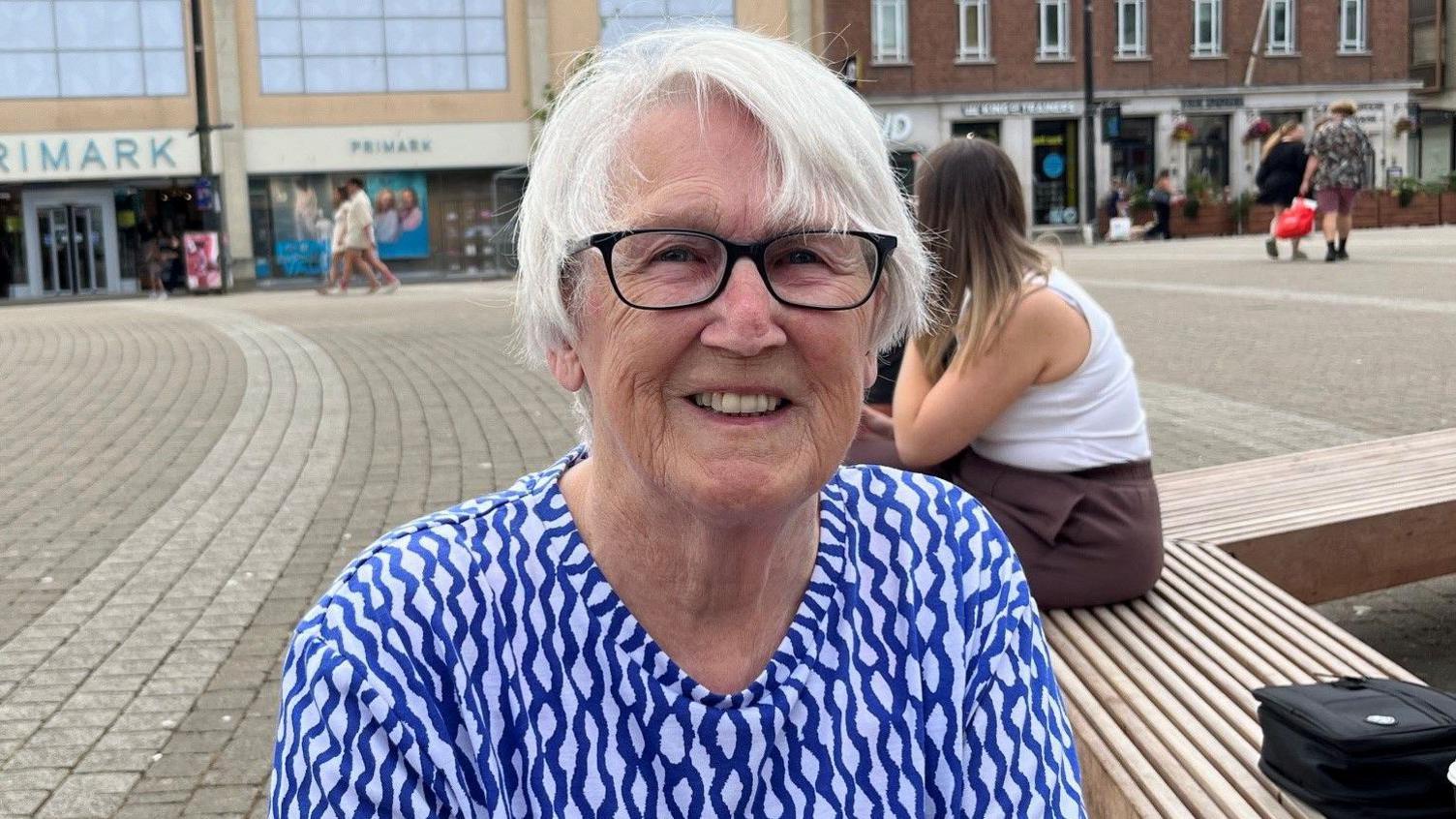
Barbara Logan, who experienced the eclipse in Shortlanesend, a small village near Truro, Cornwall, vividly recalls the experience as a "weird sensation." The transition from bright morning to an unexpected twilight was disorienting, a primal shift in the natural order. She remembers the peculiar quiet that descended as the light began to fade, a hush broken only by the confused chirping of birds. These feathered creatures, instinctively responding to the fading light, began their evening choruses and prepared to roost, believing night had arrived prematurely. The village square became a focal point for the community, where locals and visitors alike gathered, their faces tilted skywards, equipped with their protective glasses, ready to witness the extraordinary event together. "One minute it was light then it began to get dark and I could hear all the birds singing and getting ready to go to roost," Logan recounted, her voice still conveying a sense of wonder. The profound strangeness of not knowing if it was truly night or day created an unforgettable, almost surreal atmosphere. "It was a weird feeling, you didn’t know if it was night-time or daytime," she added, perfectly capturing the bizarre yet beautiful nature of the event.
While the memory of the 1999 total eclipse remains strong, the current discussion turns to the upcoming partial solar eclipse. For those in Devon and Cornwall, this event will commence at approximately 18:18 BST, reaching its peak around 19:15 BST, and concluding by about 20:09 BST. Meanwhile, residents of Guernsey and Jersey can expect similar timings, with the partial eclipse starting around 18:21 BST, peaking at 19:17 BST, and finishing by 20:10 BST. These events, though not as dramatic as a total eclipse, serve as poignant reminders of the celestial ballet that regularly unfolds above us, reigniting memories of that pivotal day in 1999.
Nigel Brown, visiting Truro from Horsham on the day of the 1999 eclipse, also shared his profound recollections, describing it as a "wonderful but really eerie experience." The rapid transformation of the landscape from vibrant daylight to an unexpected, deep twilight left a lasting impression. He observed the same phenomenon as Barbara Logan – the sudden cessation of the usual daytime sounds, particularly the birds falling silent, as if nature itself held its breath. The eerie quality of the light, neither true daylight nor full night, cast an otherworldly glow over the surroundings. Despite being alone, Brown felt no fear, only an overwhelming sense of awe and the profound realization that he was part of something monumental. "I couldn’t believe how day turned into dusk and the birds stopped making a noise," he stated, emphasizing the sensory impact of the event. "I was on my own and I didn’t feel frightened, but you were aware something really big was happening." This shared human experience, even when solitary, created a powerful connection to the cosmos, a moment of universal significance that transcended individual experience. The collective anticipation and the subsequent, almost reverent silence, amplified the feeling of a truly momentous occasion unfolding.
Further afield, in the Channel Islands, the experience was equally captivating. Anne Le Cheminant vividly recalled the scene in St Peter Port, Guernsey, where hundreds of people had gathered along the seafront, their gazes fixed on the sky. The sheer scale of the event left her deeply moved. "I’m still quite emotional about it, it was just such a gigantic, awesome event," she confessed, highlighting the enduring emotional resonance of the eclipse decades later. She described the atmosphere as "eerie" and "very strange," drawing parallels to how ancient civilizations might have perceived such a dramatic celestial occurrence, attributing supernatural significance to the sudden disappearance of the sun. The light during totality was distinctively "very grey," a unique hue unlike ordinary evening light, contributing to the surreal ambiance. As the Moon fully obscured the Sun, the local wildlife, particularly the birds, reacted in unison, flying around in confusion before settling back into their nests, mistaking the midday darkness for nightfall. The return of the sun, marked by the brilliant "diamond ring" effect as the first sliver of sunlight reappeared, was met with a palpable "collective awe" from the assembled crowd, a shared gasp of wonder and relief as the world gradually returned to its familiar brightness. It was a moment of profound unity, where thousands of individuals shared a singular, unforgettable experience.
‘Temperature dropped sharply’
Former BBC News correspondent Simon Hall provided a unique perspective, having reported live from Alderney during the 1999 eclipse. The third-largest Channel Island was strategically located to offer some of the most spectacular views of the total eclipse within the British Isles, despite the ever-present threat of cloud cover. This small island became a temporary mecca for astronomy enthusiasts, with over 250 professional and amateur astronomers gathering alongside islanders, all hoping for a clear view of the celestial phenomenon. Hall’s report captured the dramatic tension of the day, which he described as a "tease." The morning began with frustrating uncertainty, as heavy clouds obscured the sky, threatening to spoil the long-awaited spectacle. "From the start there was cloud and uncertainty about what we would see," Hall remembered.

The initial phase of the eclipse was indeed obscured by cloud, which, paradoxically, offered a benefit by naturally reducing the sun’s dazzling brightness and allowing for a more comfortable view of the partial phases without constant reliance on protective filters. However, as the moment of totality approached, the atmosphere became charged with anticipation. A noticeable and sudden drop in temperature added another layer to the sensory experience. "At 11:00 the temperature dropped sharply when totality was approaching," Hall noted, a physical manifestation of the sun’s diminishing power. The odds of a clear view seemed evenly balanced, a nerve-wracking 50/50 gamble. But then, in a moment of sheer dramatic perfection, as 11:16 BST – the precise moment of totality – arrived, the clouds miraculously parted. The darkened sky revealed the magnificent solar corona, the Sun’s ethereal outer atmosphere, glowing like a pearly halo around the perfectly silhouetted Moon. It was a breathtaking sight, a testament to nature’s unpredictable grandeur, rewarding the patience and hopeful vigil of all who had gathered. The collective cheer and gasp of wonder that erupted on Alderney at that moment underscored the profound impact of witnessing such a rare and beautiful event.
The 1999 total solar eclipse was more than just an astronomical event; it was a cultural moment, a shared experience that transcended generations and backgrounds. It brought communities together, sparked conversations about the universe, and left an indelible mark on all who witnessed it. For the UK, such a grand spectacle is a rarity, with the Royal Museums Greenwich confirming that the next total solar eclipse to be visible from the British Isles will not occur until 2090. This stark fact further elevates the 1999 event to legendary status, making the memories of "day turned into dusk" all the more precious and cherished. It was a moment when the vastness of space briefly intruded upon our daily lives, reminding us of the cosmic dance unfolding above, a dance that continues to inspire awe and wonder in the South West and beyond.


 George Anjay
 Nakalama John
 Ramos Leo