Nana Banana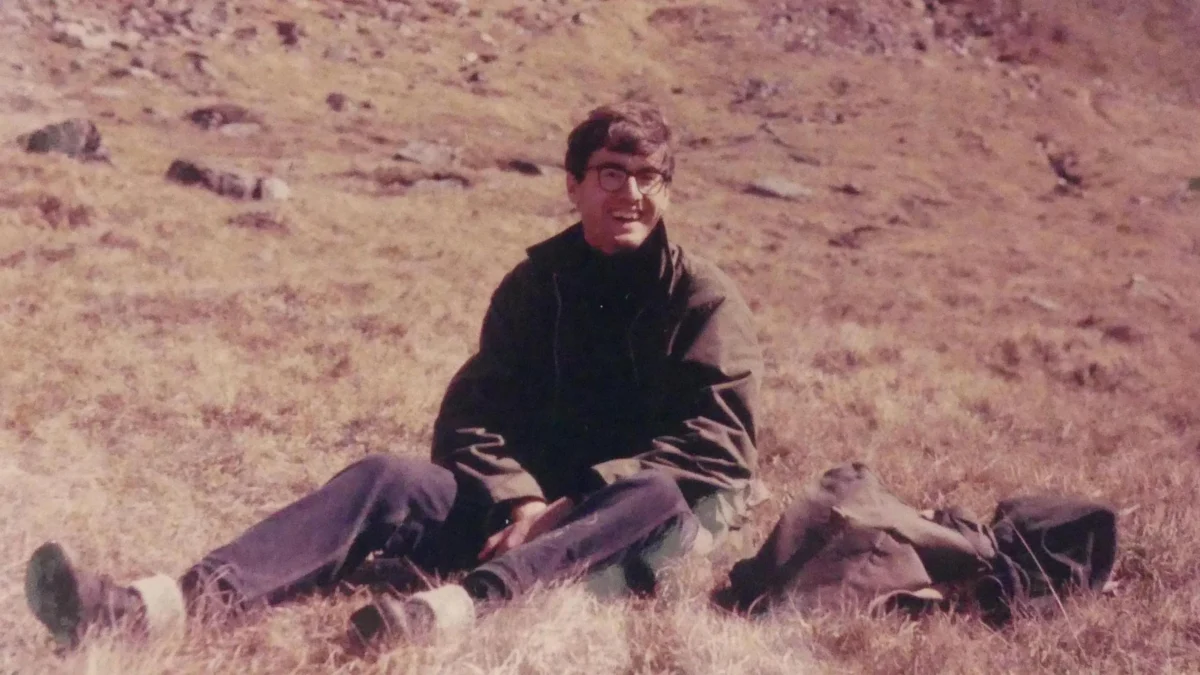
Nigel Hewitt, a dedicated advocate for avian wildlife, has committed an extraordinary six decades of his life to bird conservation, becoming the Royal Society for the Protection of Birds (RSPB)’s longest-serving volunteer. Now 77, Hewitt’s unwavering passion for birds began in 1966, during a break from his A-levels, when he joined the critical "Operation Osprey" project, a pivotal moment that ignited a lifelong dedication to nature. This initial immersion into protecting ospreys laid the groundwork for thousands of hours of selfless service, contributing significantly to the recovery and safeguarding of numerous bird species across the UK.
Hewitt’s journey with the RSPB started at a crucial time for osprey conservation in Britain. After an absence of over 100 years, ospreys had only recently returned to breed in Scotland in the mid-1950s. Their re-establishment was fragile, and nests were highly vulnerable to egg collectors and other disturbances. Operation Osprey was a groundbreaking initiative designed to provide round-the-clock protection for these majestic birds, ensuring the survival of their precious clutches. Young Nigel, then just a student, found himself immersed in this high-stakes conservation effort. "We were guarding the ospreys 24 hours a day," Hewitt recalls, describing the rigorous schedules of different shifts. "We sat in a hide with telescopes and various hearing systems to protect them. Sadly, there had been numerous attempts by people to chop their nesting tree down and steal the eggs." The intense, yet deeply rewarding, experience of directly safeguarding these iconic birds was transformative. "I thoroughly enjoyed the task, and it was the start of 60 years of volunteering," he reflects, highlighting how this foundational experience forged his enduring commitment.
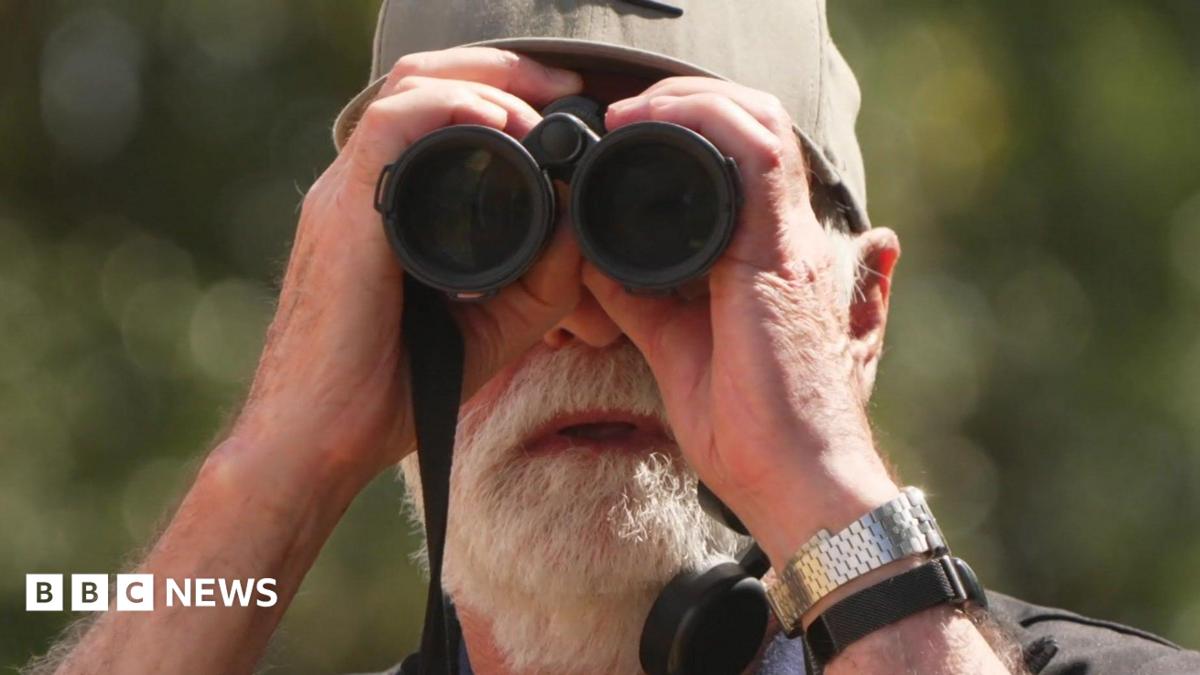
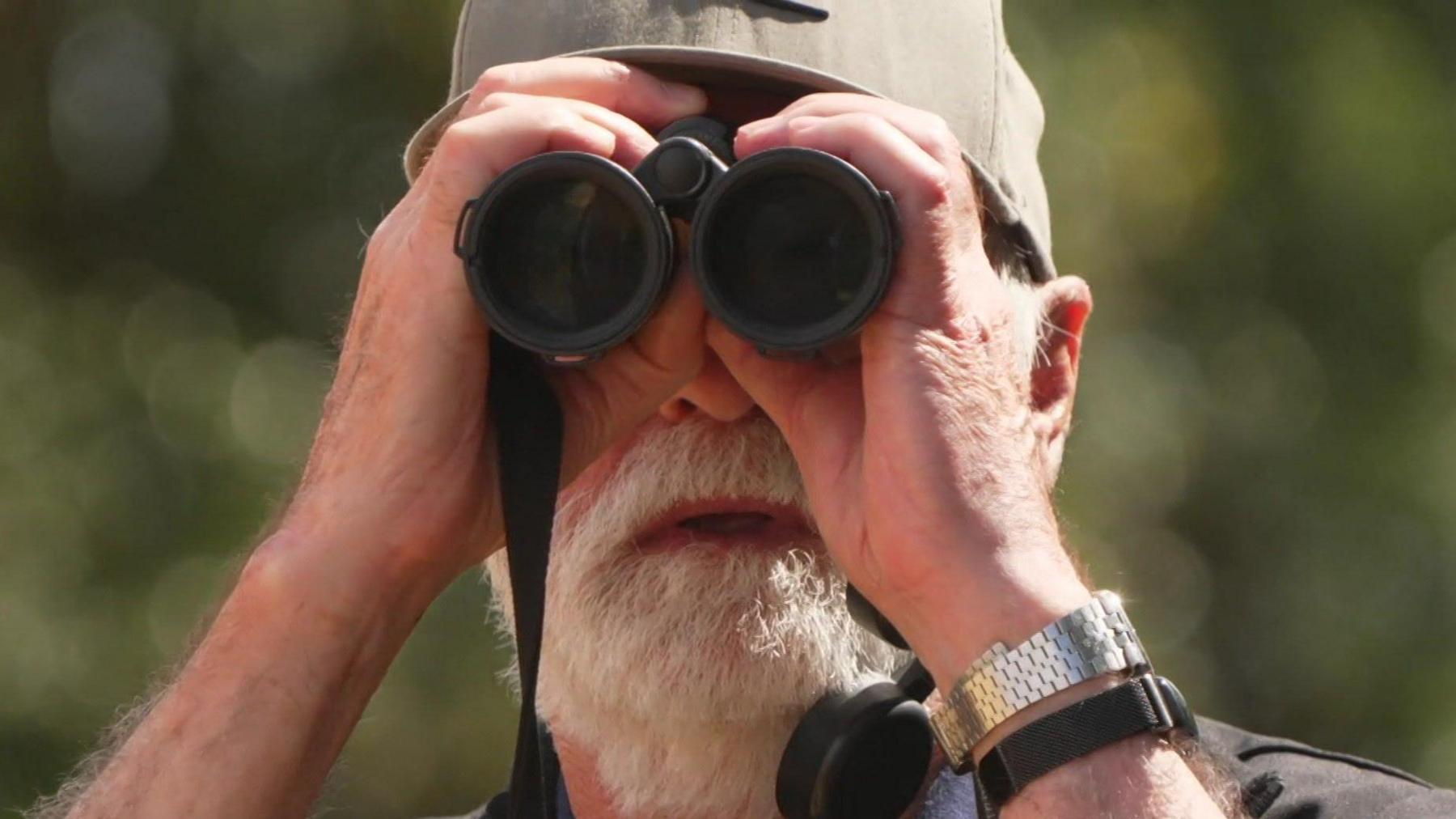
Over his remarkable 60-year tenure, Hewitt has become a living repository of ornithological knowledge and practical conservation expertise. While his early days involved direct protection, his roles have diversified significantly, encompassing habitat management, species monitoring, public engagement, and mentoring new generations of volunteers. His fellow birder, John White, aptly describes Hewitt’s profound understanding: "His knowledge is unbounded. He loves it. He’ll talk for ever about birds." This boundless enthusiasm and deep expertise have made him an invaluable asset to the RSPB, particularly in projects focusing on some of the UK’s most threatened species.
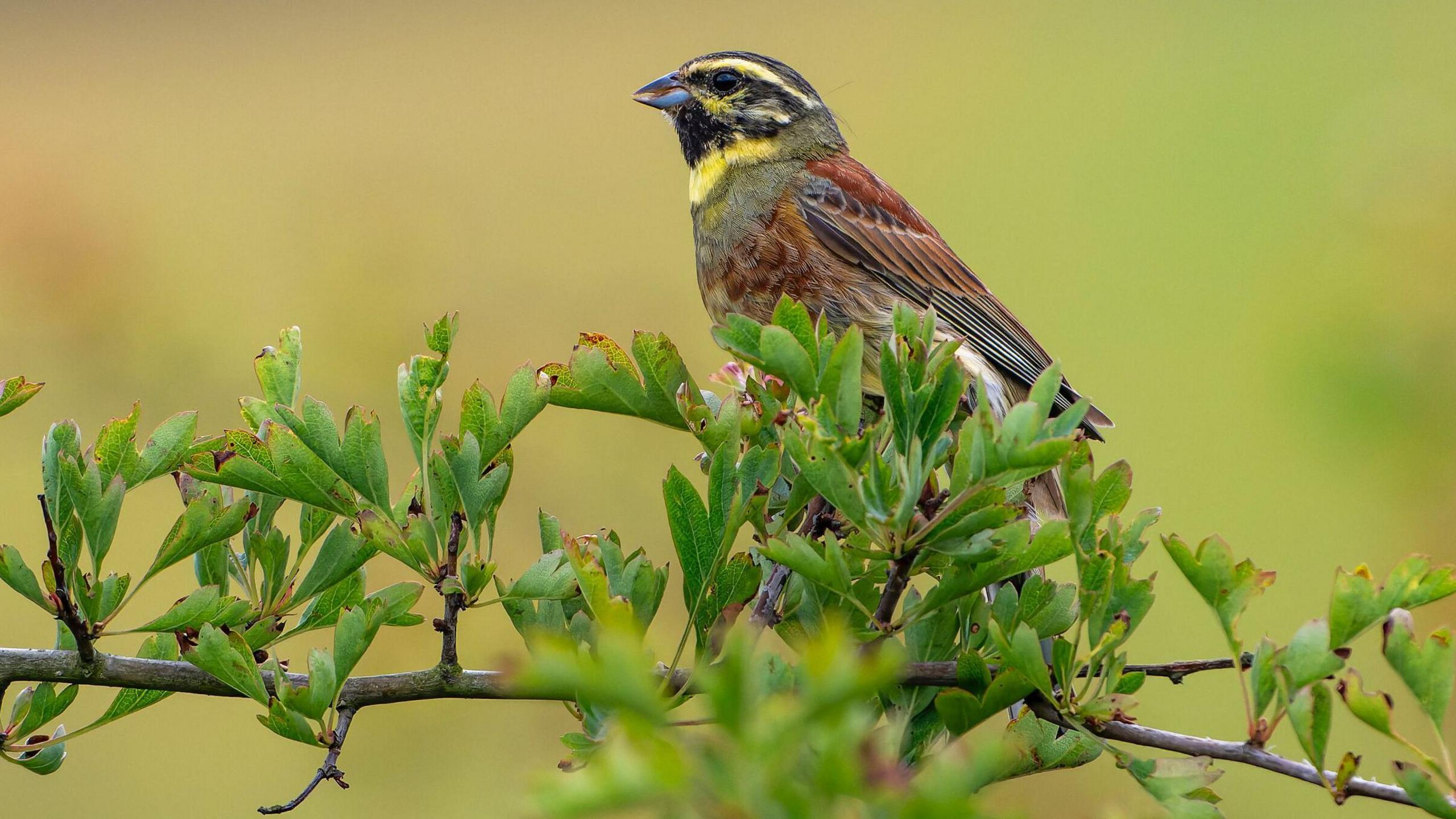
One species holds a particularly special place in Hewitt’s heart: the cirl bunting. This small finch-like bird, once a common sight on farmland across southern England, faced a catastrophic decline, plummeting to just a few hundred pairs by the late 20th century, earning it a place on the UK’s conservation red list. Hewitt has been instrumental in the cirl bunting’s remarkable recovery, dedicating extensive efforts to managing and restoring their habitats at the RSPB’s Labrador Bay and Ashill nature reserves in Devon. His work involves meticulously creating and maintaining the specific mosaic of habitats these birds require, including dense hedgerows for nesting, tussocky grassland for invertebrate food, and crucially, winter stubble fields that provide a vital food source of seeds when other options are scarce.
During a recent visit to the Labrador Bay reserve near Shaldon, Hewitt explained the elusive nature of these charming birds. "They don’t want to be very obvious," he noted. "They just want to quietly get on with producing young, feeding them in the nest and not being seen." This understanding of their behaviour is key to effective conservation, allowing Hewitt and other volunteers to create environments where cirl buntings can thrive undisturbed. The impact of these efforts has been profound. From a low point, the cirl bunting population has seen a significant resurgence, with over 1,000 pairs recorded in the last national survey in 2016. While still primarily found in south Devon, a reintroduced population in Cornwall further demonstrates the success of targeted conservation. Hewitt emphasizes the broader ecological benefits of this species-specific work: "They’re a great little bird. Because we’re saving this place specifically for cirl buntings, we’re also creating habitat for lots of other birds." This approach highlights how protecting one keystone species often leads to the enhancement of biodiversity for an entire ecosystem.
Beyond the cirl bunting, Hewitt’s dedication has extended to other critical projects, including involvement in the red-backed shrike project on Dartmoor. The red-backed shrike, a striking migratory bird, is tragically almost extinct as a breeding bird in the UK, making any efforts to support its presence or potential return incredibly significant. While the specifics of his involvement might range from monitoring rare migrant sightings to contributing to habitat assessments for potential reintroduction efforts, it underscores his broad commitment to species recovery.
Hewitt’s commitment seamlessly wove through his life, from school holidays to a 30-year career with Barclays. He volunteered in a vast array of roles, demonstrating that conservation isn’t just a pastime but a profound calling. Reflecting on his initial motivations, he candidly admits, "Maybe I shouldn’t admit this, because you think ultimately people volunteer because they want to do something good or give something back, but for me initially it was the opportunity to get closer to the birds and nature." This deep, personal connection to wildlife has been a constant source of inspiration and well-being. "Just being with wildlife, seeing wildlife, understanding wildlife, whether birds, mammals or insects, is mentally very good for me," he explains, articulating a sentiment shared by many who find solace and purpose in the natural world.
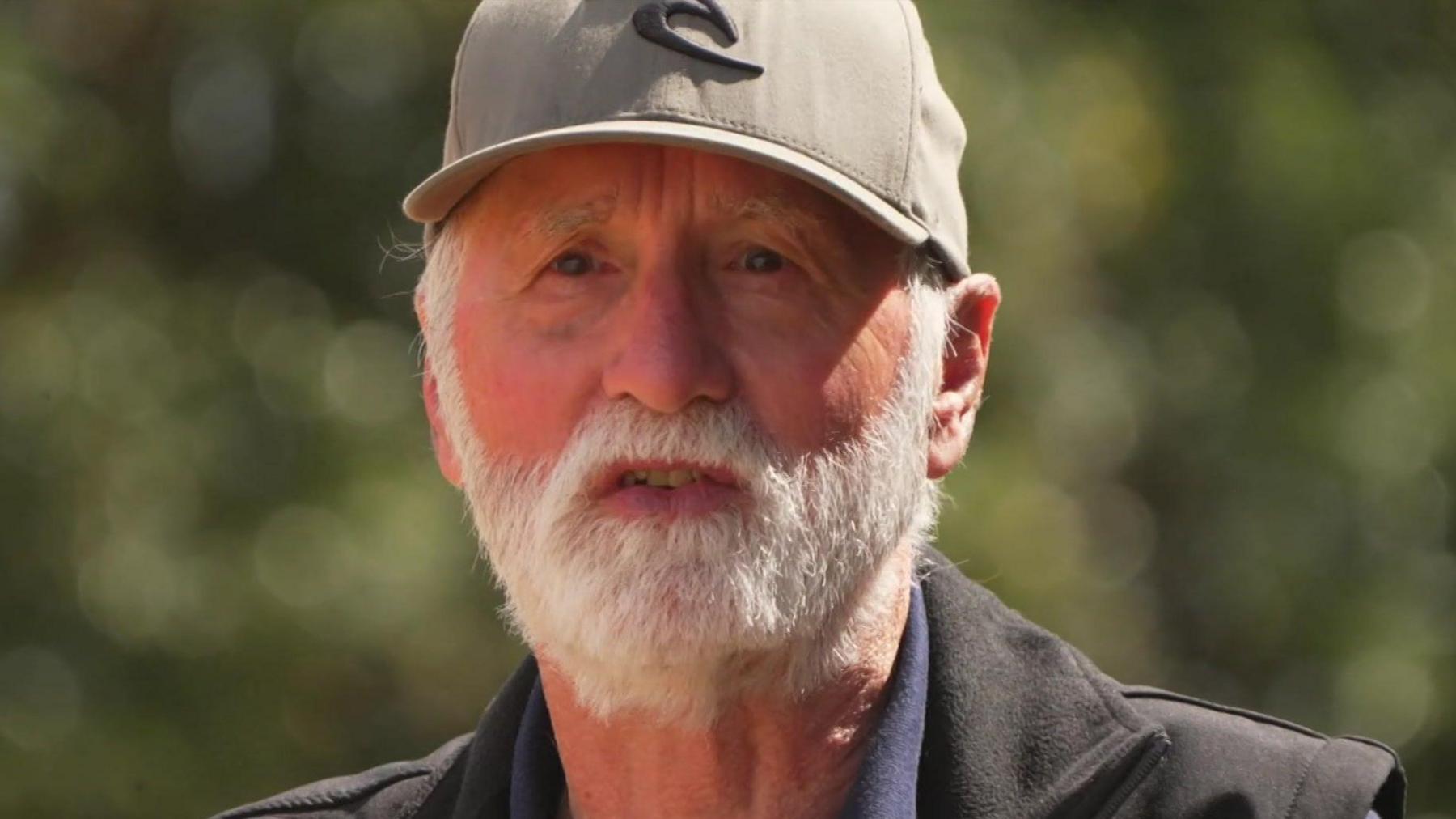
His dedication has not gone unnoticed by the RSPB. Tim Hughes, RSPB volunteering development officer, praises Hewitt’s unparalleled contribution: "Few individuals can demonstrate such sustained commitment, breadth of impact and enduring legacy as Nigel." Hughes further elaborates on the scale of Hewitt’s influence: "He has helped achieve some of the biggest successes in species recovery, notably for cirl buntings, while also strengthening the volunteer culture across the RSPB through his positive, dependable guidance and expertise." This recognition highlights not only the tangible results of his work but also his role in fostering a vibrant community of volunteers.
Nigel Hewitt’s journey is a testament to the power of sustained individual effort in the face of significant environmental challenges. He embodies the spirit of conservation, demonstrating how a lifelong passion can translate into tangible successes for threatened species. His ability to lead walks around nature reserves, sharing his vast knowledge with visitors and fellow enthusiasts, further amplifies his impact, inspiring others to connect with and protect the natural world. From the early days of guarding ospreys in a remote hide to meticulously managing habitats for endangered buntings in Devon, Hewitt’s story is one of profound dedication and enduring love for Britain’s birds.
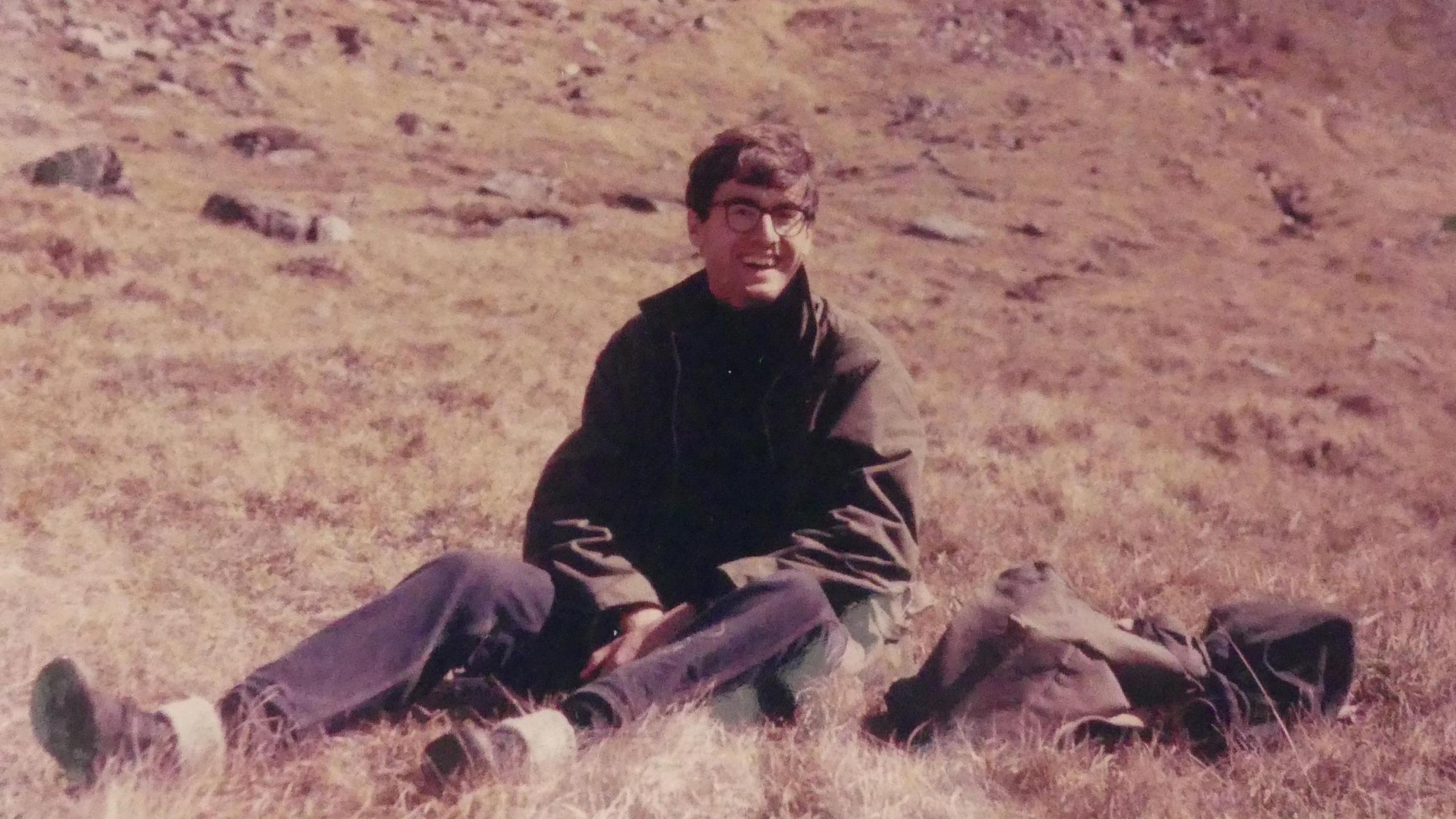
As he looks to the future, Hewitt’s enthusiasm remains undimmed. "The pleasure of seeing a bird that you know you’ve done work to protect gives me so much satisfaction," he affirms. "You get the chance to just get out and do things. It’s a wonderful chance to give something back to the world." With a twinkle in his eye, he adds, "And if I can volunteer for another… well, I won’t do another 60 years, that’s for sure. But David Attenborough is 100, so I could still be pottering around then." His playful reference to the legendary naturalist underscores his hope for many more years of contributing to the cause he holds so dear, leaving an indelible mark on the landscape of British bird conservation.



 George Anjay
 Nakalama John
 atisusanti
 Ramos Leo