Nakalama John
The chilling 2024 film Civil War, a dystopian portrayal of a violently fractured United States, resonated deeply with audiences not just for its cinematic prowess but for its frightening realism. Its British writer and director, Alex Garland, openly expressed anxieties not only about America but also about his home country, telling The Guardian that "there’s a lot to be very concerned about" in both nations. This sentiment strikes a raw nerve in modern Britain, where a pervasive sense of disunity, amplified by the often-exaggerated adversarialism of social media, fuels fears of a nation gripped by uncontrollable rage. Many genuinely worry that the UK is teetering on the edge of social breakdown, where a small spark could ignite a serious conflagration.
It is this profound sense of discord that Britain’s new prime minister, Andy Burnham, appears to keenly recognise. Since announcing his run for the Makerfield seat in May, Burnham has consistently advocated for a departure from traditional party politics and factional identities, urging Britons instead to rally around a shared pride in their local areas. His mantra, "Place first, not party first," encapsulates a belief that local loyalties can transcend national divides. Upon entering Downing Street on Monday, his inaugural address echoed this vision, calling for a "new national sense of unity, of common purpose and positivity." But the crucial question remains: how truly divided is Britain, and what are the specific fault lines Burnham must navigate?
Last year, a commission co-chaired by former Home Secretary Sir Sajid Javid issued a stark warning in its report, stating: "The bonds that hold society together – civic participation, and a shared sense of belonging – are under growing pressure." This assessment aligns with the observations of Evan Davis, presenter of BBC Radio 4’s Common Ground, who spent a month traversing the UK, exploring the very divisions that define modern Britain. His journey sought to uncover whether any true common ground remains in the country Burnham has inherited, or if the nation is indeed polarised beyond repair.

For generations, Britain’s social fabric was clearly defined by class. One’s job, accent, dining habits, television preferences, and even voting patterns were largely predetermined by a working-class or middle-class background. While this foundational split hasn’t vanished entirely, it has become significantly more complex. The decline of traditional "working-class" industries and a substantial increase in young people from diverse backgrounds attending university have blurred these once rigid lines. However, a more salient fault line has emerged in Britain and other Western countries: a profound divergence in values, pitting progressives against social conservatives. This schism, often more clearly correlated with age and education than with traditional class, manifests in heated debates over "woke" culture, national identity, and immigration. Its intensity stems from a deeply held conviction on both sides that the opposing worldview represents an existential threat to their vision of society.
To quantify this ideological chasm, Common Ground commissioned polling from the More in Common research institute (covering Great Britain). Respondents were asked if they preferred living in communities "where more people come from different cultural backgrounds" or "where most people come from the same cultural background." The results revealed a near 50-50 split: 53% favoured a diverse community, while 47% preferred a more homogenous one. This near parity presents a significant challenge for Burnham; resolving an argument where opinion is so evenly divided is far more arduous than addressing an issue where one side holds a clear majority. On the specific, highly charged issue of immigration, however, a greater consensus emerged, with about three-quarters of Britons believing immigration was too high. Burnham himself has acknowledged that net migration was "way too high" under the previous Conservative government, pledging to "find the right balance" on the issue – a nuanced position that reflects the complexity of public opinion.

Beyond these broad ideological and demographic splits, a multitude of distinct, yet interconnected, fault lines crisscross British society. These concerns, often grouped under the umbrella term of "polarisation," deserve closer examination. One significant worry, particularly prevalent on the political right, centres on social integration. There’s a concern that in certain cities, communities of differing cultures, ethnicities, and languages reside in close proximity yet lead entirely separate lives. This was vividly illustrated in Leicester, a city with the highest proportion of residents whose main language is not English. Jason, a 54-year-old white British window installer, has witnessed these changes firsthand. Despite having Hindu and Sikh friends, he voices complaints, noting that Muslim families in his area often decline his services, suggesting, "They do stick to their own." He recounts being racially abused by a group of men in a car last year, prompting him to avoid certain parts of the city. The language barrier, he finds, is particularly frustrating: "Sometimes it’s very hard to take an inquiry on the phone. You’re doing a quote on the windows and you just really can’t communicate."
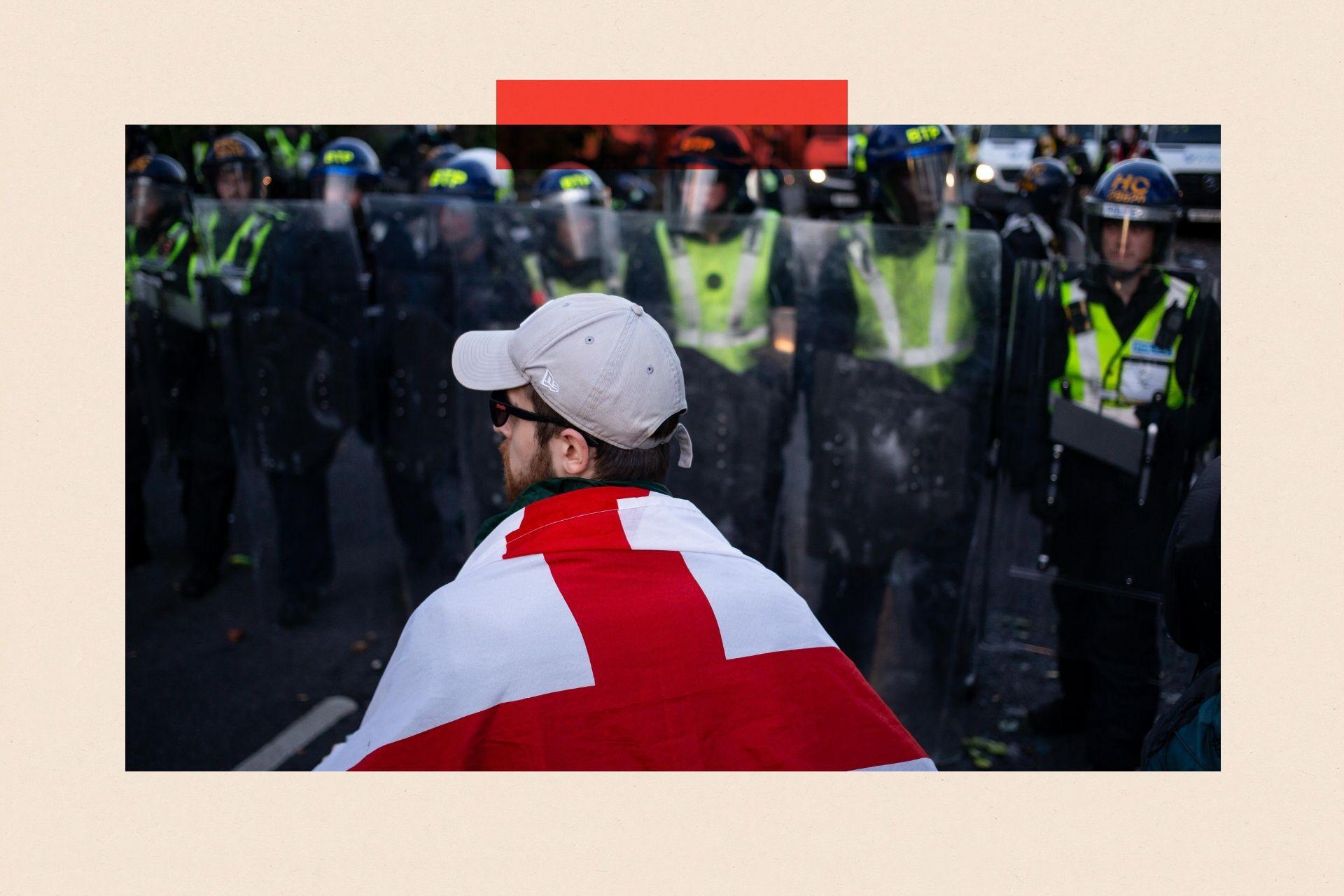
Conversely, a worry more keenly felt on the left concerns what many perceive as rising levels of racism and violence. Reports of racial tensions erupting on the streets, from Southport to Southampton, have become increasingly common. Hannah Henderson, who owns a dog-friendly coffee shop in Southampton, shared a distressing experience. While driving with her twelve-year-old daughter, they passed a hotel housing asylum seekers where a protest was underway. "There was a protest happening… people with the St George’s flags around their shoulders… police lining up," she recalled. Her daughter, witnessing the scene, felt "really unsafe" and struggled to comprehend "why would people be so cross?" Such incidents leave deep emotional scars, particularly on younger generations, highlighting the tangible impact of societal divisions.

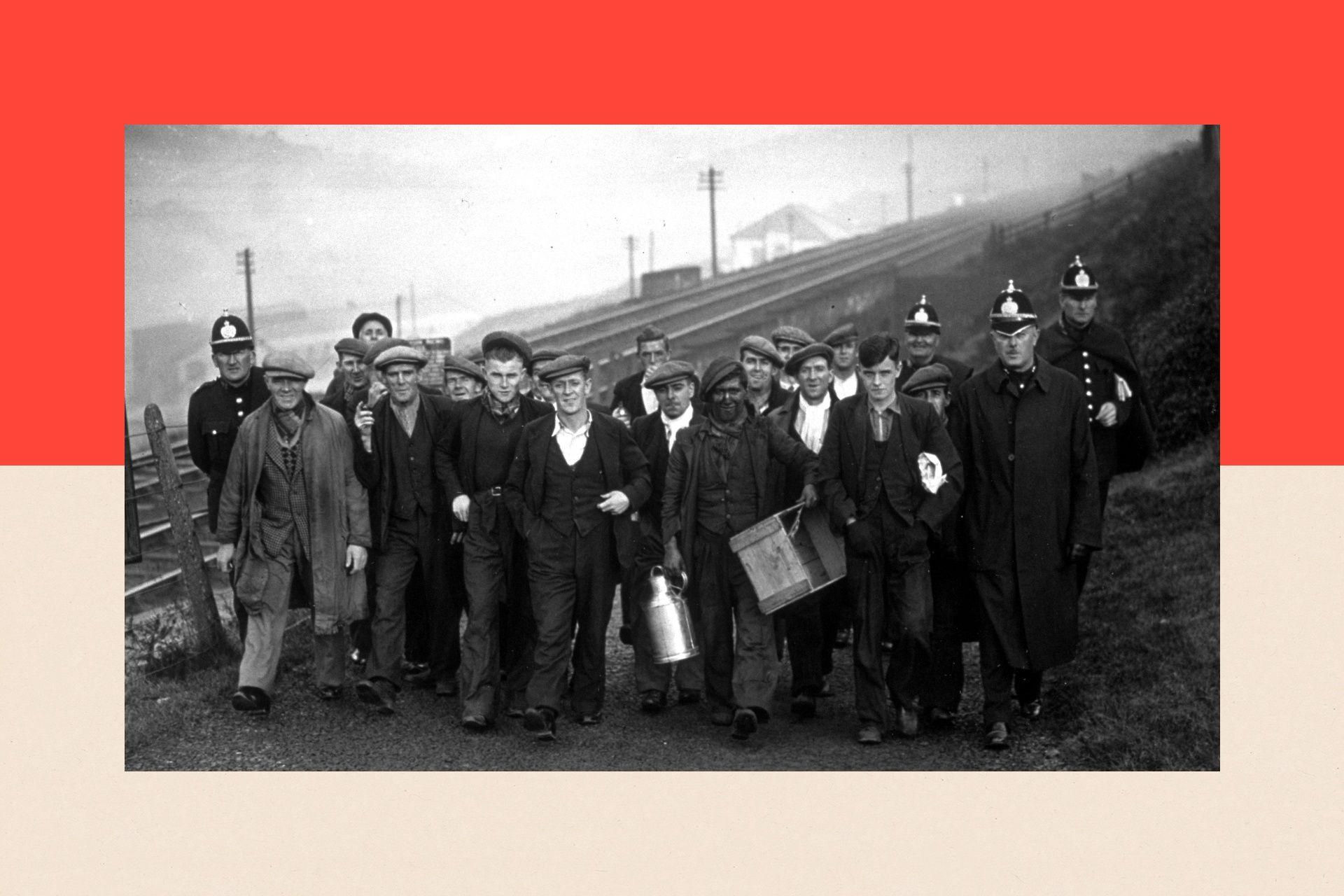
Another deeply ingrained divide is geographical. Residents of deprived, post-industrial towns, still reeling from the disappearance of manufacturing and mining industries, often feel a quiet frustration towards larger, economically flourishing cities. These smaller towns typically lack a university and feature run-down high streets, creating a stark visual reminder of their economic decline. Places like Wigan, situated within Burnham’s Greater Manchester stronghold, frequently languish in the shadow of their more prosperous urban neighbours. Fiona Hill, daughter of a Bishop Auckland coal miner who rose to become a senior White House adviser, eloquently articulated this disparity in her book, There’s Nothing For You Here, named after her father’s advice when she left school in 1984. Hill, now Chancellor of Durham University, explains: "The reason it’s called ‘left behind’ is because you look at health outcomes, education, transport, access to amenities… and all of the [towns] that we’re talking about are left behind. Certainly, they’re not on the same level as… the flourishing city centres in Manchester, Liverpool, and absolutely not at the same level as London." This highlights a fundamental imbalance in opportunity and investment that fuels regional resentment.
A related concern points to a broader erosion of shared experiences. Modern life often encourages individualistic pursuits: we spend more time at home, alone; fewer people attend church weekly; and the traditional social hub of the pub sees diminishing numbers. On a national level, particularly in England, there’s a vague and sometimes contested sense of identity. While national football teams might offer fleeting moments of unity, many question if this is the sole remaining component of nationhood. Even the display of the Union Jack or St George’s flag, once symbols of common identity, has become divisive. Playwright James Graham suggests that a nation is largely defined by "the story it tells itself," and argues that significant parts of England feel excluded from this national narrative. He observes: "If you see yourself on screen or stage, or in film or books or newspapers, if you feel like you’re being seen and you’re being heard and you feel part of a story, that does temper some of the natural bitterness and resentment that you feel when your economic situation isn’t quite so good." The sum of these observations suggests a Britain profoundly uneasy with itself, facing substantial challenges in forging a cohesive identity.
Despite these deep-seated divisions, pockets of common ground and a resilient spirit persist across Britain. Evan Davis’s journey revealed many "reasonable folks" who, though dispirited by the problems they observe, are ready to navigate them constructively. For every instance of unrest, volunteers often emerge the following day to clean up the mess. Local sports teams or community centres frequently serve as vital focal points for neighbourly spirit. At Grimsby Town Football Club, Christine Green shared her story of volunteering during a difficult divorce. She found solace and purpose, saying, "I needed something to occupy my time and my mind so I’m not focusing on negative stuff." Living in the East Marsh area of Grimsby, a neighbourhood often unfairly maligned as a hub of crime and unemployment, she challenges this negative image. "I know the person next door and I know the person across the road. My mum lives the next block up and my daughter can take the dogs for a walk. That’s nice to me – not living in a secluded house where you’ve got no idea who anybody is around you." Lord Stockwood, the Grimsby-born entrepreneur who purchased the club in 2021, echoes this sentiment, describing it as "a place of permanence and love and memory for me and for many others" in an "increasingly complex and crazy world."
Indeed, the poll commissioned for the series offered an encouraging sign that most respondents harboured no desire to dismantle their localities. A full 70% considered their city, town, or village to be "very good" or "somewhat good" as a place to live, though this dropped to only about half when asked about it as a place to work. This 70% figure can be viewed as either two-thirds full or one-third empty, reflecting the nuanced reality of local sentiment.
Perhaps one of the most promising avenues for finding common ground lies in a renewed focus on the idea of "place." A growing movement among politicians and academics advocates for helping people forge or re-forge strong connections to their local areas. This approach clearly resonates with Andy Burnham. His journey to Downing Street is particularly noteworthy, given that he spent more time outside London in the years preceding his premiership than arguably any other modern prime minister. This experience has undoubtedly shaped his political philosophy. Last year, he articulated this vision to the Institute for Government think tank, stating: "Place is a unifying force. However people vote, they are united by a desire to see the place where they live move forward." The conventional wisdom from the capital often suggests that if the nation as a whole can be made to work, individual communities will naturally flourish. Burnham’s perspective, however, implies a reversal of this logic: that true national success hinges on the flourishing of each community. While this strategy is not without its difficulties – Burnham himself knows it has been easier to revitalise central Manchester than its surrounding towns – creating social cohesion where it is currently lacking will undoubtedly be a defining mission of his premiership.



 Roy Suryo

 atisusanti
 Ramos Leo